Last updated November 18, 2026



Free written scope consultation - allowances, timeline, and change-order rules on paper before a single trade is scheduled
DIY vs Professional General Contractor: What’s Safe to Do Yourself
Here’s a fact that surprises most homeowners: in California, you can legally tear out your own bathroom wiring, install new outlets, and never pull a permit. Nobody will stop you. But if that wiring starts a fire six months later, your insurance company can deny the claim because the work doesn’t meet code, and it doesn’t matter who held the screwdriver. That’s the part almost nobody explains before handing you a how-to video. This guide draws a different line than most: not just what you’re handy enough to do, but what California law, your HOA, and your insurer will actually recognize once the work is done. We’ll cover Pomona specifically, because the rules and the risk look different here than they do in a generic national article.
Quick Answer
In California, a homeowner can legally perform most cosmetic and non-structural work on their own property without a contractor’s license, thanks to the owner-builder exemption. But any project that requires a permit involving electrical, plumbing, gas, or structural work must still be inspected and meet code, and DIY work shifts full liability onto you: for safety, for resale disclosure, and for insurance claims. The safe DIY zone is painting, tiling, trim, landscaping, and simple fixture swaps. The unsafe zone is anything behind a wall.
Styles & brands we work with
- Kitchen remodeling
- Bathroom remodeling
- Home additions & ADU
- Roofing
- Windows & doors
- Driveway & pavers
- Fence
Table of Contents
- What California’s Owner-Builder Exemption Actually Covers
- Safe DIY in Pomona vs. Projects That Trigger Licensed-Trade Permits
- How Unpermitted Work Affects Resale and Title Insurance in LA County
- The Hidden Cost of DIY: When a Botched Rough-In Doubles the Bill
- The Skill-and-Risk Matrix: Five Categories Ranked by Consequence
- What Your HOA and Insurer Will and Won’t Accept
- Common Mistakes to Avoid
- When to Call a Professional
What California’s Owner-Builder Exemption Actually Covers
California law allows a homeowner to act as their own contractor on their own residence, as long as they don’t intend to sell or rent it out for at least a year after the work is done. This is called the owner-builder exemption. It sounds generous, and in some ways it is. You can pull permits in your own name, hire subcontractors directly, and manage the project yourself without holding a contractor’s license.
What most people miss is the disclosure form. When you pull a permit as an owner-builder, you sign a statement acknowledging that you are assuming full responsibility for the work, that you are not protected by the state’s contractor licensing requirements, and that you understand the risks of acting as your own contractor. That form has teeth. If something goes wrong, you cannot claim you didn’t know what you were getting into.
The exemption also comes with real limits:
- You can only use it on a property you live in (or will live in) and don’t plan to sell or rent within a year.
- You can’t use it on a property where you’re doing the work for someone else, even a family member.
- You’re responsible for worker’s compensation if you hire subs, and for the safety of anyone on the site.
- You still need permits and inspections for structural, electrical, plumbing, and gas work.
- You can’t use it to build a new structure that isn’t intended for your own occupancy.
What this means in practice: the owner-builder exemption gives you legal permission, not insurance. It lets you put your name on a permit, but it puts your name on the liability too. That distinction is where most first-time DIY renovators in Pomona get into trouble. A homeowner on a typical quarter-acre lot near Lincoln Park might be legally permitted to tear out and rebuild a bathroom down to the studs. Legally permitted. But if that shower pan leaks two years later into the foundation, the same legal framework that let them do it also means they own the outcome.
For projects that touch structure, gas, or the main electrical service, we generally recommend at least getting a professional assessment before deciding whether the owner-builder path makes sense for you. Our General Contractor in Pomona page covers what a permitted project looks like from the inside.
Safe DIY in Pomona vs. Projects That Trigger Licensed-Trade Permits
Pomona’s housing stock is varied: single-family homes from the 1920s near the historic districts, mid-century ranches toward Phillips Ranch, and newer construction near the city’s east edge. What’s legal to do yourself doesn’t change by neighborhood, but what’s risky does. Older homes hide knob-and-tube wiring, cast-iron drains, and original galvanized plumbing behind walls that look modern from the surface.
Here’s how the line actually divides:
Safe, legal DIY in a typical Pomona home:
- Interior and exterior painting
- Tile work on walls and floors (as long as you’re not moving plumbing)
- Trim, baseboard, crown molding, and shelving
- Refinishing or replacing cabinet doors and hardware
- Landscaping, planting, and drought-tolerant yard work
- Simple fixture swaps like a showerhead, faucet, or lighting fixture (with the breaker off)
- Replacing a toilet (as long as the flange is sound and no plumbing moves)
Projects that require permits and licensed-trade sign-off:
- Anything that moves or extends gas lines
- Adding, moving, or upgrading electrical outlets, circuits, or the main panel
- Moving plumbing supply or drain lines, or adding a bathroom
- Structural changes: removing a wall, adding a beam, opening a load-bearing span
- Roof replacement or any work affecting the roof’s structure
- Water heater replacement and HVAC installs
- Window replacement when it changes the rough opening
Window replacement deserves a note. Simple same-size swaps of energy-rated units (we install ES Windows and CGI units on many Pomona projects) still require a permit in most cases because the window is part of the building envelope. The installation itself can be done by a skilled homeowner, but the inspection is what carries the resale value. That inspection is not optional if you plan to sell.
How Unpermitted Work Affects Resale and Title Insurance in LA County
This is the section we wish every homeowner read before they started. In Los Angeles County, when you sell a home, you’re required to complete a transfer disclosure statement. That form asks, in plain language, whether you know of any alterations, additions, or repairs made without required permits. You cannot answer “no” if you know the truth. And buyers are getting more careful about asking.
What happens if you sell with unpermitted work?
- The buyer’s inspector finds it. Most home inspectors in Pomona flag additions, finished garages, and unpermitted electrical as a matter of routine.
- The buyer requests a cure. That usually means the seller has to permit and permit-correct the work, which can mean tearing out finished walls to show the framing.
- The lender balks. Some lenders won’t finance over unpermitted square footage, or they’ll require it be excluded from the appraised living area.
- The deal falls through. Sometimes the buyer simply walks, and the next buyer starts negotiations lower because the work is now disclosed.
Title insurance complicates the picture. Title companies insure the ownership of a property, not the legality of the work done to it. An unpermitted addition or conversion doesn’t necessarily hold up a title search, but if a buyer sues after closing because a contractor’s unpermitted work failed inspection, title insurance may not cover it. Many policies exclude coverage for work done without permits. The result is a quiet, expensive ambiguity on a property you thought you understood.
The cleanest way through this is to permit the work before you sell, or to have a licensed contractor bring it into compliance. The trickier question is what happens if you did the work yourself and it was never permitted. In our experience working with sellers and buyers in Pomona, the cost of a permit correction is virtually always lower than the cost of a lower sale price or a failed sale. That math rarely favors the shortcut.
The Hidden Cost of DIY: When a Botched Rough-In Doubles the Bill
New homeowners tend to think about cost in two categories: the materials they buy, and the labor they save. The third category, the one nobody budgets for, is the cost of what happens when the work has to be redone. This is where the DIY math turns on you.
Picture a bathroom remodel in a 1950s ranch off Reservoir Street. The homeowner does their own drain relocation, saves about $1,200 in plumbing labor, finishes the tile, installs a new vanity, and paints the room. Six weeks after the last grout line dries, a slow leak behind the shower wall saturates the subfloor. The fix means tearing out the shower, the tile, the backer board, and part of the subfloor. The plumber charges repair rates for correcting the rough-in, the tiler charges full price again for the same square footage, and the drywall is a third invoice on top of the first two. The original $1,200 savings becomes a $5,000 to $9,000 correction.
We see this often. Rough-in work is the least visible and most consequential part of any remodel. A licensed plumber or electrician pulling permits for the rough-in means the inspection happens while the walls are open, not after. When something fails, it’s corrected before the tile goes on. The $1,200 you saved by doing your own rough-in is really a loan against the $9,000 you might spend later fixing a mistake you can’t see.
The same logic applies to tile substrate. Cement board or a bonded waterproofing membrane sits behind every successful tile shower. A homeowner who skips the membrane, or installs it with a seam that doesn’t overlap correctly, won’t see the failure for months. By then, the mold is behind the finished wall and the only fix is a full tear-out. If you’re planning a bathroom and want to know what a permitted, warrantied version looks like, our Bathroom Remodeling in Pomona page walks through the sequence from demo to final inspection.
The Skill-and-Risk Matrix: Five Categories Ranked by Consequence
Most DIY guides rank projects by difficulty. We think the better question is what happens if you get it wrong. Here are five categories, ranked from safest to most consequential, based on what we’ve seen in Pomona homes.
Category 1: Cosmetic finishing (lowest consequence). Paint, trim, tile on a wall, shelving, landscaping. If you make a mistake, you see it, and you fix it. No inspection required, no safety risk, no insurance exposure. Do it yourself confidently.
Category 2: Simple fixture swap (low-to-moderate consequence). Swapping a faucet, showerhead, light fixture, or toilet. The main risks are a leak from a bad seal or a wire crossed at the fixture. Both are catchable if you’re careful and turn the water off at the valve and the breaker off at the panel. Worth doing yourself if you’re comfortable reading instructions.
Category 3: Appliance and surface installation (moderate consequence). Installing a dishwasher, a microwave hood, or a kitchen backsplash. These can be DIY-friendly, but each one touches a utility line somewhere, and a leaky dishwasher line behind a finished cabinet is a $2,000 to $6,000 floor-repair problem. If you’re unsure how the supply line connects, get someone who knows.
Category 4: Systems and structural (high consequence). Electrical circuits, plumbing drains, gas lines, load-bearing walls, roof penetrations. These are the projects where failure isn’t a cosmetic problem. A bad gas connection is a carbon monoxide risk. A miscalculated beam is a ceiling that sags or a roof that leaks. Not DIY territory, even for a handy homeowner.
Category 5: Whole-project management (highest consequence). Running a kitchen or bathroom remodel end to end, sequencing trades, pulling your own permits, and passing inspections. This is where the owner-builder exemption gets the most homeowners. The skill isn’t the problem; the scheduling, inspection timing, and liability are. We’ll get into that in the next section.
Our technicians have up to 22 years of experience, and the mistakes we see repeated most often are in Categories 3, 4, and 5. That’s not a knock on homeowner ability. It’s what the record shows.
What Your HOA and Insurer Will and Won’t Accept
If you live in an HOA-governed community in Pomona, your CC&Rs add a layer that the state doesn’t. Common HOA requirements include architectural review before exterior changes, restrictions on style and materials for visible additions, and notification requirements for anything that changes the footprint or the roofline. A homeowner who paints their house an unapproved color or installs vinyl windows in a neighborhood expected to use certain products can be forced to reverse both.
Homeowner’s insurance is the second layer, and it’s quieter. Most policies cover sudden, accidental damage. What they typically exclude is progressive damage from ongoing neglect, faulty workmanship, and work that doesn’t meet code. If your DIY wiring causes a fire, the insurer will investigate the wiring. If the wiring isn’t to code, the claim can be denied or partially denied, and you’re left with the mortgage, the neighbors’ cleanup, and the rebuild all on your own. The same logic applies to water damage from a DIY shower pan. The adjuster doesn’t care that you’re a careful person who watched three videos. The adjuster cares what the code says.
Both of these pressures are why we ask the HOA and insurance questions before a project starts. Our Penhallow Remodeling Pomona home page describes our approach, but the short version is that we build projects that pass inspection the first time so there’s nothing to argue about later.
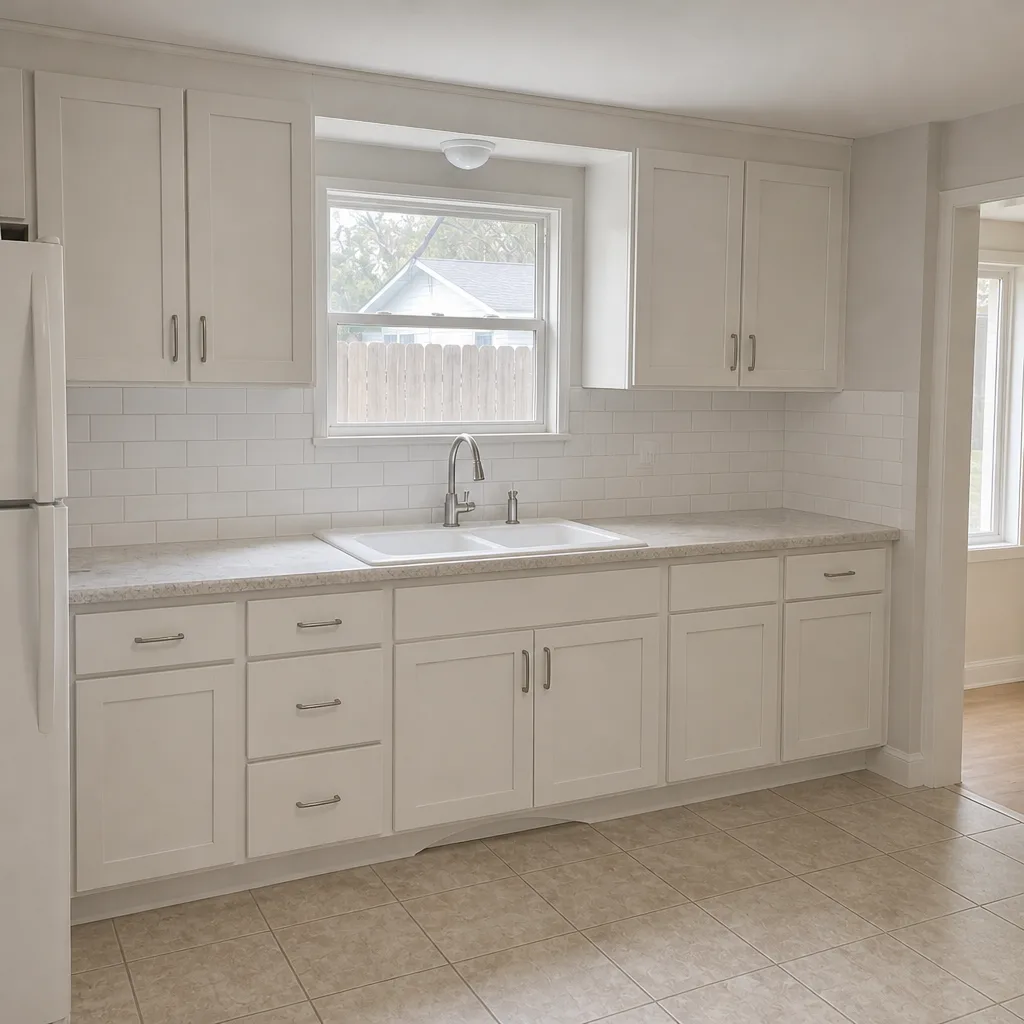
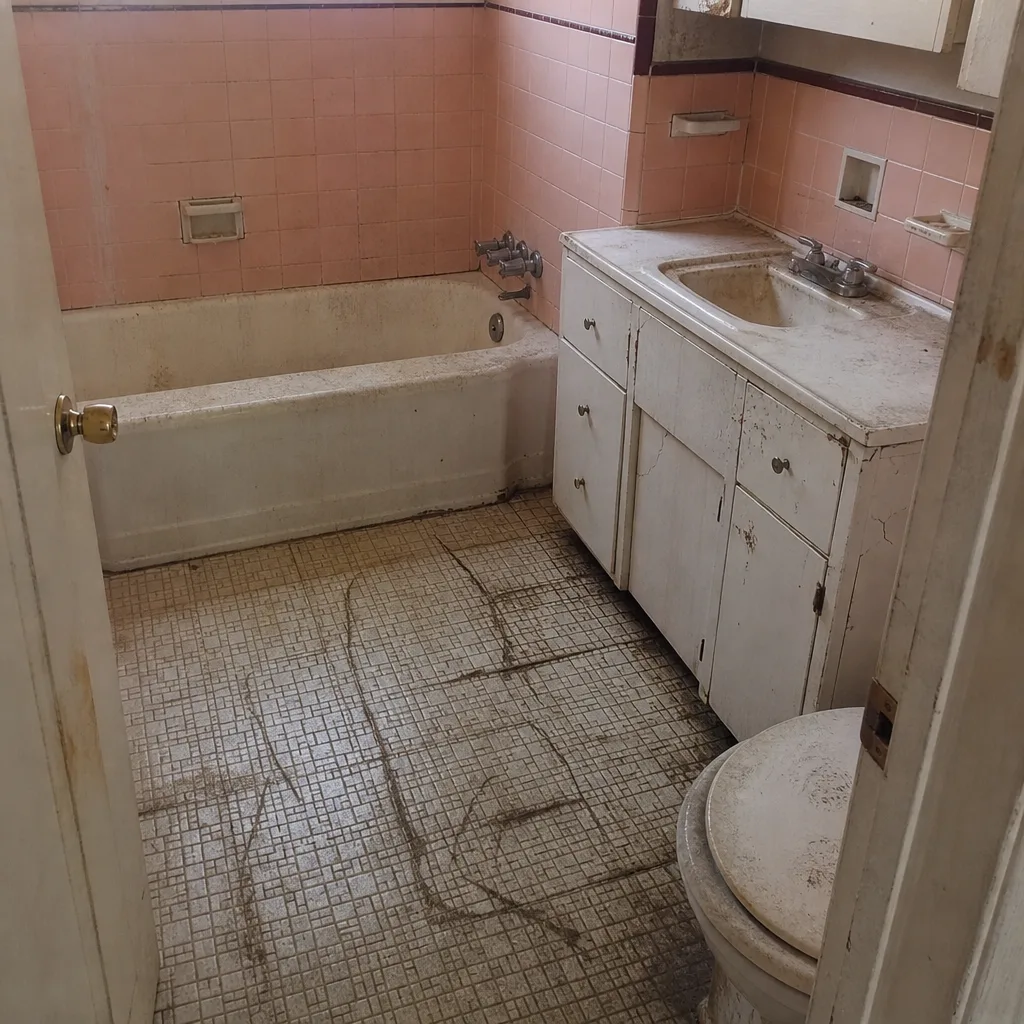
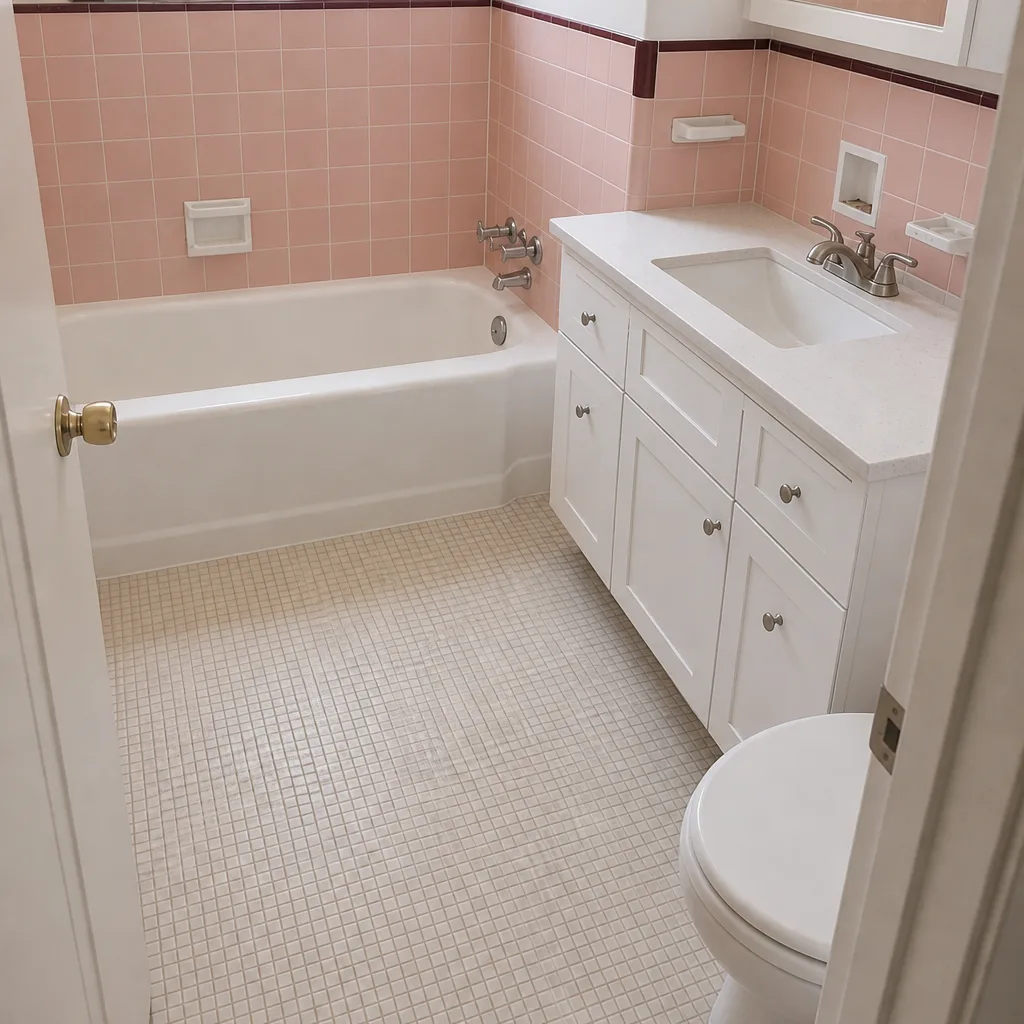
See the difference
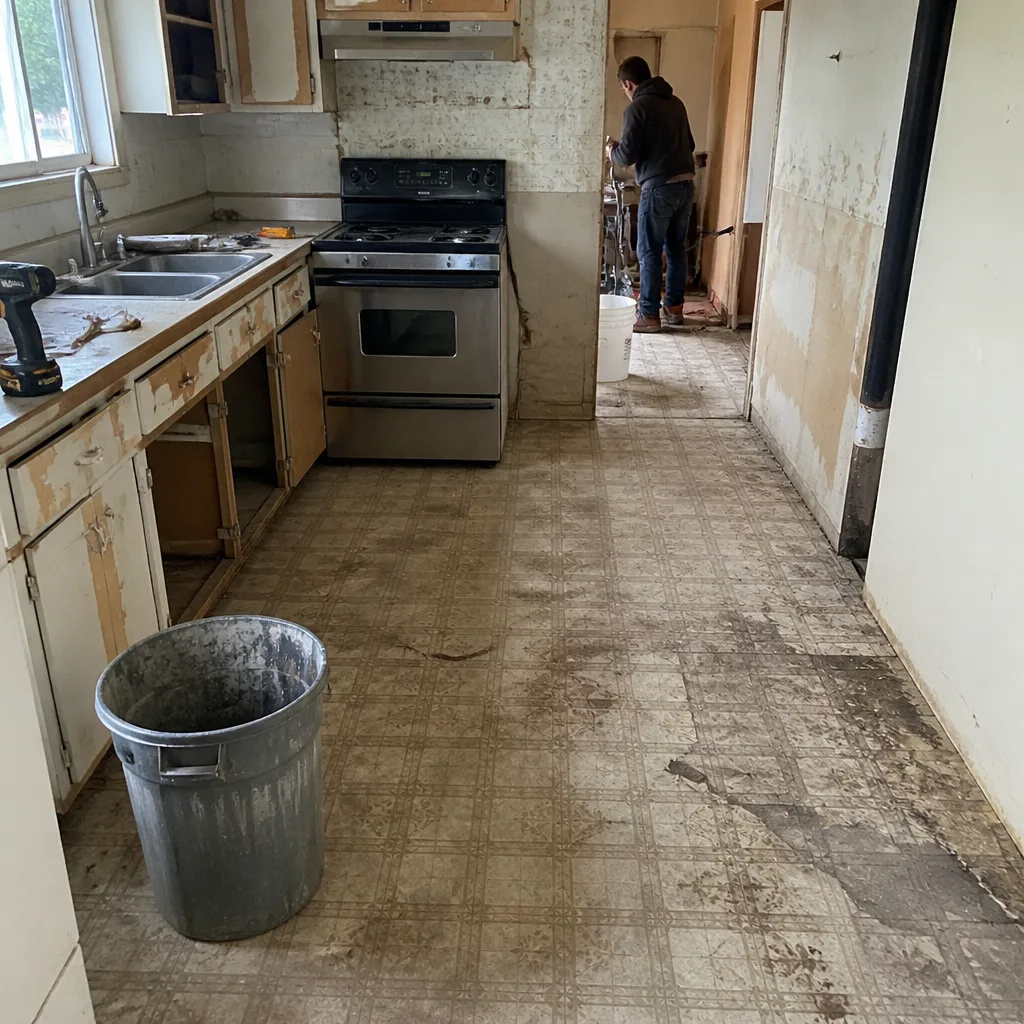 Before
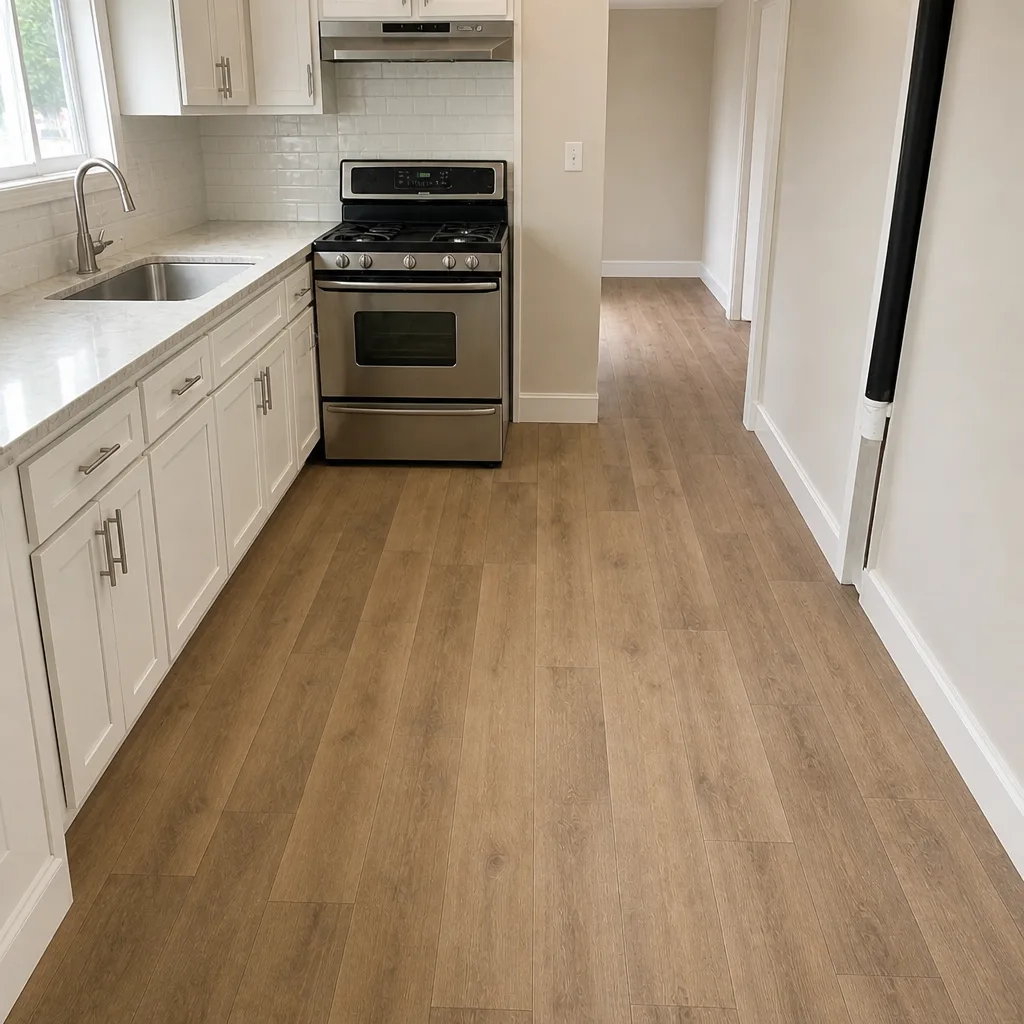 After
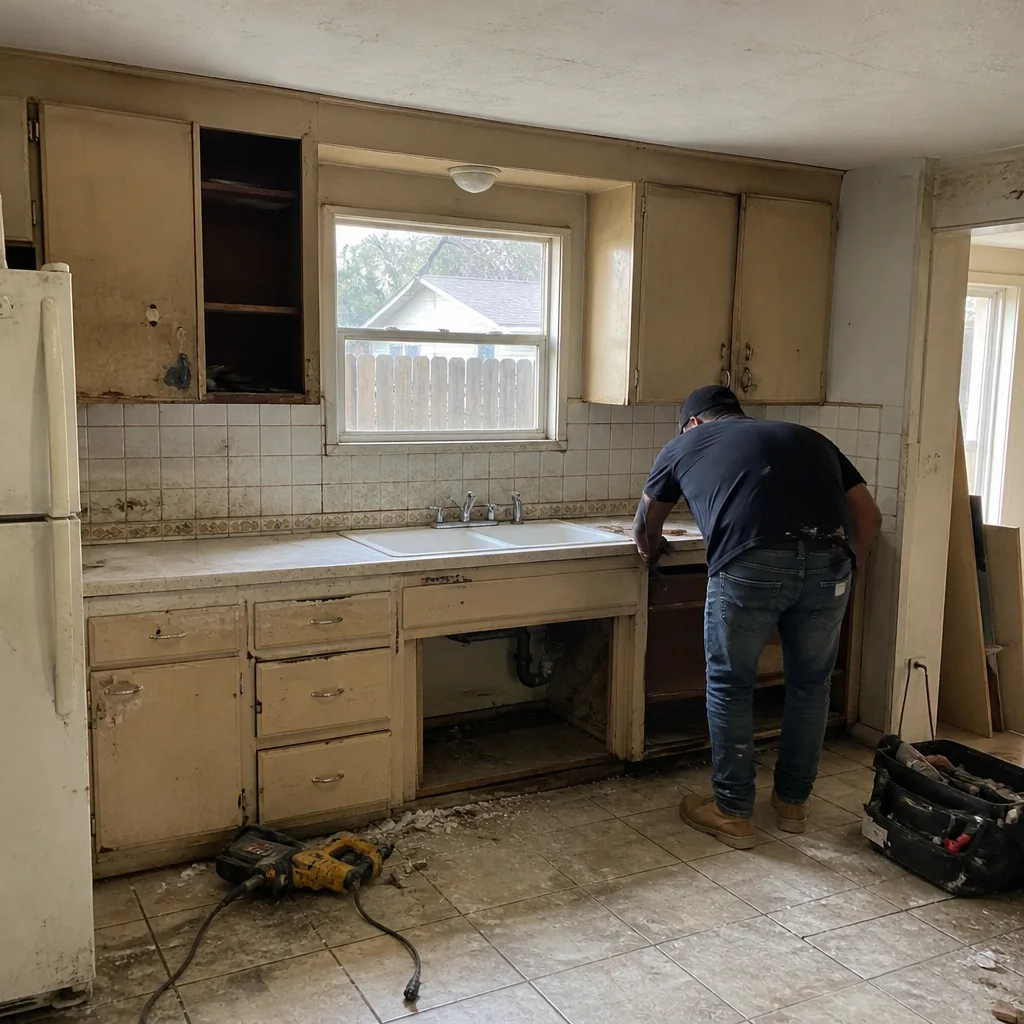 Before
 After
 Before
 After
Common Mistakes to Avoid

- Skipping the permit for a “small” change. Adding an outlet, moving a drain, or swapping a water heater all require permits. The permit is what makes the insurance claim survivable.
- Using the owner-builder exemption on a rental or flip. If you don’t intend to live in the home for at least a year after the work, the exemption doesn’t apply. Using it anyway can void the permit and the sale.
- Not checking the HOA before buying materials. Ordering windows before the architectural committee approves the style means a losing argument and a return shipment.
- Painting over a water stain instead of finding the source in a Pomona home. Our dry, hot summers followed by winter rain cycles make slow roof leaks common. The stain is the symptom. Painting over it just hides the problem until the ceiling sags.
- Assuming tile substrate is optional. Cement board or a bonded waterproofing membrane behind tile isn’t a suggestion; it’s the only reason a shower lasts. Skip it and you’ll see the failure in a year or two.
- Doing electrical work without turning off the breaker at the panel. It sounds obvious. It’s the most common cause of shock injuries in home DIY.
- Letting a permit lapse after the rough-in inspection. The final inspection is what closes the permit. An open permit on the county’s records can hold up a sale years later.
When to Call a Professional
If your project involves moving a wall, a gas line, an electrical panel, a plumbing drain, or a roof, that’s the line. If the project requires an inspection, it’s the line. If your HOA requires an architectural review, it’s the line. If your insurance would be on the hook for a failure, it’s the line. And if you’ve ever torn into a wall in a Pomona home built before 1980 and found something unexpected, it’s definitely the line. We’ve seen enough surprises behind the drywall to make that recommendation without hesitation.
The honest version is simpler than the checklist: if the work is cosmetic, do it yourself and do it well. If the work is structural or system-level, or if a permit is involved, get someone licensed to do it, inspect it, and warrant it. Our Kitchen Remodeling in Pomona and Bathroom Remodeling in Pomona pages both lay out what a permitted, warrantied version of those projects looks like. Penhallow Remodeling Pomona offers free estimates in Pomona. Call us to schedule yours, and every project comes with a written price before any work starts and a written guarantee on the other end.
Frequently Asked Questions
California permits homeowners to perform most non-structural work on their own residence under the owner-builder exemption, including painting, tiling, trim, landscaping, and simple fixture swaps. Any work involving electrical, plumbing, gas, or structure still requires a permit and inspection, even when you do it yourself. Call us for a free estimate if you’d like help deciding where a specific project falls.
Yes, if you’re moving plumbing, adding or moving electrical, or changing the layout. Cosmetic-only bathroom updates like paint, tile, and a new vanity generally don’t require a permit. The permit and inspection record is what protects your resale and your insurance, so it’s worth pulling for any project that touches plumbing or electrical.
Often not, if the failure is from faulty installation or work that doesn’t meet code. Most homeowner’s policies exclude ongoing damage from unpermitted or non-code work, and shower pan failures usually qualify. That means a $3,000 shower pan mistake can turn into a $12,000 floor and subfloor replacement you pay for yourself. A quick free estimate is usually cheaper than the alternative.
Read your CC&Rs and contact the architectural committee before you buy materials. Most HOAs in Pomona require pre-approval for anything visible from the street, including paint color, windows, fences, and additions. Approval timelines vary, so get the answer in writing before demo day. If your HOA is silent on a specific project, a professional who regularly works in HOA communities can usually tell you what gets approved and what doesn’t. Call us for a free estimate and we’ll walk you through the HOA-approval conversation if it applies.
The biggest risk is that the work looks fine and fails later. Older homes near downtown Pomona often have original wiring that doesn’t match current code, and a new outlet tied into the old circuit can pass visually but fail inspection. Even a perfect-looking installation can be a total insurance denial if it’s not permitted and inspected. Any electrical work behind a panel or behind a wall should be handled by a licensed electrician.
Yes, but you must disclose it. The transfer disclosure statement asks whether you’re aware of unpermitted alterations, and a buyer’s inspector or lender will typically find the work anyway. Some sales close with unpermitted work, but often at a lower price or after a permit correction the seller pays for. The cleanest path is to permit the work before the sale, or to have a professional bring it into compliance.
The Bottom Line

The DIY question isn’t really about skill. It’s about consequence. Cosmetic work on your own home is safe, legal, and worth doing yourself. Anything that touches structure, electrical, plumbing, or gas needs a permit, a licensed trade, and an inspection, and the reason is that the failure mode isn’t cosmetic. In Pomona, our older housing stock makes that line sharper than a national guide will admit. The owner-builder exemption gives you permission, not protection. The insurance claim, the resale disclosure, and the title policy all live on the other side of that line. If you’re not sure which side a project falls on, price the professional version before you demo anything. Call us for a free estimate and a written price to compare against.
Written by the team at Penhallow Remodeling Pomona.