Last updated November 18, 2026


Free written scope consultation - allowances, timeline, and change-order rules on paper before a single trade is scheduled
DIY vs Professional Home Remodeling: What’s Safe to Do Yourself
In California, unpermitted work discovered during escrow can legally be required to be torn out and redone. A $600 DIY electrical fix can become a $4,000 problem at the worst possible moment – usually the week you’re trying to close a sale, when you have the least leverage and the most to lose. The DIY vs professional home remodeling decision almost never gets framed this way. People talk about skill, tools, and YouTube tutorials. But in Pomona, the real dividing line isn’t whether you can do the work. It’s whether the work becomes a liability the moment a buyer’s inspector walks through. This guide breaks down what’s genuinely safe to take on yourself, what triggers a permit, and how to protect your resale value.
Quick Answer
Safe DIY projects are cosmetic and non-structural: interior painting, cabinet hardware and paint, swapping a faucet or light fixture, demo of non-load-bearing drywall, and finishes that don’t touch plumbing, gas, or the electrical panel. Anything that requires a permit from the City of Pomona – and that includes most electrical, plumbing, gas, and structural work – is best handled by a licensed contractor, because unpermitted work can force a teardown at sale. The dividing line is permit exposure and resale liability, not how handy you are.
Styles & brands we work with
- Kitchen remodeling
- Bathroom remodeling
- Home additions & ADU
- Roofing
- Windows & doors
- Driveway & pavers
- Fence
Table of Contents
- The Permit Trigger Chart: What Requires a City of Pomona Permit
- What’s Genuinely Safe to DIY (and Actually Saves Money)
- How California Licensing Law Shifts Liability Onto You
- Why the Unlicensed Helper Is the Worst of Both Worlds
- The Hybrid Approach: Written Scope for Permits, Finish Work Yourself
- What Unpermitted Work Costs at Resale Time
- Pomona-Specific Context: Climate, Housing Stock, and Common Traps
- Common Mistakes to Avoid
The Permit Trigger Chart: What Requires a City of Pomona Permit
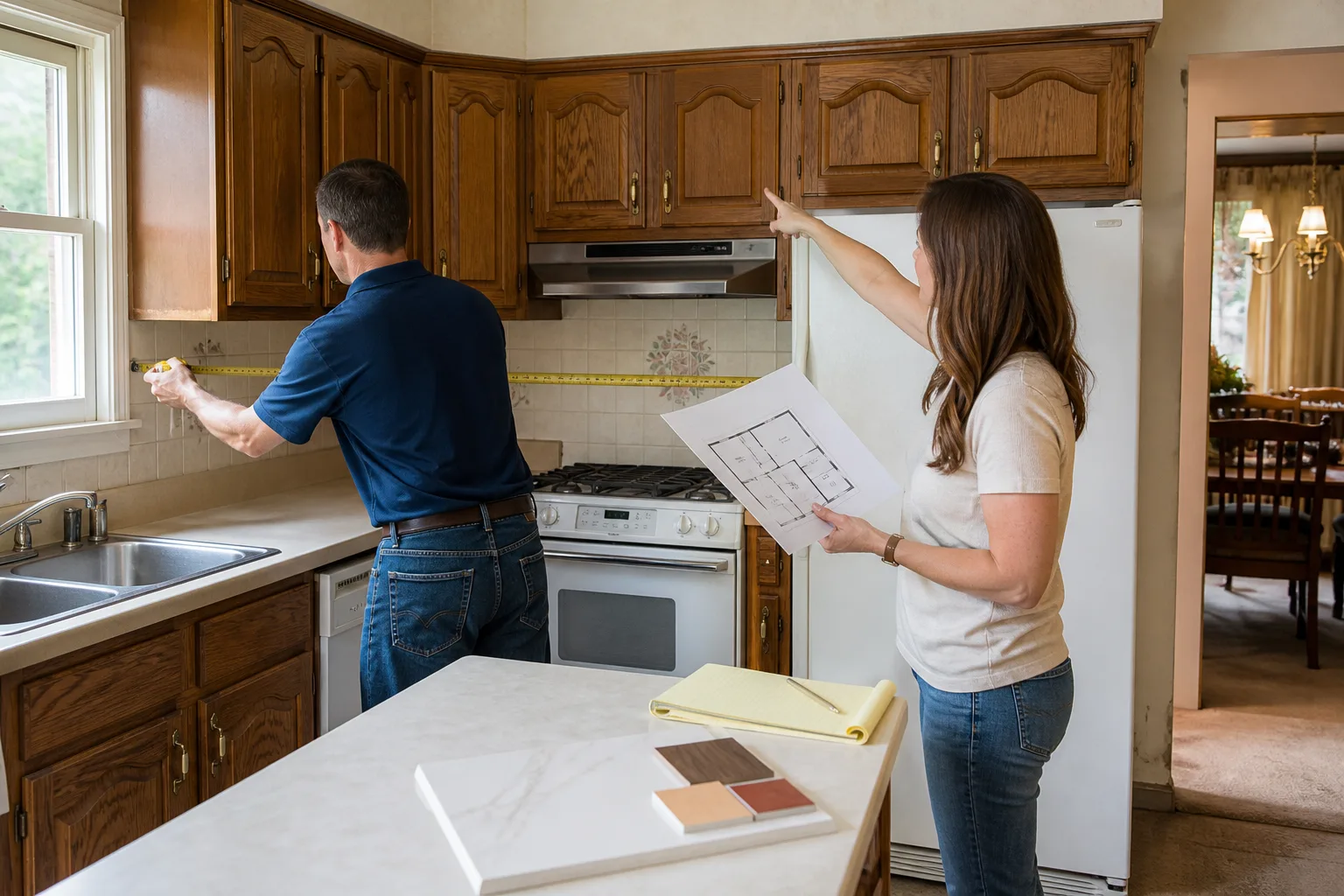
Here’s the thing most homeowners don’t learn until it’s too late: the permit requirement doesn’t care who swings the hammer. If a licensed contractor does unpermitted electrical work, it’s still unpermitted. If you do it yourself, same rule. The City of Pomona’s building department evaluates the scope of work, not the name on the invoice. So the first question on any project should always be “does this pull a permit,” not “can I do this.”
This chart covers the projects we see most often in Pomona homes. It’s a plain-language guide, not a substitute for an actual call to the building department – rules shift, and older homes can have quirks that change the answer.
- Interior painting and wallpaper: No permit. Purely cosmetic.
- Cabinet hardware, cabinet paint, and refacing: No permit if you keep the existing layout and plumbing/electrical locations.
- Swapping a like-for-like faucet or light fixture: Generally no permit, but new wiring, new circuits, or moving a fixture does trigger one.
- Non-load-bearing drywall demo: No permit, but you must confirm the wall isn’t structural or hiding plumbing/electrical. In Pomona’s older tracts, that’s not always obvious.
- Tile replacement in an existing shower footprint: Usually no permit, but re-waterproofing without disturbing the drain assembly matters.
- Moving a kitchen sink or adding a dishwasher line: Permit required. Plumbing relocation.
- Adding a bathroom in an existing space (e.g., converting a closet): Permit required. Plumbing, electrical, ventilation.
- Opening up a wall between kitchen and living room: Permit plus engineering. The wall is often load-bearing.
- Panel upgrades, new circuits, outlet additions: Permit required. Electrical work is a licensed-trade item.
- Water heater swap, gas line work, and most appliance installs where a gas connection moves: Permit required.
- Window and door replacement where the opening size changes: Permit required. Same-size swaps often don’t require one.
The pattern is simple: anything that changes the structure, the plumbing layout, the electrical layout, or the gas system is a permit item. Cosmetic surface work usually isn’t. When in doubt, call the building department – a two-minute question is cheaper than a two-week teardown.
What’s Genuinely Safe to DIY (and Actually Saves Money)
We’re not in the business of talking people out of doing their own cosmetic work. Some projects genuinely save money, look great, and carry zero permit exposure. Here’s where DIY actually earns its place.
- Interior painting. A full interior repaint on a 1,800-square-foot Pomona home typically runs $3,200-$6,500 through a pro. DIY saves most of that, and a bad paint job is fixable in a weekend. Prep work separates good from bad. Spend your time taping, patching, and sanding.
- Cabinet painting and hardware swaps. Swapping builder-grade cabinet pulls for something heavier and more modern runs $150-$400 in hardware and transforms a kitchen for a fraction of a remodel. Painting cabinets with a proper bonding primer and a sprayed enamel can add years to their life. Just don’t touch the plumbing or electrical inside the cabinet.
- Non-load-bearing drywall demo. If you’ve confirmed with a licensed contractor or the building department that a wall isn’t structural and isn’t hiding mechanicals, taking it down yourself is honest, sweaty work that saves real money. Haul away is the part most people underestimate – budget a dumpster.
- Interior door replacement and trim. A pre-hung door swap in the same opening is a genuine DIY win. New casings and baseboards are forgiving and forgiving-to-fix.
- Tile backsplash in an existing kitchen. A modest backsplash is one of the rare tile jobs where DIY often works out. Small area, small tiles, forgiving visual impact.
What these have in common: they’re low-permit, low-consequence, and easy to course-correct. That’s the profile of a good DIY project.
How California Licensing Law Shifts Liability Onto You
California’s contractor licensing rules are strict for a reason, and the reason lands on you when DIY goes wrong. If you hire an unlicensed person to do work that requires a license, and that person is injured on your property, your homeowner’s policy may not cover the claim – and California law has been known to treat the homeowner as the employer of an unlicensed worker for injury purposes. Translation: a $600 helper can turn into a workers’ comp problem you didn’t see coming.
There’s a second layer. If unpermitted work causes damage to a neighbor’s property – a shower pan that leaks through a shared wall into a condo next door, a gas line that wasn’t pressure-tested – the liability chain runs back to whoever pulled the permit. If nobody pulled one, it runs back to you.
Licensed contractors carry their own liability insurance and workers’ comp. That’s not a small thing. It’s the entire reason for using one. When you hire a proper professional – through our General Contractor in Pomona service, for example – the license, the insurance, and the permit are all part of the package. When you DIY a permit-level job, you’re carrying that risk on your own homeowner’s policy, and your carrier may decline coverage for unpermitted work.
Why the Unlicensed Helper Is the Worst of Both Worlds
If the DIY vs professional decision were a straight line, the unlicensed helper would sit at one end. But it’s actually the worst position on the whole spectrum. Here’s why.
- No permit protection. The unlicensed helper won’t pull a permit, and if they offer to, they can’t – that’s a licensed activity.
- No recourse if it fails. A licensed contractor who does poor work is subject to the Contractors State License Board. If an unlicensed helper cracks your shower pan six weeks later, your only recourse is a small-claims filing against someone who may not have assets.
- Verbal estimates that balloon. The classic pattern: “about $2,000” becomes $3,800 after demo reveals “complications.” With no written scope, there’s no anchor. You can’t hold a verbal ballpark to anything.
- Liability transfer to you. As covered above, the injury and damage exposure flows to you, not to the helper.
If you’re going to carry the permit risk yourself, at least DIY and keep the money. If you’re going to hire out, hire someone licensed who carries the exposure for you. The middle path – paying cash to an unlicensed helper for permit-required work – gives you the permit risk of DIY with none of the savings.
The Hybrid Approach: Written Scope for Permits, Finish Work Yourself
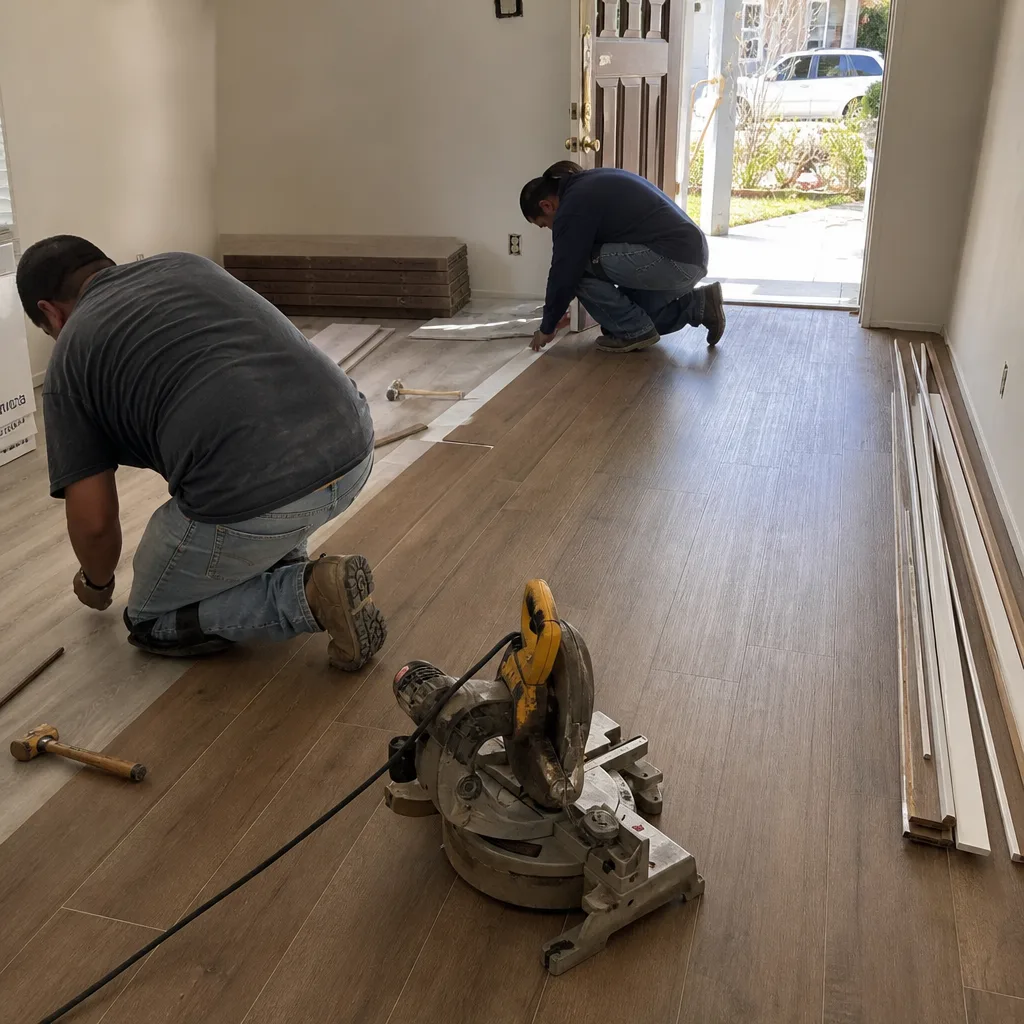
There’s a smarter path most homeowners don’t know exists: hire a licensed contractor for the permitted components (the electrical rough-in, the plumbing relocation, the structural work) and do the finish work yourself. This isn’t a workaround – it’s a legitimate project structure. Here’s how to set it up cleanly.
- Get a written scope for the permitted work only. Ask the contractor to price the permit-pulling, rough-in, and inspection components as a standalone line item. A good contractor will do this, especially when you’re clear that you’re handling finishes. The number on the estimate is the number on the invoice – a written price before any work starts.
- Confirm in writing who is doing what. Ambiguity here is where change orders start. Written scope should specify “contractor supplies and installs rough plumbing and electrical to rough-in; homeowner installs drywall, tile, paint, and fixtures.”
- Get the permit pulled before any work starts. The permit and the inspection are the whole point of the hybrid approach. Protect them.
- Schedule the inspection. The contractor typically handles the inspection coordination on the rough-in, but you’ll want to know the date so you can schedule your finish work around it.
- Do the finish work yourself with real products. This is where DIY genuinely pays off. Set a Kohler faucet on plumbing your contractor installed. Hang Moen shower trim. Paint and tile to your taste. The risk profile is low because the permit-required work is done and inspected.
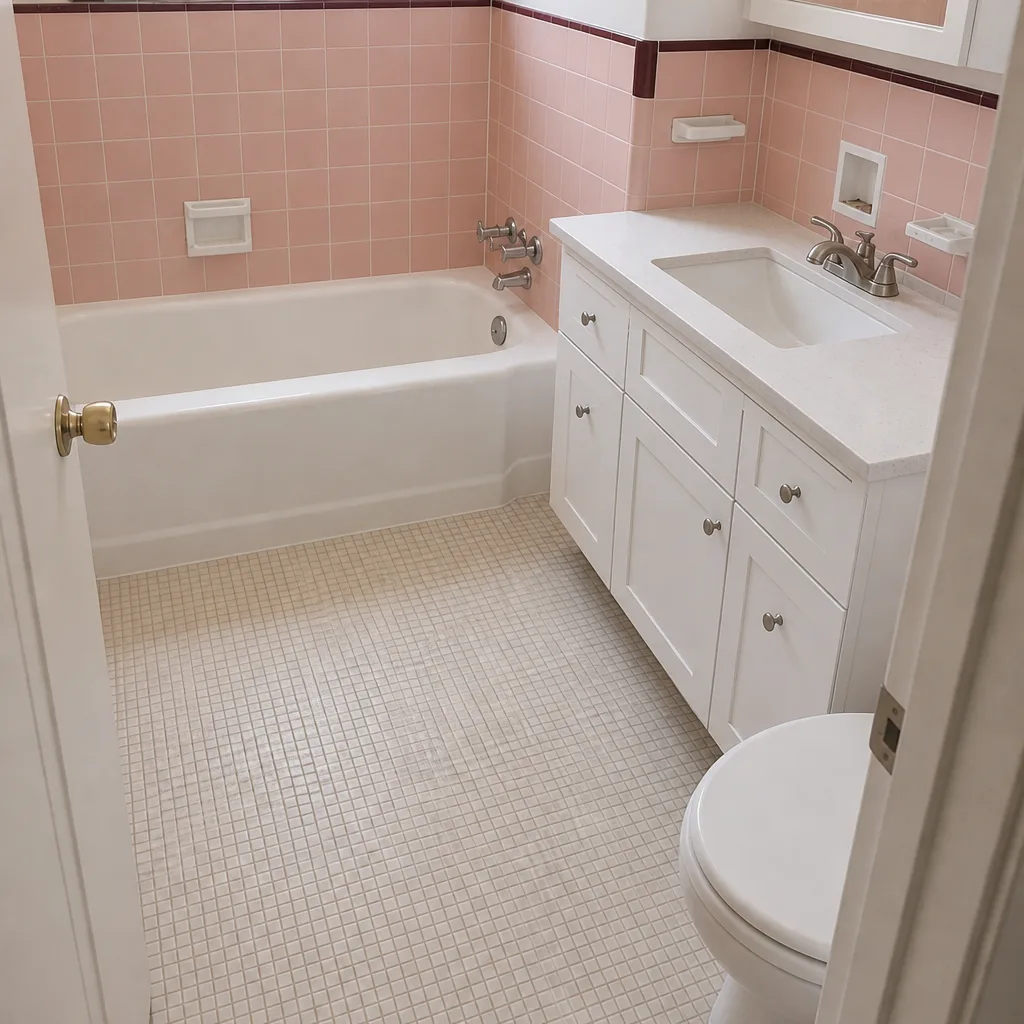
This structure is not the right fit for every project. It works best on bathroom remodels where the plumbing and electrical rough-in are the risky pieces and the finishes are the DIY-friendly ones. Our Bathroom Remodeling in Pomona projects regularly include homeowners who take the finish work on themselves – and we’re glad to structure the scope that way.
What Unpermitted Work Costs at Resale Time
Here’s where the DIY vs professional decision gets expensive in a way nobody sees up front. Pomona’s housing stock is old – lots of 1920s to 1960s construction – and the buyer’s inspector will absolutely notice additions that don’t match the original footprint or fixtures that weren’t there in the listing photos twelve years ago. The moment that inspection report hits the table, the negotiation shifts.
At resale, unpermitted work typically goes one of three ways:
- You’re asked to tear it out and redo it. Full cost of original work plus cost of permitted replacement – often double the original scope at the worst possible time.
- The buyer walks or demands a price reduction. Sometimes a $15,000-$30,000 reduction on a $600,000 house, because the buyer has priced in the uncertainty.
- The buyer accepts it, but your disclosures scare off the next buyer. Even if the first sale closes, the record follows the house. Future buyers see the same problem.
Compare the numbers. A $600 unpermitted electrical addition becomes a $4,000 problem if it needs to be opened, inspected, and closed up properly at sale time. A $2,500 unpermitted bathroom tile job that hides a code-violating drain assembly can become a $9,000-$14,000 replumb. Those are the numbers people don’t see when they decide to skip the permit.
For resale-conscious homeowners in Pomona, the smart play is to do the cosmetic DIY you genuinely enjoy, and to hire licensed help for anything that would appear on a permit record. If you’re planning a project, our Kitchen Remodeling in Pomona team can talk you through which components need to be permitted – and how to structure the estimate so you can do the finishes.
Pomona-Specific Context: Climate, Housing Stock, and Common Traps
Pomona’s climate and housing stock produce a few specific failure modes we’ve seen on project after project. If you’re a homeowner here, these are the ones worth knowing about.
Hot, dry summers and older stucco homes. Pomona summer heat and dry air are hard on exterior caulking and wood trim. Older stucco homes develop hairline cracks that look cosmetic but can lead to water intrusion behind the wall if not addressed. That’s a job for a licensed contractor – not because the fix is complicated, but because opening the wall to address moisture is a permit-level activity if you’re going to find structural damage.
Weeks of Santa Ana winds. Tile roofs and older shingles in neighborhoods like Lincoln Park and Wilton Heights take a beating during wind events. Loose tile isn’t the DIY job most homeowners think it is. Roof work is height work – always call a professional.
Older galvanized steel plumbing. Many Pomona homes south of Holt Avenue still have partial galvanized supply lines. If you’re opening a wall to modernize a bathroom, the plumbing inside that wall is a genuine permit item and a genuine liability item. It’s also one of the most common places hidden problems surface during a remodel.
The Inland Empire permitting rhythm. City of Pomona permitting timelines are what they are. A bathroom permit may take 4-8 weeks from submission to inspection, but the homeowner with a written scope, a real arrival window, and a clean job site knows exactly where their project stands at any moment – which is a lot more than a verbal-estimate DIY project gives you.
Common Mistakes to Avoid
- Assuming “cosmetic” means “no permit.” Tile replacement in an existing footprint is usually fine – but re-waterproofing a shower by removing the drain assembly is plumbing work, and it triggers a permit. Confirm before you tear out.
- Taking a verbal estimate from an unlicensed helper for permit-level work. You’ve already read why this is the worst of both worlds. Written price, licensed contractor, permit pulled – or DIY.
- Moving plumbing “just a foot” without a permit. A one-foot sink move is still a plumbing relocation. It’s also the most common source of hidden leaks in Pomona remodels, because it’s the job everyone thinks doesn’t need a permit.
- Doing electrical work inside a cabinet during a cabinet refacing project. Cabinet refacing is genuinely no-permit. Adding an outlet inside a cabinet for a coffee maker is a permit-level electrical addition. Two different jobs.
- Skipping the inspection because the work “looks fine.” The inspection is the whole point. It’s what makes the work defensible at resale.
- Using an unlicensed helper to “just get the rough-in done.” The rough-in is the permit-heavy part. If you’re going to do the finish work yourself, hire the licensed contractor for the rough-in.
- Never confirming which walls are load-bearing before non-structural demo. In Pomona’s older homes, “non-load-bearing” is not always visually obvious. Get a professional confirmation before taking out drywall.
Every one of these mistakes is fixable – but the fix costs more than doing it right the first time. Written scope, licensed contractor, permit pulled, inspection passed. That’s the pattern that protects resale value.
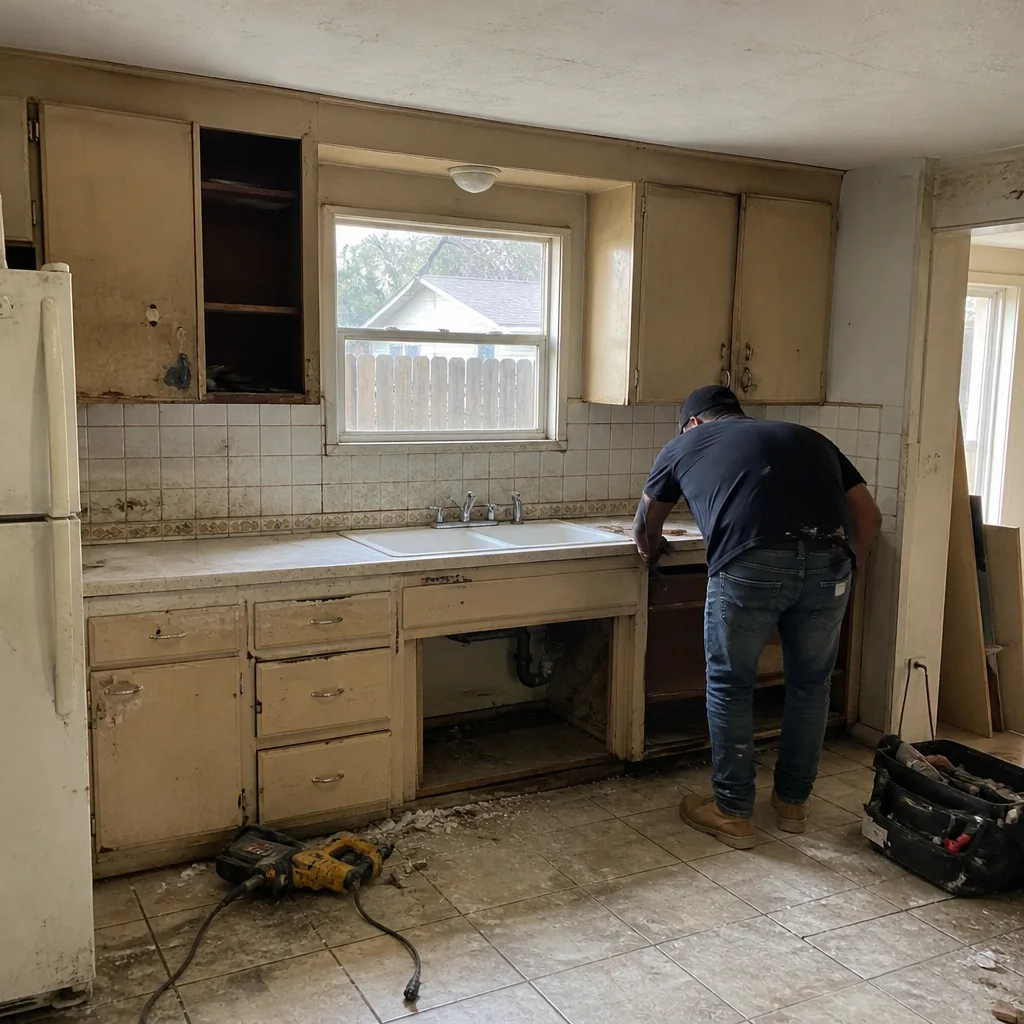
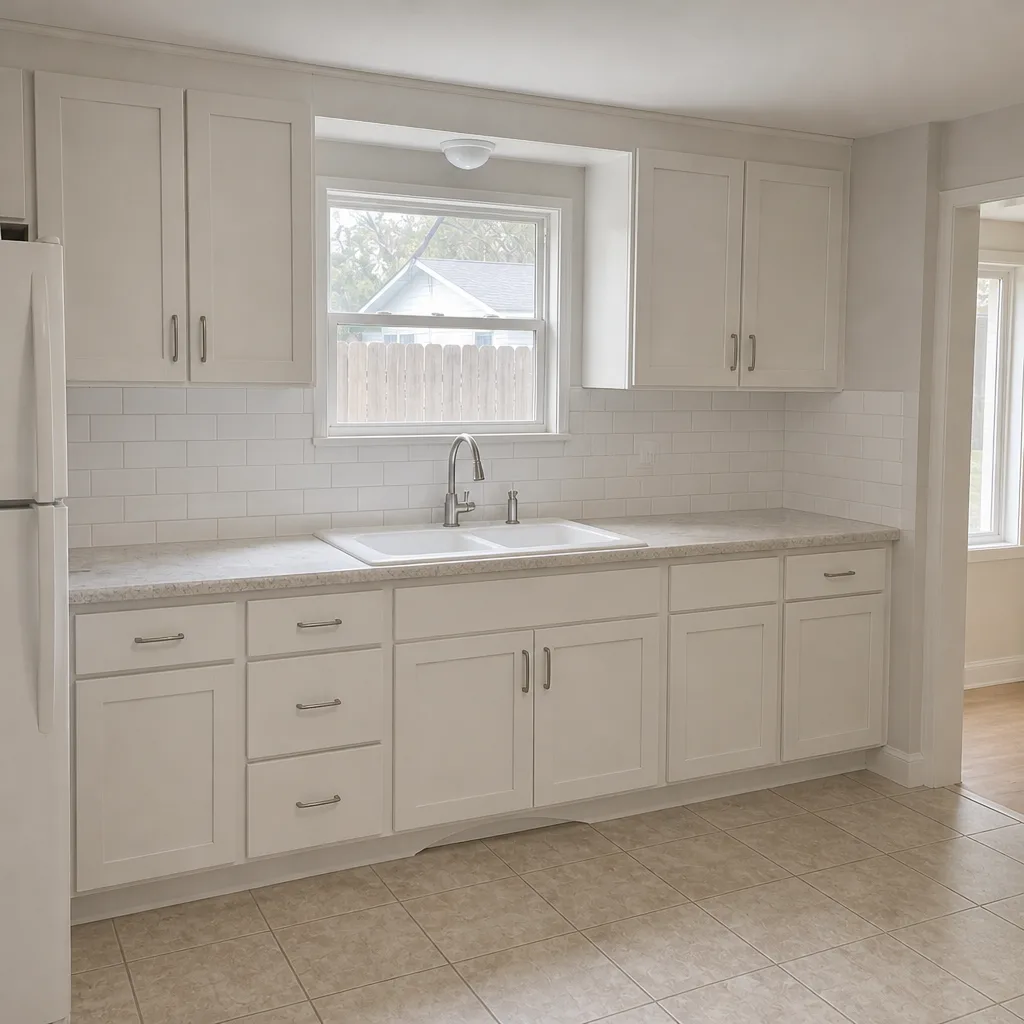
See the difference
 Before
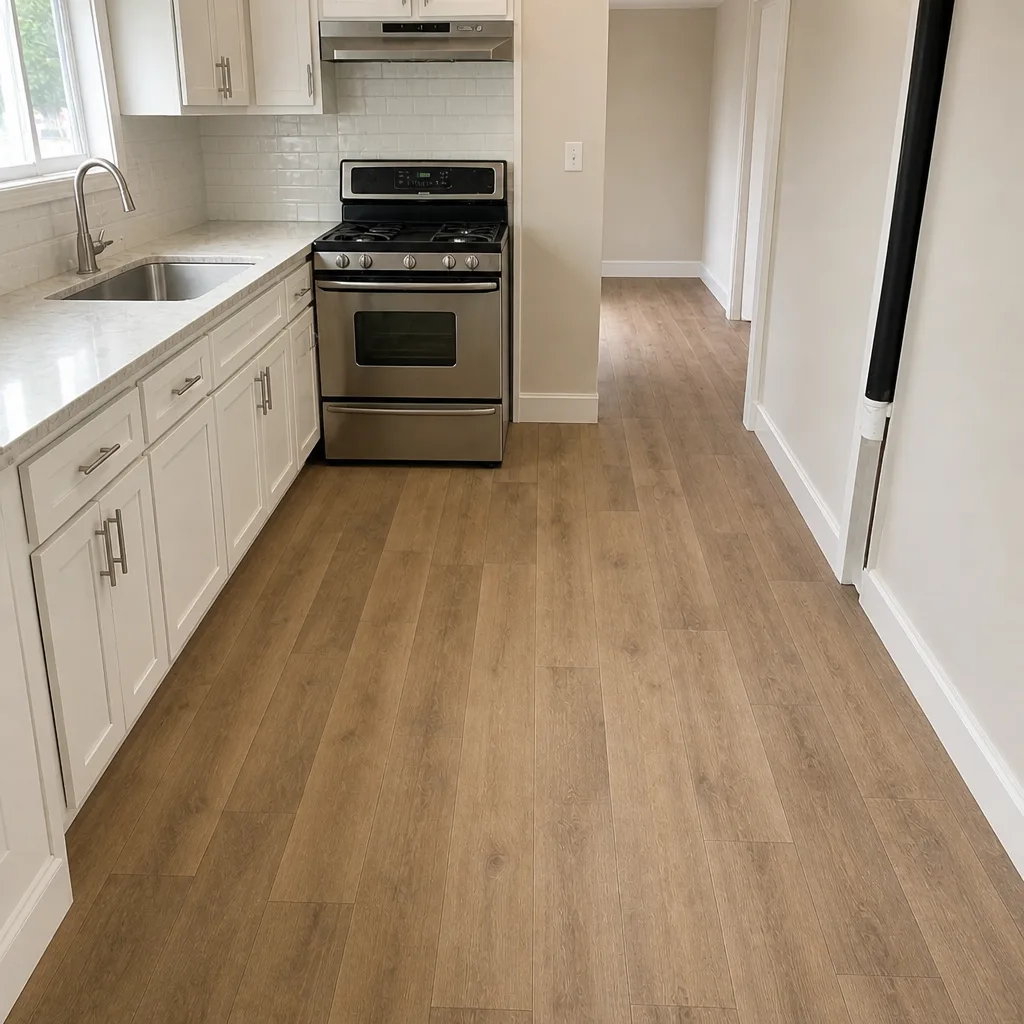 After
 Before
 After
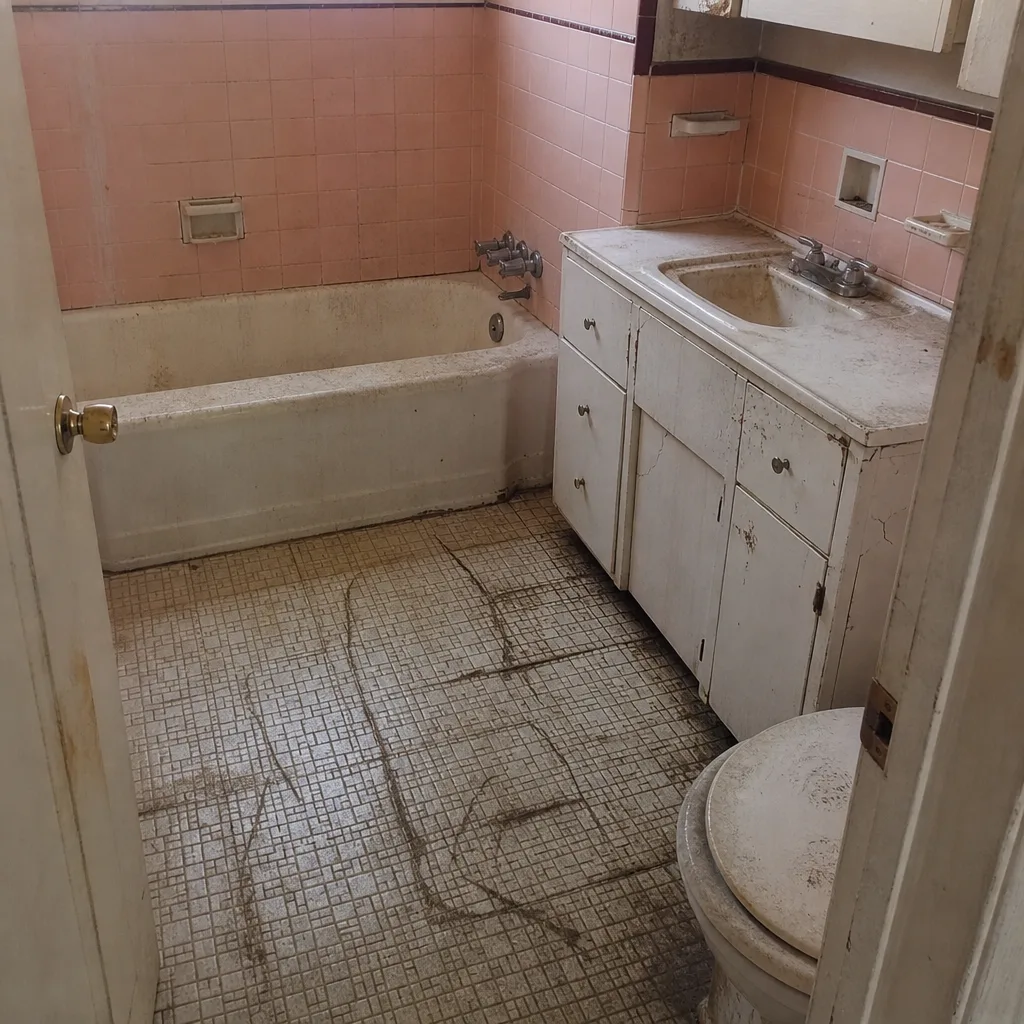 Before
 After
When to Call a Professional
Call a professional when the work touches structure, plumbing, electrical, gas, or anything a buyer’s inspector will ask about at resale. In practice that means: any wall opening work, any panel upgrade or new circuit, any plumbing relocation, any bathroom or kitchen layout change, any roof or high-window work, and any project that will show up in a permit record. Also call a professional if you’ve already taken on a job and found unexpected conditions – galvanized pipe, knob-and-tube wiring, water damage – because opening those up further without a licensed plan is how a small job becomes an expensive one. Penhallow Remodeling Pomona offers free estimates in Pomona – call (833) 620-5046 to schedule one. We’ll walk your project, tell you which parts need a permit, and write a scope with a written price before any work starts.
Frequently Asked Questions
Only if the work is genuinely cosmetic and doesn’t touch structure, plumbing, electrical, or gas. Painting, cabinet hardware, like-for-like fixture swaps, and non-load-bearing drywall demo typically don’t require a permit. Anything that changes the layout or opens up a wall to mechanicals does. The safe rule: if you’re not sure, call the City of Pomona building department and ask. A permit is cheap. A teardown at resale is not. For a project where the answer matters, call (833) 620-5046 for a free estimate and a written scope that clarifies what needs a permit and what doesn’t.
A hybrid Pomona kitchen remodel – licensed contractor handles permits, rough plumbing, rough electrical, and cabinet installation; homeowner handles painting, backsplash, and trim – typically runs $18,000-$38,000 depending on cabinet line and whether the layout stays put. A full-remodel including countertops and cabinet installation by the contractor runs $32,000-$55,000. The hybrid approach saves $4,000-$9,000 in labor, mostly on finishes. Call (833) 620-5046 for a written scope that breaks the numbers down line by line.
Not if the scope is written correctly. A properly written scope protects both sides – the contractor prices known conditions, the homeowner knows exactly what’s included, and the number on day one is the number on the invoice. The exception is genuinely unexpected conditions (hidden galvanized pipe, water damage, structural issues) that no one could reasonably have seen at estimate time. A licensed contractor will show you the problem, price the change in writing, and give you the chance to approve or decline before proceeding. Our 365-Day Done Right Promise backs the work in writing – if something fails inside the guarantee period, we come back and fix it at no charge. Call (833) 620-5046 for a written estimate before any work starts.
Often, yes. A like-for-like swap where the sink and faucet stay in the same spot typically doesn’t require a permit, but moving the plumbing – even a foot – does. So does adding a new drain, moving the water supply, or adding a vent. The tricky part is that “same spot” for a new vanity isn’t always what it looks like; older homes often have plumbing that shifted over the years. Call (833) 620-5046 for a free estimate – we’ll tell you exactly what triggers a permit on your specific vanity swap.
At best, the buyer’s inspector notes it and the buyer negotiates a price reduction. At worst, the buyer requires the work to be torn out and redone to permitted specifications before close – which means paying for the project twice, under time pressure, at the exact moment you’re trying to close a sale. Pomona’s older housing stock means inspectors look closely, so unpermitted additions get caught. The right move is to do the work properly the first time, which means a licensed contractor and a pulled permit for anything permit-level. Call (833) 620-5046 for a free estimate if you’re trying to close out existing unpermitted work.
Californians can do some electrical work on their own residence without a contractor’s license, but permit and inspection requirements still apply, and most electrical panel, circuit, and gas work falls on the permit side. Beyond the legal question, unpermitted electrical work carries two real risks: it may not be covered by your homeowner’s insurance, and it’s the first thing a buyer’s inspector flags at resale. We’ve seen Pomona homeowners get a $4,000 rework bill at sale time from what started as a $600 DIY outlet addition. For anything beyond a like-for-like fixture swap, call the licensed trade – it’s cheaper than the fix. Call (833) 620-5046 to schedule a free estimate if you need a licensed read on your project.
The Bottom Line

The DIY vs professional home remodeling question is really about permit exposure and resale liability. Safe DIY is cosmetic, low-consequence, and forgiving: painting, cabinet hardware, non-load-bearing drywall demo, trim, modest backsplash. Risky DIY is anything that touches structure, plumbing, electrical, gas, or layout – not because you can’t do it, but because the permit record and the buyer’s inspector will catch it at the worst moment. The hybrid approach – licensed contractor for permits and rough-in, DIY for finishes – is the smart middle path. Whatever you choose, get it in writing. A written scope, a written price, and a license record on file protect you at resale in a way a verbal estimate never will. That’s the whole answer in one line: protect the resale value first, do the fun work second.
If you’re in Pomona and weighing a project, we’re glad to walk it with you. Penhallow Remodeling Pomona combines up-front written pricing with The Kingswell Way – say the price before the work, show up in the window we gave, leave the place cleaner than we found it. Materials come from recognized trade brands like Kohler, Moen, and James Hardie, and every project carries the 365-Day Done Right Promise in writing. Technicians are background-checked and uniformed, and a live person answers the phone any hour. Call (833) 620-5046 for a free estimate – we’ll help you sort the safe DIY from the permit-required work before anything starts. To learn more about how we work, start at our Penhallow Remodeling Pomona home.
Written by the team at Penhallow Remodeling Pomona.