Last updated November 18, 2026








Free written scope consultation - allowances, timeline, and change-order rules on paper before a single trade is scheduled
General Contractor Maintenance Checklist for Pomona Homeowners
Pomona sits on some of the most expansive clay soil in Los Angeles County – the kind that swells in winter rain and shrinks in summer heat, quietly cracking foundations and door frames while homeowners assume it’s just “settling.” That movement is the single biggest reason the generic maintenance checklists floating around the internet don’t fit this city. They’re written for coastal fog and mild winters, not for Inland Empire summers that push past 100°F and Santa Ana winds that strip exterior caulk bare. What follows is a contractor’s to-do list built for Pomona’s actual soil, heat cycles and housing stock – the tasks that genuinely prevent expensive repairs, what each one costs, and which ones you should never attempt alone. Keep this somewhere you’ll actually find it.
Quick Answer
For Pomona homeowners, the highest-priority maintenance is seasonal soil-movement inspection, pre-summer HVAC and attic ventilation servicing, and Santa Ana wind prep on roof fasteners, eave vents and exterior caulk. Budget roughly $1,200-$2,800 per year for a well-kept single-family home, and treat any stair-step foundation cracking, sticking doors or cracked exterior caulk as a signal to call a licensed professional rather than patch over it.
Styles & brands we work with
- Kitchen remodeling
- Bathroom remodeling
- Home additions & ADU
- Roofing
- Windows & doors
- Driveway & pavers
- Fence
Table of Contents
- Why Pomona’s Clay Soil Changes Everything
- Reading Your Foundation: What’s Normal and What Isn’t
- HVAC and Attic Ventilation for Inland Empire Heat
- Santa Ana Wind Prep: Roof, Vents and Caulk
- The Seasonal Maintenance Calendar
- What a Written Guarantee Actually Requires of You
- What Each Task Costs in Pomona
- Tasks You Should Never DIY
Why Pomona’s Clay Soil Changes Everything
Most of Pomona’s older residential lots – especially the tracts west of Garey Avenue and the neighborhoods around Lincoln and Phillips Ranch – sit on expansive clay. This soil can change volume by 5-10% as moisture moves in and out. Multiply that across the footprint of a 1,400-square-foot house and you’re looking at measurable movement every single year. That movement is what cracks foundations, jams windows and warps door frames.
The fix isn’t to stop it – you can’t – but to manage the water on which it rides. The goal is consistent soil moisture, not wet soil and not dry soil. Inconsistent moisture is where the damage comes from.
What that means in practice:
- Grade water away from the house. Soil should slope down and away from the foundation at roughly a 6-inch drop over the first 10 feet. If your yard pools near the slab after a rain, that’s a foundation concern, not a landscaping one.
- Keep gutter downspouts discharging at least 4 feet from the foundation. On older Pomona homes with short downspout extensions, this alone can prevent a lot of grief.
- Watch tree placement. A mature ficus or eucalyptus planted within 10 feet of a foundation will draw moisture out of the clay seasonally and can move a slab. We’ve seen this across Pomona more than any other single cause.
- Water evenly through dry months. A slow, deep soak once a week near the foundation line beats a daily sprinkle that only wets the top inch.
This is also why our General Contractor in Pomona work starts with a close look at the slab and framing before any cosmetic scope is priced. If the foundation is moving, a new bathroom floor will just crack again.
Reading Your Foundation: What’s Normal and What Isn’t
Some cracking is normal. Hairline cracks in stucco, narrow cracks in a driveway slab, and a small gap in drywall at a corner aren’t emergencies. What isn’t normal: stair-step cracks in brick or block, cracks wider than a credit card edge, doors that stick only in certain seasons, or a floor that feels noticeably sloped.
Here’s how a contractor actually walks a foundation:
- Walk the perimeter. Look for separating stucco, cracks running diagonally from window corners, and any visible gap where the wall meets the slab.
- Check inside doors. Open and close every interior door. A door that sticks in winter and swings free in summer is telling you the frame is moving.
- Look at the slab. Step into the garage and look at the concrete. Long cracks that run parallel to a wall, or a visible gap at the base of the wall, warrant a closer look.
- Check the trim. Baseboard that has pulled away from the wall, or crown molding that has opened up in one room, points to localized movement.
- Look up. Diagonal cracks near ceiling corners in a single room often indicate a settling issue above the framing.
If any of those signals show up, don’t caulk over them. A licensed professional should evaluate the cause and, if needed, recommend a foundation specialist. Caulking a moving crack only hides the symptom.
HVAC and Attic Ventilation for Inland Empire Heat
An HVAC system that coasts through a coastal California summer will struggle in Pomona when the temperature holds above 100°F for a week straight. In our experience, the biggest failures we see aren’t compressor failures – they’re airflow failures. A clogged filter, a blocked return, or an attic running 150°F because the ridge vent is undersized will burn out a compressor long before its time.
Maintenance tasks specific to Pomona’s heat:
- Change the filter every 60-90 days during cooling season, not every six months. Dust loads here are higher than coastal comparisons.
- Check the condenser coil each spring. Cottonwood fluff and dust coat the outdoor coil faster here. A garden hose rinse (power off) once a year makes a measurable efficiency difference.
- Verify attic ventilation. A modern Pomona attic needs roughly 1 square foot of net free ventilation per 150 square feet of attic floor if there’s no vapor barrier. Many older homes are significantly undersized.
- Check attic insulation depth. Inland Empire homes should have R-38 to R-49 in the attic floor. Many Pomona homes built before 1980 have R-11 or less.
- Have the system serviced annually. A cleaning and refrigerant check in April beats an emergency call in August.
- Seal ductwork in the attic. Attic ducts lose a shocking amount of cool air to the 140°F attic around them. Foil tape and mastic on accessible joints is cheap insurance.
If you’re planning a remodel that touches ducts or HVAC, coordinate it with the trades early. Our Kitchen Remodeling in Pomona projects routinely fold a duct re-route into the scope rather than opening a ceiling twice.
Santa Ana Wind Prep: Roof, Vents and Caulk
Santa Ana winds can hit 60 mph in the Pomona Valley, and they arrive dry. That combination – high wind and single-digit humidity – drives moisture out of exterior caulk, roof fasteners and trim in a way coastal specs simply don’t account for. Sealant that lasts a decade near the beach may fail in three years here.
A wind-prep checklist before the fall season:
- Walk the roof edge. From a ladder, check that ridge cap shingles are seated and that no fasteners are backing out. Never walk a roof above a single story without proper fall protection – call a pro.
- Inspect eave and soffit vents. Loose or cracked vent screens will let debris and pests in. Re-secure loose vents; replace torn screens with new ones rated for wind exposure.
- Re-caulk dried-out joints. Look at caulk around windows, doors, and penetrations (hose bibs, dryer vents). If the caulk peels cleanly off when you press a fingernail to it, it’s failed.
- Check fence posts and gates. A fence that wobbles in mild wind will fall in a Santa Ana. Re-set loose posts with concrete before the season.
- Trim overhanging limbs. Any palm frond or eucalyptus branch close enough to strike the roof during a wind event should be trimmed by a licensed tree service.
- Secure loose patio items. Sounds obvious until you watch a patio cover lift in a gust. Check the anchors on shade structures and pergolas.
If a wind event does tear up roofing or siding, don’t ignore small penetrations. A quarter-inch hole in a shingle is a leak waiting for the next rain. Our Penhallow Remodeling Pomona home page lists the exterior repair work we handle through the guarantee.
The Seasonal Maintenance Calendar
The cleanest way to run maintenance is to break it into four windows per year. This calendar is built around Pomona’s actual seasons, not the generic spring-fall cycle national sites recommend.
Spring (March-May)
- Service HVAC before first heat wave
- Clear roof debris; check flashing around chimneys and skylights
- Re-caulk any joints that failed over winter
- Inspect the foundation for new cracks after the rainy season
- Reseed or re-grade soil that settled near the foundation
Summer (June-August)
- Change HVAC filter monthly during peak heat
- Water foundation line consistently – deep soak weekly
- Check attic ventilation and insulation depth during the hottest stretch
- Look for heat-stress cracking in stucco
Fall (September-November)
- Full Santa Ana wind prep (roof, vents, caulk, fences) before the first wind event
- Clean gutters before the rainy season
- Service the furnace before first cold snap
- Re-grade soil and re-check downspout discharge distances
Winter (December-February)
- Watch for pooling water and drainage issues
- Re-check doors and windows for seasonal movement
- Check for water intrusion after the first heavy rain
- Test sump pump if your lot has one
Keep it on the fridge. A homeowner who runs these four windows is far less likely to call us for emergency repair work in July or January.
What a Written Guarantee Actually Requires of You
A written guarantee is a two-way contract. What most homeowners don’t realize is that skipping the maintenance tasks above can void coverage on the specific component that failed. That’s not fine print trickery – it’s basic. A guarantee that covers “water intrusion at the stucco” can’t reasonably survive a homeowner who never re-caulked the stucco for eight years.
Here’s what a written guarantee in Pomona typically requires you to do:
- Keep a maintenance record. A simple folder with HVAC service receipts, caulk dates and yearly inspection notes is enough. If we’re called out on a failure, being able to show the maintenance history is what lets us stand behind the work.
- Report issues early. A guarantee covering a failing repair usually expects you to report the failure within the window – not wait years and hope it stays quiet.
- Don’t modify or patch the work. A homeowner who caulks over a failing joint before calling voids the fix on that joint. The review has to happen before the second layer goes on.
- Follow the manufacturer’s care requirements. If we install Cambria quartz countertops, the material carries its own care requirements. Same with Toto fixtures or Schluter shower systems. The manufacturer’s warranty and the contractor’s guarantee sit alongside each other.
- Provide access. A guarantee that says we’ll return to address a failure also needs you to let us in within a reasonable window.
That’s why our 365-Day Done Right Promise is written on the project itself – not verbally described. When a repair fails inside the guarantee period, we come back and fix it at no charge, and the return visit doesn’t carry a service call fee. You can read the terms on every written estimate.
What Each Task Costs in Pomona
Maintenance costs here track higher than the national average for HVAC and roof work (Inland Empire labor and permit costs) but below coastal markets for exterior trades. Here’s what we see on actual invoices around Pomona:
- HVAC service call and tune-up: $120-$220 per system per year
- Duct sealing (accessible joints): $350-$700
- Attic insulation top-up (R-11 to R-38): $1,800-$3,800 for a typical 1,500-square-foot attic
- Roof inspection by licensed roofer: $150-$350 (often credited toward any repair)
- Re-caulking windows and doors: $400-$900 for a full exterior perimeter
- Gutter cleaning: $150-$350 for a single-story home
- Foundation evaluation (crack, settlement concern): $200-$500 for an engineer’s site visit
- Fence post re-set: $80-$150 per post if a handyman does it; more if concrete work is required
- Caulking and paint touch-up on stucco: $300-$700 per elevation
That puts a realistic annual maintenance budget for a Pomona single-family home in the range of $1,200-$2,800, with a foundation evaluation (if ever needed) on top of that. That number is a fraction of a single deferred-maintenance repair – a re-stucco job alone runs $8,000-$15,000 in this market, and a foundation repair above $25,000 is not unheard of.
Call (833) 620-5046 if you want a free written estimate on any of the repair-side items – estimates are free and pulled-from-permit where required.
Tasks You Should Never DIY
Some of the tasks on this list look simple. Some of them aren’t just simple – some of them carry real risk. Here’s our honest short list of what to leave to a licensed professional:
- Walking any roof above single-story height. A fall from a single-story roof sends thousands of people to the ER every year. Above that height, fall protection is required to do the job safely.
- Evaluating a foundation crack yourself. You can spot the crack. You can’t reliably diagnose whether it’s cosmetic or structural without a professional’s eye.
- Any electrical work beyond swapping a light bulb. We’ve seen enough DIY panel work in Pomona homes to know the risk isn’t worth saving $200. A licensed electrician is the only safe route here.
- Roofing repairs beyond replacing a loose shingle. Flashing work, roof penetrations and ridge cap repairs all affect weather-tightness and typically require permits.
- Gas appliance service. Furnace or water heater work involving the gas line is a licensed-plumber job – not a homeowner one.
- HVAC refrigerant work. It’s regulated, it requires EPA certification, and it’s genuinely dangerous if handled wrong.
We’d rather you call us and we hand the work off to a specialist than hear about a homeowner who got hurt saving money. This is also a place where a written 365-Day Done Right Promise has real value – we take the liability off your hands.
Common Mistakes to Avoid
- Caulking over a moving foundation crack. Caulk goes over a stable crack. A moving crack needs to be evaluated before it’s covered – otherwise you lose the visual evidence a contractor needs. We see this on Pomona re-stucco jobs more than any other mistake.
- Running a coastal maintenance calendar. Skipping summer HVAC service because “the unit worked fine last year” is the single biggest cause of dead compressors in August. Inland Empire summers are not mild.
- Assuming all door-sticking is normal settling. A door that only sticks in winter is probably seasonal movement. A door that sticks year-round and worse in summer is often a foundation concern.
- Ignoring dried caulk before Santa Ana season. A dry caulk joint looks fine from the ground and fails on the first 50 mph gust. Run your fingers along the exterior caulk line each fall.
- Letting trees grow close to the house. A ficus within 10 feet of a Pomona foundation is a dozen-year problem you won’t see for a decade. Plant and prune with the clay soil in mind.
- Not keeping the maintenance file. Many guarantees – ours included – expect evidence of routine care when a failure is reported. A folder of receipts is cheaper than a denied claim.
- Hiring a general contractor for a task that needs a specialist. A general contractor handles the remodel side; foundation engineering, HVAC refrigerant and licensed electrical work all belong to a licensed specialist. A good contractor will say so up front rather than take work outside their scope.
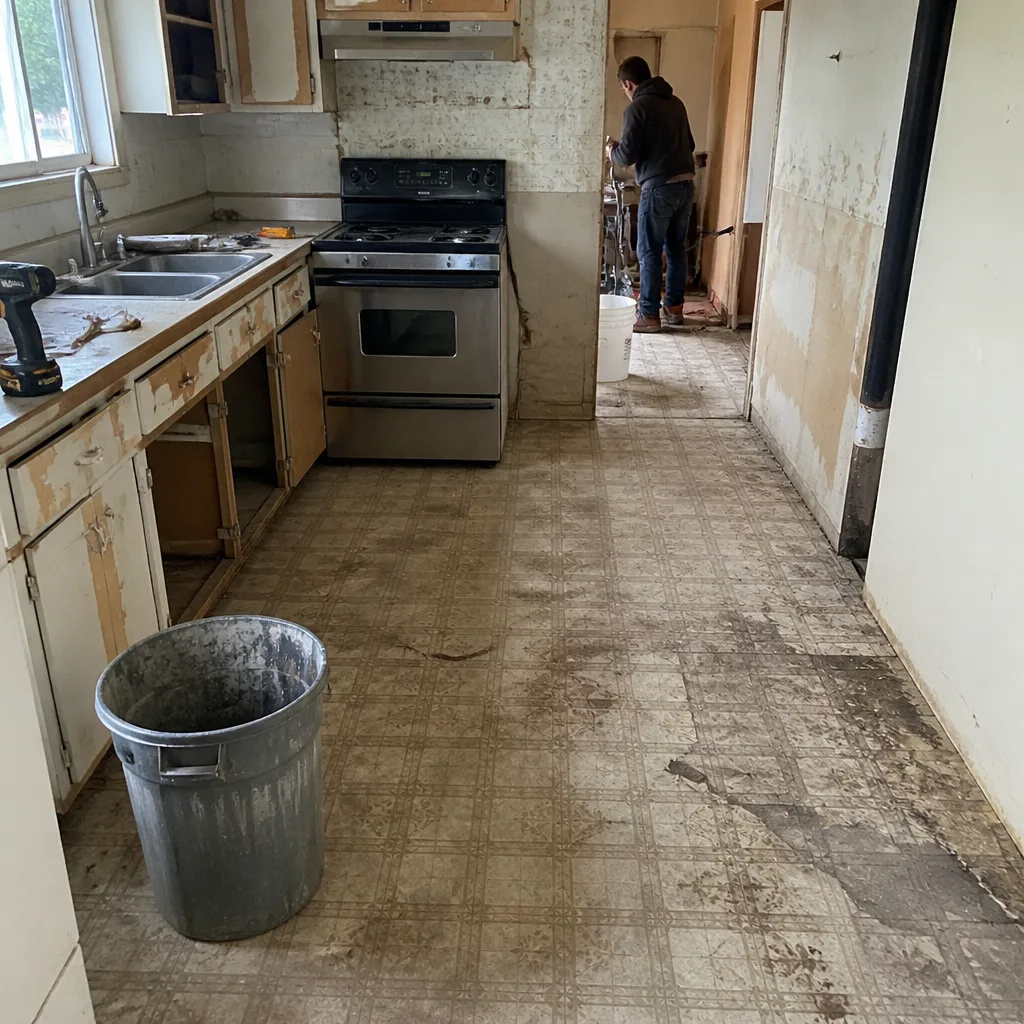
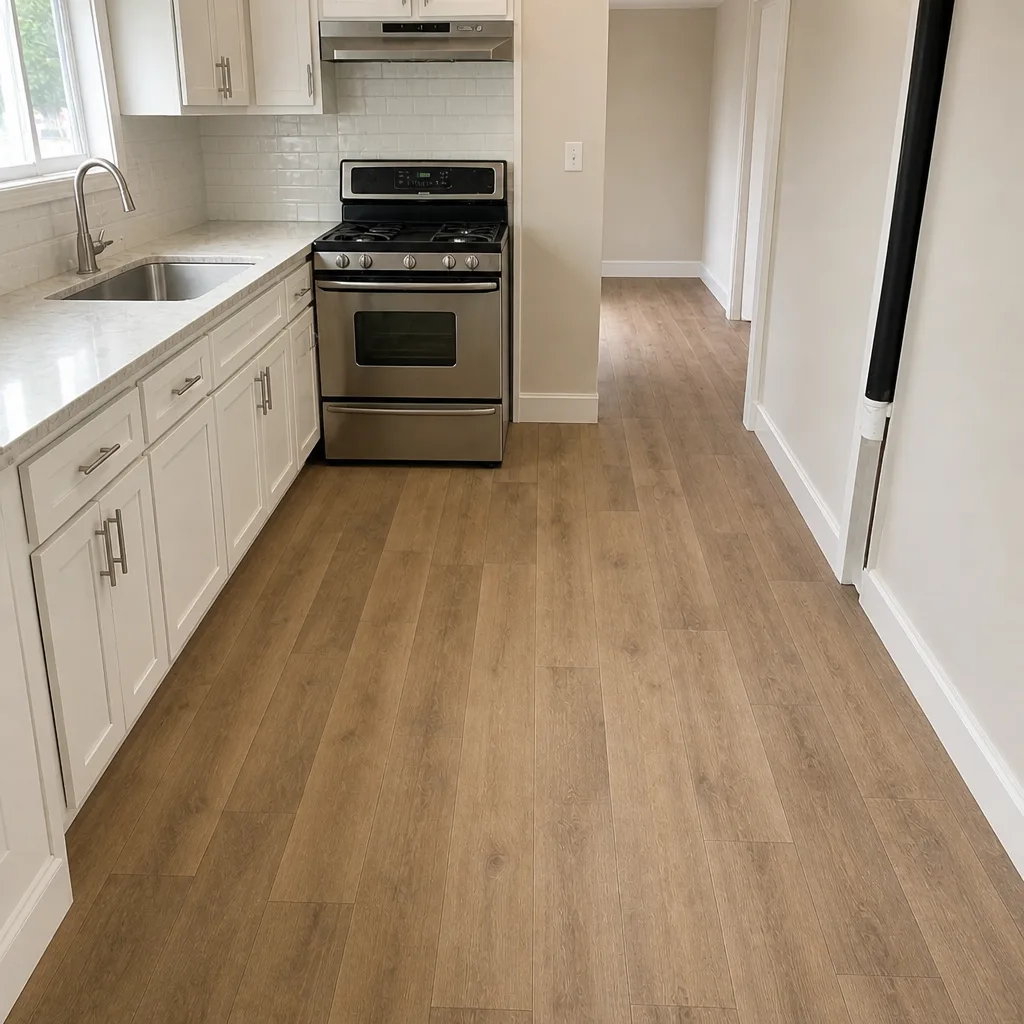
See the difference
 Before
 After
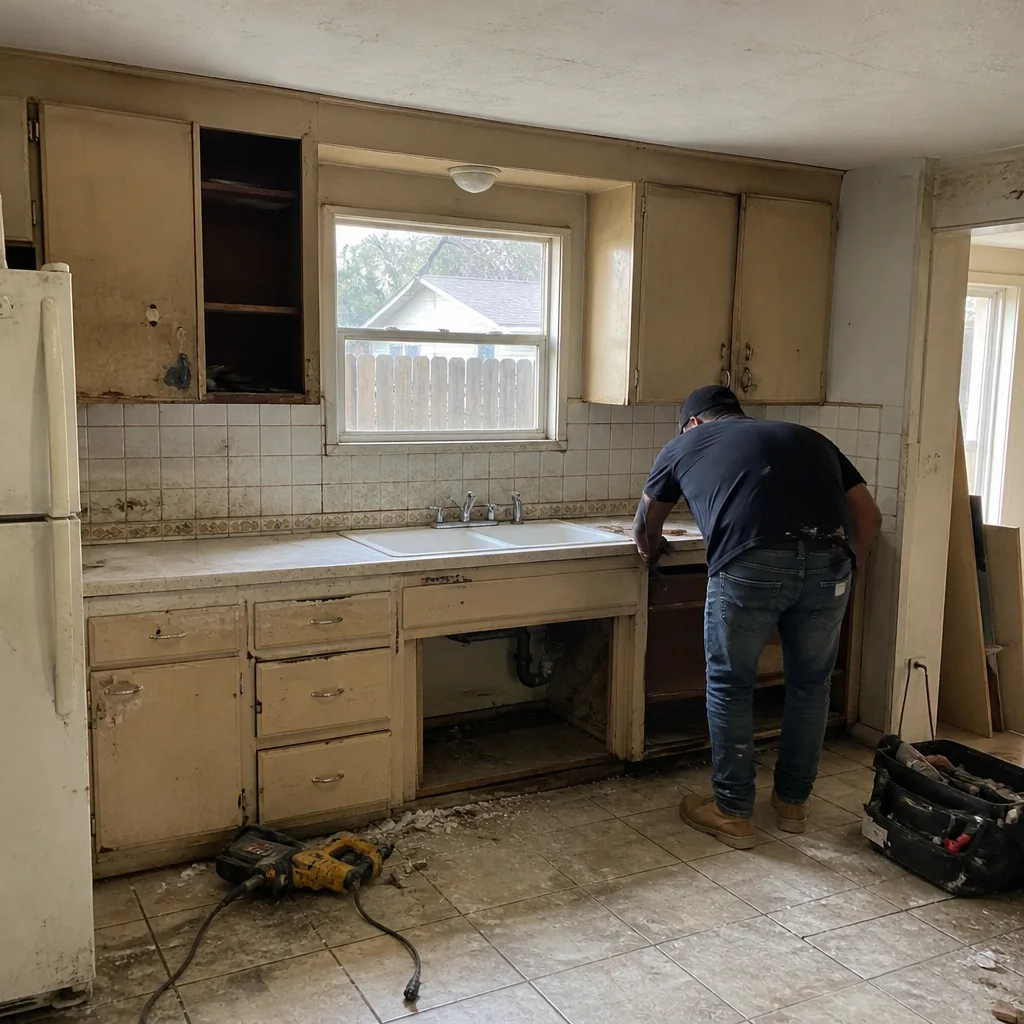 Before
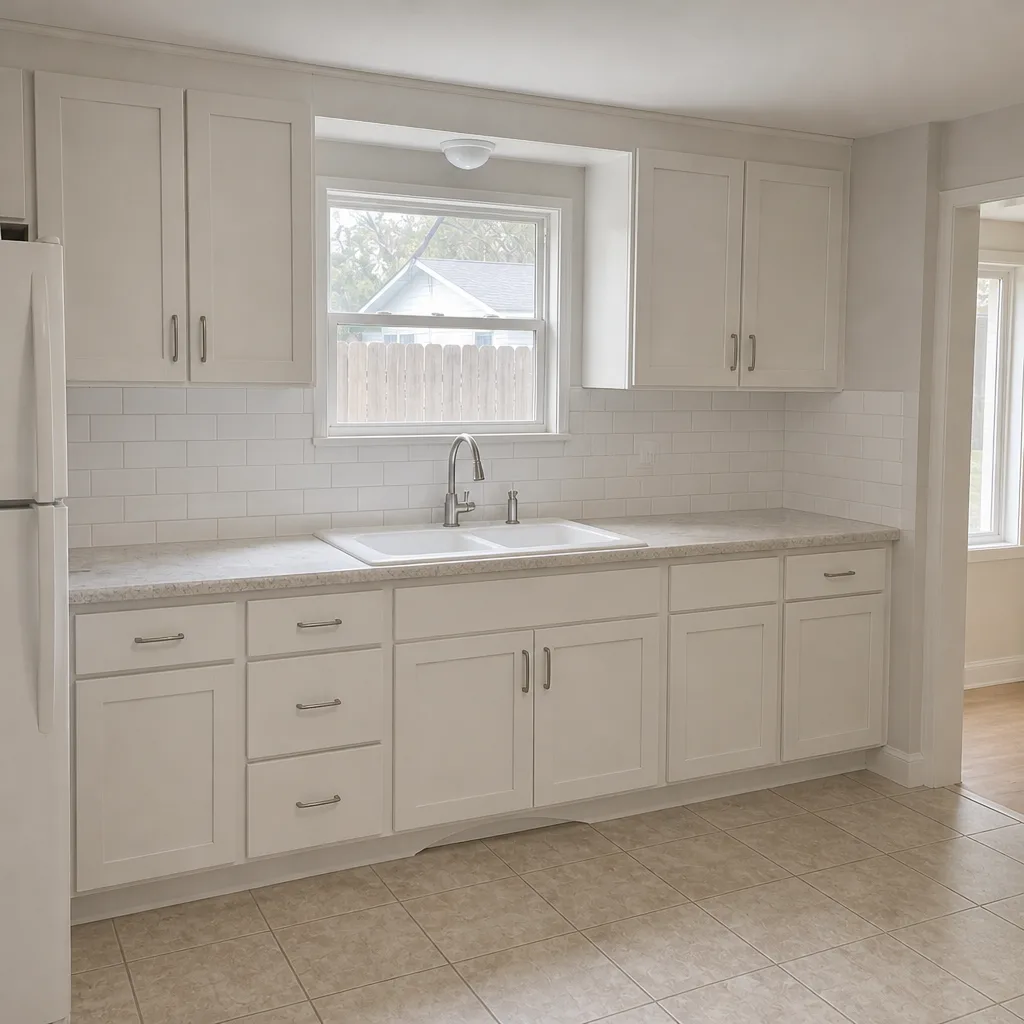 After
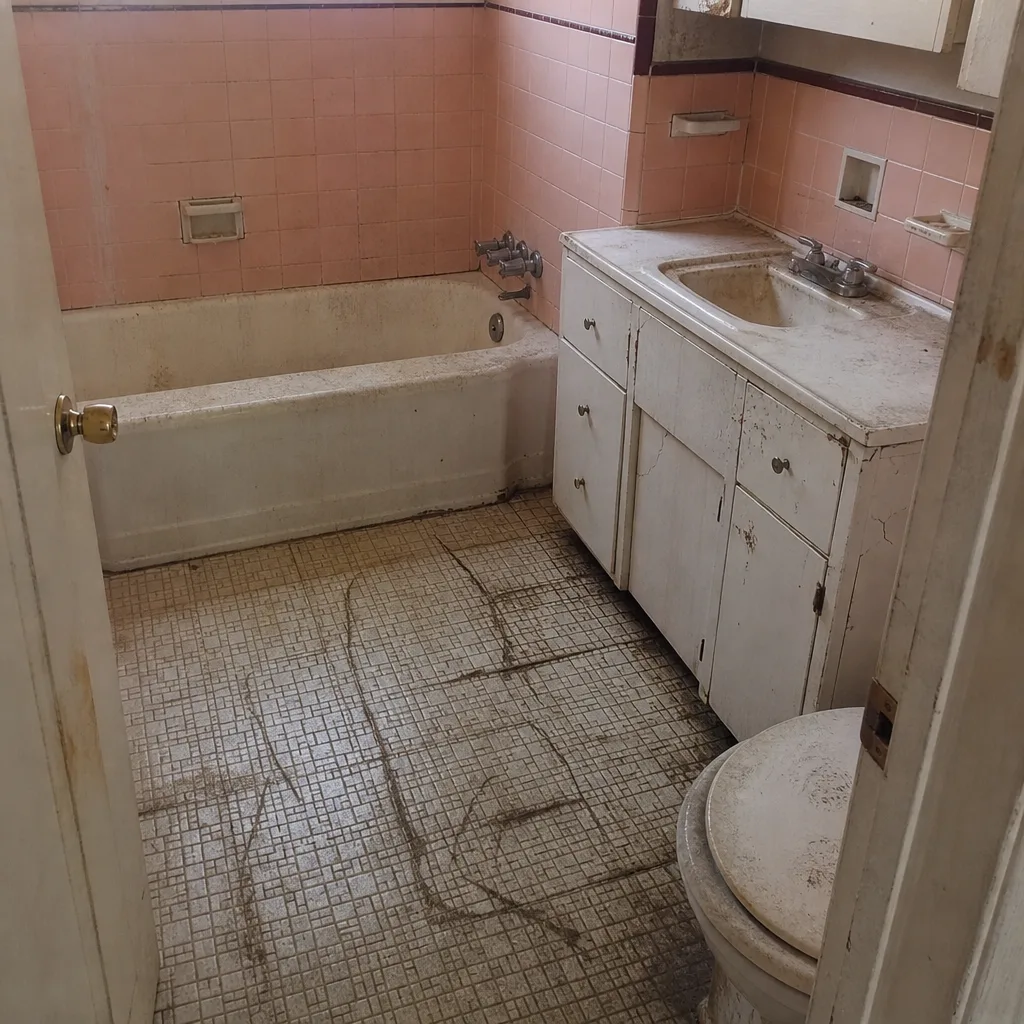 Before
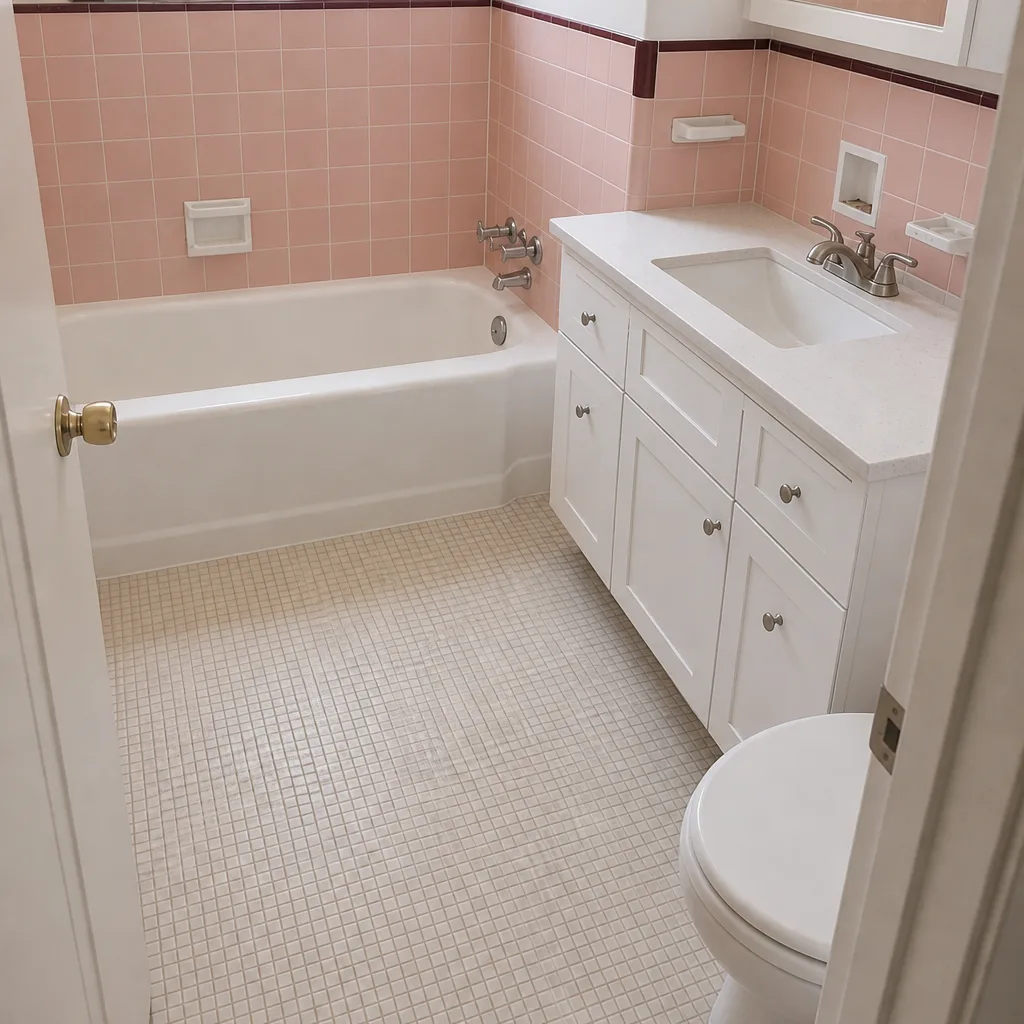 After
When to Call a Professional
Call a professional if you see stair-step foundation cracking, doors that stick seasonally with visible frame gaps, any roof penetration that could leak, dried-out exterior caulk before Santa Ana season, or an HVAC system that hasn’t been serviced in 12 months. If you’re planning to remodel in the next year – especially a bathroom or kitchen that will touch plumbing or electrical – have the maintenance done first. Projects that start with deferred maintenance always cost more, because opening a wall uncovers everything at once.
Penhallow Remodeling Pomona offers free estimates in Pomona – call (833) 620-5046 to schedule yours. A live person answers 24/7, and every estimate includes a written price up front, along with a written 365-Day Done Right Promise on the work. Background-checked, uniformed technicians arrive on every job.
Frequently Asked Questions

Plan on $1,200-$2,800 per year for a single-family Pomona home, depending on HVAC age, roof condition and whether the property has mature trees. That budget covers routine service, seasonal inspections and re-caulking – it doesn’t include one-off repairs. A foundation evaluation, if ever needed, is a separate $200-$500 line item. Call (833) 620-5046 for a written estimate on any repair-side work – estimates are free.
Yes – much of Pomona sits on expansive clay soil that changes volume significantly with moisture. Coastal areas like Long Beach or Santa Monica have different soil profiles and milder temperature swings. The combination here means foundations need more attention to drainage and moisture consistency than a home in coastal LA would.
Undersized attic ventilation. Many Pomona attics run 30°F to 40°F hotter than the outdoor air in July because the ventilation system was sized for a milder climate. The HVAC system then works harder, wears out faster, and pulls in more dust. Getting a spring tune-up and checking attic venting is the highest-value maintenance item we recommend.
Often, yes. A 365-Day Done Right Promise covers the work – not the entire house – and it expects the homeowner to keep up routine maintenance on the specific component we worked on. If a caulk joint we installed fails because the homeowner re-painted over it, that’s not a work failure. Keep service receipts and photos, and report any issue in the covered window rather than waiting.
Routine maintenance like caulking, HVAC service and gutter cleaning doesn’t require permits. Repairs that affect structure, roofing, electrical or plumbing typically do – and the city of Pomona requires permits for those. A licensed general contractor pulls the permit as part of the job; a handyman doing unpermitted work leaves you holding the liability. Call (833) 620-5046 if you’re not sure whether a repair crosses the permit line – we’ll tell you straight.
Once a year, ideally in early fall before Santa Ana season. High wind events and dry air are the two biggest stressors on a Pomona roof, and a fall inspection catches fastener backout and dry caulk while the weather is still on your side. Roofs older than 15 years should get a professional look every season.
The Bottom Line
Pomona’s maintenance needs aren’t exotic – they’re just different from the national average. Expansive clay soil means water management matters more than cosmetic upkeep. Inland Empire heat means HVAC and attic ventilation need attention that coastal checklists don’t call for. Santa Ana winds mean exterior caulk and roof fasteners fail earlier than you’d expect. Run the four seasonal windows above, keep a simple maintenance file, and treat anything that looks like foundation movement as a call-a-professional moment, not a patch-and-pray one. Budget $1,200-$2,800 a year and you’ll spend far less than the deferred-maintenance repair that costs five figures. Our Bathroom Remodeling in Pomona projects often surface the biggest deferred issues at the start – which is the right time to find them.
Call (833) 620-5046 for a free written estimate or a no-pressure conversation about what your home actually needs.
Written by the team at Penhallow Remodeling Pomona.