
Last updated November 18, 2026








Free written scope consultation - allowances, timeline, and change-order rules on paper before a single trade is scheduled
General Contractor Maintenance Schedule: What to Do and When
Most one-year workmanship warranties expire quietly, and they expire because nobody looked. The caulk joints, grout lines, and exterior penetrations that a contractor hands off as “owner-maintained” in the fine print are exactly where water gets in and where the warranty quietly stops covering you. A finished remodel doesn’t stay finished on its own. It starts aging the day we hand you the keys. This guide lays out a maintenance schedule built for Pomona homes specifically: what to check, when to check it, and how to prove you did. You’ll get a 30-60-90 day inspection plan, a seasonal calendar tuned to Pomona’s dry summers and winter rain, and the small failures that quietly become big ones.
Quick Answer
After a remodel, inspect new caulk, grout, tile, and exterior penetrations at 30, 60, and 90 days, then move to a seasonal schedule: spring and fall for caulk and drainage, summer for heat-related movement on tile and stucco, and after the first winter rain for water intrusion. Keep dated photos of every check. Most workmanship warranties cover installation defects but exclude owner-maintained items like caulk and grout, so the record you build is what wins a disputed claim.
Styles & brands we work with
- Kitchen remodeling
- Bathroom remodeling
- Home additions & ADU
- Roofing
- Windows & doors
- Driveway & pavers
- Fence
Table of Contents
- What Your Warranty Covers and What You Own
- The 30-60-90 Day Inspection Checklist
- Seasonal Tasks Specific to Pomona’s Climate
- How to Photograph and Log Maintenance for Warranty Proof
- Small Failures That Cascade Into Large Repairs
- The Pomona Remodel Maintenance Calendar
- Kitchen, Bath, and Whole-Home Systems: What Changes
- Common Mistakes to Avoid
What Your Warranty Covers and What You Own
The first thing to do after any remodel is read the warranty line by line and highlight the words “owner-maintained.” That phrase is where the coverage ends. In our experience, homeowners assume the whole finished room is covered for a year. In reality, a workmanship warranty covers how the work was installed – the tile set, the cabinet hung, the shower waterproofed – and it does not cover the materials that naturally wear or the maintenance tasks that keep them sealed. We’ve seen claims denied in Pomona over a dried caulk joint that let water behind a shower wall. The install was correct; the maintenance lapsed.
Here’s the plain-language split you can expect on most contracts, and on ours:
- Covered (workmanship): tile that debonds, a cabinet door that sags because the hinge was set wrong, a shower pan that leaks because the waterproofing failed, a window that leaks because it was flashed incorrectly.
- Owner-maintained: caulk joints at tubs, sinks, and backsplashes; grout lines; exterior sealant at penetrations; gutters and downspouts; drain cleaning; filter changes; paint touch-ups from wear.
- Product warranty (separate): the cabinet line, countertop material, and fixtures carry their own manufacturer warranties. Cambria quartz, for example, carries its own limited lifetime warranty alongside anything we offer.
The tell is in the wording. If a task is listed as “recommended” or “owner-maintained,” it means a claim for that failure will be denied. If it’s described as part of the installation – “waterproofing,” “flashing,” “setting” – it should be covered. Your Penhallow Remodeling Pomona home page lays out the guarantee terms in plain terms, and every project carries a written price before work starts plus a 365-Day Done Right Promise in writing. But even a written guarantee requires you to catch a problem before it becomes a structural one.
The 30-60-90 Day Inspection Checklist
The punch-list window – usually 30 to 90 days after completion – is when small defects are easiest and cheapest to fix, and when your leverage to have them fixed at no charge is strongest. Walk the new work at 30, 60, and 90 days and do the same checks each time. Numbers help: use a flashlight raking across surfaces, and check a shower after a real run of hot water.
- Day 30 – Caulk and grout. Press a finger along every caulk joint at tub, sink, and backsplash. Any gap, crack, or pull-away gets noted. Look for grout that has shrunk at corners.
- Day 30 – Doors and drawers. Open and close every cabinet and door slowly. Squeaks, binding, and doors that no longer sit flush signal settling or a hinge that needs adjusting.
- Day 30 – Water test. Run the shower for five minutes and watch the floor at the pan perimeter and the valve escutcheon for moisture. Run the kitchen faucet and check under the sink for a slow drip at the supply lines.
- Day 60 – Tile and movement. Tap tile with the handle of a screwdriver. A hollow sound means the tile has debonded, which is a workmanship issue. Check grout lines for new cracks as the room settles.
- Day 60 – Counters and seams. Run a finger along the countertop seam where it meets the wall and the backsplash. Any separation is a sealant touch-up, but catch it before water gets behind.
- Day 90 – Exterior and drainage. Walk the exterior at the walls of the new work. Check stucco for hairline cracking, window and door perimeters for sealant failure, and the ground slope or downspouts for water moving toward the foundation.
Write down what you find – a dated note is enough – and email it to your contractor. That email is your record. If you notice something failing at day 30, report it inside the window. Note that any punch-list item you catch is something we return to at no charge under our free-return-visit promise, but the clock runs from the day you report it, so report early.
Seasonal Tasks Specific to Pomona’s Climate
Pomona is hot and dry much of the year and gets winter rain, and that swing puts real stress on fresh work. In summer, exterior surfaces and tile expand in the heat and contract at night; you see it as hairline cracking in stucco and movement at tile edges. The Pomona Valley also gets Santa Ana wind events that push dust and grit against seals. All of this is normal movement, and the maintenance schedule is designed to catch it before it turns into damage.
What to watch, by season:
- Summer – tile and stucco. Expansion in hot months is when you’ll see new grout cracks at corners and hairline cracks in stucco. Check tile joints in sun-facing rooms and along exterior walls.
- Summer – caulk. Caulk dries and shrinks faster in low humidity. Re-caulk any joint that has pulled away at tub, sink, or shower before fall.
- Fall – prep for rain. Clear debris and check the slope of new patios, walkways, and drainage. Replace worn exterior sealant at windows, doors, and any where the new work meets old.
- Winter – drainage. After the first real rain, walk the perimeter. Watch for water pooling near the foundation, water staining at the base of stucco, and any roof-to-wall junction where the flashing was redone.
For patios, hardscape, and walkways, the paver and concrete side of a project deserves the same eye: a joint that opens lets water in, and Quikrete polymeric sand or fresh joint material is the fix before the next rain. If your remodel included an exterior step or walkway in Techo-Bloc or Cambridge Pavers, inspect those joints each fall.
How to Photograph and Log Maintenance for Warranty Proof
If a warranty claim is ever disputed, what wins is not the argument but the record: dated photos and notes showing you inspected and reported. Phone photos carry a date stamp and location by default. This is the single cheapest insurance a homeowner has after a remodel.
Here’s the system we recommend, and it takes about ten minutes per check:
- Set a recurring calendar reminder for the 30, 60, and 90 day walks, then a seasonal reminder twice a year.
- Shoot wide, then close. One wide photo of the room or area, then a close-up of the joint or seam you’re checking.
- Log each finding in a note or email with the date, the location, what you saw, and what you did (or reported).
- Send reports to your contractor by email – a paper trail beats a phone call that leaves no record.
- Keep the warranty document and product warranty cards in the same folder as your photo log.
When you call, name the item and the date. “The caulk at the primary bath tub pulled away on June 3, photo attached” is a documented report. “The bathroom’s leaking” is not. That distinction is the difference between a covered repair and an argument. Our team at General Contractor in Pomona keeps these records on every project, and a written guarantee means you have something to point to if a claim is disputed.
Small Failures That Cascade Into Large Repairs
A dried caulk joint looks trivial. Left past one season in Pomona, that 1/8-inch gap at a shower corner lets water behind the tile. The water reaches the cement board substrate (the moisture-resistant layer behind your tile) and eventually the framing. What would have been a $40 caulk job becomes a shower tear-out measured in thousands. This is the pattern we see most, and it’s why we list these five cascade points on every handoff.
- Dried caulk at a wet area. Water behind tile and substrate. Fix: re-caulk at the first gap, at most every 12 months in wet areas.
- Failed exterior sealant at a window or door. Water into the wall cavity. Fix: inspect and replace exterior sealant each fall before rain.
- Clogged gutters and downspouts. Water at the foundation, moving soil, and stucco staining. Fix: clear each fall and after heavy leaf drop.
- Opened grout or paver joints. Water into the substrate under tile or pavers and freeze/thaw-like movement in winter. Fix: re-grout and re-sand joints before the rainy season.
- A slow under-sink drip. Cabinet-base swelling and mild buildup. Fix: tighten or replace the supply line or fitting the week you spot the drip.
None of these need a contractor to prevent – they need a homeowner with a calendar and a tube of quality sealant. What they do need is the discipline to check before the damage, not after.
The Pomona Remodel Maintenance Calendar
Print this and put it where you’ll see it. The calendar assumes a recently completed kitchen, bath, or whole-home remodel, and it’s tuned for Pomona heat and winter rain.
- Spring (March-May): Inspect and re-caulk wet-area joints. Check grout lines and tile for movement. Clear gutters. Inspect exterior sealant before the dry season.
- Summer (June-August): Watch for hairline stucco cracks and new grout cracks from heat. Check exterior caulk for shrinking. Touch up paint at sun-exposed trim.
- Fall (September-November): Pre-rain walk: exterior sealant, drainage, downspouts, paver joints, and any new hardscape. This is the most important check of the year in Pomona.
- Winter (December-February): After the first rain, check for water intrusion at windows, doors, and the foundation perimeter. Re-check shower and sink caulk in the wet months.
Any single item on that list takes minutes. The cost of skipping one – water into a wall, a debonded tile running into a shower tear-out – is where the four-figure repair lives. That’s not a sales pitch; it’s just how a house behaves.
Kitchen, Bath, and Whole-Home Systems: What Changes
A kitchen remodel changes how your cabinets, counters, and plumbing meet every day. A cabinet door that sags in month two is usually a hinge that needs adjusting, and on a kraftMaid or Wellborn line, that’s a quick, covered fix. A counter seam that separates is a sealant issue. A faucet that drips at a Kohler or Moen valve is usually a cartridge, often covered under the fixture’s own warranty. These are the small, real things we see in Pomona kitchens within a year.
A bath remodel concentrates the risk, because water is always present. The shower pan, the valve, the tile perimeter, and the caulk are where a maintenance lapse can show up fast. For a bath, the 30-day and seasonal checks matter more than anywhere else in the house. Our Bathroom Remodeling in Pomona guide covers what a properly waterproofed bath includes, and why the caulk line is your job, not the tile’s.
A whole-home remodel touches the envelope – roof junctions, windows, siding, and exterior penetrations – and those are the spots where Pomona’s dry summers and winter rain meet. A stucco hairline crack from heat or a James Hardie siding joint that needs a sealant touch-up is exactly the kind of thing to catch before it becomes an interior repair. Think of maintenance as the last step in the project, not separate from it. For a full-scope project, our Kitchen Remodeling in Pomona page covers how we sequence the work so the handoff includes a written maintenance list – a habit that extends across everything we build.
Common Mistakes to Avoid
- Assuming the warranty covers caulk and grout. Those are almost always owner-maintained. Read the contract and highlight that phrase before you sign – and before you need it.
- Skipping the 30-day walk. Punch-list leverage fades fast. Report anything you see in the first 30 days and you have a clean record.
- Caulking over old, failing caulk. New sealant won’t bond to a surface that’s already pulling away. Strip and redo, don’t layer.
- Ignoring stucco cracks as “normal.” Hairline cracks from heat are usually fine, but a crack that keeps widening or takes on water is not. Photograph it and note whether it changes.
- Forgetting the pre-rain fall check. In Pomona, the highest-value hour of maintenance all year is the fall walk before winter rain.
- Relying on a verbal report. A phone call about a failing joint leaves no record. Email with a photo, or it didn’t happen for warranty purposes.
- Waiting for a slow drip to “become a problem.” By the time a cabinet base swells, the cheap fix was weeks ago. Deal with drips the week you notice them.
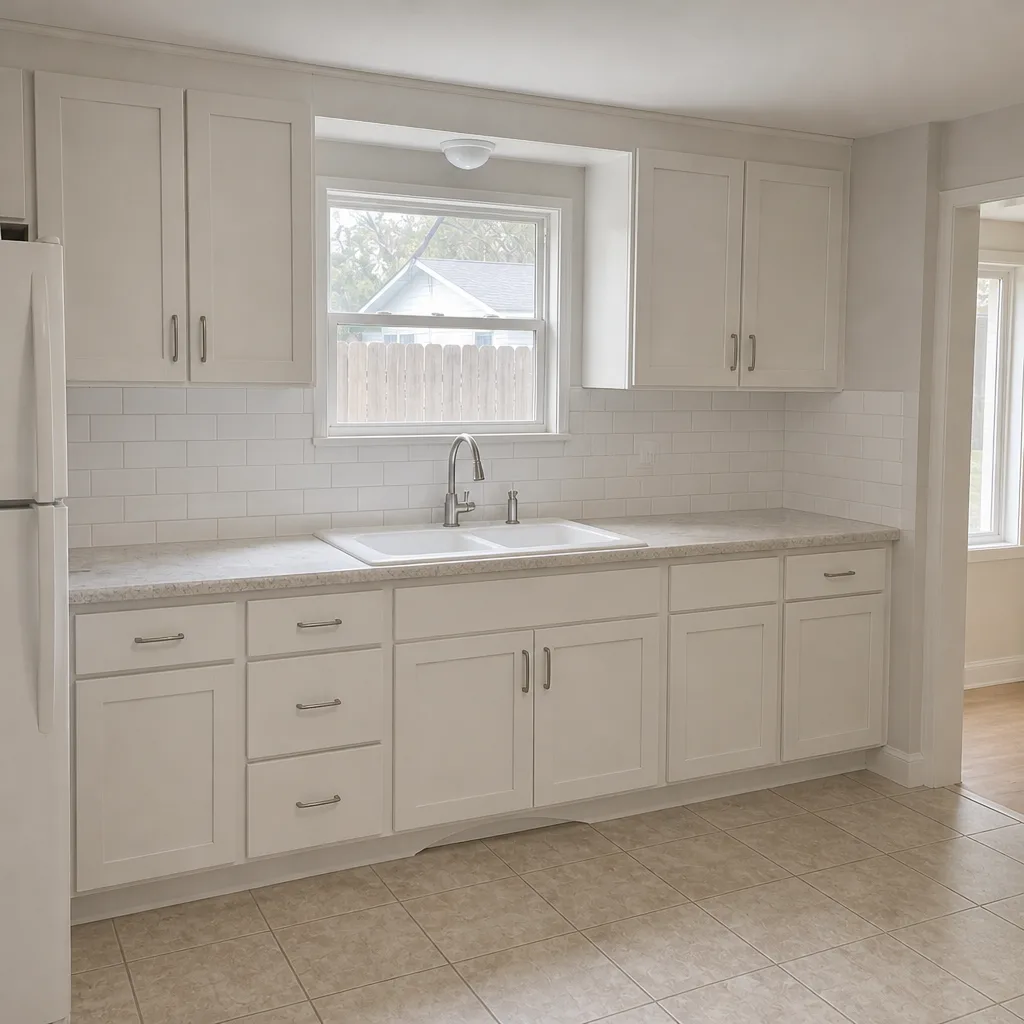
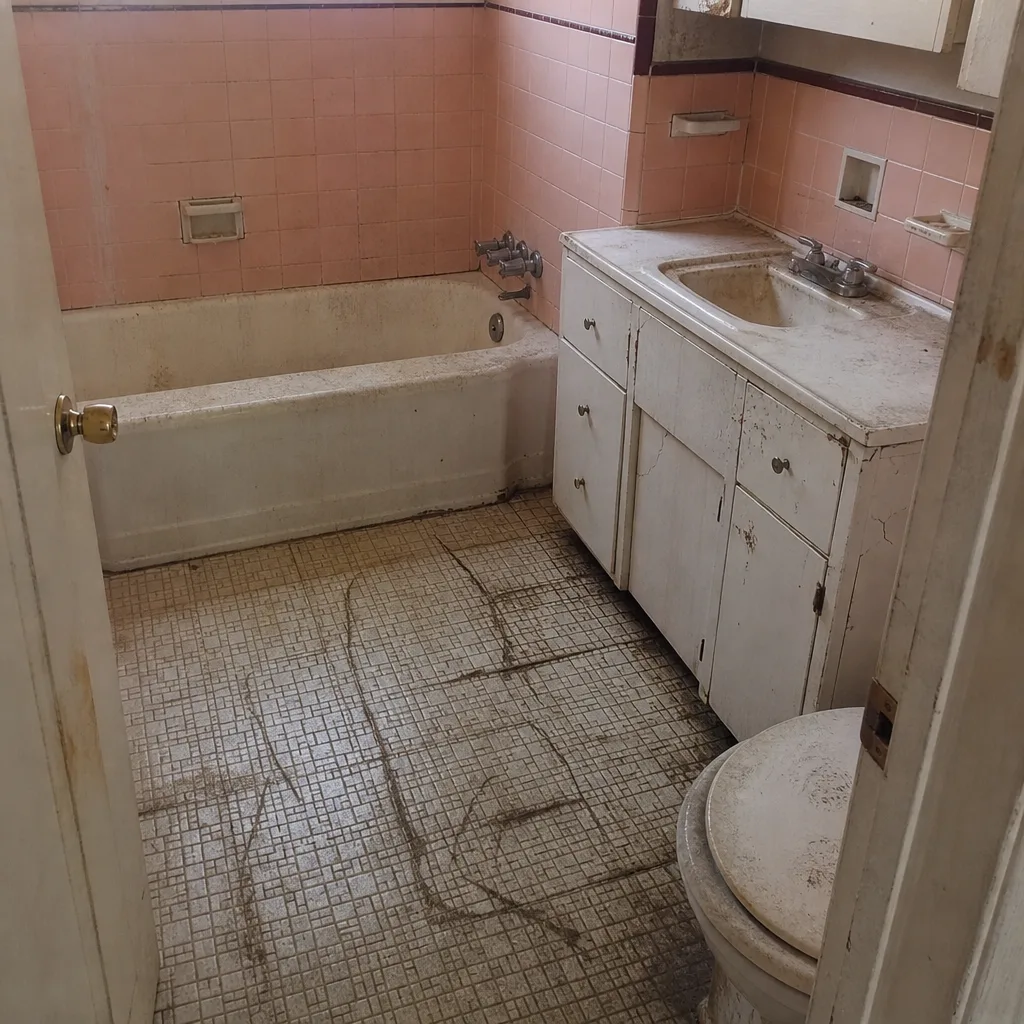
See the difference
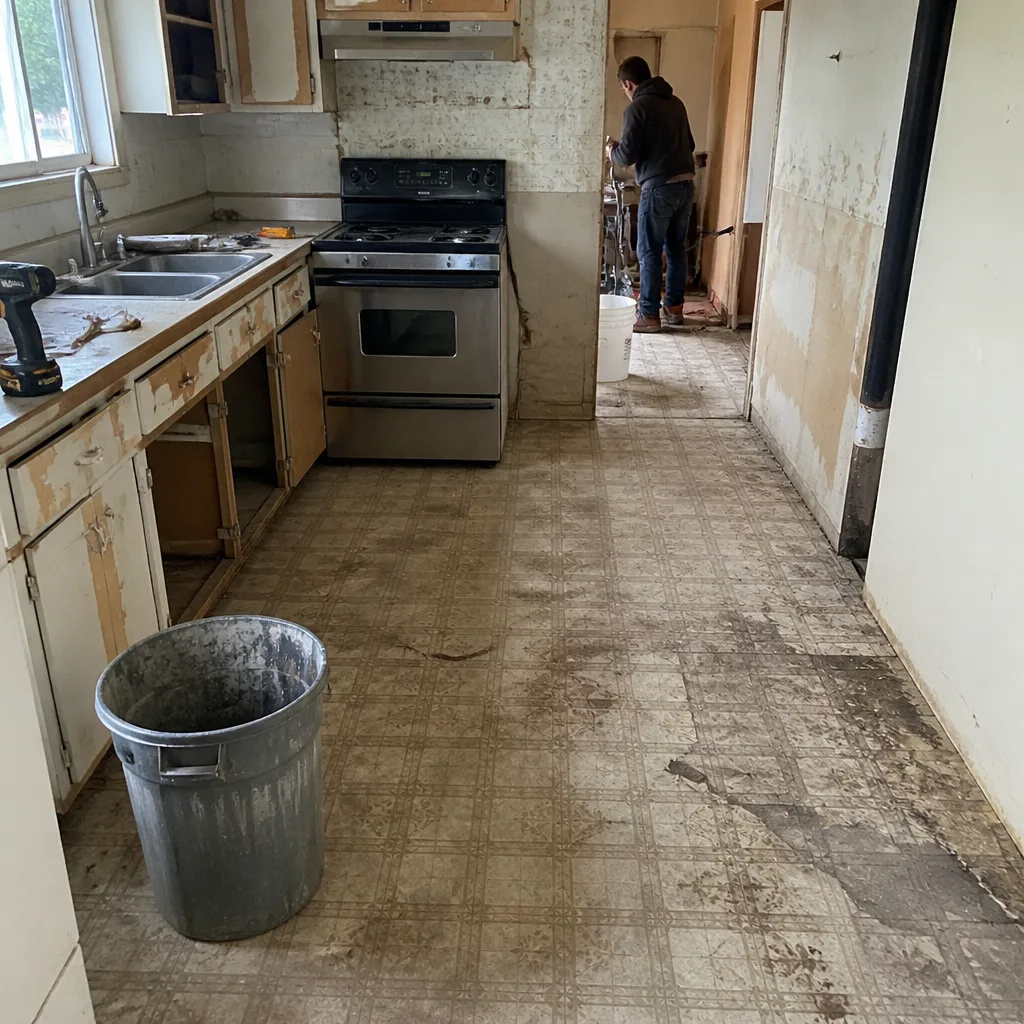 Before
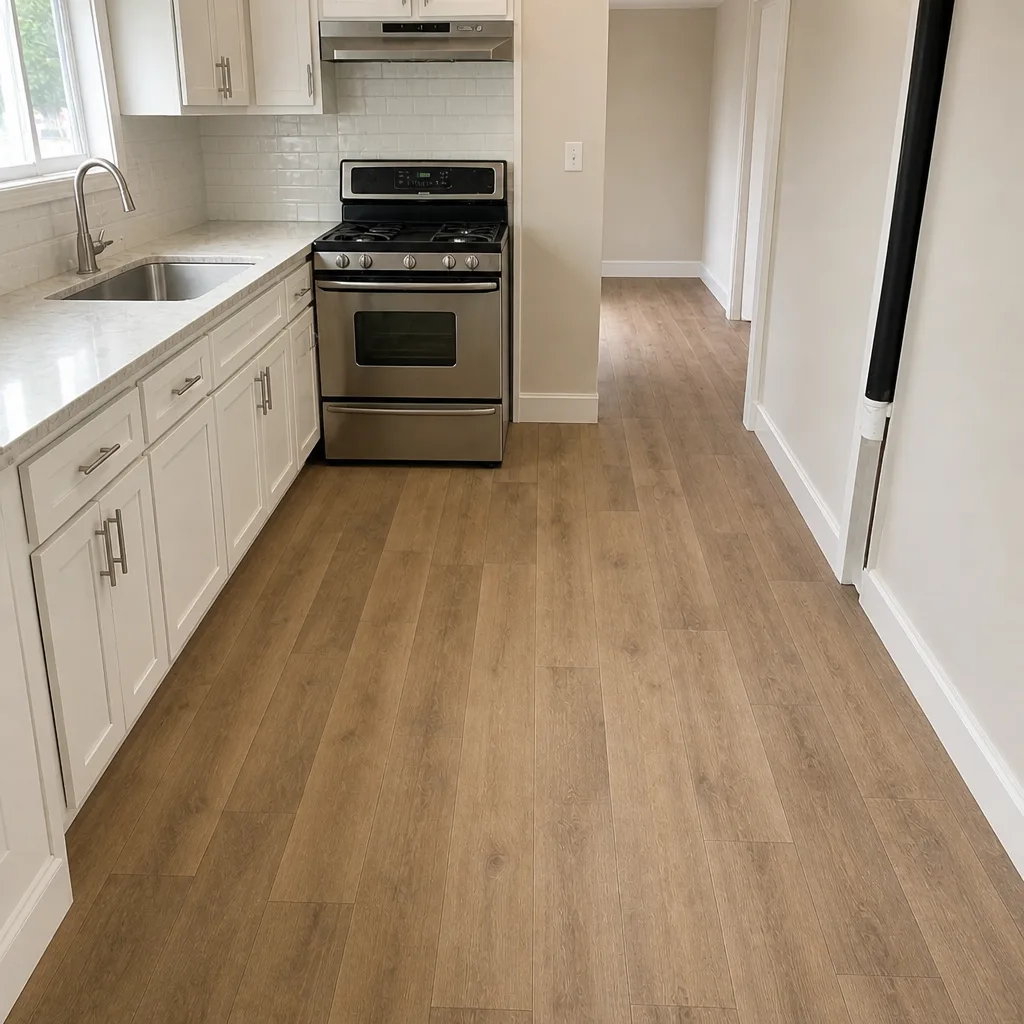 After
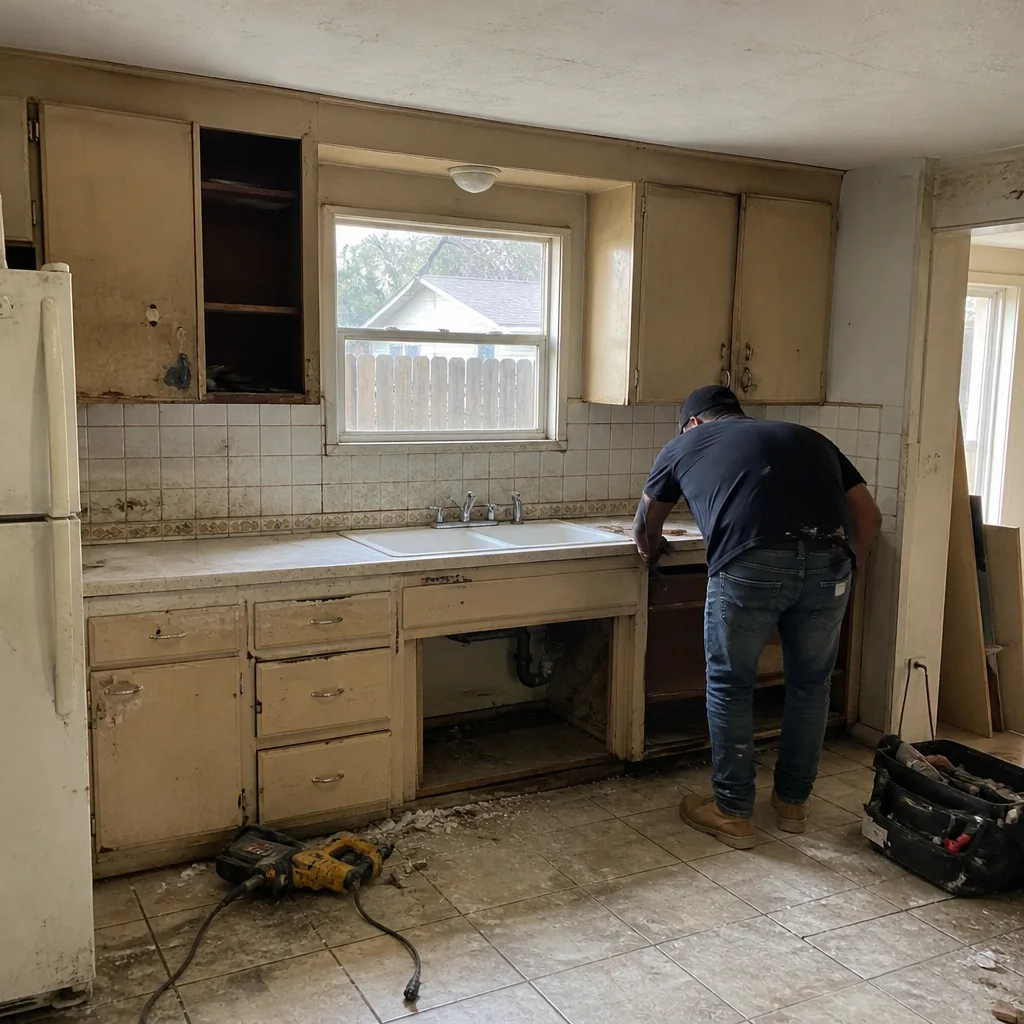 Before
 After
 Before
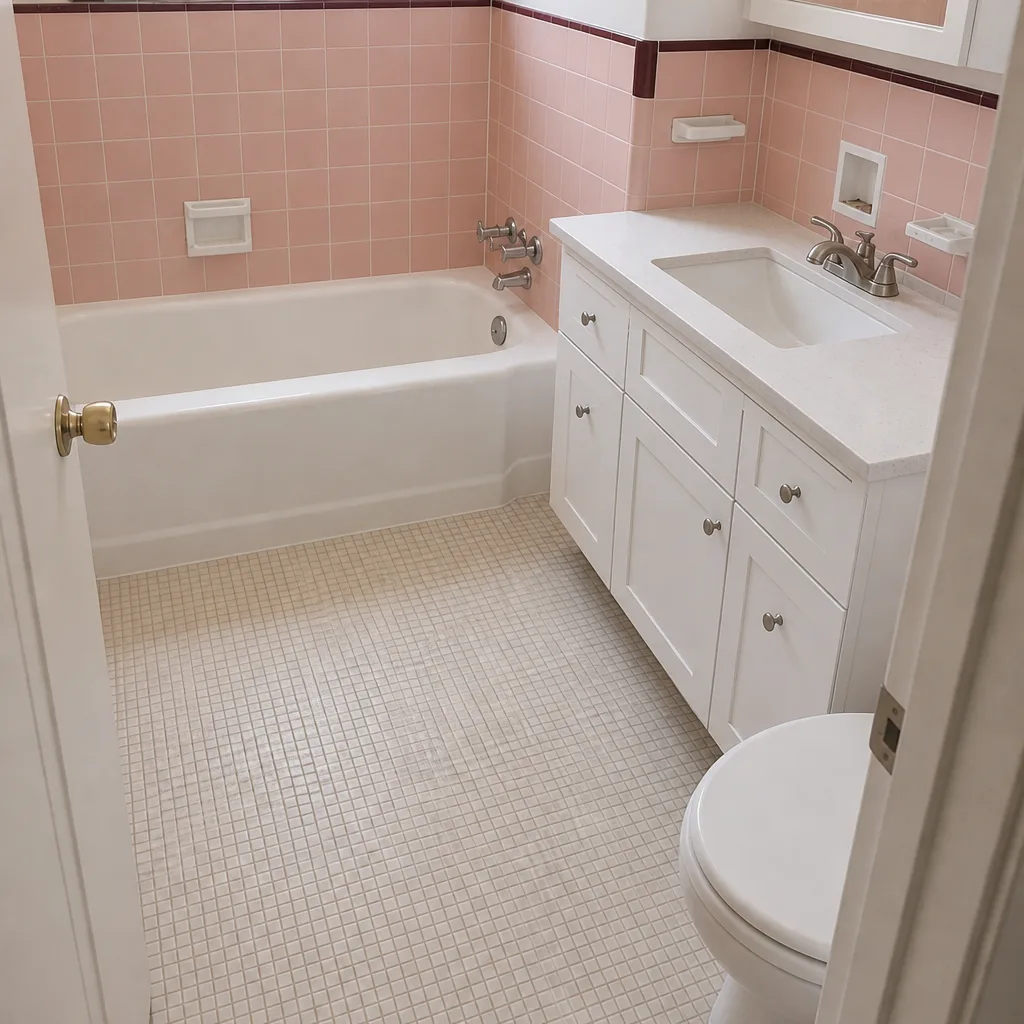 After
When to Call a Professional
Most of this schedule is homeowner work: a caulk gun, a flashlight, a phone camera. But some findings cross into professional territory and are not DIY. Call a professional if you see water staining on a ceiling or wall, a shower or window that leaks despite intact caulk, tile that sounds hollow across a wide area, a cabinet or built-in pulling away from the wall, or any crack in stucco or at a foundation that widens over a season. Those can signal a failed waterproofing membrane, a flashing problem, or movement that needs a trained eye. On genuinely dangerous items – gas lines, electrical panels, and roof-to-wall junctions – don’t open, adjust, or probe. Let a pro look. Background-checked, uniformed technicians, live phone coverage 24/7, and a written price before any work starts are what you should expect when you call. Penhallow Remodeling Pomona offers free estimates in Pomona – call (833) 620-5046.
Frequently Asked Questions
At 30, 60, and 90 days after completion, then twice a year – spring and fall – plus one walk after the first winter rain. Those checkpoints catch the caulk, grout, and exterior sealant failures that grow into water damage if ignored.
Usually not. Caulk and grout are almost always listed as owner-maintained, while installation defects like debonded tile or a failed shower pan are covered. The distinction is in your contract wording, so ask us to point it out at handoff. Call (833) 620-5046 for an exact reading of your guarantee.
Heat and dry air cause normal expansion and contraction, and hairline cracks are common in the first year. A crack that keeps widening or takes on water is not normal and needs a professional look. We photograph and log cracks on the fall walk.
Water pooling near the foundation, staining at the base of stucco, and moisture at window and door perimeters or any re-done flashing. Check after a real storm, not a sprinkle, and photograph anything that looks wet.
A crack in the tile itself is usually a movement or impact issue and may not be covered. A tile that sounds hollow when tapped means it has debonded, which is an installation issue and is typically covered. Report either within the punch-list window.
Yes. Bring us your photo log and findings and we’ll take a look. Every repair carries a written guarantee, a free return visit if it fails, and a written price before work starts. Call (833) 620-5046 to schedule. Estimates are free.
The Bottom Line

A remodel’s workmanship warranty is only as strong as the maintenance that supports it. The install is covered; the caulk, grout, exterior sealant, and drainage are yours. The schedule is not complicated: 30-60-90 day checks, then a spring and fall walk and an after-rain inspection, with dated photos and emailed records. In Pomona, the fall pre-rain check is the one that saves the most money, and a dried caulk joint is the one that does the most quiet damage. Catch the small failure before one season passes and you never need the structural repair. Handled that way, the work keeps looking like the day it was finished – and if something does fail inside the guarantee, a written promise means we come back and make it right. Call (833) 620-5046 to schedule your free estimate.
Written by the team at Penhallow Remodeling Pomona.