Last updated November 18, 2026








Free written scope consultation - allowances, timeline, and change-order rules on paper before a single trade is scheduled
Home Remodeling Maintenance Schedule: What to Do and When
Most remodeling warranties include a quiet clause: neglected caulk joints or unlubricated hinges can shift responsibility from the contractor to you. And almost nobody mentions that at the final walk-through. You sign off, the crew leaves, and the written guarantee you were so glad to have starts depending on things you do in the next twelve months. Here’s how a real maintenance schedule works, month by month, and how to keep your warranty intact through the first year after a remodel in Pomona.
Quick Answer
A first-year remodeling maintenance schedule has three jobs: inspect and re-caulk wet areas at month one and month six, service moving parts (hinges, drawer slides, window hardware) every three months, and document everything with dated photos. Those three habits are what keep a 365-day warranty claim valid. Skip them, and a failed seal or a stuck slider can get reclassified as homeowner neglect.
Styles & brands we work with
- Kitchen remodeling
- Bathroom remodeling
- Home additions & ADU
- Roofing
- Windows & doors
- Driveway & pavers
- Fence
Table of Contents
- Why the First Year Matters More Than Any Other
- Contractor vs. Homeowner: Who Owns Which Task
- The Month-by-Month Checklist for Year One
- Pomona Climate Factors That Age Your Remodel Fast
- The Three Areas Most Likely to Fail in Year One
- How to Document Maintenance So a Dispute Never Happens
- Seasonal Signs to Watch For
- Common Mistakes to Avoid
Why the First Year Matters More Than Any Other
New construction moves. That’s not a defect, it’s physics. Wood framing adjusts to indoor humidity, grout cures and shrinks slightly, caulk stretches as the substrate settles, and cabinet doors that hung perfectly at install can be a quarter-inch off after two months of daily use. Most of this settles by month twelve. The first year is when almost every genuine issue surfaces, which is exactly why the standard written guarantee runs 365 days.
Here’s the part homeowners don’t hear enough: a warranty covers workmanship failures, not neglect. If a grout line cracks because the substrate shifted, that’s on us. If it cracks because water sat in a failed caulk joint for four months, that’s a maintenance issue. The line between those two situations is drawn by your maintenance log, not by opinion.
We’ve seen this play out in Pomona plenty of times. A homeowner calls in month nine about a soft spot near a shower curb. The sealant bead at the curb-to-tile joint was never maintained, water worked in behind it, and the repair is a tear-out instead of a re-caulk. Ten minutes of checking twice a year would have caught it in month three.
So the schedule isn’t cosmetic housekeeping. It’s warranty management. Think of the first year as a probation period for the building materials and the workmanship together, and your job is to notice changes early enough that the guarantee does its job. Before we get into the calendar, if you’re planning a broader project, our Penhallow Remodeling Pomona home page lays out how we approach the whole scope.
Contractor vs. Homeowner: Who Owns Which Task
Typical 365-day guarantees split responsibility roughly down the middle, and the split usually follows a simple rule: if it requires a tool beyond a screwdriver or a caulk gun, it’s probably ours. Here’s how that looks in practice.
What the contractor covers under a standard written guarantee
- Workmanship failures: cracked grout from substrate movement, popped tile, failed seams, delaminating countertop edges
- Installation defects: cabinet doors out of alignment, drawer slides failing under normal use, fixture leaks at factory connections
- Product failures covered by the manufacturer (which is why brand matters – more on that below)
- Anything that fails within the first 30 days, almost without argument
What falls to the homeowner
- Routine caulk inspection and replacement in wet areas
- Cleaning and lubricating hinges, slides, and window tracks
- Changing HVAC filters and keeping indoor humidity in a reasonable range
- Promptly reporting anything that looks wrong, in writing, with photos
- Not making your own repairs or hiring someone else to touch the work
That last one matters more than people expect. The moment a third party modifies or “touches up” warrantied work, most guarantees release the original contractor from that area. If something’s off, call us first. We offer a free second visit if a repair fails, which means there’s no reason to experiment on your own.
When you’re working with a General Contractor in Pomona, ask for that split in writing before work begins. Ours is spelled out on the same page as the price, and that’s deliberate. A guarantee you can’t read isn’t much of a guarantee.
The Month-by-Month Checklist for Year One
This calendar is built around curing times, seasonal movement, and the moments when warranty disputes tend to surface. Print it, save it, or stick it on the inside of a cabinet door.
- Month 1 – The settling pass. Walk every remodeled area and note anything that shifted in the first thirty days. Check caulk at every wet joint. Test every cabinet door, drawer, and window. Photograph everything, good and bad. Report issues in writing.
- Month 2 – Hardware and hinges. Tighten cabinet hardware, check hinges for droop, and test drawer slides for smooth travel. Lubricate hinges and slides with a dry silicone product, not oil. Check that all window hardware operates cleanly.
- Month 3 – First seasonal seal check. Inspect caulk lines in bathrooms and kitchens. Feel for soft spots around tubs and shower curbs. Re-caulk any joint that has pulled away or gone chalky.
- Month 4 – Paint and drywall. Look for hairline cracks at drywall seams, especially where new drywall meets existing walls. Small cracks are normal during settling; note them and report anything wider than a credit card edge.
- Month 6 – The big inspection. This is the halfway point of a 365-day guarantee. Do a full walk-through, re-caulk everything that needs it, re-check every moving part, and re-photograph. If anything is failing, report it now, not in month eleven.
- Month 9 – Moisture and exterior check. If your remodel touched windows or doors, inspect flashing and seals. Look for water staining on interior sills. Check that weatherstripping still seals.
- Month 11 – The pre-expiration report. You have one month left on the written guarantee. File any remaining concern in writing now, with photos and dates. Anything reported after day 365 is a courtesy call, not a warranty claim.
Between those milestones, spend ten minutes a month looking around. That’s it. The homeowner who does ten minutes a month almost never ends up in a dispute.
Pomona Climate Factors That Age Your Remodel Fast
A maintenance schedule written for a mild coastal climate doesn’t fit Pomona. The local combination of summer heat, low humidity swings, and Santa Ana winds is unusually hard on sealants and finishes.
- Santa Ana winds pull humidity out of the air fast, sometimes dropping it dramatically in a day. Wood expands and contracts with that swing, and the result is what we call seasonal gapping: hairline cracks at trim joints, grout lines, and where cabinet frames meet walls. Expect a small round of it every fall.
- Summer heat accelerates caulk cure and then dries it out. Exterior-rated sealants last longer than interior ones, but even quality caulk in a south-facing kitchen window joint in Pomona will want a touch-up inside two years.
- Low humidity swings shrink wood framing and cause minor gaps to open at ceiling lines and window casings. These are cosmetic, but they’re worth noting and photographing so they don’t get confused with structural movement later.
- Winter rain is brief but concentrated. Seals around windows and doors need to be sound before the first storm, or a small gap becomes a stained sill by January.
We plan Pomona projects around this. It’s part of why we install products from manufacturers like CWS and ES Windows for openings that need to handle real thermal and wind movement – the frames and seals are designed for exactly this climate. The guarantee behind the work doesn’t change, but the material doing the work matters, and we’re specific about it.
Kitchen and bath areas are the most climate-sensitive, which is why our Bathroom Remodeling in Pomona and Kitchen Remodeling in Pomona pages both discuss what we specify for sealants and substrates by room.
The Three Areas Most Likely to Fail in Year One
1. Wet-area caulk and grout
Shower curbs, tub surrounds, backsplashes, and sink-to-countertop joints are the top failure area in the first year, no contest. Signs to watch for each season:
- Spring: caulk that’s pulling away at the shower curb or turning milky after winter use
- Summer: caulk that’s gone stiff or cracked from heat cycling
- Fall: grout lines at the shower floor darkening unevenly (that’s often trapped moisture)
- Winter: softness or darkening at joints after a heavy-use holiday season
2. Cabinet doors, drawers, and hardware
Kitchen hardware works harder than any other category of cabinet. In a busy Pomona household, doors open and close twenty times a day and drawer slides cycle hundreds of times a month. Signs of a problem are easy to spot: a door that rubs the frame at the top, a drawer that doesn’t close flush, hinges that squeak, or a slide that requires a shove. These are almost always adjustment issues, not failures, and they’re covered.
3. Window and door seals
Thermal movement in exterior openings is the third common failure point. Check interior sills for water stains, run a hand around the frame on a windy day to feel for drafts, and open and close every window once a quarter. The manufacturers we install, including ES Windows and ECO Window Systems, build for this, but the seal is only as good as the installation, and the installation is only as good as the maintenance check that catches a gap early.
How to Document Maintenance So a Dispute Never Happens
You don’t need a formal system. You need three things, kept consistently.
- A dated photo log. One folder on your phone, one photo of each area per quarter, plus a close-up of anything you’re concerned about. Dated images are the single most persuasive thing in a warranty conversation.
- A short written record. A notes app entry saying “checked caulk in upstairs bath, re-caulked tub joint, 4/12” is enough. If a later issue arises, the record shows the area was maintained, not ignored.
- Written communication with us. Report any concern by email or text so there’s a timestamp. Verbal reports at the door are helpful but don’t leave a trail. Our crews save these on file per project.
If a dispute does come up, the homeowner whose records show active, quarterly attention is in a very different position than the homeowner who has nothing. And in our experience, that homeowner rarely needs a dispute at all, because problems surface early and get fixed for free while the guarantee is active.
This is where The Kingswell Way earns its keep. Written price before work starts. Written guarantee on every project. If it fails in the window, we come back and fix it at no charge. But the whole system works better when both sides keep a record.
Seasonal Signs to Watch For
- Spring: watch for caulk softening and grout staining in bathrooms and kitchens after winter use
- Summer: watch for heat-cracked caulk at south and west-facing windows, and cabinet doors that bind as wood expands
- Fall: watch for the Santa Ana gapping described earlier (thin cracks at trim and paint seams) and check window seals before rain season
- Winter: watch for water intrusion at exterior openings, and check hardware function after the holiday hosting season when everything gets used hard
Five minutes at the start of each season is enough for most homes. That’s the pattern we suggest to every Pomona homeowner who goes through a project with us.
Common Mistakes to Avoid
- Skipping the month-one walk-through. The single most valuable inspection happens at day 30, and it’s free. Most homeowners wait until something looks wrong, which is usually month eight or nine.
- Assuming “warranty” means “they’ll fix everything.” A written guarantee covers workmanship and product, not neglect. Read the split before you sign, not after a problem shows up.
- Letting a third party touch warrantied work. A handyman re-caulking your new shower might do a fine job. But if the shower then leaks, the original guarantee likely covers nothing in that area.
- Ignoring seasonal gapping in Pomona. Cosmetic cracks that show up every fall are normal and should be photographed, not panicked over. But if you don’t document them, they look like new damage when a warranty review happens.
- Using the wrong lubricant or caulk. Oil-based lubricants on hinges attract dust. Silicone caulk in a painted area can’t be over-painted. Small choices have outsized effects.
- Not reporting concerns in writing. A phone call is fine. An email with a photo is a record. If a warranty dispute ever happens, the difference is enormous.
- Waiting until day 370. If the guarantee is 365 days, day 370 is a courtesy conversation, not a covered claim. Report in month eleven at the latest.
See the difference
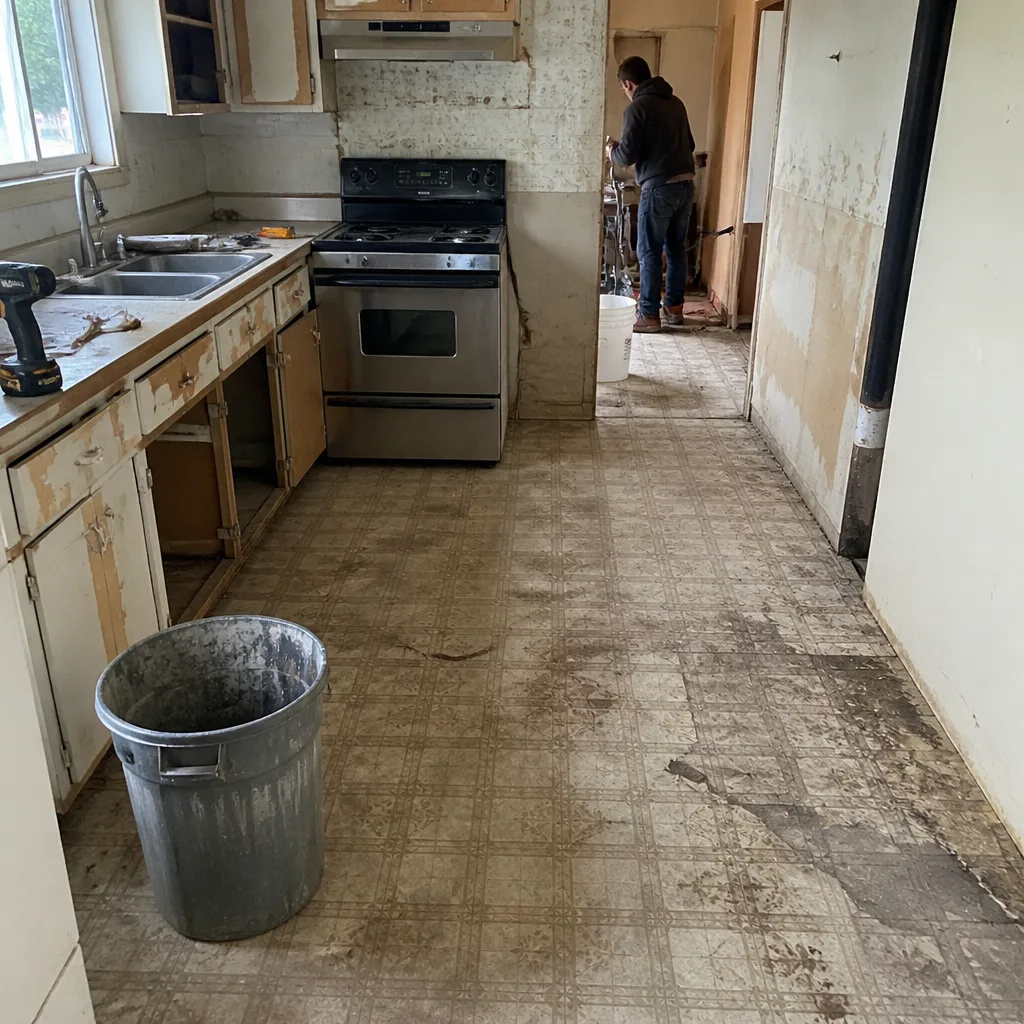 Before
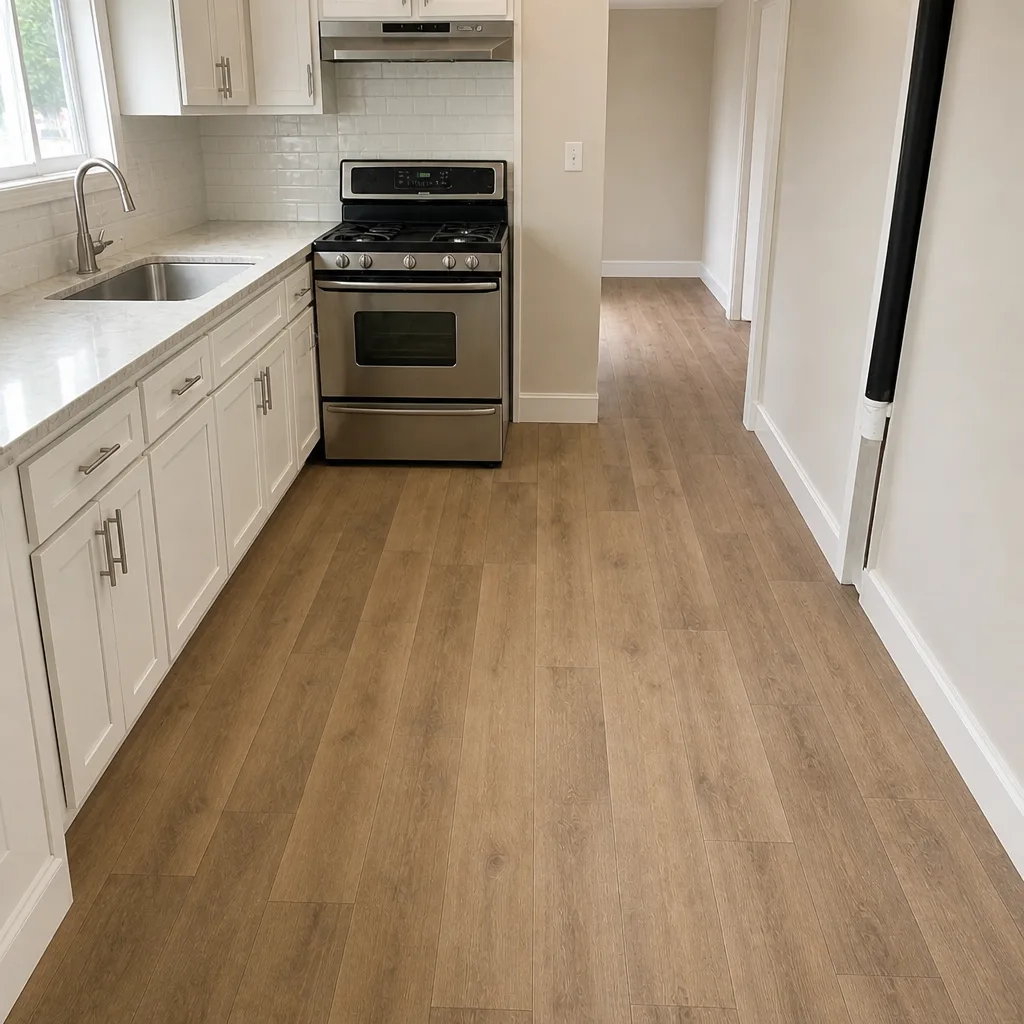 After
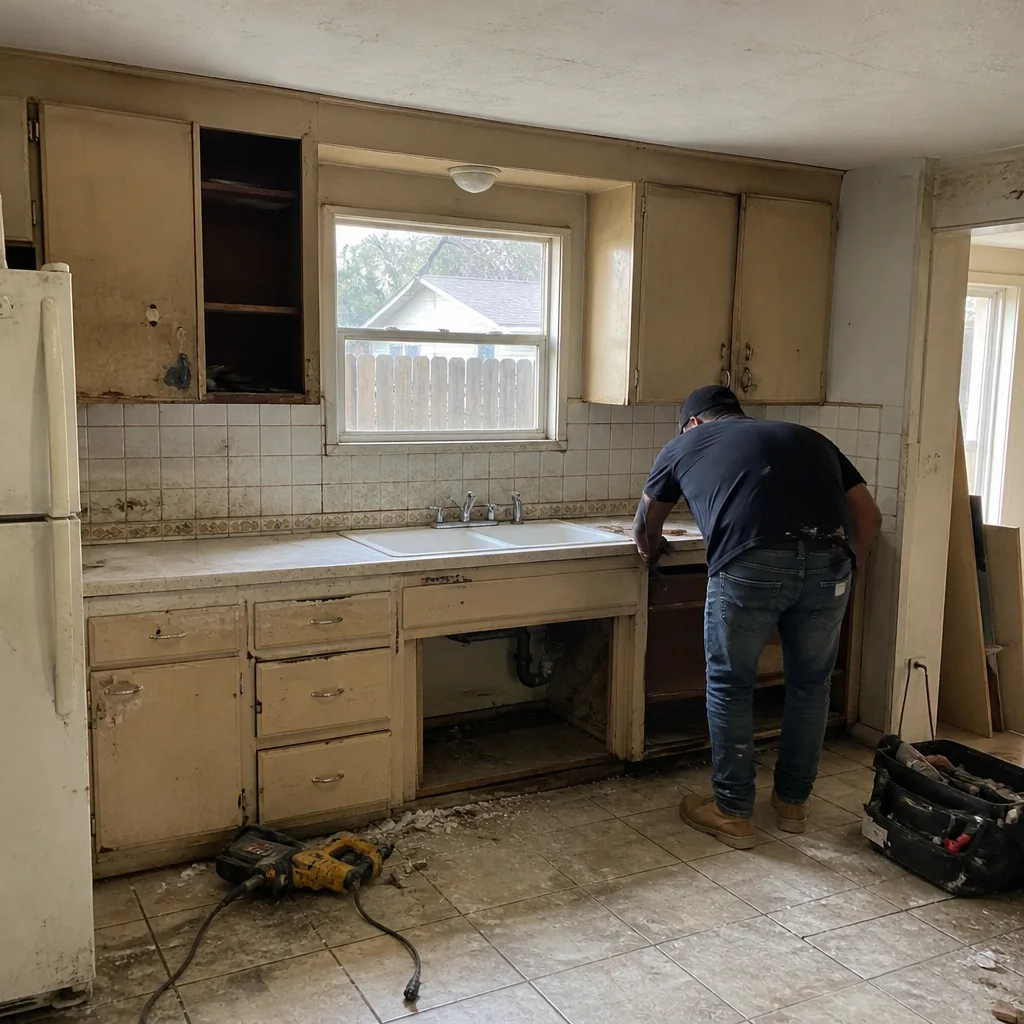 Before
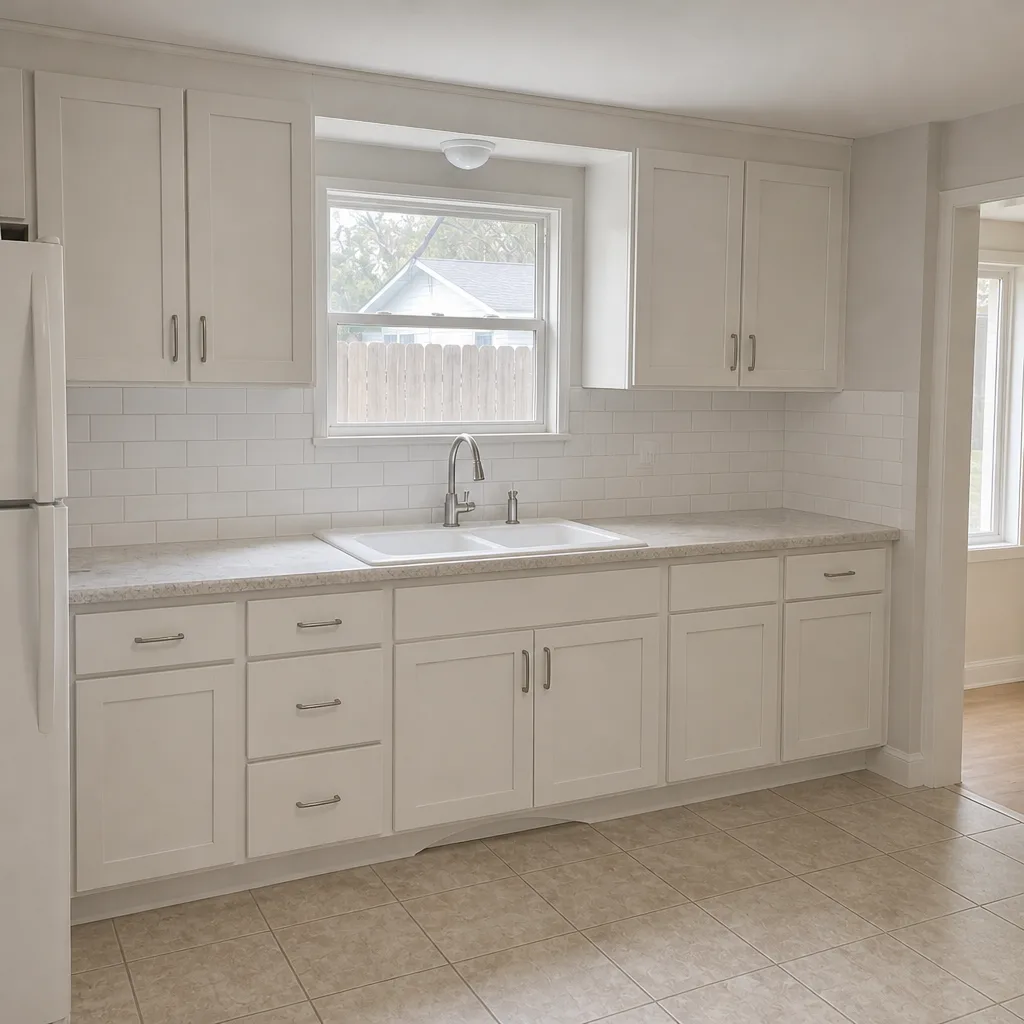 After
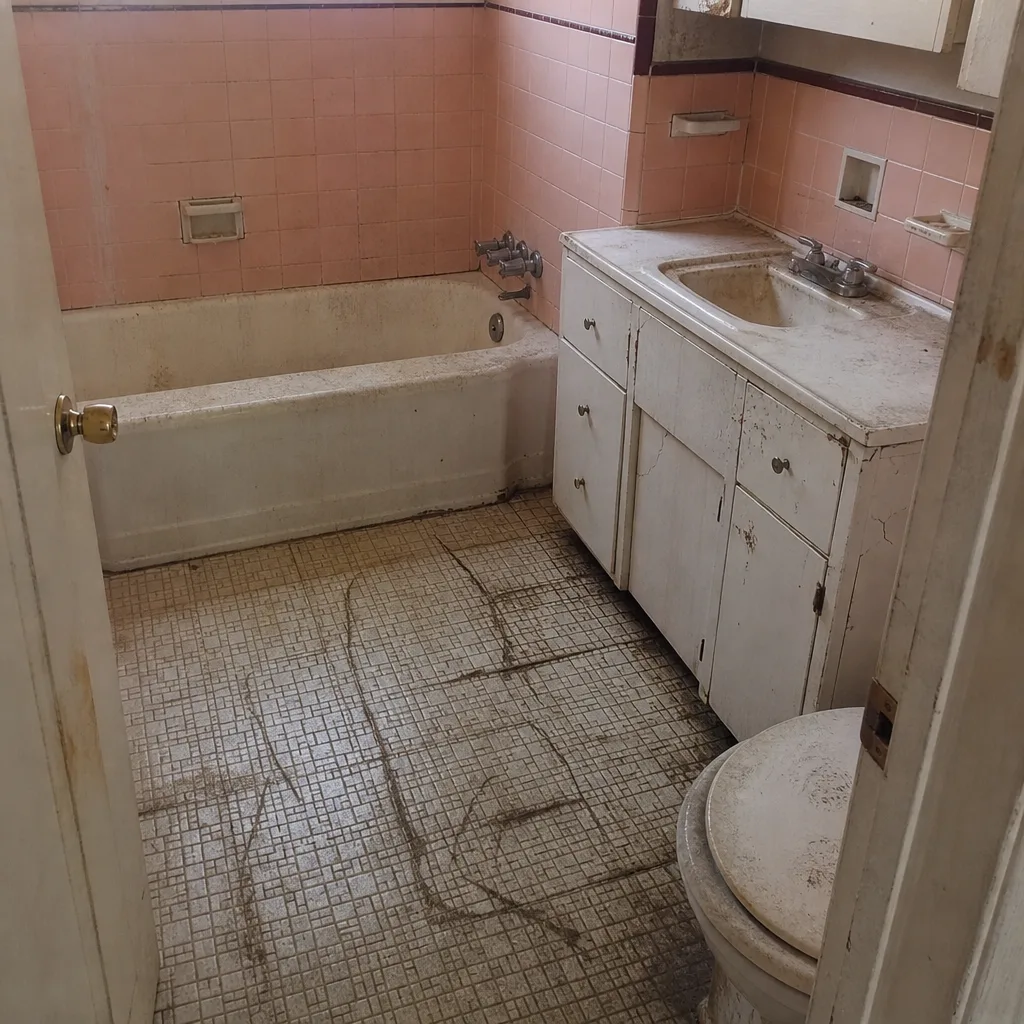 Before
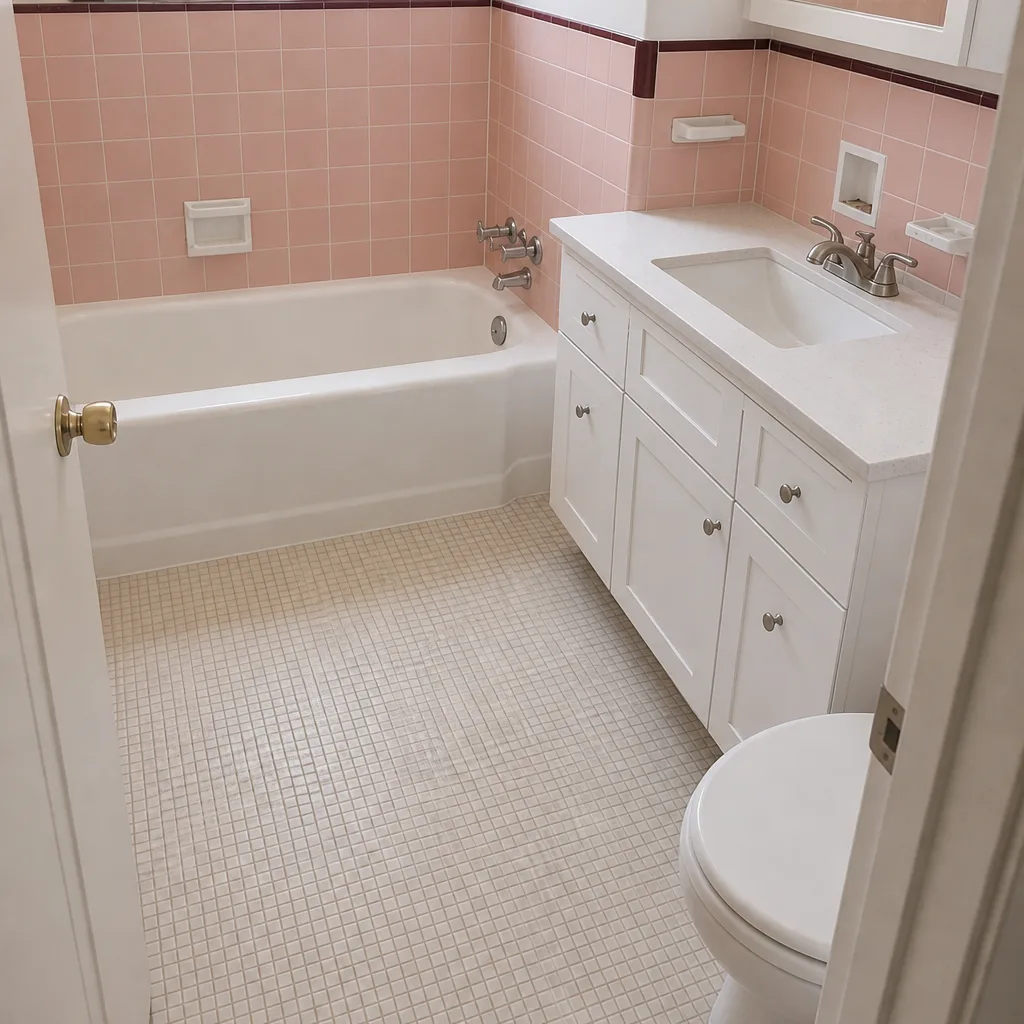 After
When to Call a Professional

Some maintenance tasks are homeowner work: re-caulking a joint, lubricating a hinge, photographing a crack. Others aren’t, and it’s worth saying plainly. If you see softness or discoloration in a shower curb or tub surround, that’s a water intrusion issue and it needs a professional inspection immediately, not a fresh bead of caulk on top. If a window seal is failing with visible water staining on the interior sill, stop using that window and call. If a cabinet frame has moved and doors no longer close cleanly, or if a tile is rocking underfoot, those are substrate issues that need a proper diagnosis before something bigger develops. Never chase a leak or a soft spot on your own; what looks cosmetic usually isn’t once you’re inside it.
Penhallow Remodeling Pomona offers free estimates in Pomona. Call (833) 620-5046 and a real person will pick up, day or night, and get a visit on the calendar.
Frequently Asked Questions
Yes, in most written guarantees, including ours. A cracked joint caused by substrate movement is a workmanship issue and we cover it. But if water intrusion behind a failed caulk joint is what caused the damage, the failure gets classified as maintenance neglect, and the repair isn’t covered. Inspection twice a year closes that gap.
Two separate guarantees stacked on the same product. The 365-Day Done Right Promise covers our workmanship for one year. The manufacturer covers their product, often for much longer; Cambria quartz, for example, carries its own lifetime warranty alongside ours. If something fails in year one, we handle it either way. After that, the manufacturer’s terms apply, and we’ll help you navigate that.
Quarterly for most homes, and twice a year for wet areas specifically. Pomona’s combination of Santa Ana winds and summer heat is hard on sealants, so a quick seasonal inspection at the start of each season is closer to the right pace than an annual one. If you’ve installed exterior windows or doors, add a check before the first rain.
Water intrusion diagnosis is the one. A homeowner re-caulking a shower joint is fine. A homeowner trying to track down why a shower curb feels soft is a weekend project that can end in a tear-out. Call us and use the free second visit. That’s what it’s for.
Call us at (833) 620-5046 and follow up by email with photos. A live person answers the phone around the clock, so you won’t reach a voicemail maze. Include dates from your maintenance log if you have them. The photos and log are what let us sort a covered failure from a maintenance issue quickly and fairly.
The schedule is the same, but the stakes are larger. A whole-home project has more wet areas, more windows, and more moving parts, so a written walk-through at month one, month six, and month eleven is the minimum we suggest. Document heavily. The photo log is what carries the guarantee across multiple rooms and seasons.
If you’re planning your next project and want the same written price and written guarantee behind it, our Kitchen Remodeling in Pomona and Bathroom Remodeling in Pomona pages are the place to start.
The Bottom Line

Your first-year maintenance schedule is less about keeping the remodel looking new and more about keeping the guarantee active. Ten minutes a month, a photo log, and a written report at month one, month six, and month eleven cover almost everything. Re-caulk wet areas twice a year. Lubricate moving parts quarterly. Document everything. Report unusual issues in writing. Do that, and the 365-Day Done Right Promise stays intact and does exactly what it says, without argument or forms.
Call Penhallow Remodeling Pomona at (833) 620-5046 for a free estimate and a written price before any work starts.
Written by the team at Penhallow Remodeling Pomona.