Last updated November 18, 2026








Free written scope consultation - allowances, timeline, and change-order rules on paper before a single trade is scheduled
General Contractor Troubleshooting: Common Problems and How to Fix Them
The number-one complaint filed with the California Contractors State License Board isn’t shoddy work. It’s abandoned jobs. And when you read through those files, the pattern repeats: a contract that never defined what “completion” meant, a homeowner who kept paying to keep the peace, and a job that quietly stalled. The construction itself was rarely the surprise. The paperwork was. This guide walks through what actually goes wrong mid-project, how to document it so you have standing, and when a calm conversation is enough versus when you need to pick up the phone to the CSLB. If you’re mid-remodel in Pomona and something feels off, this is the page to read before you send your next check.
Quick Answer
When a remodel goes sideways mid-project, the fix almost always starts with paper, not lawyers. Document the problem in writing (a dated email is enough), demand the signed contract and the schedule of values, and hold further draws until the contractor responds. Most disputes resolve once both sides know the record is being kept. Escalation to the CSLB or the contractor’s bond only becomes necessary when the contractor stops responding, abandons the job, or deviates from the written agreement without change orders.
Styles & brands we work with
- Kitchen remodeling
- Bathroom remodeling
- Home additions & ADU
- Roofing
- Windows & doors
- Driveway & pavers
- Fence
Table of Contents
- Is It a Construction Problem or a Contract Problem?
- How to Document a Work Stoppage in Writing
- The Difference Between a Legitimate Change Order and Fishing for Extra Money
- What to Do When Subcontractors Show Up Unannounced or the GC Stops Calling
- How to Hold Final Payment Without Breaching the Contract Yourself
- When to Talk, When to Escalate to the Bond or CSLB
- Pomona-Specific Problems That Cause Mid-Project Blowups
Is It a Construction Problem or a Contract Problem?
In our experience across kitchens, bathrooms and whole-home work, roughly seven out of ten mid-project disputes we hear about aren’t about the workmanship. They’re about expectations the contract never put on paper. “Done” means one thing to the homeowner and another to the contractor, and when those definitions don’t match, the money stops moving and the blame starts flying.
Before you do anything else, diagnose which problem you actually have:
- Construction problem: Tile is cracking, a cabinet is out of level, the shower pan pools water. The work itself is wrong. There’s a clear remedy (rework) and a clear standard (manufacturer specs, industry tolerances, local code).
- Contract problem: The contractor wants more money mid-job, the schedule has slipped without explanation, subs are showing up you weren’t told about, or work has stopped and nobody can say why. The remedy is in the paperwork.
- Both: Often the construction problem is the trigger and the contract gap is why it’s not getting fixed.
For homeowners in Pomona, the diagnosis matters because the remedy path is different. A construction problem gets reworked or documented for a complaint. A contract problem gets addressed with the schedule of values, the change order process, and, if needed, a written notice of stoppage. If you’re not sure which side of the line you’re on, a free second opinion from an independent General Contractor in Pomona will tell you in 20 minutes. Penhallow Remodeling offers written line-item estimates, which means the diagnosis isn’t guesswork; it’s a written scope of work you can compare against what your current contractor promised.
How to Document a Work Stoppage in Writing
A verbal complaint is worth nothing to the CSLB. A dated email with a subject line and a clear request is a document. Here’s the sequence we recommend, and it works whether you’re dealing with a two-week bathroom job or a six-month addition:
- Send a single email, not a text thread. Subject: “Notice of work stoppage – [property address] – [date].” Keep the tone flat. State the observable facts: last date work occurred, current state of the jobsite, payments made to date, and the contractual milestone the work was tied to.
- State what you’re asking for. One sentence: “Please confirm in writing within five business days when work will resume and which milestone the current draw was tied to.”
- Attach the record. Photos dated by phone metadata, your contract, the schedule of values, and a payment log (date, amount, method, check number or card last four).
- Copy a second address. Use the contractor’s office email and, if you have one, the project manager’s. If you only have a phone number, deliver a printed copy with a signature-required receipt.
- Do not stop paying without a reason on paper. If you’re withholding a draw, state exactly which line item is incomplete or defective. “I’m withholding $4,200 tied to cabinet install, which is not complete because X, Y, Z” is defensible. Silence isn’t.
- Keep everything in one folder. If you ever need to file a CSLB complaint or make a bond claim, you’ll need it in chronological order. Screenshots scattered across phones don’t work.
This is the kind of record a reputable contractor will respond to within a day. If it’s ignored, you have standing. For readers working with us on a Kitchen Remodeling in Pomona project, this is the reason we put a written price and a defined arrival window in place before a single cabinet comes out; those two documents are the floor plan for the whole job.
The Difference Between a Legitimate Change Order and Fishing for Extra Money
A change order is a written, signed amendment to the original contract that adds, removes or modifies scope and price. Fishing is when the contractor asks for extra money for work that was already in the original scope, without a written change order, usually the day after demo. Telling the two apart is the single most valuable skill a homeowner can bring to a remodel.
Legitimate change order – what to look for
- New scope, described specifically. “Added a pony wall between kitchen and dining room, 6 linear feet, framed and drywalled, $1,850.” Not “extra framing $4,000.”
- Priced before work starts. A change order is signed before the change is executed. Retroactive change orders are a red flag.
- Tied to a cause. Hidden rot behind tile, an undiscovered plumbing stack, a code-required upgrade triggered by the change. These are real and common in Pomona’s older housing stock.
- Adjusts the schedule. A real change order includes a revised completion date.
Fishing – push-back language that works
The script that stops most fishing doesn’t need a lawyer:
“Please send a written change order describing the added scope, the price, and the schedule impact before this work continues. Our contract specifies $[amount] and includes [line item] in the original scope; we’d like to understand which scope gap this addresses.”
Put it in email. The contractor who can’t produce a written change order has just told you what you need to know. The one who produces a clean one is likely doing legitimate work and has hit a genuine surprise. The written contract with a written price, before work starts, is the whole reason we build it that way. See Bathroom Remodeling in Pomona for how a fixed-price scope handles those hidden-damage surprises.
What to Do When Subcontractors Show Up Unannounced or the GC Stops Calling
The two most common mid-project complaints we hear, and the remedies are different.
Unannounced subcontractors
Subs arriving unannounced is a warning sign of the project manager’s disorganization, not a scam in itself. But it’s a real problem in Pomona where a legitimate reminder to a plumber or electrician comes through the GC’s office. What to do:
- Ask for the sub list in writing before the project starts. You should know the plumber, electrician, tile setter, cabinet installer and framer by company name and license number.
- Verify the sub’s CSLB license yourself at cslb.ca.gov. It’s free and takes 30 seconds.
- Ask for the sub’s certificate of insurance each time if you don’t recognize them.
- If a sub shows up on a day you weren’t told about, the contractor is either managing scheduling badly or has changed scope without telling you. Both are worth a same-day email.
The GC stops returning calls
A day of silence is human. Three business days of silence during active work is a stop-work event. Send the notice-of-stoppage email above. If you get no response in five business days, escalate. Our rule at Penhallow is simple: a live person answers the phone 24/7. Not an answering service, not a voicemail maze. When you’re a homeowner mid-remodel, the ability to reach an actual human in fifteen minutes is the difference between a small problem and a lawsuit.
How to Hold Final Payment Without Breaching the Contract Yourself
Holding final payment is a legitimate remedy, but only if you do it on paper and tied to a specific line item. Withholding in silence is the homeowner’s version of going quiet, and it’s the fastest way to lose your standing with the CSLB.
- Read the retention clause first. Most residential contracts specify a final payment percentage (often 5-10%) held until final walk-through and punch-list completion. That number is your legal ground.
- Do a written punch list. Date every item, photograph every item, and deliver it by email. “Final walkthrough punch list – [date]” is a document. A verbal complaint isn’t.
- Withhold only the portion tied to the punch list. If the final payment is $8,000 and the punch list is $2,200 of work, pay the difference and state in writing that $5,800 is being held pending the punch completion.
- Set a reasonable cure period. Ten business days is standard. State it. “If the punch items are not addressed by [date], we will pursue remedies under the contract and California law.”
- Don’t withhold more than the punch-list value. Over-withholding is a breach on your side and gives the contractor grounds to file a mechanics lien.
Penhallow’s 365-Day Done Right Promise is built for the exact reason this section is necessary. If it’s not done right, we make it right, backed in writing, inside the first year. If you’d like to see how a fair final-payment process works on our side, the Penhallow Remodeling Pomona home page walks through the written guarantee that comes with every project.
When to Talk, When to Escalate to the Bond or CSLB
Most problems are fixable with one conversation. The skill is knowing which conversation you’re having.
Fix it with a conversation
- Scheduling drift without money changing hands.
- A punch-list item that’s incomplete but in progress.
- Subcontractor communication issues that the GC can fix with better coordination.
- Any price question the contractor can answer with a written change order.
Escalate to the bond
Every CSLB-licensed contractor carries a surety bond (currently $25,000 for most classifications). If the contractor abandoned the job, took a draw for work not performed, or damaged your property and won’t make it right, a bond claim is the next step. Call the surety company listed on the CSLB record, not the contractor’s insurance. The bond is the contractor’s obligation to the state, and it’s designed for exactly this.
Escalate to the CSLB
File a complaint at cslb.ca.gov if you have a licensed contractor who has (a) taken money for work not performed, (b) abandoned the project, (c) performed work that materially deviates from the contract, or (d) failed to respond to a written demand. The CSLB mediates most disputes; the ones that don’t resolve go to arbitration or court. The complaint itself is free to file and doesn’t require a lawyer.
Note: this editorial is generic guidance, not legal advice. If you’re into five figures of exposure, a California construction attorney consult is worth the fee.
Pomona-Specific Problems That Cause Mid-Project Blowups
Some of the mid-project problems we see in Pomona trace back to the local climate and housing stock, not the contractor’s skill. Knowing the local patterns helps you spot a legitimate change order from a fishing one.
- Older housing stock with surprise plumbing. A meaningful portion of Pomona’s single-family homes were built before 1970. Galvanized supply lines, cast iron drain stacks and knob-and-tube wiring show up the day after demo, and a legitimate change order for the upgrade is normal. A change order for “surprise” work on a house that was built in 1998 deserves pushback.
- Clay soil movement. Pomona’s expansive soils shift with the seasonal wet/dry cycle, and bathroom tile and shower pans that looked fine at install can crack within months. This is why cement board substrate (the moisture-resistant layer behind your tile) and a proper waterproofing membrane matter more here than in dry, sandy markets. If the contractor skipped the membrane, that’s a construction problem, not a change order.
- Warm, dry summers and Santa Ana wind events. Exterior paint, siding and window flashing get baked; we see more premature James Hardie siding failures here when flashing was skipped. James Hardie products carry their own warranty alongside ours, and a legitimate install follows the manufacturer spec. A “we’ll do it cheaper” siding install that skips flashing is a fishing change order to redo it right later.
- Permits and inspection schedules. Pomona’s building department runs on its own pace; a job that stalls waiting on inspection isn’t a contractor problem, it’s a schedule reality that should have been on the contract. If a contractor didn’t pull a permit for work that requires one, that’s a reason to stop work and call CSLB.
For high-touch remodel work like kitchen and bath, the local knowledge matters more than any marketing page suggests. Our technicians have up to 22 years of experience in Southern California markets, and the honest reason we quote fixed written prices is that we’ve seen what happens when a homeowner is left holding an open-ended ballpark.
Common Mistakes to Avoid
- Paying a draw before the milestone is complete. If the contract says “draw due upon drywall complete,” wait until the drywall is complete. “Almost complete” isn’t a milestone, and paying on it is the most common way homeowners lose leverage in Pomona.
- Relying on a verbal change order. A handshake for an extra $2,000 is worth nothing if it becomes a dispute. Get every scope change in writing, signed, before work starts.
- Hiring the lowest bid without reading the scope. The cheap bid is often the same base price with more items left out. Line-item comparison, not total comparison.
- Not verifying the license number. Anyone can print a license number on an invoice. Verify at cslb.ca.gov before the first payment, not after the first problem.
- Letting the silent treatment go past three days. A quiet contractor mid-project is the leading indicator of an abandoned job. The number-one CSLB complaint is abandonment, and the early warning is silence. Send the email on day three, not day thirty.
- Withholding final payment without a punch list. Over-withholding gives the contractor grounds for a mechanics lien. Withhold only the amount tied to specific, documented items.
- Skipping the schedule of values. That’s the document that ties each payment to a completed chunk of the job. If it wasn’t in your contract, ask for it in writing before the next draw.
See the difference
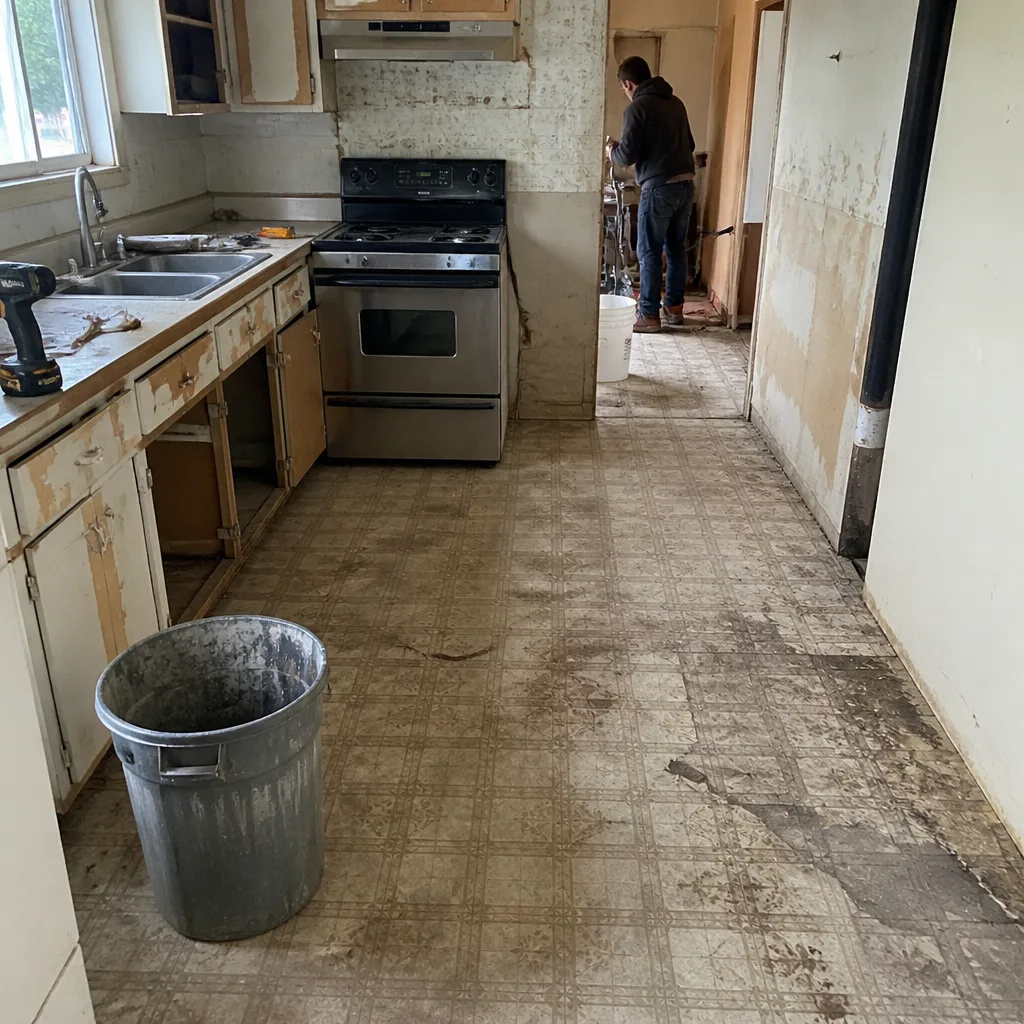 Before
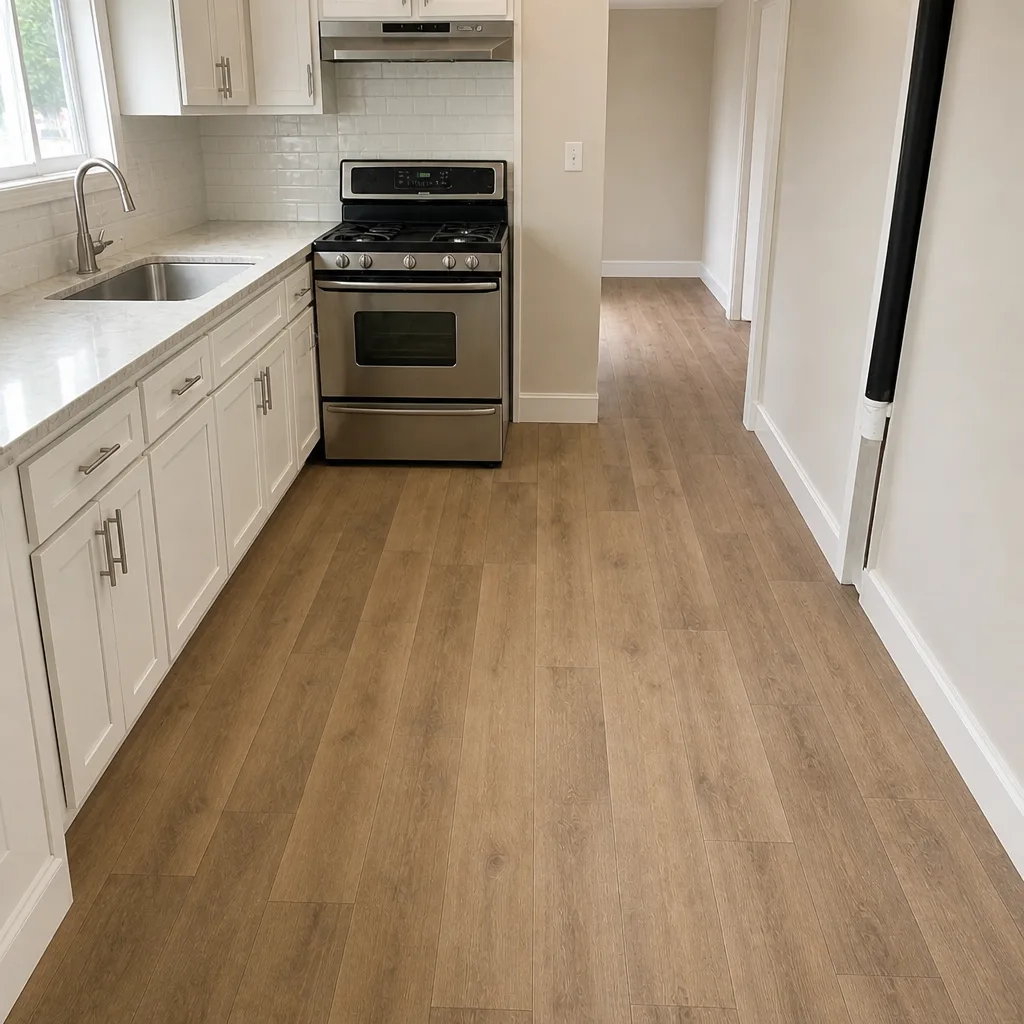 After
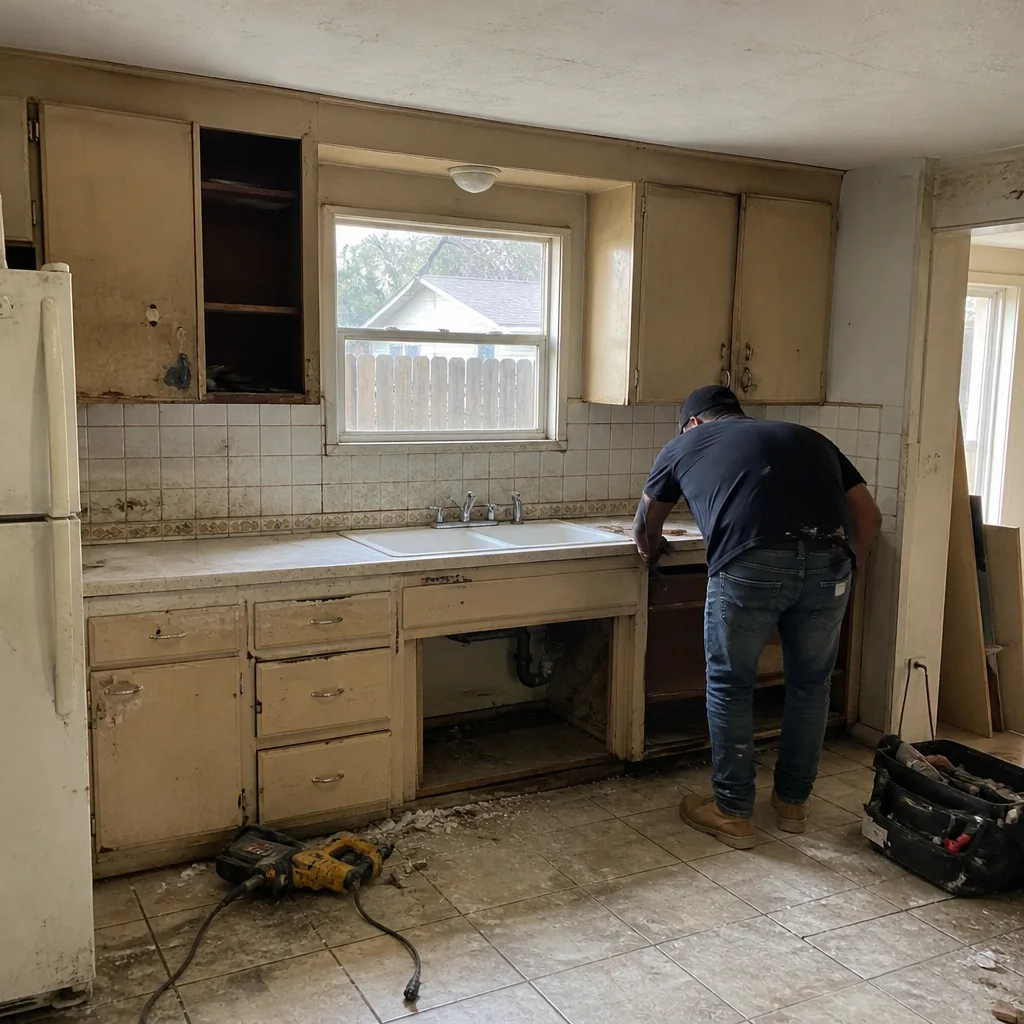 Before
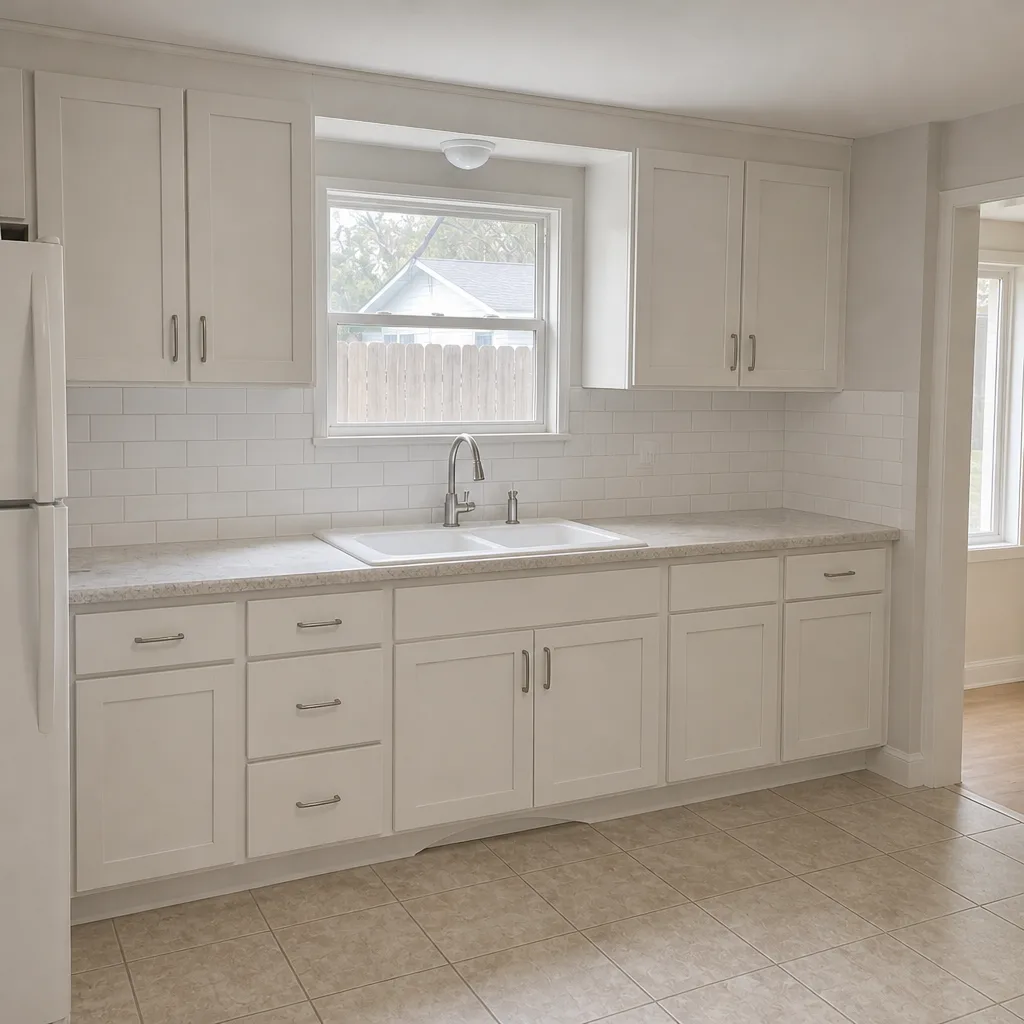 After
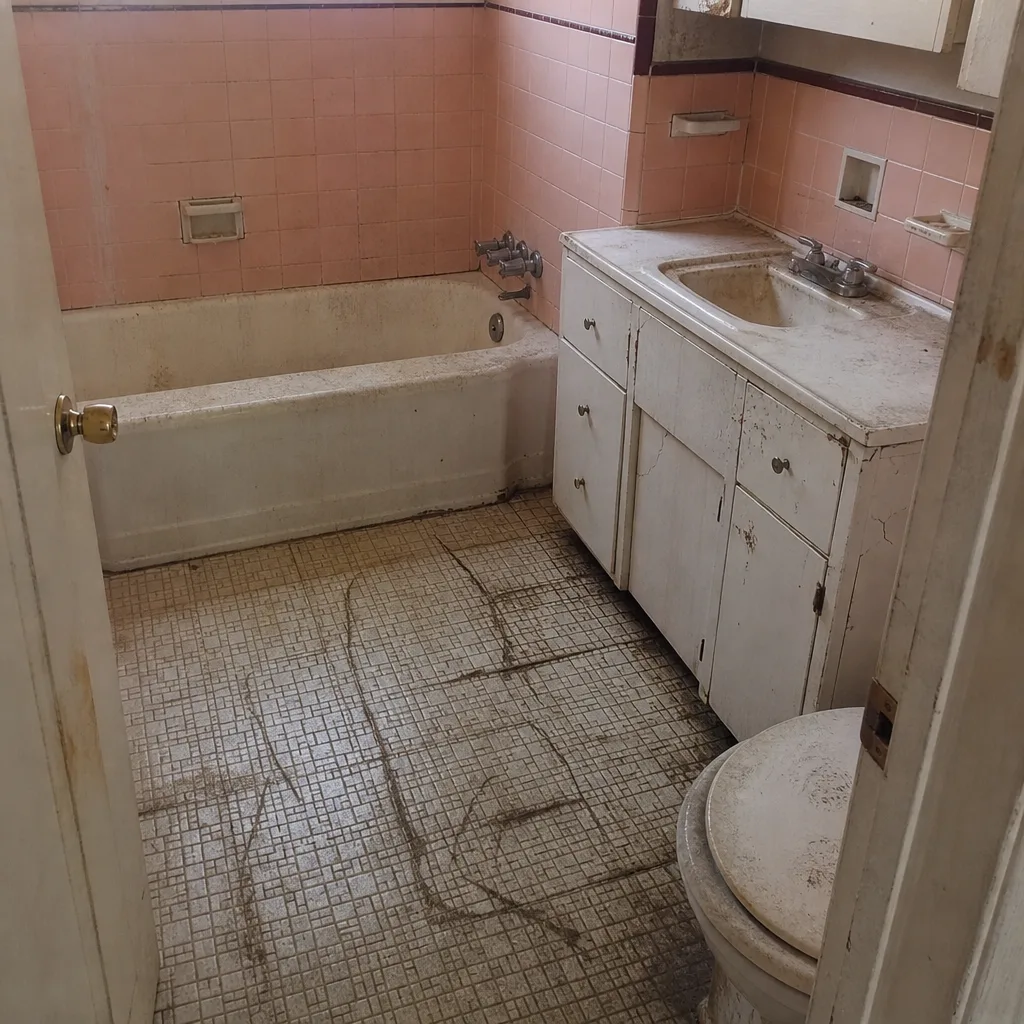 Before
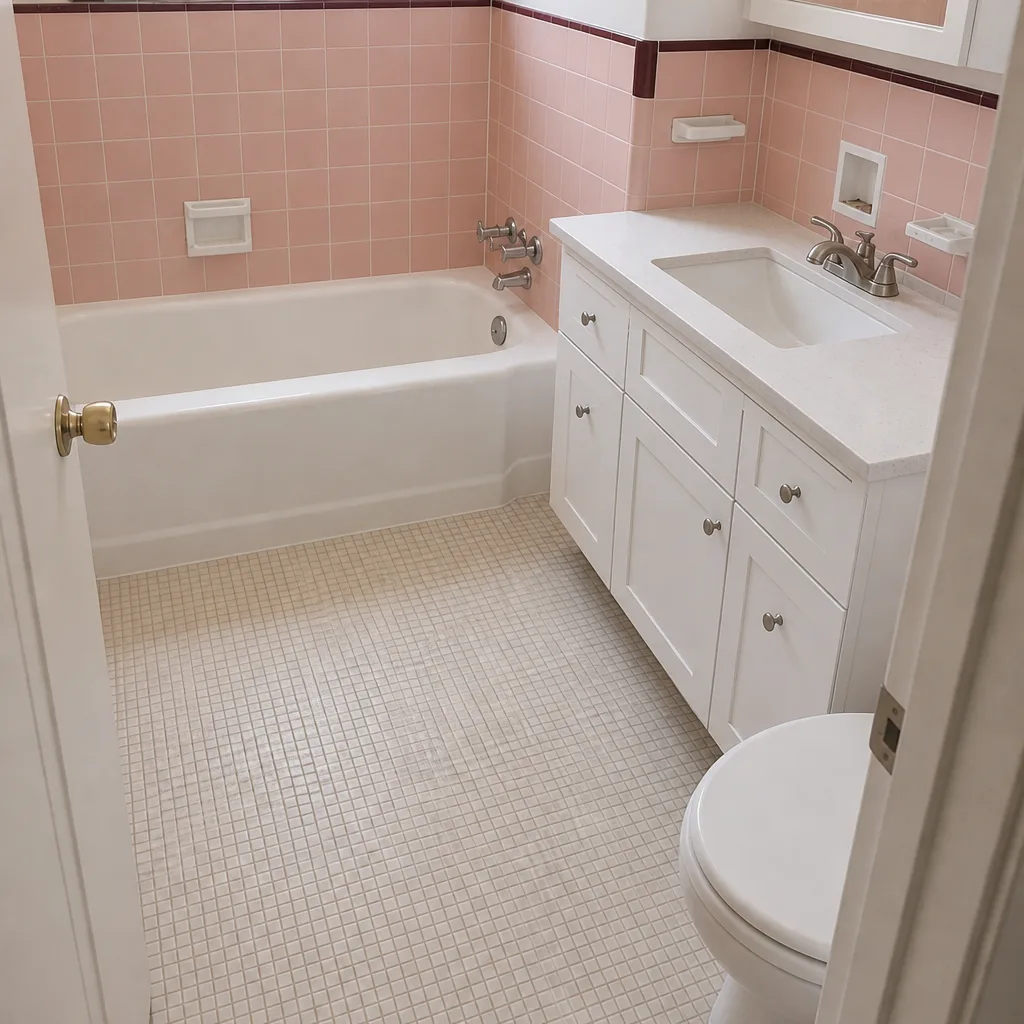 After
When to Call a Professional
Some problems need a trained eye on site, not an email thread. If any of these describe your situation, it’s time to call:
- Your contractor has stopped communicating for more than five business days during active work.
- You suspect a draw was paid for work that wasn’t performed (photos show a different state than the payment claims).
- A hidden-damage change order feels out of proportion to what you can see on site.
- Water is going where it shouldn’t (shower pan, window flashing, roof line) and you need a second opinion before the contractor closes the wall.
- You’re early enough in the process that a written second bid makes sense before signing anything.
Penhallow Remodeling Pomona offers free estimates in Pomona, with a written price and a written 365-Day Done Right Promise before work starts. Call (833) 620-5046 to schedule your free estimate. The team is background-checked, uniformed, and a live person answers the phone 24/7.
Frequently Asked Questions

Send a single dated email to the contractor with the subject “Notice of work stoppage – [property address] – [date],” state the last date work occurred, the current state of the jobsite, payments made to date and the specific request (a written schedule for resuming work within five business days). If there’s no response in five business days, escalate to the surety bond and file a CSLB complaint. Call (833) 620-5046 for a free second opinion if you’re not sure which step you’re on.
Yes, if you do it on paper and only up to the value of the incomplete or defective scope. Most residential contracts include a retention clause of 5-10% held until final walk-through and punch-list completion. Deliver a dated written punch list by email, withhold only the dollar amount tied to those items, and pay the rest. Over-withholding is a breach on your side and gives the contractor grounds for a mechanics lien. Call (833) 620-5046 for an exact read on your situation; estimates are free.
A legitimate change order is written, signed before work starts, priced line by line, tied to new scope or genuine hidden conditions, and includes a revised completion date. Fishing is any verbal request for more money for work already in the original scope, usually the day after demo. The pushback script: “Please send a written change order describing the added scope, price and schedule impact before this work continues.” That sentence stops most fishing and forces the honest change orders into writing. Call (833) 620-5046 if you need a second read on a change order.
You don’t need a lawyer to file a CSLB complaint, and the filing itself is free at cslb.ca.gov. The CSLB mediates most disputes; the ones that don’t resolve go to arbitration or court. It’s worth filing when the contractor is licensed and took money for work not performed, abandoned the job, materially deviated from the contract, or failed to respond to a written demand. Mediation resolves the majority of complaints. For anything into five figures of exposure, a construction attorney consult is worth the fee. Call (833) 620-5046 for a free estimate if you’d rather start fresh with a written contract than litigate the one you have.
Ask for the subcontractor list in writing before the project starts, verify each sub’s CSLB license yourself at cslb.ca.gov, and ask for a certificate of insurance each time. Unannounced subs usually signal a disorganized GC rather than fraud, but they’re still worth a same-day email. If a sub shows up with no notice, the contractor is either scheduling badly or has changed scope without telling you. Call (833) 620-5046 if you need a written scope of work to compare against what your contractor promised.
Yes. Every Penhallow Remodeling project carries a written 365-Day Done Right Promise: if the work fails inside the first year, we come back and fix it at no charge, and that promise is in writing before work starts. We quote a written price, not a ballpark, so the number on day one is the number on the invoice, and materials are drawn from recognized brands (KraftMaid and Wellborn cabinetry, Cambria, Silestone and Caesarstone countertops, Kohler and Moen fixtures, James Hardie siding), each of which carries its own manufacturer warranty alongside ours. Call (833) 620-5046 to schedule your free estimate in Pomona.
The Bottom Line
Most remodel blowups aren’t construction failures; they’re contract failures that surfaced on the job site. The fix is paperwork, not a lawyer: a dated email, a written punch list, a change order signed before work starts, and a final payment held only up to the value of what’s actually incomplete. Do that, and most disputes resolve in one conversation. Skip it, and the CSLB complaint files are full of your story. If you’re early enough in the process that a written contract with a written price and a defined arrival window would have prevented the whole thing, that’s the standard we hold ourselves to at Penhallow Remodeling Pomona, on every project, and it’s the standard we recommend you ask every contractor for before you sign anything.
Contact
If you’re mid-remodel in Pomona and something on this list sounds familiar, the fastest next step is a free estimate and a second opinion in writing. Penhallow Remodeling Pomona offers free estimates with a written line-item price, a defined arrival window, background-checked uniformed technicians, and a written 365-Day Done Right Promise on every project. A real person answers the phone at (833) 620-5046, 24/7, with no voicemail maze and no callback window. Call today to schedule your free estimate in Pomona.
Written by the team at Penhallow Remodeling Pomona.