Last updated November 18, 2026
Free written scope consultation - allowances, timeline, and change-order rules on paper before a single trade is scheduled
Construction Cost Breakdown: The Pomona Homeowner’s Reference for 2026
The gap between what Pomona homeowners budget for a kitchen remodel and what they actually spend averages about 23%. Not because contractors are dishonest, but because the original estimate never included a dollar for the asbestos tile, the undersized electrical panel, or the water-damaged subfloor hiding under the cabinets. Three forces are pushing numbers around in 2026: lumber pricing that corrected partway but never came all the way back, LA County labor rates that hit Pomona hard, and the genuine cost of working on older housing stock. This guide gives you honest ranges and shows you how to read a bid before you sign one.
Quick Answer
Most Pomona remodeling projects in 2026 fall into these ranges: a mid-range kitchen remodel runs $28,000 to $75,000, a bathroom remodel runs $14,000 to $38,000, a garage-to-ADU conversion runs $95,000 to $180,000, and a room addition runs $220 to $380 per square foot. A realistic budget adds 10 to 20 percent for hidden conditions in pre-1980 homes, where asbestos, outdated wiring, and deteriorated framing are common rather than exceptional. Every one of those ranges should arrive as a written price before work starts, not a verbal ballpark that shifts after demo day.
Styles & brands we work with
- Kitchen remodeling
- Bathroom remodeling
- Home additions & ADU
- Roofing
- Windows & doors
- Driveway & pavers
- Fence
Table of Contents
- The Three Forces Shaping 2026 Costs in Pomona
- Per-Project Cost Ranges for Pomona’s Most Common Remodels
- The Hidden Cost Line Every Pre-1980 Pomona Estimate Needs
- How to Read a Cost Breakdown Before You Sign
- What Actually Drives the Price Difference Between Contractors
- Written Price vs. Allowance: Why Tile Can Double Your Invoice
- How Labor and Materials Split Out in 2026
- Common Mistakes to Avoid
- When to Call a Professional
The Three Forces Shaping 2026 Costs in Pomona
The first force is lumber. Framing lumber came down from its 2022 spike but hasn’t returned to pre-pandemic levels, and it’s been volatile enough in 2026 that a bid written in January can look thin by April. Contractors who quote framing lumber at a locked price are either buying in bulk or padding for the swing. Ask which one.
The second force is labor. LA County wage rates apply in Pomona, and the pool of skilled tile setters, finish carpenters, and licensed electricians is thin. A tile setter who’s worth hiring charges more in Pomona than in San Bernardino County thirty minutes east, and that difference shows up in your line items.
The third force is the housing stock itself. A large share of Pomona homes were built between 1920 and 1975, and many sit in neighborhoods like Lincoln Park, Wilton Heights, and the blocks around Pomona College where original plumbing and two-prong outlets are still in service. Working in a hundred-year-old house costs more than working in a 2015 build, and a contractor who doesn’t say so up front is going to say it later, in a change order.
These aren’t abstractions. They’re the reason two bids on the same Pomona kitchen can differ by $20,000 and both be honest.
Per-Project Cost Ranges for Pomona’s Most Common Remodels
Here are the 2026 ranges for the work we see most often in Pomona. These cover labor, standard materials, permits, and a modest contingency. Higher-end finishes, structural changes, or extensive remediation push you past the top end.
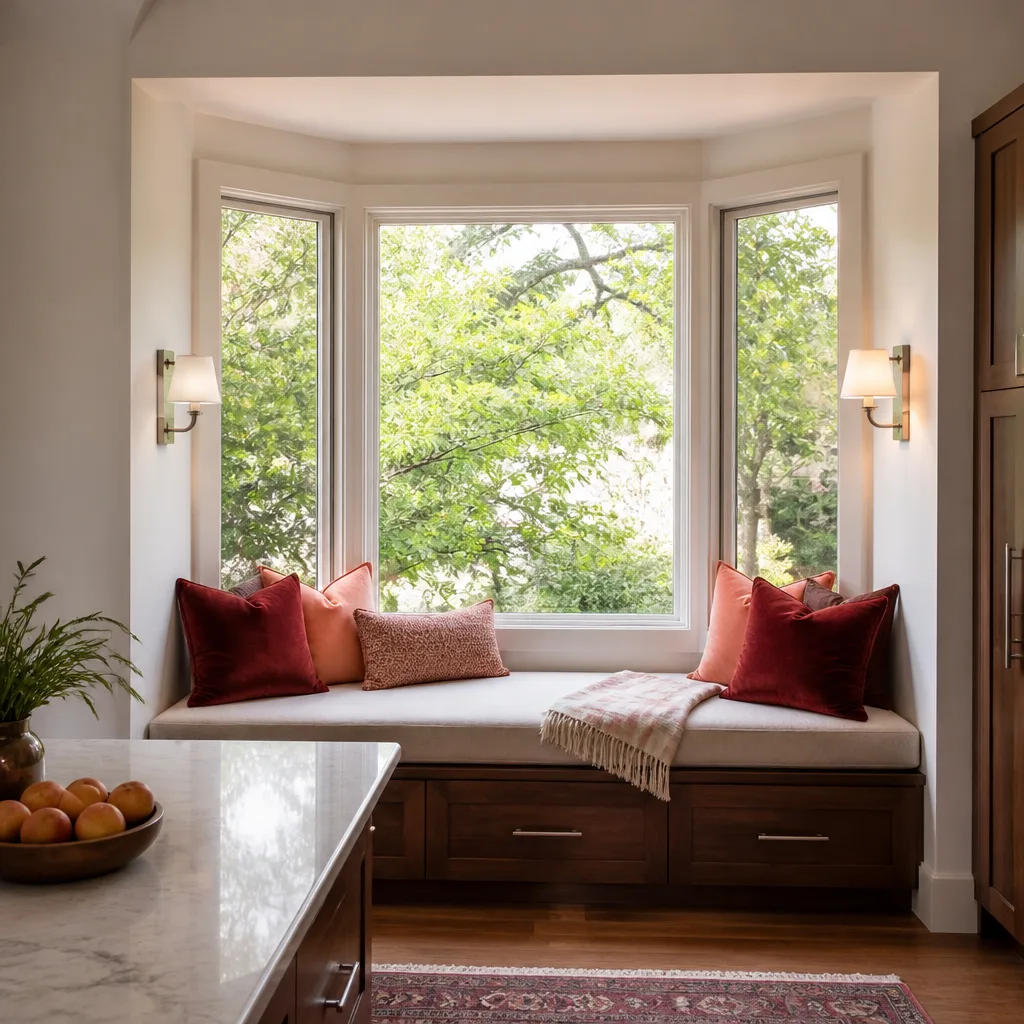
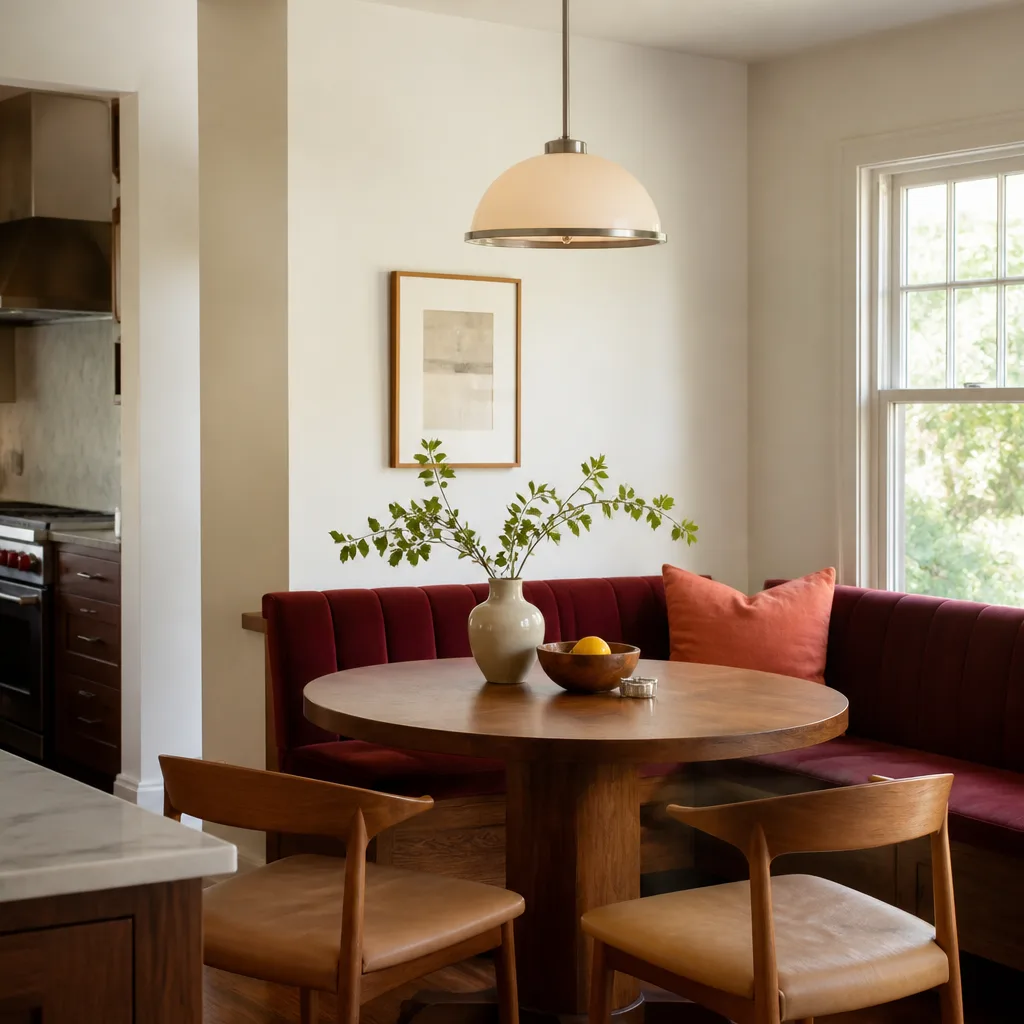
- Kitchen remodel (mid-range): $28,000 to $75,000. Cabinet line, countertop material, and layout changes drive most of the spread. A galley kitchen staying in place sits low; knocking out a wall to the dining room puts you at the top.
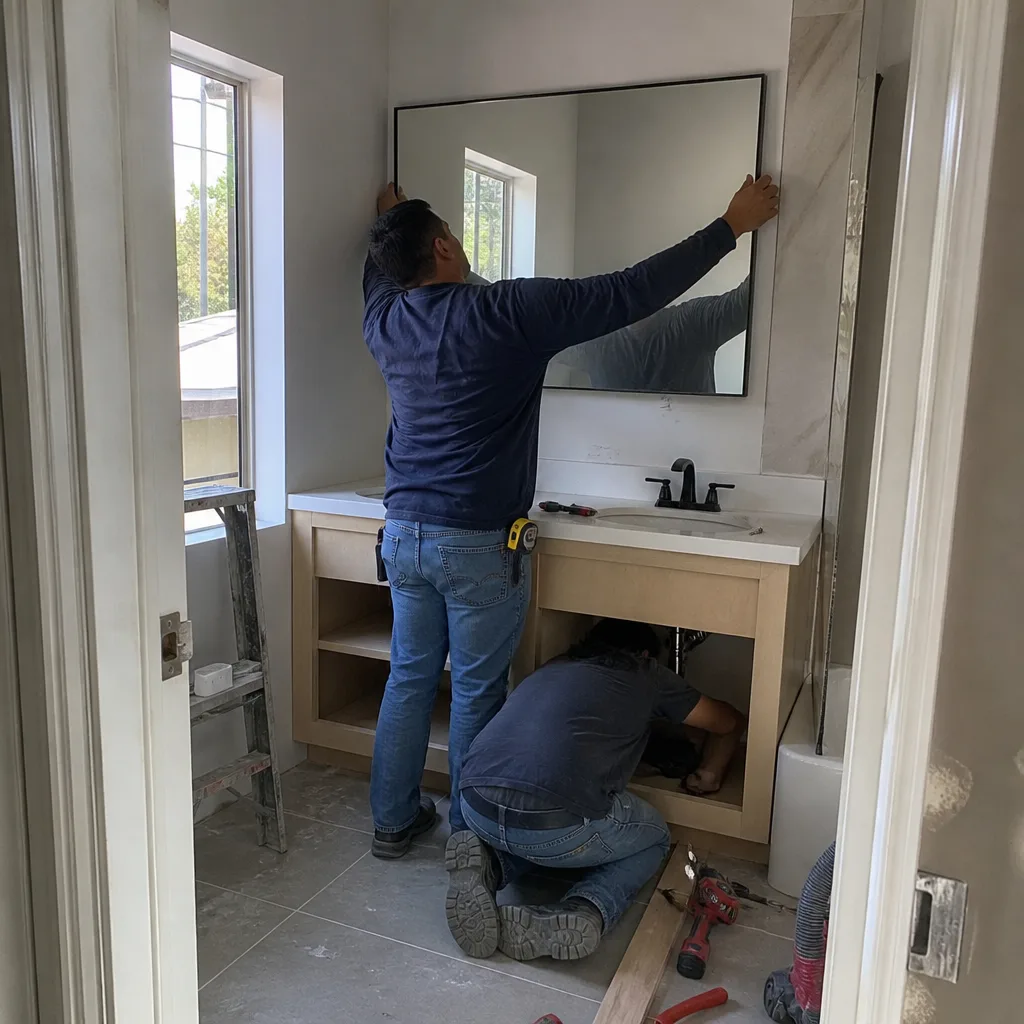
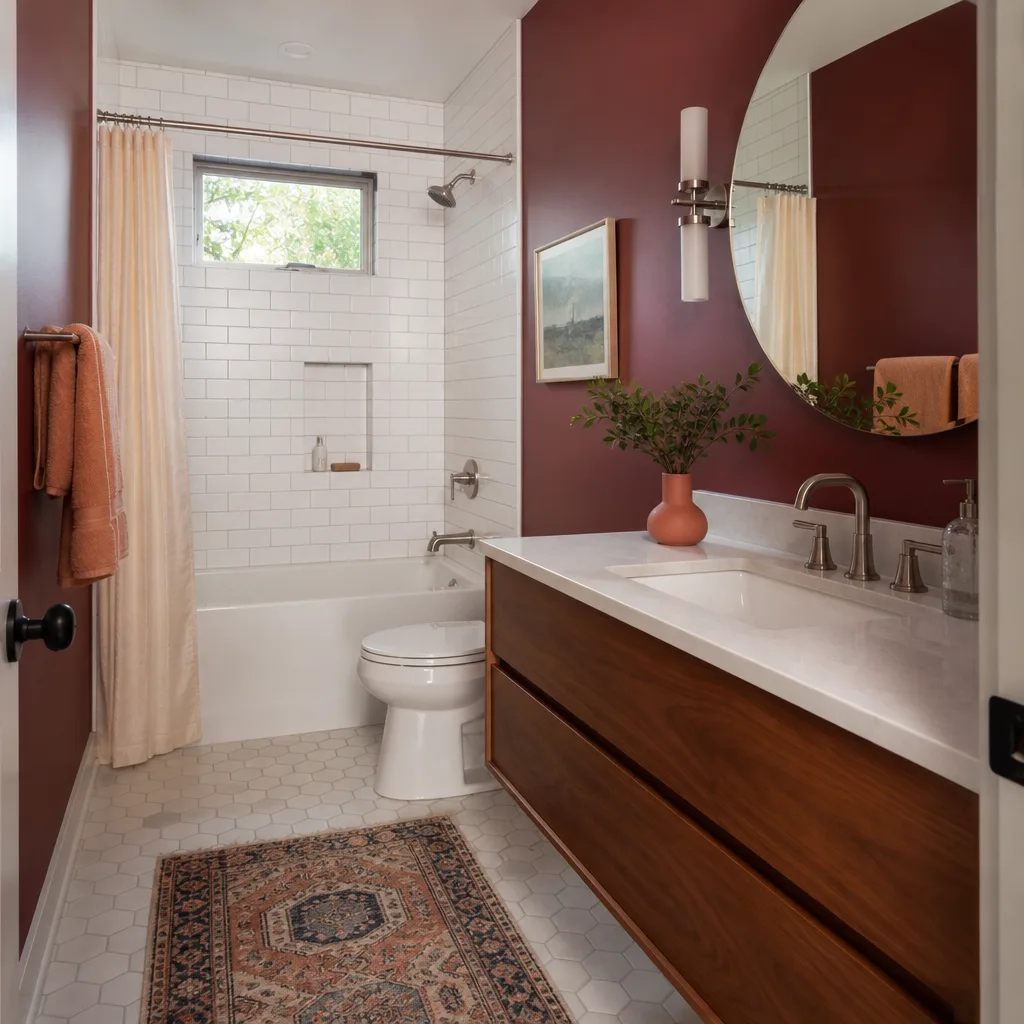
- Bathroom remodel (mid-range): $14,000 to $38,000. Tile, fixture brand (Kohler and Moen sit in the comfortable middle), and whether you relocate plumbing are the big levers. A guest bath refresh lands near $14,000; a primary bath with a curbless shower and heated floor runs past $30,000.
- Garage-to-ADU conversion: $95,000 to $180,000. California’s ADU rules changed the permitting path, but the build itself is still a small house: foundation, framing, full MEP, insulation, and finishes. Pomona’s flat lots make conversions easier than hillside cities, which keeps you toward the lower end when the garage is sound.
- Room addition: $220 to $380 per square foot. A 400-square-foot primary suite lands in the high five figures. Foundation type, roofline tie-in, and whether you’re adding a bathroom move the number.
For a closer look at the specific scope and sequencing behind these numbers, our Kitchen Remodeling in Pomona and Bathroom Remodeling in Pomona pages break down what happens at each stage.
The Hidden Cost Line Every Pre-1980 Pomona Estimate Needs
Asbestos testing and remediation belong in your budget as a line item, not a hope. Homes built before 1980 often contain asbestos in floor tile, mastic, drywall joint compound, and pipe insulation. When you pull up kitchen linoleum or open a wall, you can release fibers if the material isn’t tested first.
A proper pre-1980 Pomona estimate includes a testing allowance of $400 to $900 for sampling, and a remediation contingency of $1,500 to $6,000 if material comes back hot. That’s the number that separates an honest bid from a wishful one. The same goes for knob-and-tube or aluminum wiring, which is common in older Pomona homes and often needs a panel upgrade ($2,500 to $6,000) before new kitchen circuits can be added legally.
We’ve seen this in Wilton Heights and Lincoln Park repeatedly: a homeowner gets three bids, two of them skip the hazmat line, and the low bid wins. Three weeks later, demo stops, the tile comes back positive, and the “savings” evaporate.
One safety note. Never open walls, pull up flooring, or scrape joint compound in a pre-1980 home on your own to “check.” Asbestos and lead don’t announce themselves. Testing is done by a licensed professional before any disturbance, full stop.
How to Read a Cost Breakdown Before You Sign
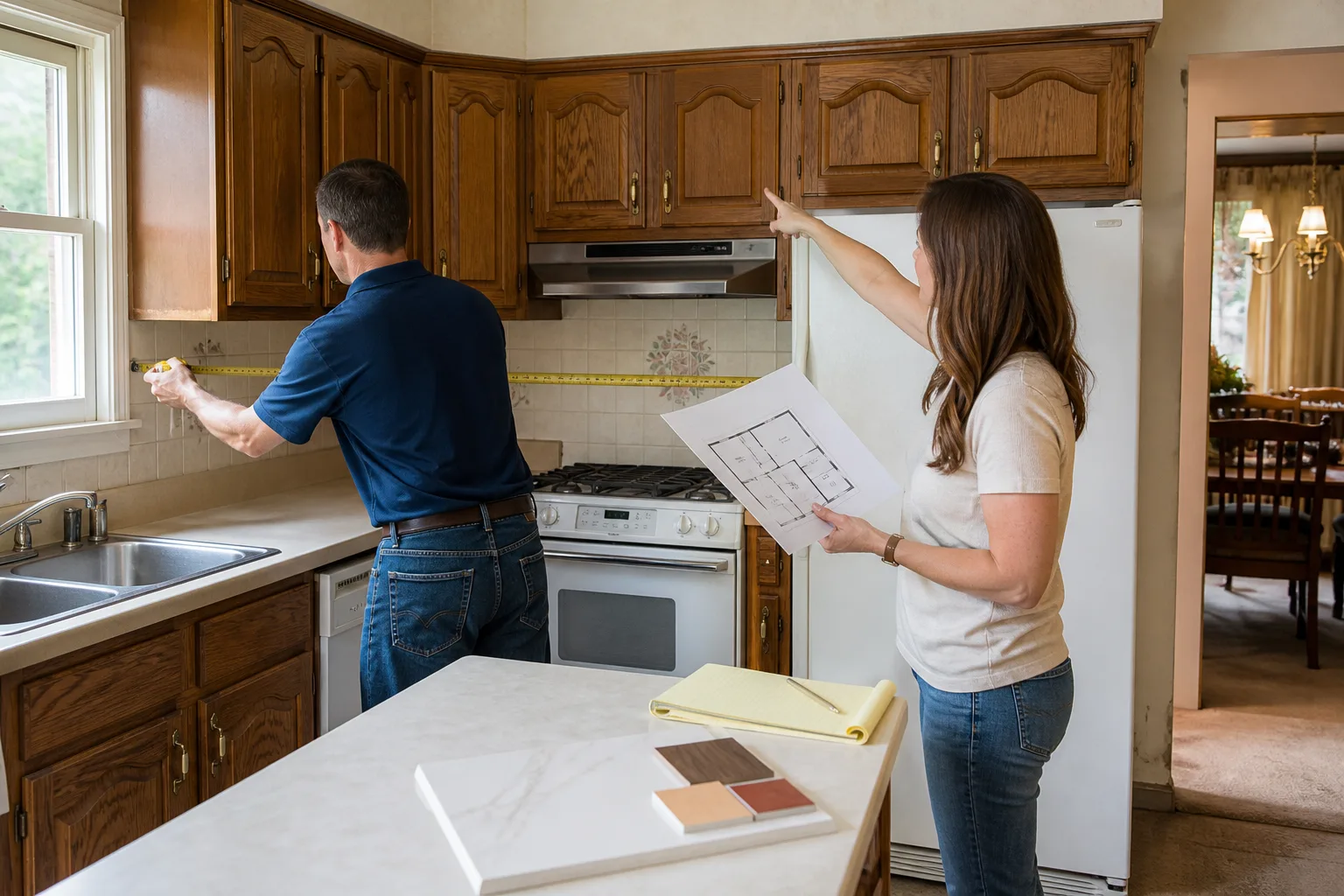
A cost breakdown tells you how a contractor thinks. A thin one hides where the margin is, and that’s where change orders grow. Read it line by line with these questions in mind.
- Is each line itemized or bundled? “Kitchen – $48,000” is not a breakdown. Cabinets, countertops, electrical, plumbing, tile, and labor should each appear with a number.
- Are quantities listed? Square footage of tile, linear feet of cabinet, number of outlets. If a bid says “cabinets” with no quantity or brand, it’s not a price, it’s a placeholder.
- Is the contingency real? A written line item for concealed conditions, typically 10 to 15 percent, tells you the contractor has done this before. Zero contingency on an old Pomona house is a red flag.
- Are permits and inspections included, or excluded? Pulling permits and passing inspection is part of the job, not an add-on. If it’s an extra, so is the cost of the inspector’s time and re-inspection.
- Is the subfloor addressed? In Pomona’s older housing stock, water-damaged subfloor under kitchen cabinets is common. If the bid is silent, expect to hear about it after demo.
If a bid passes those five checks, you’re looking at a contractor who’s thought about the job. If it fails three or four, the low number isn’t low; it’s incomplete.
What Actually Drives the Price Difference Between Contractors
Two Pomona contractors bid the same bathroom. One comes in at $16,000, the other at $26,000. The difference isn’t pure greed. It breaks down into real costs.
- Insurance and licensing. A licensed, insured, bonded contractor pays real money for general liability and workers’ comp. That cost shows up in the bid. A cheaper bid sometimes means a thinner policy, which means you may be exposed if something goes wrong on your property.
- Permit fees and the cost of pulling them. Pomona permit fees for a bathroom remodel typically run a few hundred to a low thousand depending on scope, plus the staff time to pull and close them. Contractors who “skip permits to save you money” are transferring risk to you.
- Subcontractor quality. The tile setter who charges $14 a square foot installs differently from the one charging $9. That difference shows up two years later when one floor is flat and the other isn’t.
- Overhead and how the business is run. A company with real back-office support, written pricing, and a live phone line costs more to operate than one running out of a truck. You’re paying for a system that answers when you call.
- What’s actually included. The cheaper bid often excludes debris removal, final cleaning, or a punch-list visit. Those aren’t extras; they’re the finish.
For a fuller picture of how we scope the whole job, our General Contractor in Pomona page covers the project cycle.
Written Price vs. Allowance: Why Tile Can Double Your Invoice
This is the most common way a Pomona remodeling bill grows after signatures. Look for the word “allowance” in the bid. An allowance is a placeholder: the contractor writes “$2,500 allowance for tile” and prices the job as if you’ll pick a mid-range material at $6 per square foot. If your taste and your budget land on tile at $14 a square foot in a 200-square-foot bathroom, that’s $1,600 more, before install materials and waste factor.
Allowances aren’t dishonest. They’re a legitimate way to bid a job before selections are made. But they get abused when the allowance is set artificially low to make the total look better, and the contractor knows most homeowners will pick above it. A written price with real selections beats a low bid with allowances every time.
We’ve seen Pomona homeowners open their final invoice and find the tile allowance alone accounted for a third of the increase. The fix is simple: before signing, either pick materials and lock them, or insist the allowances reflect realistic selections. Brands like Cambria and Silestone publish price tiers you can look up, so if the allowance is set below the low end, ask why.
In our experience, a written price with real selections is the single largest protection a homeowner has. The number on day one should be the number on the invoice, and if something changes, it changes in writing before work stops, not after.
How Labor and Materials Split Out in 2026
A typical mid-range Pomona kitchen remodel in 2026 splits roughly 45 percent materials and 55 percent labor and subcontractors. The split shifts with the project: bathrooms run heavier on labor (tile setting and plumbing are labor-intensive), while ADUs and additions swing closer to 50/50 because structure and finishes carry more material cost.
On the materials side, cabinets are still the largest line, often 30 to 40 percent of the material budget. A semi-custom line from KraftMaid or Wellborn sits in the middle; fully custom cabinetry can double that number. Countertops are next, and quartz has become the default in Pomona kitchens for good reason: it holds up to heat and stain without sealing. Kohler fixtures stay a common pick for sinks and faucets, with a pricing range that scales from builder-grade to design-forward.
Labor rates in Pomona for 2026 land roughly as follows: framing and rough carpentry at $75 to $110 per hour, licensed electrical at $95 to $135, licensed plumbing at $100 to $145, and finish tile setting at $12 to $22 per square foot installed. Those are real numbers, not teasers, and they’re why two bids that “include labor” can still be $10,000 apart.
Common Mistakes to Avoid
- Taking the lowest bid without reading it line by line. In Pomona, the lowest bid is often the one with the thinnest contingency and the most allowances. What looks like a bargain at signing becomes an invoice shock at the end.
- Accepting a verbal estimate. A number said out loud on a Tuesday is not a price. If it isn’t written, it doesn’t exist, and there’s nothing to hold anyone to when the invoice arrives.
- Skipping hazmat testing in a pre-1980 home. Testing costs a few hundred dollars. Finding out the hard way, mid-demo in a Lincoln Park bungalow, costs thousands and stops the job while you sort it out.
- Not asking who pulls the permits. In Pomona, permit fees and inspection close-out belong in the contract. If the contractor offers to “skip” permits, walk away; you’re the one holding the problem if the city catches up.
- Picking finishes before the layout is locked. Cabinet layout determines cabinet cost. If the layout changes after you’ve picked countertops, the countertop quote changes too.
- Forgetting that Pomona summers are hot and dry. Concrete pours, exterior finishes, and siding work scheduled for July and August need care; work that cures too fast can fail. A good contractor schedules around it, not through it.
- Choosing a contractor who doesn’t put the guarantee in writing. A promise to “make it right” without ink isn’t a guarantee. Ask what’s covered, for how long, and what happens if something fails.
When to Call a Professional
Some work is better left alone. If your project involves moving or removing a load-bearing wall, adding circuits to an older electrical panel, replacing gas lines for a range or water heater, or working with any material that predates 1980, that’s professional territory. The same goes for any bathroom or kitchen where the plumbing or electrical layout is changing; those jobs need permits, inspectors, and a licensed hand on the tools.
If you’re planning a Pomona kitchen, bath, ADU, or addition in 2026 and want a written price before anyone picks up a tool, we’re glad to help. Penhallow Remodeling Pomona offers free estimates in Pomona, with a written price up front, a written guarantee on every project, and a 365-Day Done Right Promise. Call (833) 620-5046 to schedule.
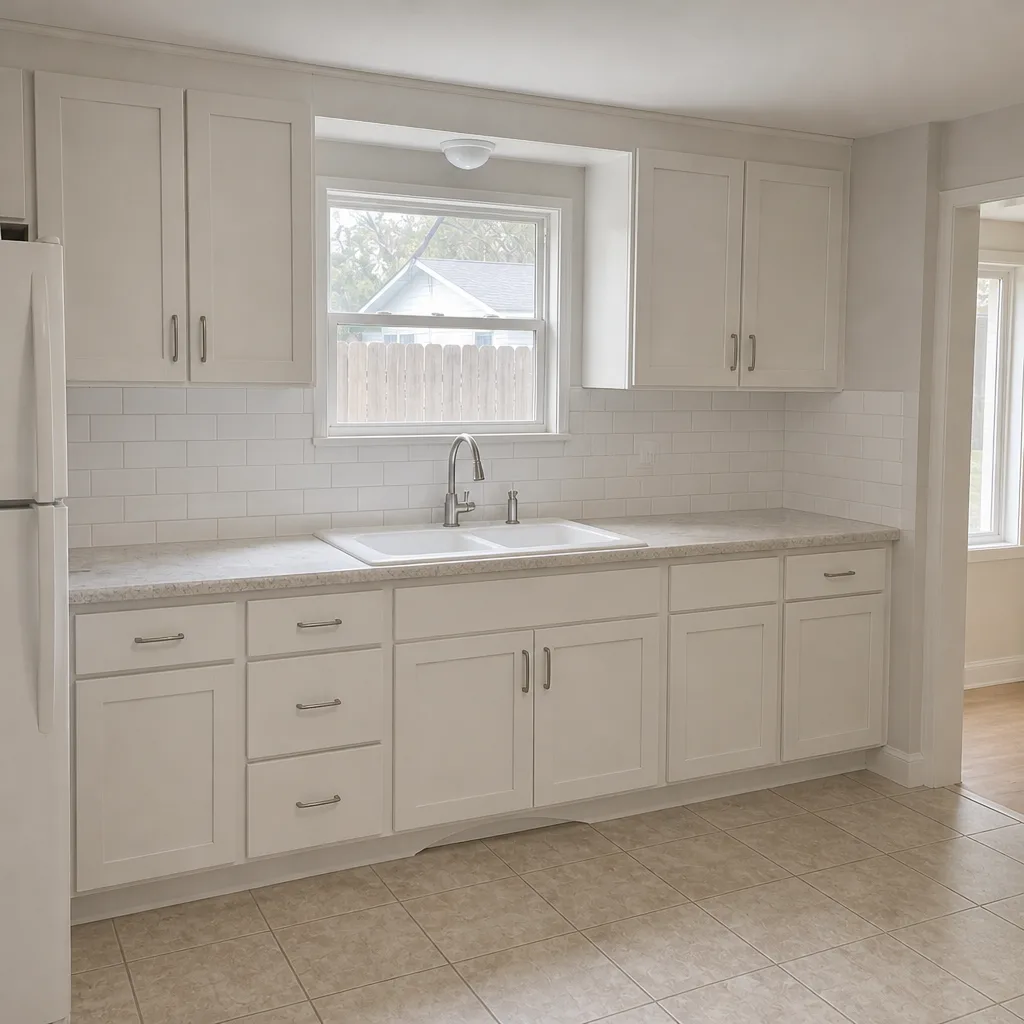
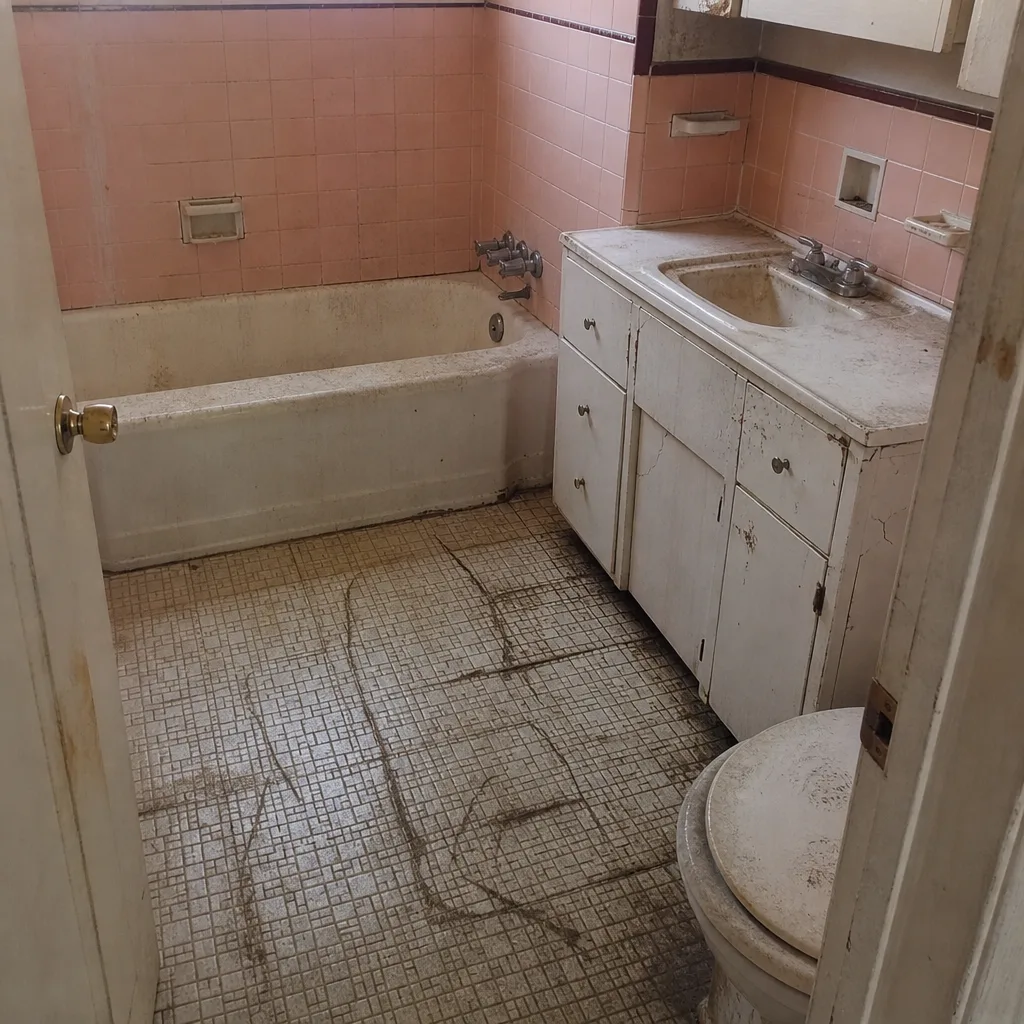
See the difference
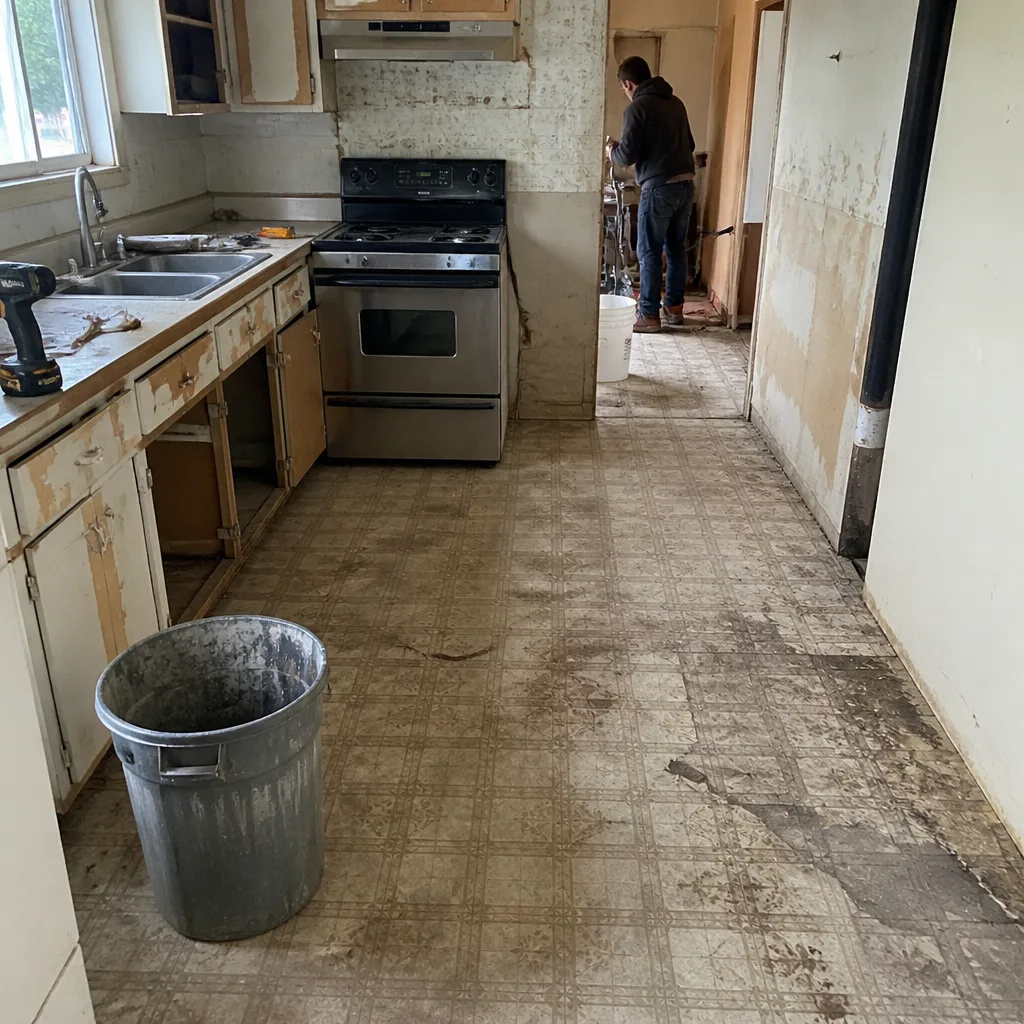 Before
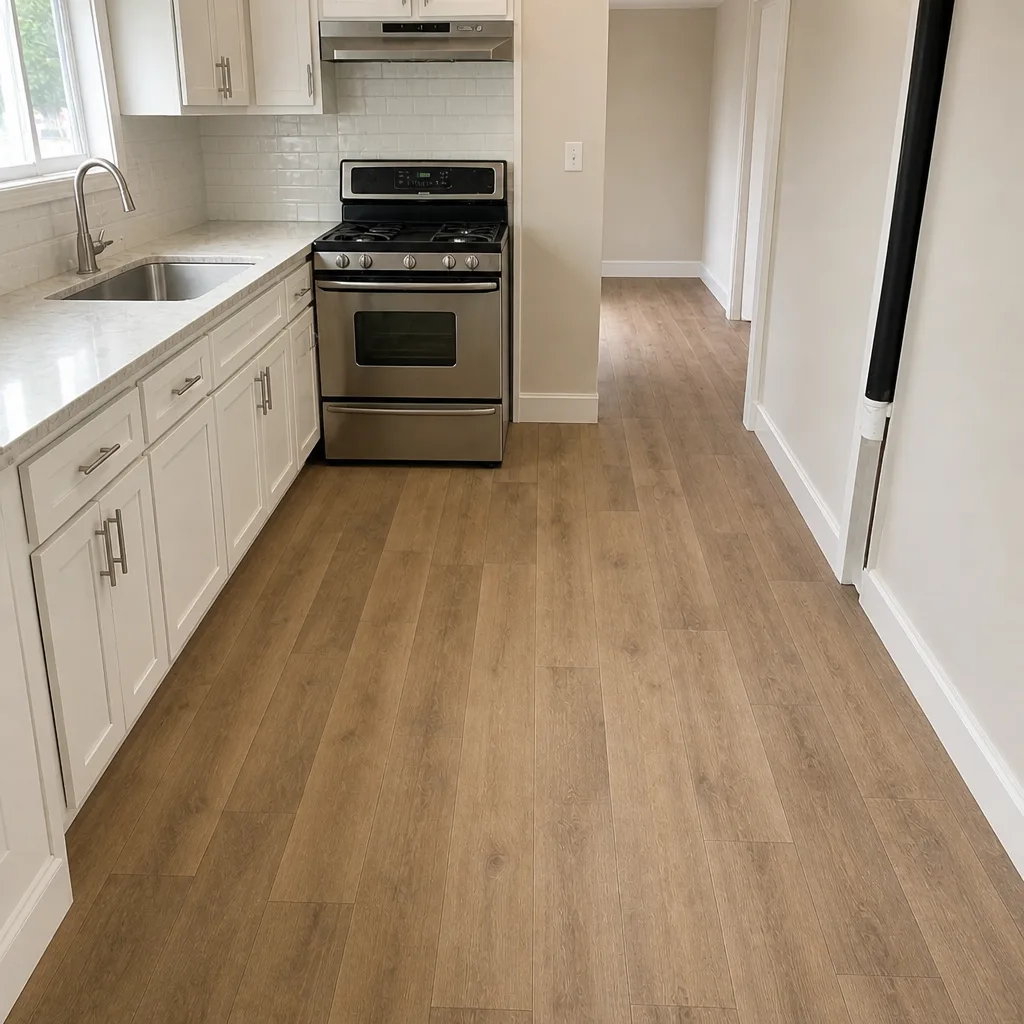 After
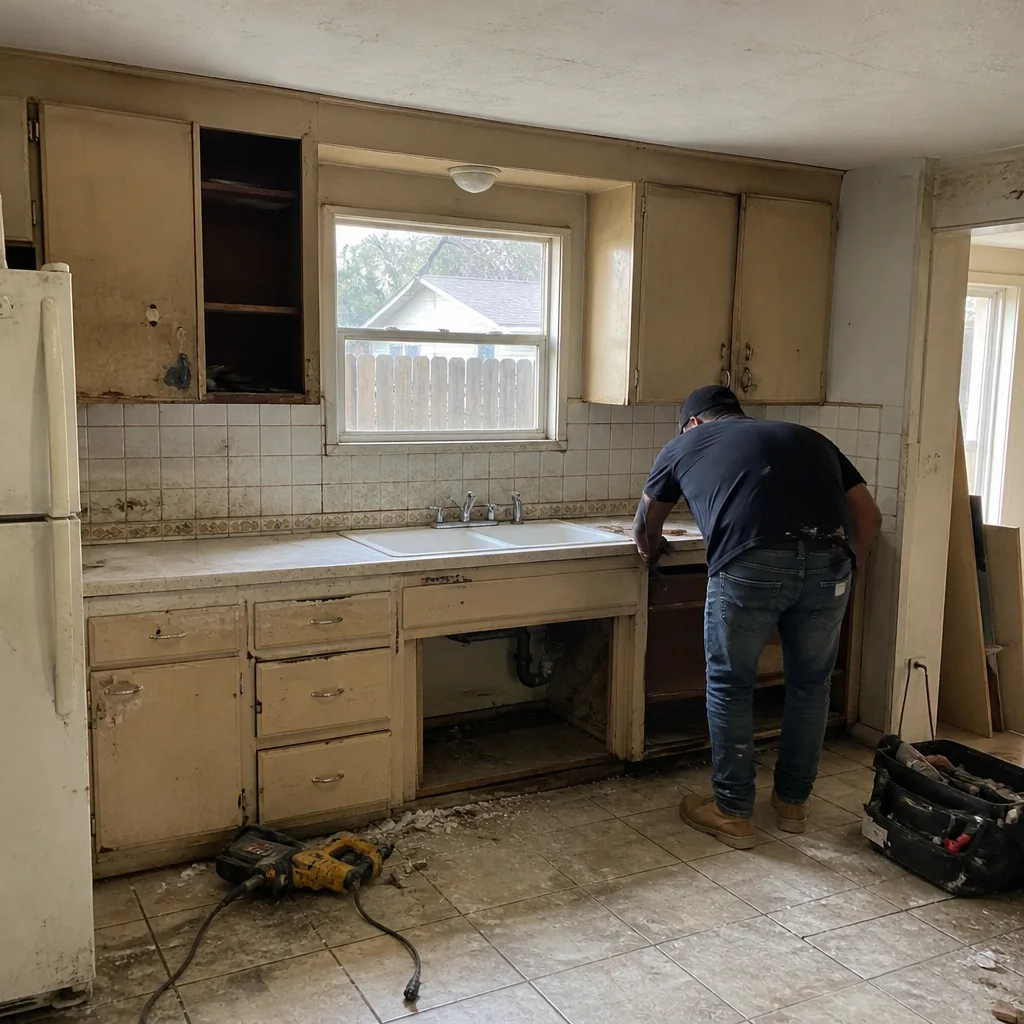 Before
 After
 Before
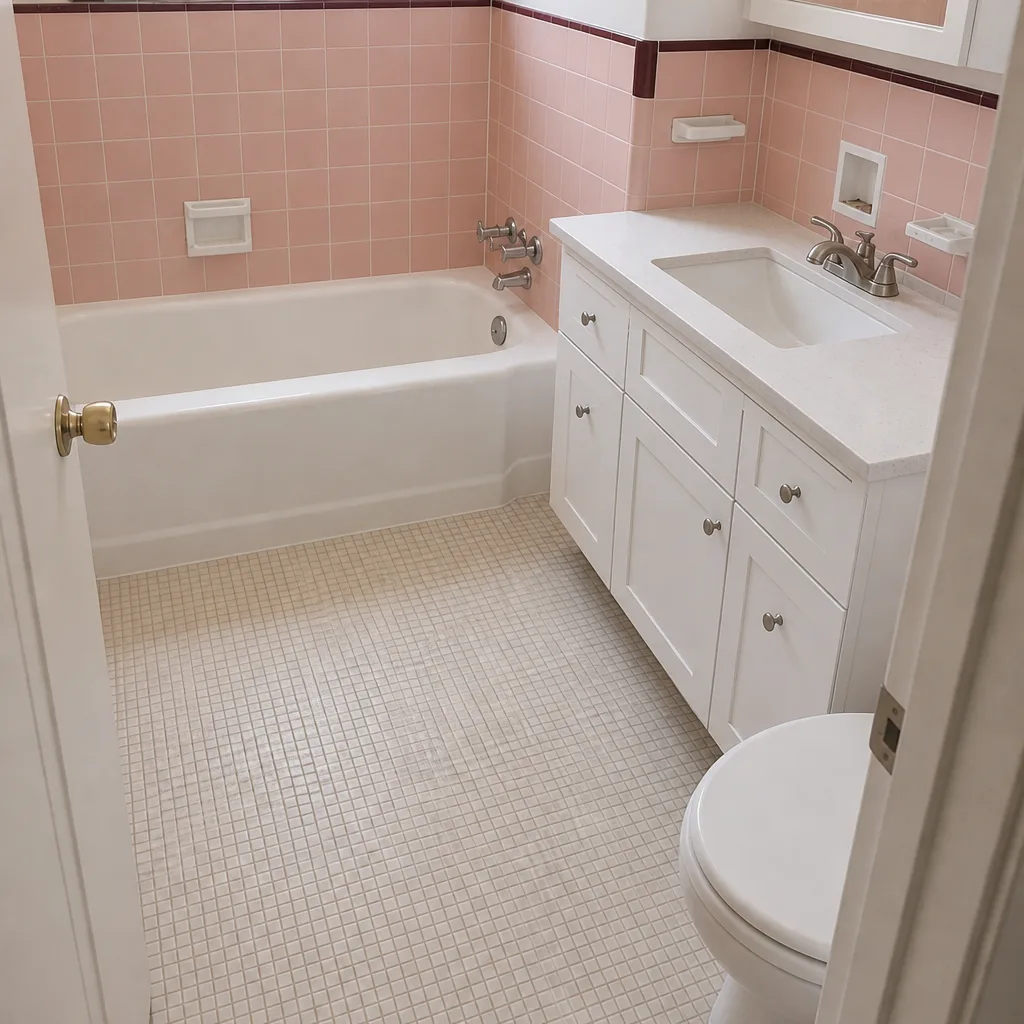 After
Frequently Asked Questions
A mid-range kitchen remodel in Pomona in 2026 typically costs $28,000 to $75,000, with cabinetry, countertop material, and whether walls move accounting for most of the range. A lighter refresh (new countertops, paint, and hardware) runs $12,000 to $22,000. Call (833) 620-5046 for an exact quote on your kitchen; estimates are free and we’ll put the price in writing.
Different prices usually reflect different insurance costs, permit handling, subcontractor quality, and how much is actually included. A bid that excludes debris removal, permits, or a punch-list visit is cheaper because it’s doing less. The right comparison is line item against line item, not total against total. Call (833) 620-5046 and we’ll walk you through what a fair comparison looks like.
Yes, if your home was built before 1980, asbestos testing should happen before any walls, floors, or insulation are disturbed. Sampling typically costs $400 to $900, and remediation, if needed, runs $1,500 to $6,000 depending on scope. Skipping testing to save a few hundred dollars is not worth the risk or the job delay. Call (833) 620-5046 to talk through what your project needs.
Not if the price is written with real selections, a real contingency, and a real scope. Our written price before work starts is the price on the invoice; if concealed conditions turn up, they’re handled in writing before work continues, not added to a final bill. That’s what the 365-Day Done Right Promise backs up. Call (833) 620-5046 for a written estimate.
Yes. Permits and inspections are part of the job for any project that changes structure, electrical, plumbing, or gas. Skipping permits transfers risk to you, and lenders and future buyers will notice. Call (833) 620-5046 and we’ll tell you exactly which permits your Pomona project needs.
A mid-range bathroom takes 3 to 5 weeks, a mid-range kitchen 6 to 10 weeks, a garage-to-ADU 4 to 7 months, and a room addition 5 to 8 months. Timelines shift with permit turnaround at City of Pomona and material lead times, both of which we confirm before we set a start date. Call (833) 620-5046 to schedule your free estimate.
The Bottom Line
Pomona remodeling costs in 2026 come down to three levers: what you’re building, what’s hiding in the walls, and how honestly the bid was written. Lumber corrected partway but not fully, LA County labor rates apply, and pre-1980 homes carry real risk that belongs in the budget. A written price with real selections and a real contingency is your best protection. Allowance-based bids and verbal estimates are where invoices grow. Start with the number in writing, keep the guarantee on paper, and compare bids line by line. Explore our Penhallow Remodeling Pomona home page for more on how we work, or call (833) 620-5046 for a free estimate. Every job gets a written price before work starts, a written guarantee, and a live person on the phone 24/7.
Written by the team at Penhallow Remodeling Pomona.