Last updated November 18, 2026






Free written scope consultation - allowances, timeline, and change-order rules on paper before a single trade is scheduled
Construction Warning Signs: A Pomona Homeowner’s Reference Guide
The contractor who defrauds a homeowner almost never shows up acting like a fraud. They show up friendly, give you a low number fast, and start work before anything is signed. That’s the moment to walk away. The warning signs that cost Pomona homeowners the most money aren’t the dramatic ones – they’re the polite, easy-to-dismiss behaviors that happen before a single tool is lifted. Over the years, our technicians have walked into hundreds of half-finished projects and seen the same handful of mistakes over and over. This guide teaches you to read contractor behavior as carefully as you read their credentials.
Quick Answer
The biggest construction warning signs in Pomona are verbal prices instead of written ones, vague or shifting start dates, pressure to “get started right away,” refusal to pull permits, and a contractor who won’t tell you who’s actually on the crew. If any of those show up before the contract is signed, you’re looking at a project that’s far more likely to go wrong. A legitimate contractor puts the price in writing, names the day they’ll arrive, and shows you the guarantee document before demo day.
Styles & brands we work with
- Kitchen remodeling
- Bathroom remodeling
- Home additions & ADU
- Roofing
- Windows & doors
- Driveway & pavers
- Fence
Table of Contents
- The Verbal Estimate Trap
- Permit Avoidance Language and What It Signals
- Subcontractor Transparency: Who’s Actually on the Crew?
- Change Order Culture: Needed Fix or Margin Padding?
- What a Real Guarantee Document Looks Like
- Pomona-Specific Red Flags: Climate, Codes, and Older Housing Stock
- Reading Behavior Before Credentials
The Verbal Estimate Trap
A price that isn’t in writing before demo starts isn’t a price at all. It’s a wish. This is the single most common warning sign in Pomona remodeling, and it’s the one that costs people the most money. We’ve sat at kitchen tables where a homeowner was told $32,000 for a full kitchen remodel, shook hands, and then watched the final invoice climb past $50,000 once walls came down and the scope quietly shifted.
Here’s what a written estimate does that a verbal one can’t:
- It pins the scope. A written price names exactly what’s included – cabinet line, countertop material, tile, fixtures – so there’s no room to argue later about what “kitchen remodel” meant.
- It survives personnel changes. If the person who quoted you stops returning calls, the written number still belongs to the company, not to an individual who’s since moved on.
- It sets a baseline for change orders. When a real surprise shows up, you can compare it against a written starting point instead of a remembered handshake.
- It’s your only real leverage. A verbal number can’t be enforced. A written one can.
In our experience, contractors who avoid putting a number in writing do it for one of two reasons: they don’t actually know what the job will cost, or they plan to raise it later. Neither is a good sign when you’re about to spend five figures on a Kitchen Remodeling in Pomona project. When you get an estimate, ask for it in writing before anything else happens. If the answer is “I’ll get back to you,” that’s your first clue.
Permit Avoidance Language and What It Signals
“We do this all the time without a permit.” It sounds casual, almost reassuring, like the contractor is doing you a favor and saving you a headache with the city. It’s one of the loudest warning signs you can hear in Pomona construction.
Pomona is a city with a real permit process, and it exists for good reasons: structural safety, electrical load, plumbing, and fire separation. When a contractor dodges permits, three things are usually true at once:
- The scope is being understated. Legitimate work that needs a permit is being framed as minor to justify skipping the inspection. Moving a wall, adding a bathroom, changing electrical – those need sign-off.
- The liability is moving to you. If unpermitted work causes a problem later, the city’s code enforcement and any insurance claim will land on the homeowner, not the contractor who skipped the step.
- Resale gets harder. Pomona homes carry a lot of mid-century and older housing stock, and buyers’ agents know to look for unpermitted additions. That work often has to be torn out or retroactively legalized before closing.
Permits cost money and time. We know that. But a contractor who won’t pull them is telling you something about how they handle the rest of the job too. When work is permitted and inspected, you get a paper trail – a record that the framing, the electrical, the rough plumbing were checked by someone other than the person who got paid to install them. That’s not bureaucracy. That’s the inspection standing between a shortcut and your family’s safety.
Subcontractor Transparency: Who’s Actually on the Crew?
A good contractor can tell you, without hesitation, who will be in your house on any given day. A bad one gets vague. The way a contractor answers the question “who’s on the crew?” tells you almost everything about how the project will go.
Here’s what a straightforward answer sounds like: names or at least roles, whether the crew is in-house or subcontracted, whether those subs are licensed and insured, and what day each trade is scheduled. When it’s a bathroom remodel, for example, a legitimate contractor will tell you exactly who’s doing tile, who’s handling the rough plumbing, and who’s setting the fixtures. When you’re dealing with a Bathroom Remodeling in Pomona job, that transparency matters because bathrooms are dense with trades working shoulder to shoulder on a small footprint.
Watch for these behaviors:
- Unnamed “crews.” “My guys will handle it” is not an answer. Ask for names, roles, and whether they’re on payroll or subcontracted.
- No proof of insurance for subs. A general contractor’s own insurance often doesn’t cover an uninsured subcontractor’s mistakes. Ask for the sub’s license and insurance certificate.
- New faces every day. Rotating unvetted labor is a sign the contractor is bidding to labor brokers, not managing a consistent team. It raises the chance of damage, theft, and workmanship problems.
- Reluctance around background checks. When someone is going to be in your home for weeks, a contractor who doesn’t background-check their crew is signaling that they’ll hire whoever’s cheapest that week.
At Penhallow, our technicians are background-checked and arrive in uniform, and that’s a standard we hold on every job, not a special favor for certain customers. Ask any contractor you’re considering the same question and see how they answer.
Change Order Culture: Needed Fix or Margin Padding?
Some change orders are real. A surprise coming out is not the same as a contractor who bid low to win the job and now needs to make up the difference. Learning to tell the two apart is one of the most valuable skills a homeowner can develop, especially in Pomona’s older housing stock, where genuine surprises are common.
Here’s how to read a change order:
- Legitimate unforeseen condition: Something genuinely couldn’t have been known until demo. A non-load-bearing wall turns out to be load-bearing. Old galvanized plumbing in a 1950s Pomona home is corroded past the shutoff. The subfloor under tile is water-damaged from an old leak. These get documented with photos and a written cost, and a good contractor explains why it wasn’t visible before work started.
- Margin padding: The change order shows up without a clear explanation, often early, often for work that was arguably part of the original scope. The cost feels arbitrary. The contractor can’t point to a specific discovery that made it necessary.
The tell is documentation. A real change order includes photos of what was found, a written description of the fix, and a clear cost. A pad-the-margin change order is often verbal, moves fast, and gets pushed through by someone eager to keep moving. The same applies to “while we’re in there” upgrades: if you didn’t request them, and the scope didn’t require them, they deserve a hard look.
You can also protect yourself before the first change order ever appears. When you work with a contractor operating under The Kingswell Way, the price you receive in writing before work starts is the number on the invoice. If the scope changes because of a genuine surprise, that’s documented separately and transparently. No quiet padding, no verbal creep.
What a Real Guarantee Document Looks Like
A handshake guarantee is a story. A written guarantee is a document. The difference matters most in month eight, when something’s failed and the question becomes: is this covered, and who’s paying?
Here’s what a real guarantee document does:
- States the coverage period in plain terms. “365 days from completion” is clear. “Satisfaction guaranteed” is not.
- Defines what triggers a return visit. Workmanship failures, installation problems, fixture issues tied to the install – the document should say what’s covered and what isn’t (normal wear, damage from misuse, acts of nature).
- Names the remedy. Does the contractor come back and fix it? At what cost? A real guarantee answers both.
- Is signed and dated, and included with the contract. Not a separate promise made verbally on the last day of work. It arrives before the first day.
- Covers every project, not just the big ones. A guarantee that only applies to “major remodels” isn’t a guarantee. It’s a marketing line.
Our 365-Day Done Right Promise is a good example of what to look for: if the work fails inside the first year, we come back and fix it at no charge, and that commitment is written into the contract on every project. The brands we install carry their own warranties too – Cambria quartz countertops, for instance, come with a manufacturer’s warranty that sits alongside the workmanship guarantee, so you have two layers of protection instead of one. Ask any contractor you’re considering for their guarantee in writing before you sign.
Pomona-Specific Red Flags: Climate, Codes, and Older Housing Stock
Pomona has its own set of construction realities that a contractor should know well – and that a contractor who doesn’t work here regularly often misses. If a contractor can’t talk about any of the following, they may not have done many jobs in this city.
The climate is hard on exterior surfaces and interior moisture. Pomona summers run hot, and the dry-wet swing between summer and the occasional wet winter puts stress on stucco, exterior paint, and the seals around windows and doors. Contractors who don’t account for that with proper flashing, cement board substrate in wet areas, and materials rated for the temperature swing will leave you with problems in two or three years. A contractor who says “don’t worry, we do it the same way everywhere” is a warning sign.
Older housing stock hides real surprises. Much of Pomona’s housing was built between the 1940s and 1970s. That means aluminum wiring in some neighborhoods, older galvanized or polybutylene plumbing, and sometimes knob-and-tube electrical remnants. A contractor who never mentions the possibility of these findings before demo is either new to the area or hoping you won’t ask.
Permit and code requirements differ by scope. Structural changes, electrical panel upgrades, bathroom additions, and window replacements each have their own permit requirements in Pomona. A contractor who treats every job the same and skips the permit process on some work “because it’s small” is telling you exactly how they’ll treat your change orders.
Neighborhood context matters. Homes in the Lincoln Park area, the historic districts near downtown Pomona, and the neighborhoods toward the Claremont border each have their own character and construction quirks. A contractor who’s familiar with the area’s housing stock will ask questions before quoting. A contractor who quotes blind is quoting fiction.
Reading Behavior Before Credentials
Credentials matter – license, insurance, bonding, references. But credentials can be faked, and a smooth-talking contractor with a real license can still run a project into the ground. The behaviors are harder to fake. Here’s what to actually watch for in the first conversation:
- Do they give you a number, or a range, or nothing? A written price before any work starts is the baseline. A verbal ballpark is not.
- Do they commit to a start date, or a vague window? A real contractor tells you when they’ll arrive, not “sometime in the next few weeks.”
- Do they say “no” to anything? Contractors who agree to every request without flagging scope, permit, or safety issues are telling you they’ll agree to anything to get the job – and that’s exactly how a project goes sideways.
- Do they put their guarantee in writing? A handshake guarantee disappears the moment the truck leaves. A written one stays with the project.
- Do they answer the phone? A live person answering the phone, seven days a week, at any hour, is a small signal but a telling one. Contractors who only respond to texts during business hours are telling you how they’ll behave when something goes wrong on your job.
If any of those checks fail, walk away. There are enough legitimate contractors in Pomona that you don’t need to gamble on one who’s already showing you how they’ll act. The General Contractor in Pomona you’re looking for is one who shows up to the first meeting with a written number and a written guarantee in hand.
Common Mistakes to Avoid
- Hiring based on the lowest bid alone. A number that’s far below the other quotes usually means something was left out of the scope or hidden in the change orders to come. Ask what’s not included before you compare.
- Starting work before the contract is signed. “We’ll get the paperwork done later, let’s get moving” is how Demo Day surprises become your problem. No tools touch the site until the contract and guarantee document are in your hands.
- Accepting a verbal change order. If a change comes up mid-project, it should arrive in writing with photos and a clear price. A verbal agreement on a $4,000 add-on has a way of becoming $8,000 by invoice time.
- Overlooking permits on “small” work. Electrical, plumbing, and structural work are often mislabeled as minor. In Pomona, skipping a permit on a bathroom rough-in or an electrical add-on often means it has to be redone or retroactively permitted at your expense.
- Not asking who’s on the crew. Confirming names, roles, licensing, and background checks before work begins is not rude. It’s basic due diligence, and the right contractor will welcome it.
- Treating “I’ll make it right if anything goes wrong” as a guarantee. If it isn’t in writing with a coverage period and a stated remedy, it’s a favor, not a promise.
- Hiring a contractor without a local track record. Neighbors, local real estate agents, and past clients in Pomona are reliable references. A contractor with no local references in the area is a question mark, no matter how confident they sound.
See the difference
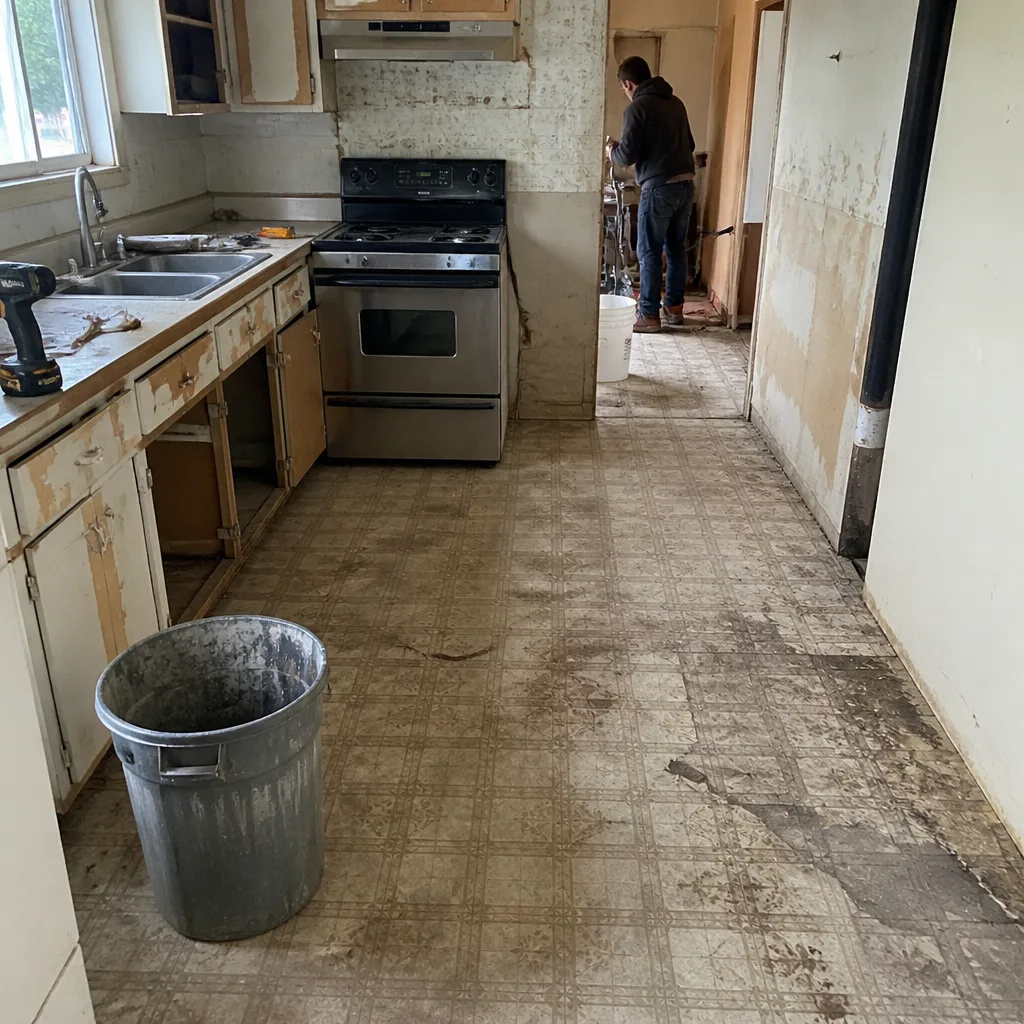 Before
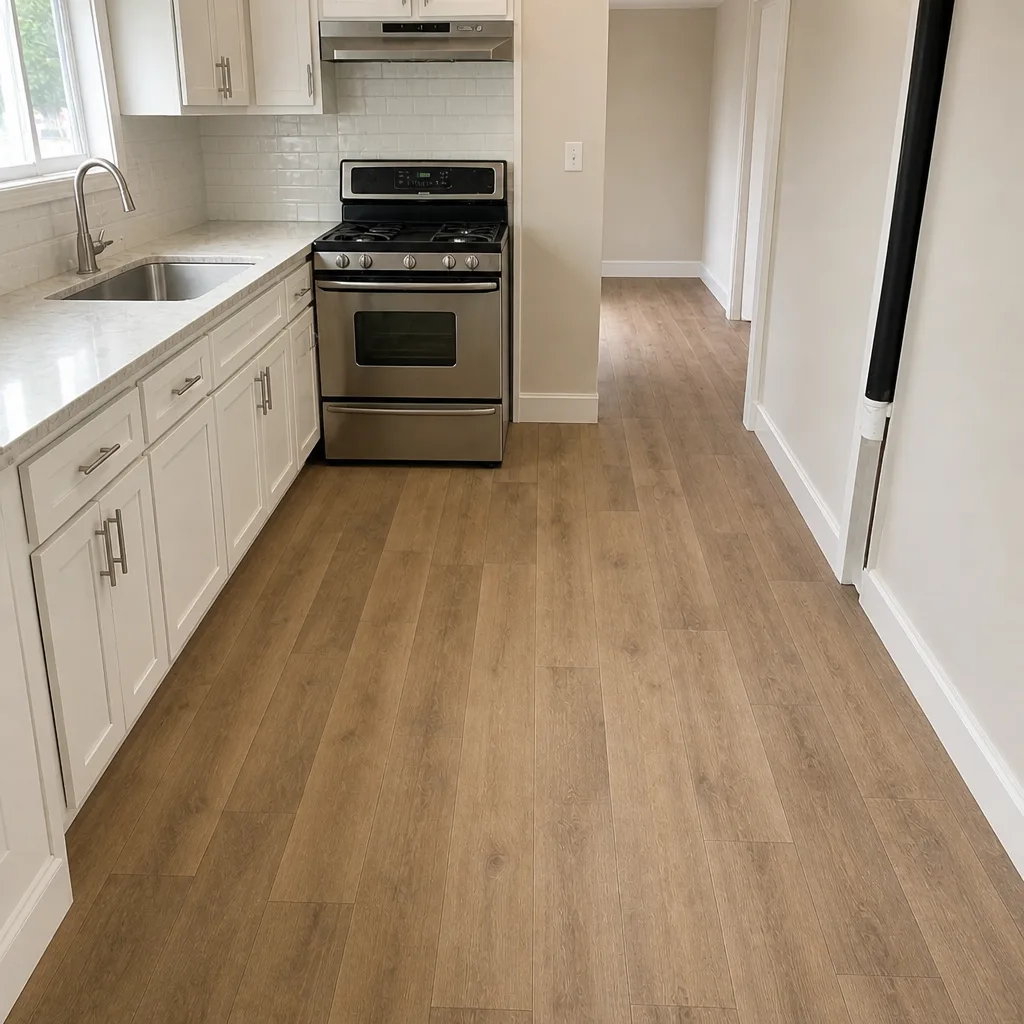 After
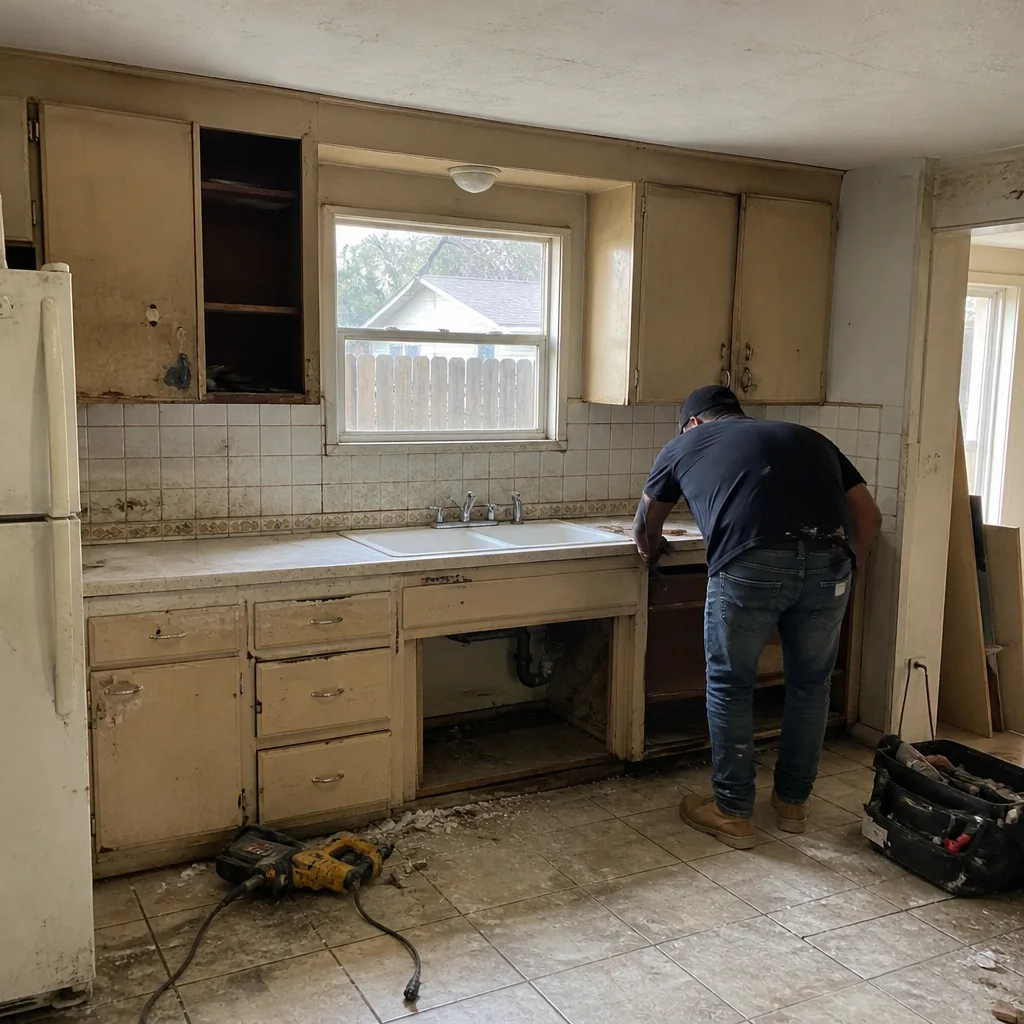 Before
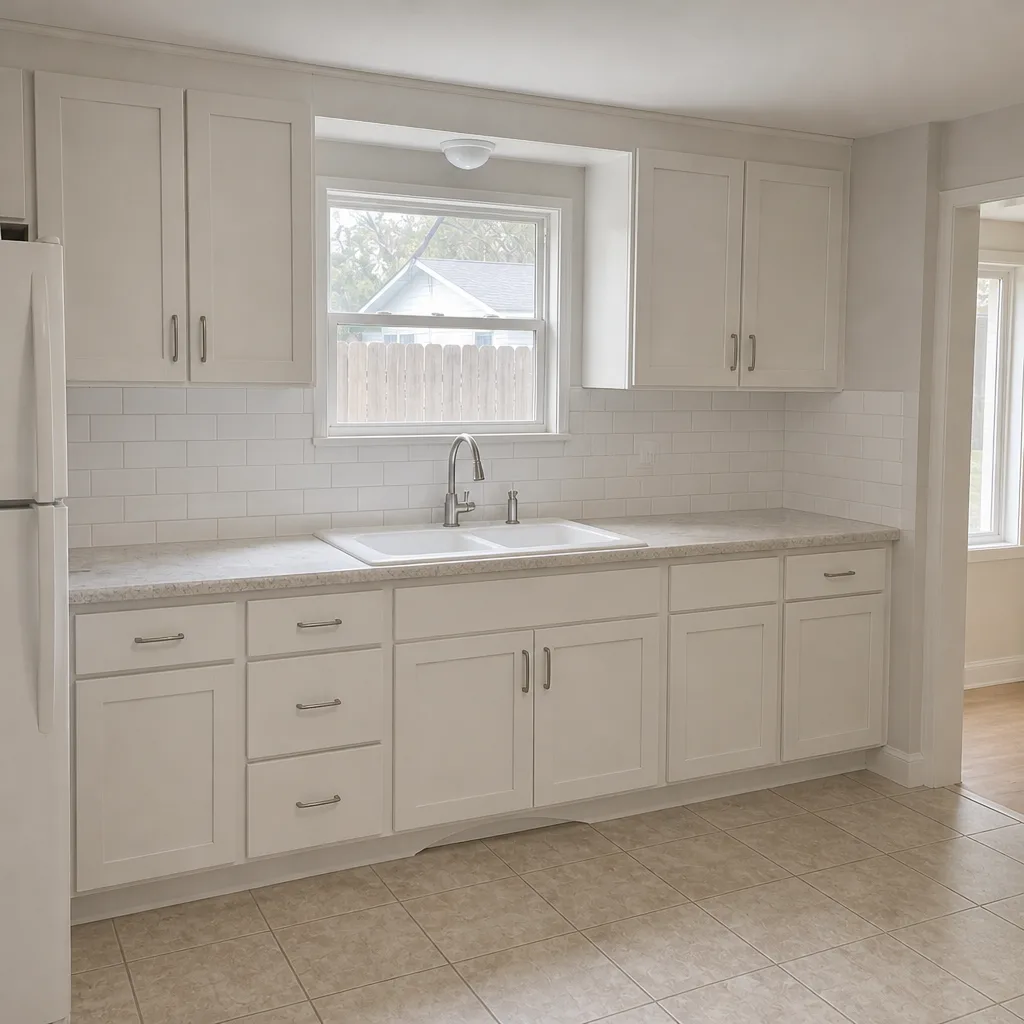 After
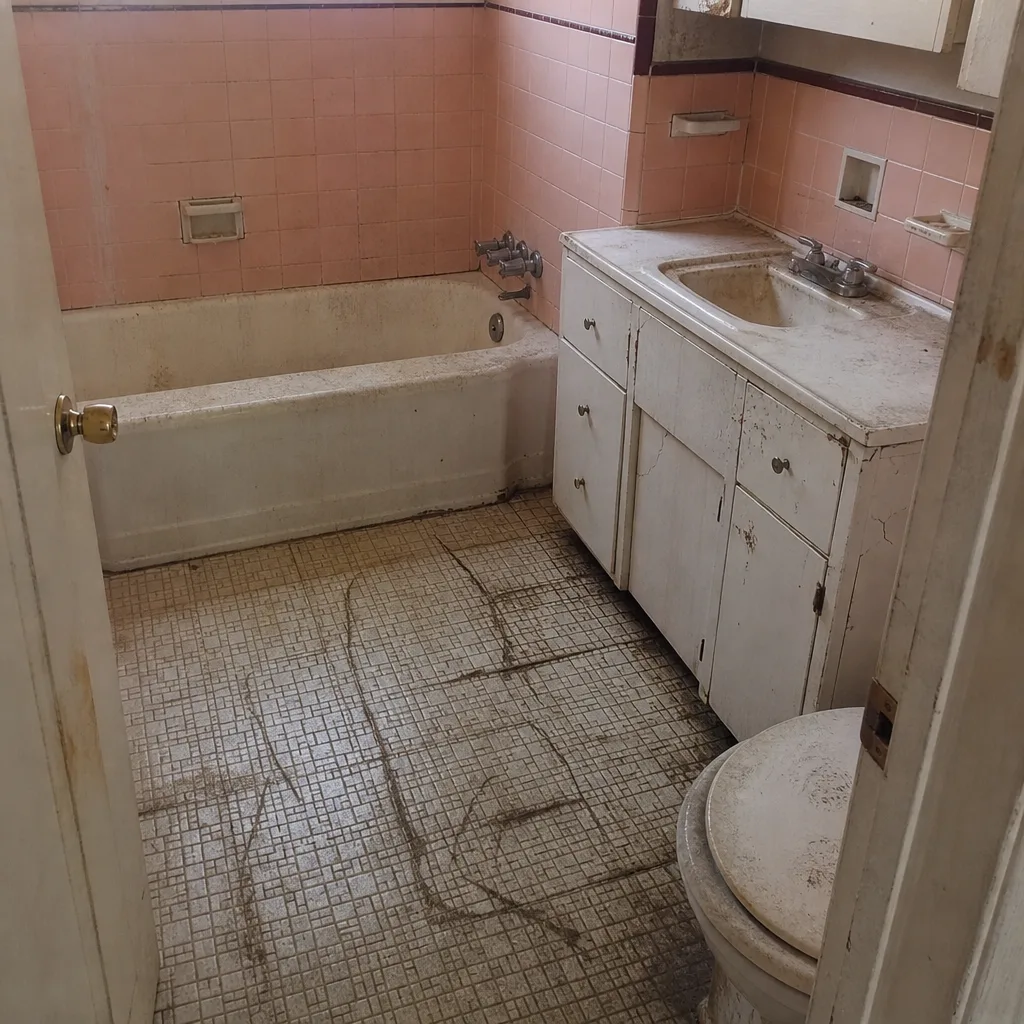 Before
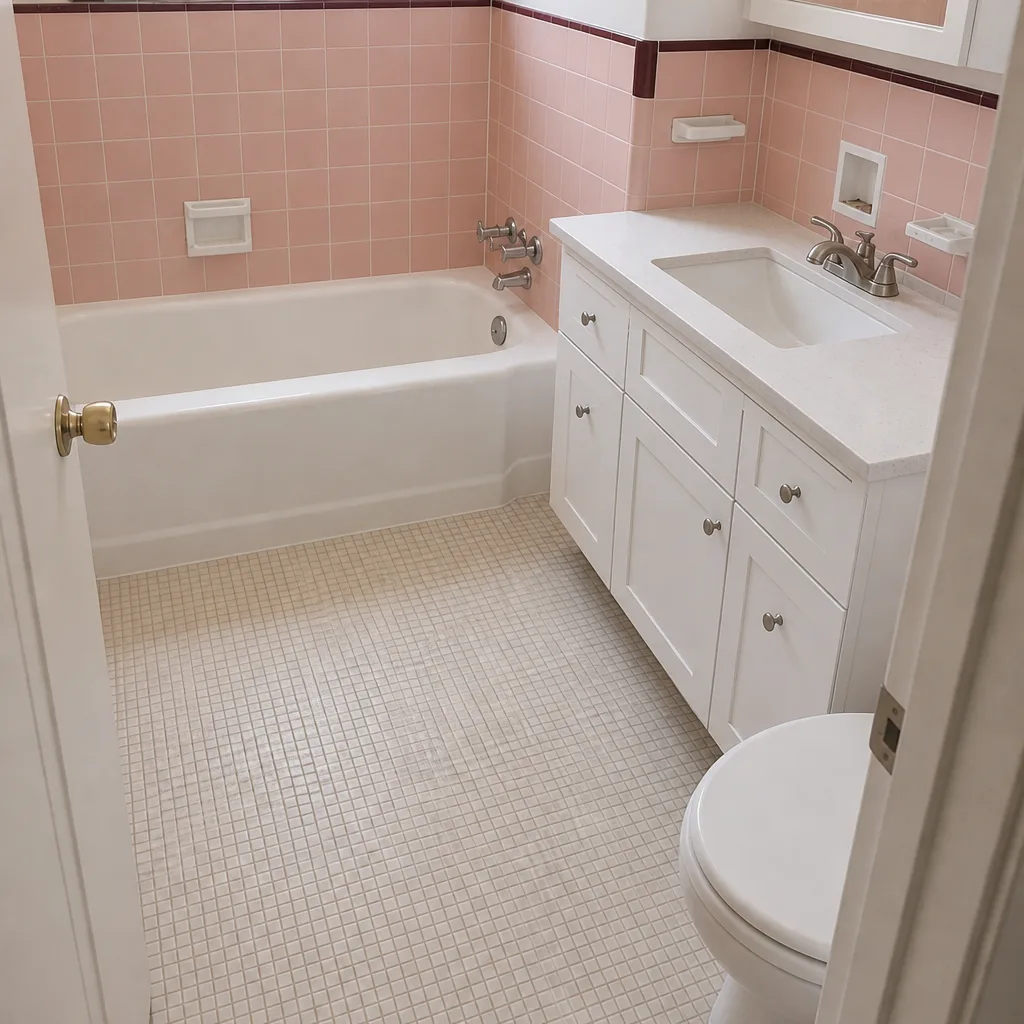 After
When to Call a Professional
Some warning signs you can spot from a single conversation. Others only surface once work is underway, or once a prior contractor has walked away. Call a professional when:
- You’ve received a verbal price but no written estimate, and weeks have passed.
- Your contractor is avoiding the topic of permits, inspections, or licensing.
- A previous crew left work half-finished, and you need an assessment of what’s actually safe to build on.
- You’ve been told a change order is “necessary” without photos or written explanation.
- Your guarantee is a verbal promise, and the first problem has already appeared.
If any of those describe your situation, it’s worth getting a second opinion before spending more money. For homes across Pomona, those assessments start with a free estimate and a written scope. Call (833) 620-5046 to schedule yours – you’ll get a live person and a written price before anyone picks up a tool.
Frequently Asked Questions

The most common warning sign is a contractor who won’t put the price in writing before demo starts. Verbal estimates are the foundation of almost every cost overrun we’ve seen in Pomona – the price shifts, the scope expands, and the homeowner has no written baseline to compare against. If you can only check one thing, check that the price is written and signed before work begins.
Kitchen remodels in Pomona typically run $18,000 – $55,000 depending on layout, cabinet line, and countertop material. A smaller galley kitchen with stock cabinets and a mid-range countertop lands closer to the low end, while a full layout change with custom cabinetry from a line like KraftMaid or Wellborn, plus Cambria or Silestone countertops, sits at the higher end. Call (833) 620-5046 for an exact quote – estimates are free and written.
It shouldn’t, unless a genuine unforeseen condition comes up that couldn’t be seen before demo. A written estimate that holds through the project is what The Kingswell Way requires: the number on day one is the number on the invoice, except for documented changes you approve in writing. If a contractor tells you to expect the price to move once work starts, ask why – and get the answer in writing before you sign anything.
Yes – permits and inspections are part of the project on any work that requires them in Pomona. That includes structural changes, bathroom additions, electrical, plumbing, and much of the exterior work that goes into a Penhallow Remodeling Pomona home remodel. If a contractor tells you permits aren’t necessary “because they do this all the time,” that’s a warning sign worth walking away from.
A real guarantee document names the coverage period (ours is 365 days), defines what’s covered and what isn’t, and states exactly what the contractor will do if something fails – typically a return visit and a repair at no charge. It’s signed, dated, and included with the contract before work starts. A verbal promise on the last day of the project is not a guarantee. Ask to see the document before you sign the contract.
Ask for two or three recent customers within Pomona and, ideally, within your neighborhood. Then actually call them. Ask what the project cost, whether the price stayed where it started, whether the crew showed up when they said they would, and whether the contractor came back when something went wrong. Local references are more useful than reviews, because you can ask follow-up questions and get specific answers about projects similar to yours.
The Bottom Line
The warning signs that matter most in Pomona construction aren’t dramatic. They’re the friendly contractor who never puts a price in writing, the vague start date, the “we’ll get to the paperwork later,” the crew you’ve never met, the handshake guarantee. Read the behavior, not just the credentials. Demand a written price before work starts, a written guarantee on every job, and honest answers about permits, scopes, and change orders. Do that, and the worst outcomes in remodeling become far less likely to land on your project. Call (833) 620-5046 to schedule a free estimate and get a written number in hand.
Explore more of what we do across Pomona on our main page, read the Kitchen Remodeling in Pomona guide for project-specific detail, and if you’re planning a whole-home remodel, start with the general contractor overview or the Bathroom Remodeling in Pomona guide for bathroom-specific scope questions.
Written by the team at Penhallow Remodeling Pomona.