Last updated November 18, 2026







Free written scope consultation - allowances, timeline, and change-order rules on paper before a single trade is scheduled
Construction Emergency Preparedness Guide for Pomona Homes
After a significant seismic event, unlicensed contractors flood the Inland Empire within about 48 hours. California law makes it illegal to solicit disaster-area work without a CSLB license, but homeowners in a panic don’t always check, and that’s exactly what disaster-chasers count on. The same dynamic shows up after a wildfire season or a hard rain event: crews appear offering to “make it safe” for cash, and the homeowner is left holding a repair that fails inspection or cracks again in six weeks. This guide gives Pomona homeowners a decision tree for the moment something goes wrong, so you know what to check before you re-enter, what to photograph before anyone touches the work, which repairs need a permit, and which contractor to call first.
Quick Answer
Construction emergencies in Pomona fall into three real categories: earthquake damage (structural cracks, displaced framing, compromised chimneys), wildfire ember intrusion (attic, vent and eave damage that often shows up months later as interior water damage), and flash-flood foundation issues in the foothill and wash-adjacent neighborhoods. The first move in any case is the same: make the home safe and document the damage with dated photos before a single contractor touches the work. Then confirm which repairs need a permit, and only then call for pricing, in writing, with a guarantee attached.
Styles & brands we work with
- Kitchen remodeling
- Bathroom remodeling
- Home additions & ADU
- Roofing
- Windows & doors
- Driveway & pavers
- Fence
Table of Contents
- The first 24 hours after a seismic event in Pomona
- Pomona’s wildfire ember risk: what to check before interior damage shows up
- Flash flooding and foundation movement in the Pomona wash corridors
- Which emergency repairs need a California permit, even under emergency conditions
- How to document damage for insurance before any contractor touches the work
- What a written emergency repair estimate should include
- How to verify a contractor in a disaster zone
- When emergency repair turns into a full remodel
The First 24 Hours After a Seismic Event in Pomona
The 24 hours after a noticeable earthquake is when the most dangerous decisions get made, mostly because people are scared and moving fast. The order of operations matters more than speed. Pomona sits on the eastern edge of the Los Angeles basin, close enough to the San Jose and Chino fault systems that a moderate event can produce real structural movement in older housing stock without an obvious collapse.
Here is the checklist we walk homeowners through:
- Don’t re-enter until the shaking has fully stopped and you’ve listened for the sound of gas or the smell of it. If you smell gas, leave, call your utility from outside, and don’t flip switches.
- Check the exterior first, from outside. Look at the chimney, brick veneer, and any second-story balcony or landing. A cracked or leaning chimney is a fall hazard and often signals internal damage that isn’t visible from the ground.
- Look at door and window frames. A door that suddenly sticks, or a window that won’t close, is one of the clearest early signs of racking, where the framing has moved out of square.
- Check the foundation line where the house meets the slab or the stem wall. New stair-step cracks in brick or block, or a horizontal crack, are worth a professional look.
- Photograph everything before moving anything. This is the step most panic-wrecked homeowners skip, and it’s the one that saves the insurance claim.
- Shut off the gas only if you smell it or hear it hissing. Turning it back on requires the utility, which adds days to your timeline if you shut it off unnecessarily.
If anything in steps 2 through 4 looks off, call a licensed contractor for an inspection before you start moving furniture back in or covering cracks with paint. Our technicians have up to 22 years of experience reading this kind of damage, and the pattern they look for is different from what a panicked homeowner sees. You can also read more about the broader work we handle as a general contractor in Pomona.
Pomona’s Wildfire Ember Risk: What to Check Before Interior Damage Shows Up
Pomona sits on the inland side of the San Gabriel range, which means wildfire smoke and ember drift from the mountains hit this city on the same wind events that push fires westward. Most of the damage from embers isn’t the fire itself. It’s embers that land, smolder, and leave behind small breaches in the building envelope, around attic vents, soffits, and eave gaps. Those breaches don’t show up as fire. They show up six months later as water intrusion, mold, and a soft spot in the ceiling near an exterior wall.
What to check after a major fire season:
- Attic vents and ridge vents. Embers can lodge in or deform vent screens. Any screen that’s melted, warped or torn needs replacement, and any gap larger than about 1/8 inch is an entry point for both embers and rodents.
- Soffits and eave returns. Look for charring, melting or blackening on the underside of the eaves. A licensed contractor should examine eave framing if the paint has blistered in a localized spot, because that’s often where an ember was extinguished by irrigation or condensation.
- Under-deck and porch ceilings. Apartment owners and homeowners with covered porches should check the deck-underside framing for smoke staining that didn’t come from the interior.
- Gutters and roof valleys. Full of dry debris, a gutter channel can carry a small ember across the whole roof line.
James Hardie siding is a common choice for replacing damaged exterior cladding in Pomona because it resists flame spread far better than wood and holds up under the heat cycling this climate produces. If you’re facing a full envelope repair, that’s a conversation to have with a licensed contractor before you sign anything.
Flash Flooding and Foundation Movement in the Pomona Wash Corridors
Pomona’s foothill areas and the neighborhoods near the historical wash corridors take on water fast when a heavy rain event hits. The soils in these areas range from sandy loam to expansive clay, and the difference matters for what happens to a foundation. Clay expands when it’s saturated and shrinks as it dries, which produces the vertical movement that shows up as cracking along the slab edge, doors that close only in the dry months, and stair-step brick cracks at the corners of the home.
What to look for after a hard rain event in Pomona:
- Water pooling against the foundation. Standing water within a few feet of the house for more than a day is a grading problem that needs correction, not a landscaping problem.
- Cracks in the interior drywall above door headers and at the corners of windows. Diagonal cracks running at roughly 45 degrees from a corner are the classic pattern of foundation movement.
- A door that swings on its own, or a floor that has developed a slope. Both are signs of differential settlement, meaning one part of the foundation is moving faster than another.
- Foundation drain backup. French drains, sump pumps and downspouts that weren’t maintained before the storm are the most common source of the water problems we see in Pomona after a rain event.
Foundation repair is one of the cases where emergency work and permanent work are not the same thing. Temporary shoring or dewatering is sometimes appropriate under emergency permit provisions, but the permanent repair always needs a permit and an inspection.
Which Emergency Repairs Need a California Permit, Even Under Emergency Conditions
This is the part of an emergency most homeowners get wrong, and it’s the part that catches them at resale or during an insurance claim. California’s emergency permit provisions are narrower than most people assume. The state allows certain immediate safety repairs without a permit, but only when there’s a genuine threat to life or safety and only for the specific work needed to remove the threat.
Here’s the practical breakdown for Pomona homeowners:
- Usually allowed without a permit (safety-only work): shoring up a damaged wall or roof to prevent collapse, emergency board-up, temporary tarping, shutting off gas or water, and removing debris that blocks egress.
- Still requires a permit: structural repairs, replacing framing, re-roofing beyond temporary patching, electrical repairs beyond disconnecting a damaged circuit, plumbing repairs beyond shutting the water off, and any foundation repair beyond temporary shoring.
- Requires a permit and an inspection before the insurance claim can close: replacing a damaged wall section, rebuilding a chimney, and any repair that affects the building’s structural envelope.
The distinction is useful, but it’s also a place where homeowners get talked into shortcuts. A contractor who tells you the permanent repair doesn’t need a permit is telling you something about how the rest of the job will go. Any licensed contractor working in Pomona pulls permits and passes inspection as a matter of course. Rebuilding a bathroom after a water loss is one example where the work is often urgent but the permit is still required; you can see how that plays out on our bathroom remodeling in Pomona page.
How to Document Damage for Insurance Before Any Contractor Touches the Work
Photos taken after demolition are nearly useless for an insurance claim. That’s the sentence we repeat most often to Pomona homeowners, and it’s the one that gets ignored in the rush to start repairs. An insurance adjuster needs to see the damage as it existed, before any material was removed, before any drying equipment arrived, and before any temporary repair was in place. Once the damaged drywall is on the curb, you’ve lost the visual proof of what the adjuster is supposed to be paying for.
Here’s how to document damage so the claim holds:
- Photograph wide, then close, then with a reference object. Take a wide shot of the room, a close shot of the damage, and a third shot with a ruler, a coin, or a hand in the frame for scale.
- Photograph the source, not just the result. If a pipe burst under the sink, photograph the failed fitting before the plumber replaces it.
- Timestamp everything. Most modern phones stamp metadata automatically; verify that it’s on.
- Save damaged material samples in a bag. A piece of damaged flooring, a section of drywall, or a burned piece of trim is often requested by the adjuster.
- Get the written estimate before demo. The written scope and price should reflect the damage as documented, not as seen after demolition.
- Keep a running log. Date, time, who was on site, what was done. This becomes the paper trail if the claim is disputed.
Your insurance policy and the adjuster’s timeline drive what gets covered, but a written estimate and a documented damage file are what make the difference between a claim that closes clean and one that drags. If a permanent repair requires replacing cabinetry or countertops, the documentation is what supports the replacement cost, which is why we name KraftMaid, Wellborn, Cambria and Silestone in our written estimates rather than generic “cabinetry and countertops.”
What a Written Emergency Repair Estimate Should Include
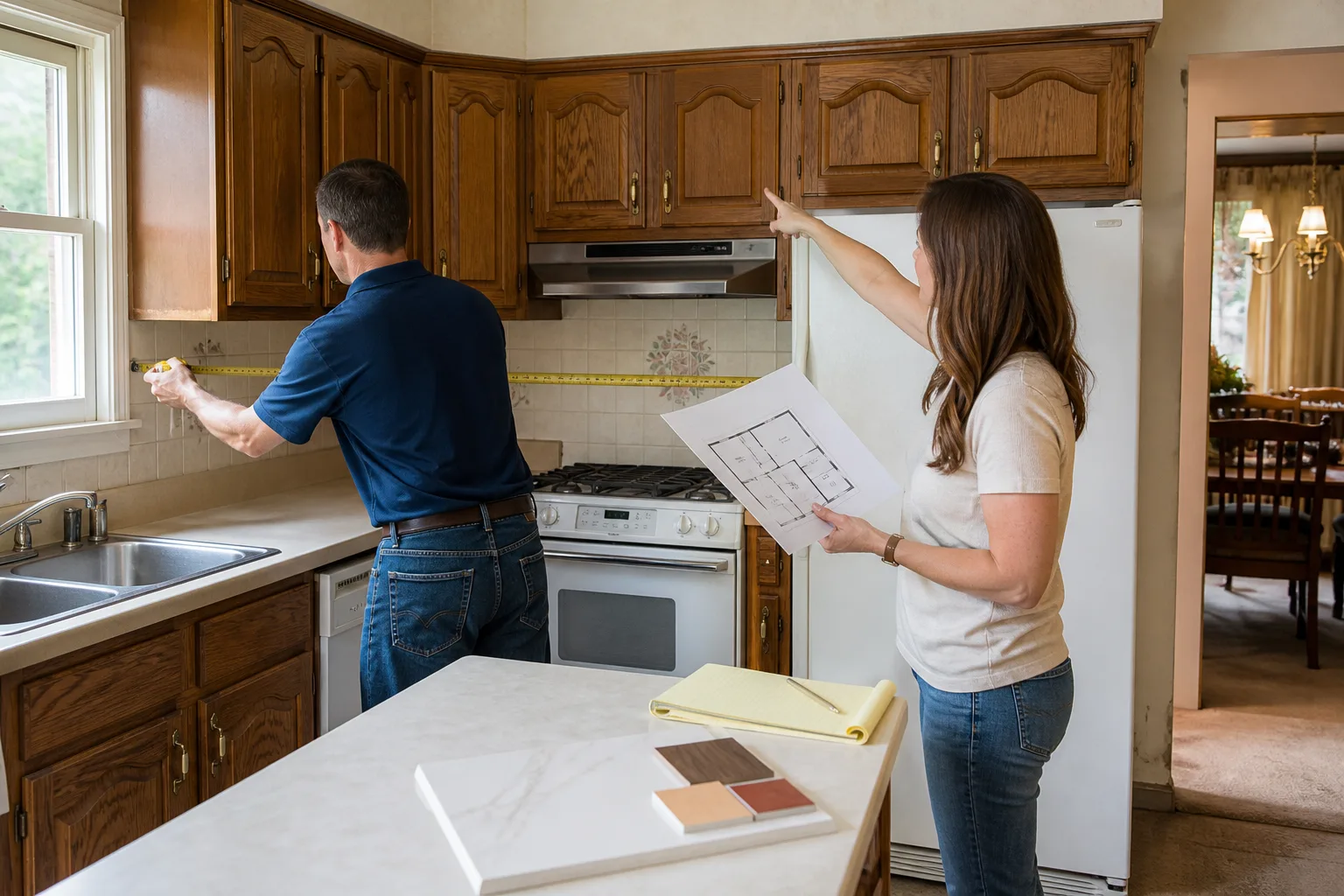
Urgency is the excuse a bad contractor uses to skip the paperwork. In our experience, the sharper test of a contractor is not whether they show up fast, but whether they hand you a written scope, a written price and a written guarantee even when the job is on fire. If they won’t put it on paper during an emergency, they won’t put it on paper during the permanent repair either.
A proper emergency repair estimate should include:
- Scope of work in plain language – what’s being removed, what’s being replaced, and what’s being left alone.
- A specific price, not a range – the number on day one should be the number on the invoice. A range is what a verbal estimate looks like after it’s written down.
- An arrival window – not “sometime this week,” a defined window.
- A written guarantee – including how long it lasts and what happens if the repair fails. The Kingswell Guarantee, established in 2004, requires a written price before any work starts, a defined arrival window, a clean job site, and a written guarantee on every project. The 365-Day Done Right Promise means that if the work fails inside the guarantee period, we come back and fix it at no charge. The free second visit if a repair fails is part of that guarantee, in writing.
- Which permits will be pulled – named, not implied.
- Materials specified by name – “Sakrete concrete mix” or “James Hardie siding” rather than “concrete” and “siding.”
A written estimate takes the panic out of the moment. You can hold a contractor to a number. You can’t hold them to a memory of a conversation.
How to Verify a Contractor in a Disaster Zone
Disaster-chasers count on panic. The single most useful defense Pomona homeowners have during a disaster recovery period is to verify the contractor’s license through the CSLB database before signing anything, before paying a deposit, and before allowing anyone into the attic or onto the roof. It takes about thirty seconds. The contractor’s name and license number should be on the written estimate you received, and the name on the license should match the name on the contract.
Red flags specific to a disaster recovery period in Pomona:
- Door-knocking with a “good deal for the neighborhood.” Legitimate contractors don’t need to solicit disaster-area work door to door.
- Cash-only pricing. A licensed contractor takes a check or a card and provides a written receipt.
- No physical address or no license number on the estimate. Both are required in California.
- Asking for a large deposit up front. California caps the deposit for most residential projects.
- Pressure to sign today, before the “adjuster closes the file.” Real contractors give you time to read the estimate.
Our own technicians are background-checked and arrive in uniform on every job, and a live person answers the phone when you call, day or night. That’s the standard the Kingswell family of companies sets for every location: say the price before the work, show up in the window we gave, and leave the place cleaner than we found it.
When Emergency Repair Turns Into a Full Remodel
A lot of emergency repairs turn into a larger remodel, and the decision point comes earlier than most homeowners expect. A water-damaged kitchen is the classic example. The drywall comes out, the base cabinets come out, and what’s underneath is a substrate problem, old plumbing and a layout that wasn’t working even before the flood. At that point the question shifts from “how do we fix this” to “do we remodel while the walls are open.”
The cost range for the remodel depends on what gets rebuilt. Kitchen remodels in the Pomona market typically run $18,000 to $55,000, driven by layout changes, cabinet line and countertop material. Bathroom remodels typically run $9,000 to $28,000, driven by tile work, fixture selection and whether the layout changes. Whole-home remodels run higher and depend on square footage and structural work. The written price for any of these should come before a single cabinet is pulled or a tile is set, and it should include the specific brands going into the job: KraftMaid or Wellborn cabinetry, Cambria, Silestone or Caesarstone counters, Kohler or Moen fixtures, James Hardie siding where exterior work is involved.
The recovery remodel is also where a written guarantee matters most, because the work is being done fast and under insurance pressure. Our kitchen remodeling in Pomona page covers the scope conversation in more detail. And if you’re comparing a full rebuild to a patched repair, our Penhallow Remodeling Pomona home page is the starting point.
Common Mistakes to Avoid
- Starting demo before photographing damage. The adjuster needs to see the damage before the drywall is on the curb, and once it’s gone, the claim value drops.
- Hiring the first contractor who knocks. After a notable earthquake, disaster-chasers from outside the area flood the Inland Empire within about 48 hours. Verify the license through the CSLB before signing anything.
- Assuming the contractor pulled a permit for the permanent repair. Temporary shoring and board-up typically don’t require a permit, but the permanent rebuild does. If the estimate doesn’t name the permit, ask.
- Re-entering after a quake to “just grab a few things.” A cracked chimney or a shifted second-story wall can fail without warning, and Pomona homes built before the 1980s were often framed before modern seismic tie requirements.
- Skipping the eave and attic inspection after fire season. Ember breaches in vent screens and soffit gaps don’t show as fire; they show six months later as water intrusion and mold.
- Accepting a verbal price range for emergency work. A range is what a written estimate looks like after a contractor has decided to change it.
- Letting the “insurance will cover it” assumption drive the schedule. The policy terms and the adjuster’s timeline drive coverage; the written estimate drives the repair. Keep them separate.
See the difference
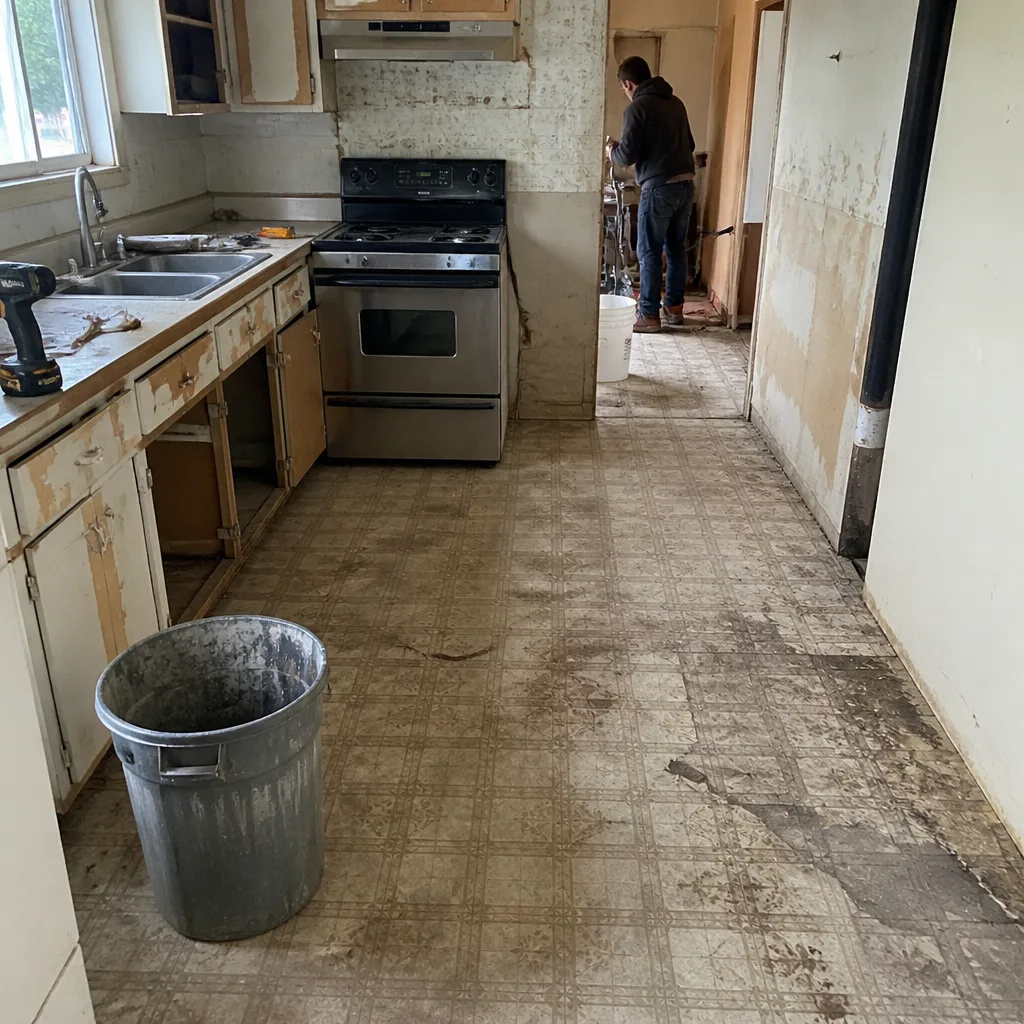 Before
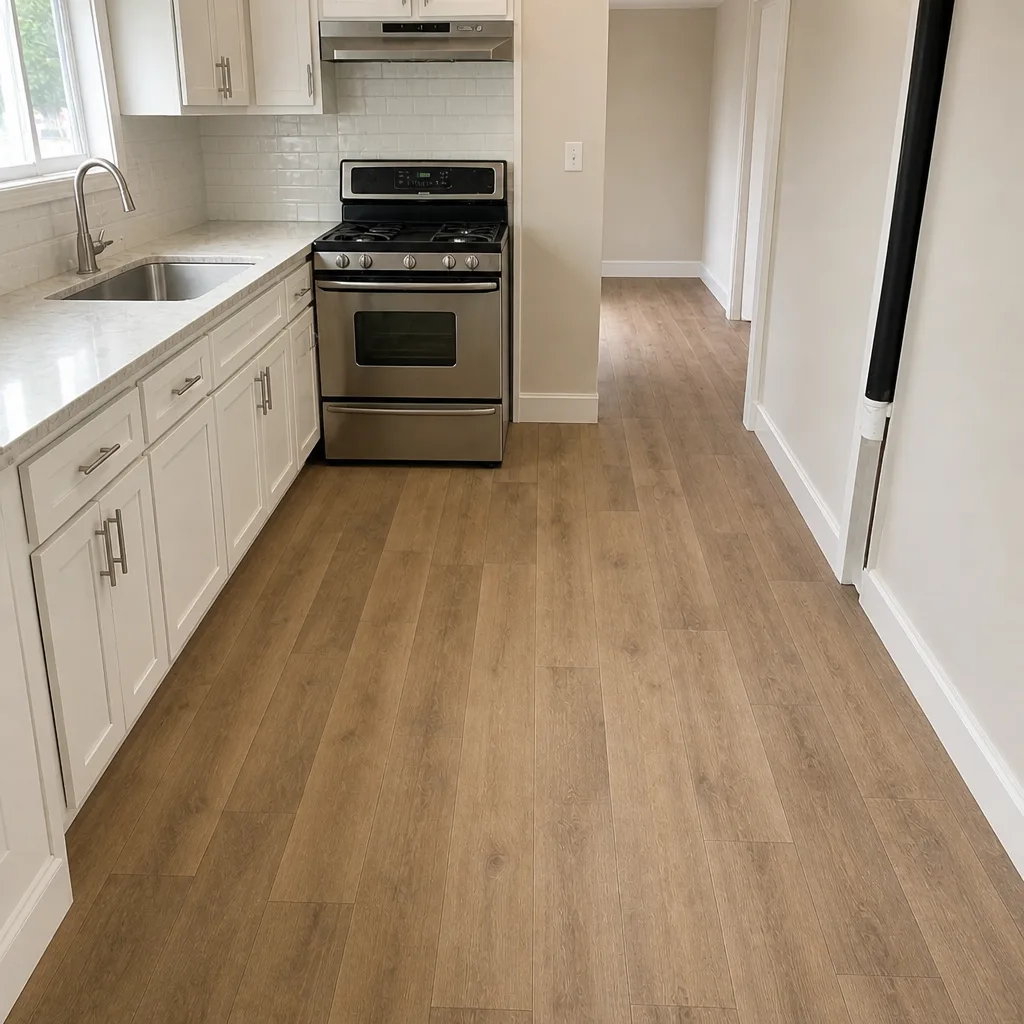 After
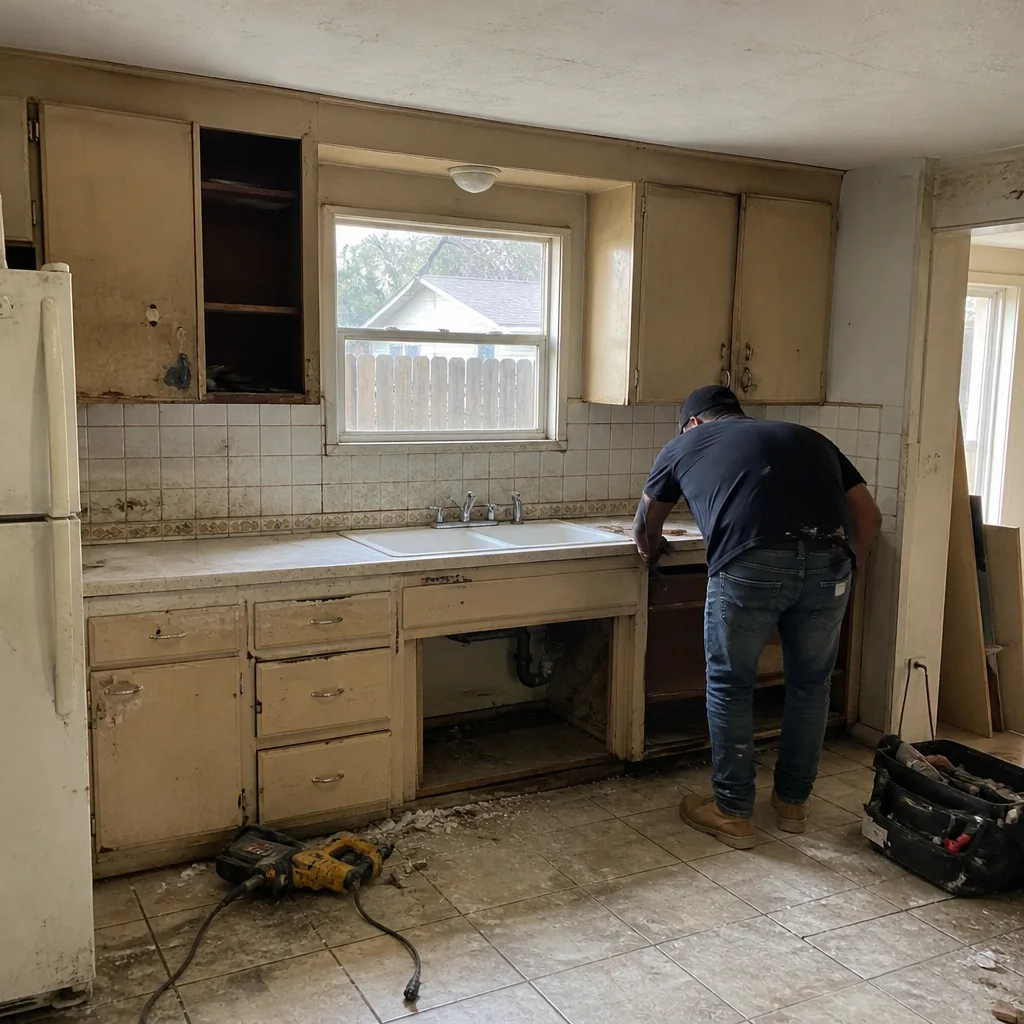 Before
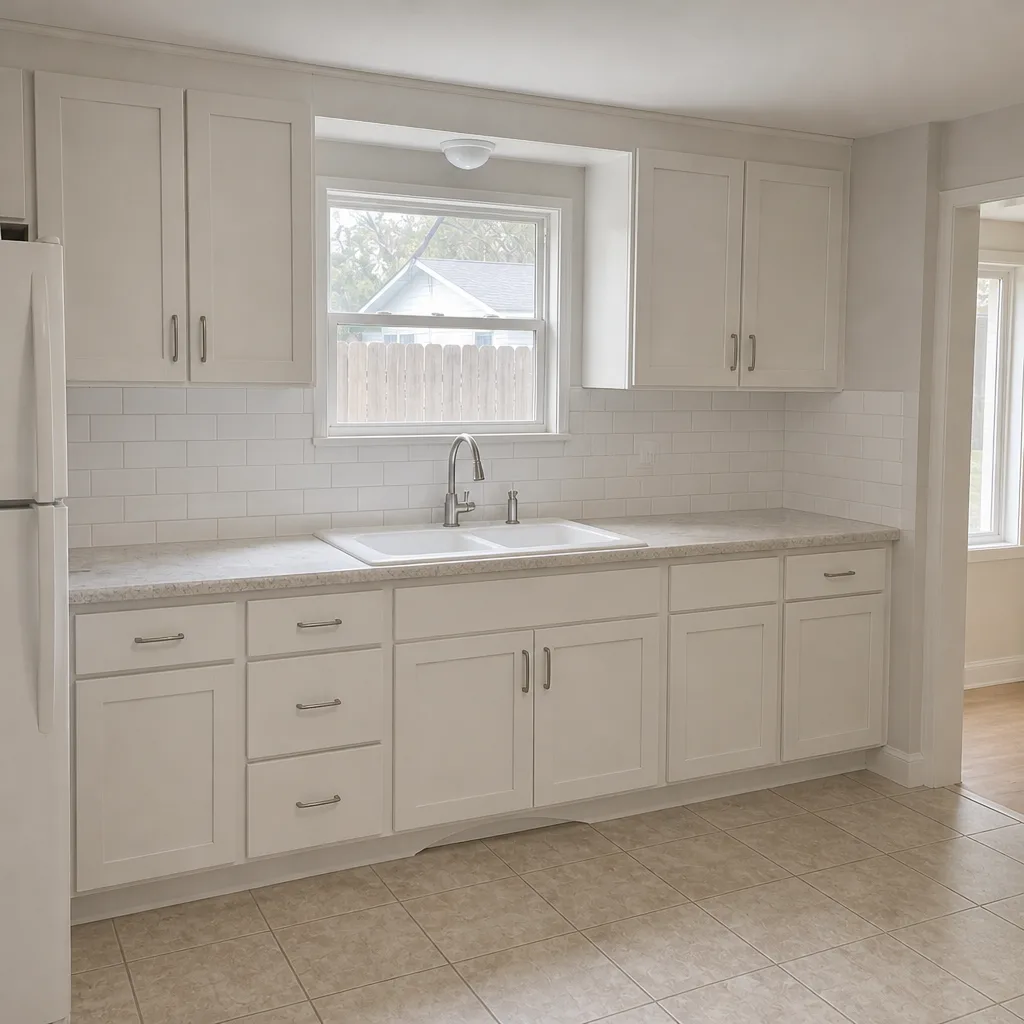 After
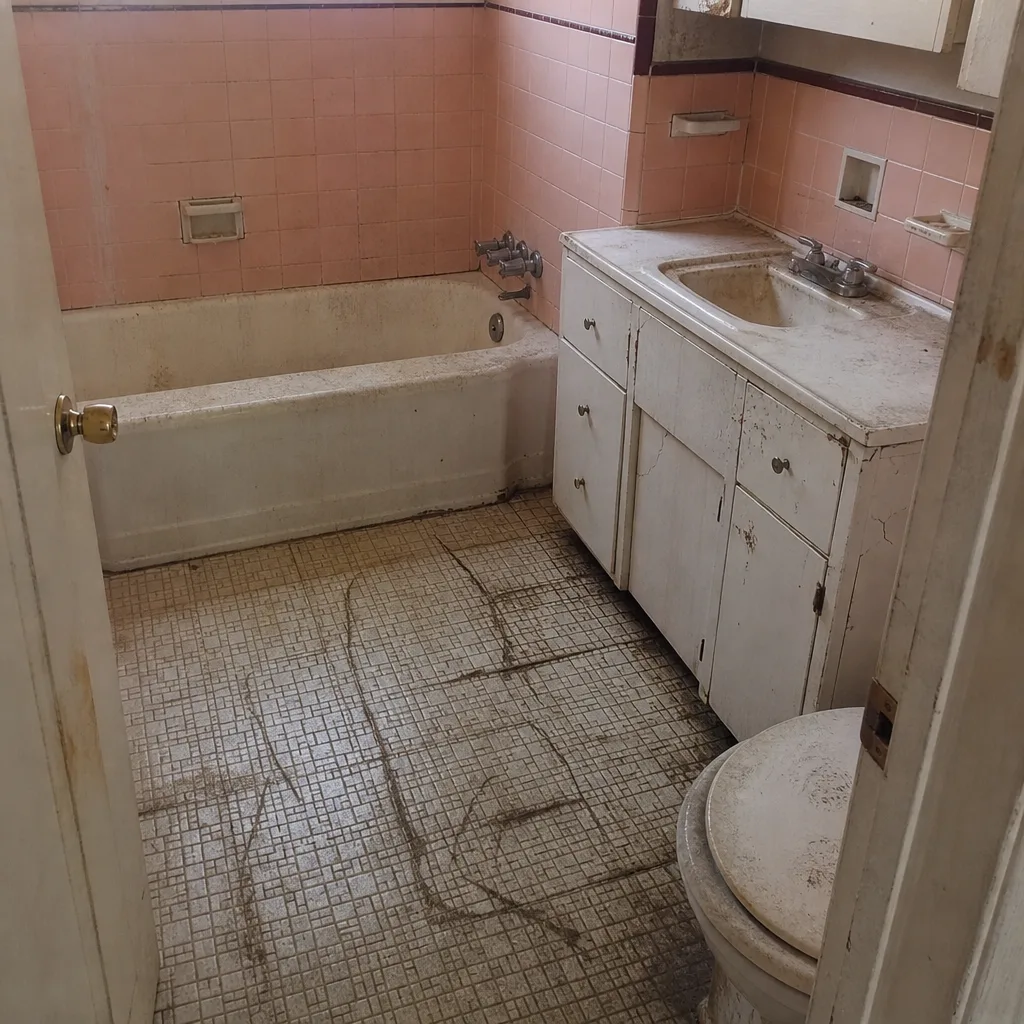 Before
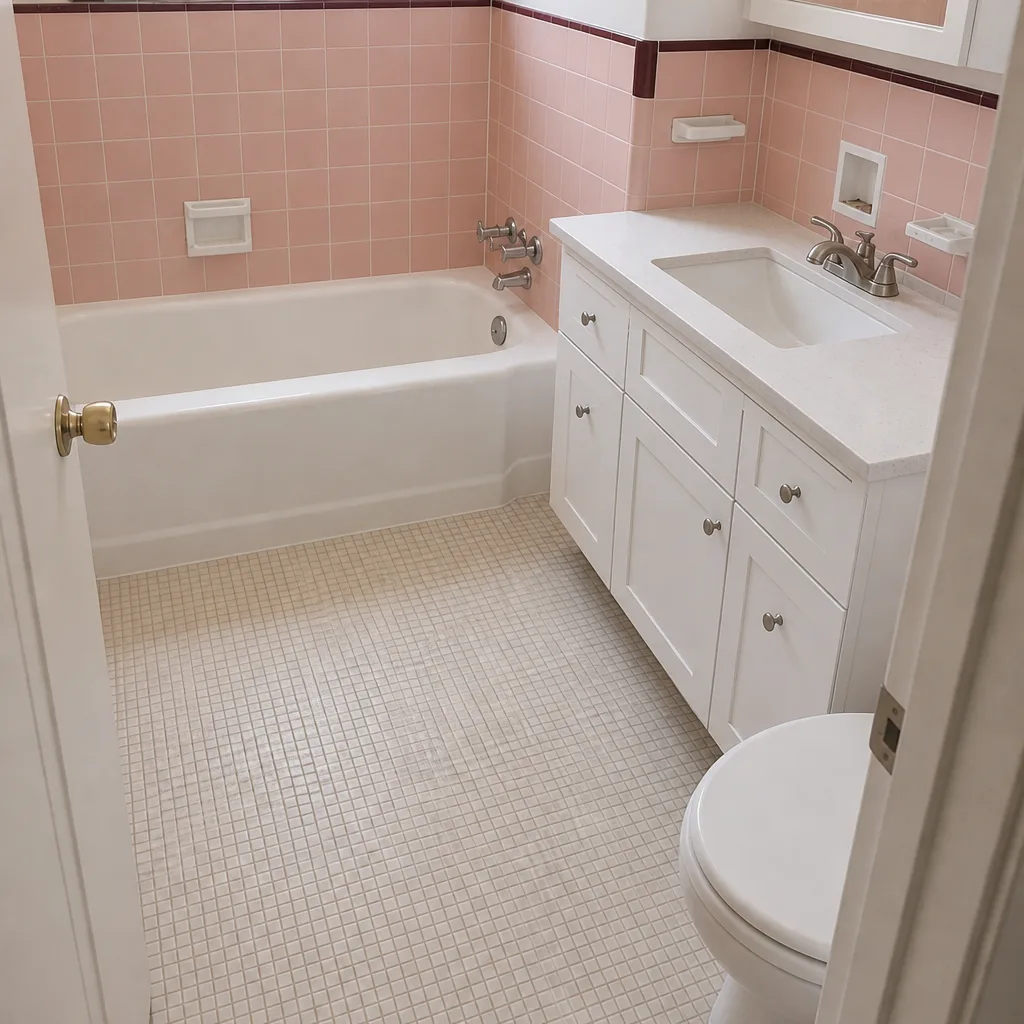 After
When to Call a Professional
Some emergencies are obviously beyond a homeowner’s scope: a chimney that’s separated from the house, a foundation that’s visibly moving, a roof with a structural sag, or any sign of gas. But there are quieter cases where the professional call is also the right move: a door that sticks after a quake, a hairline crack in the slab edge that’s wider than a credit card, water pooling against the foundation after a heavy rain, or an attic that smells musty after fire season and nobody in the household can place the source. Each of these is a “get it looked at before the next rain event” signal. Our technicians have up to 22 years of experience on emergency and recovery work in Pomona, and we’re happy to walk a property and put the findings in writing. Penhallow Remodeling Pomona offers free estimates in Pomona. Call (833) 620-5046 to schedule yours.
Frequently Asked Questions
Some do and some don’t. California allows certain immediate safety repairs without a permit, limited to shoring, board-up, tarping, and shutting off utilities. Permanent structural repairs, re-roofing beyond temporary patching, electrical beyond disconnecting a damaged circuit, and foundation work beyond temporary shoring all require a permit and an inspection. Call (833) 620-5046 for a free estimate and we’ll tell you which applies to your situation.
The range depends on what’s damaged. Drywall and cosmetic crack repair typically runs $600 to $3,500 depending on square footage. Chimney repair or rebuild runs $2,500 to $12,000 depending on height and whether the flue is intact. Foundation assessment and shoring runs $3,500 to $20,000 or more, driven by how far the foundation has moved. Call (833) 620-5046 for an exact written quote. Estimates are free.
It depends on your policy and the cause of the damage. Smoke and ember-intrusion damage is often covered under the dwelling portion of a standard homeowners policy, but the ember-breach cases are frequently disputed because they can look like ordinary wear and tear. Document the damage before any work starts and keep a dated log. We can give you a written estimate that maps to your adjuster’s scope.
Check the CSLB (Contractors State License Board) database before signing anything. Search by name and license number, and confirm that the name and license on the estimate match the name and license on the database. Door-knocking contractors who offer “a deal for the neighborhood” and cash-only pricing are the ones to be most careful with. California law makes it illegal to solicit disaster-area work without a CSLB license.
Check vent screens, ridge vents, soffit gaps and eave returns for warping, melting or blackening, and look for any gap larger than about an eighth of an inch. Embers lodge in those gaps and leave a breach that becomes water intrusion on the next rain event. A musty attic smell with no visible leak is worth a professional inspection. Call (833) 620-5046 for a free estimate.
It shouldn’t, and that’s the whole point of a written estimate. Our commitment is a written price before any work starts, so the number on day one is the number on the invoice. If something is discovered after demo that wasn’t visible before, we tell you in writing before doing the work. The 365-Day Done Right Promise covers the repair itself: if the work fails inside the guarantee period, we come back and fix it at no charge. Call (833) 620-5046 for a free estimate.
The Bottom Line
Construction emergencies in Pomona come in three recognizable forms: earthquake damage, wildfire ember intrusion and flash-flood foundation issues. The response is the same order every time. Make the home safe, document the damage with dated photos before anything is moved, confirm which repairs need a permit, and get a written scope, a written price and a written guarantee before any contractor touches the work. The noise in the first 48 hours is the disaster-chasers. The license check through the CSLB and the written estimate are what separate a real contractor from a good talker. If something in this guide matches what you’re looking at, our team is one call away.
Penhallow Remodeling Pomona provides kitchen remodeling, bathroom remodeling and whole-home remodel work, and we’re part of the Kingswell family of companies operating to The Kingswell Way. Every estimate is written before work starts, every job comes with the 365-Day Done Right Promise, and every technician is background-checked and in uniform. Call (833) 620-5046 for a free estimate. A live person answers, day or night.
Written by the team at Penhallow Remodeling Pomona.