Last updated November 18, 2026






Free written scope consultation - allowances, timeline, and change-order rules on paper before a single trade is scheduled
Construction Permits, Codes & Inspections in CA: What You Need to Know
Here’s the scenario we hear most often in Pomona: a homeowner sells a house with a finished garage conversion or a back addition nobody permitted. The buyer’s inspector flags it. The seller now has three bad options: disclose and drop the price, pay for a retroactive permit that means opening walls the buyer just watched them close, or watch the deal fall apart. All of it traces back to a contractor who said “this one’s small enough to skip.” This guide treats permits as what they actually are in California: financial protection. You’ll learn which projects trigger permits in Pomona, how the inspection sequence works, what “code compliant” really means in an older house, and how to confirm your contractor pulled the permit in their own name.
Quick Answer
In California, most remodeling work that touches structure, electrical, plumbing, or gas requires a permit, and the permit must be pulled by the licensed contractor doing the work, not the homeowner. In Pomona, a City of Pomona building permit applies to addresses inside city limits, while unincorporated areas fall under Los Angeles County. Work is inspected in stages – typically rough, framing, and final – and covering work before an inspector signs off can force you to reopen it at your own cost.
Styles & brands we work with
- Kitchen remodeling
- Bathroom remodeling
- Home additions & ADU
- Roofing
- Windows & doors
- Driveway & pavers
- Fence
Table of Contents
- Why Permits Are Financial Protection, Not Paperwork
- City of Pomona vs. County of Los Angeles: Which Permit Applies to You?
- Which Projects Trigger a Permit in Pomona?
- How the Inspection Sequence Works
- What “Code Compliant” Means in an Older Pomona House
- How to Confirm Your Contractor Pulled the Permit in Their Name
- Common Mistakes to Avoid
- Frequently Asked Questions
Why Permits Are Financial Protection, Not Paperwork
Most homeowners treat a permit as a box a contractor checks. In California it’s closer to an insurance policy you buy before the work starts. A permit means a licensed inspector looks at the structural, electrical, and plumbing work at defined stages and confirms it meets the code in force today. That record follows the house. When you sell, a buyer’s agent can pull the permit history for your address in minutes, and a gap in that history becomes a negotiating chip or a deal-killer.
We’ve watched what happens on the other side. A homeowner in Pomona’s Lincoln Park neighborhood had a bathroom remodeled years ago without permits. The tile looked fine. But when they listed, the buyer’s inspector noted no permit on file for the plumbing rough-in, and the sale stalled until the seller paid to open a wall and have it inspected retroactively. That’s the real cost of skipping a permit: not a fine, but leverage handed to the next person who wants your house.
Beyond resale, an unpermitted remodel can complicate a homeowner’s insurance claim. If a fire or water loss traces back to unpermitted electrical or plumbing work, an insurer can question coverage for that portion of the loss. The permit itself is cheap relative to the project; a kitchen remodel typically runs $18,000 – $55,000 depending on layout, cabinet line and countertop material, and the permit fee is a small fraction of that. The protection is worth far more than the paperwork.
City of Pomona vs. County of Los Angeles: Which Permit Applies to You?
This trips people up more than any other question we get. Pomona sits mostly inside Los Angeles County, but a large share of addresses in and around the city are actually in unincorporated county territory, not inside Pomona city limits. The permit authority depends entirely on which one your address falls under. Pull the wrong one and your inspection never happens – the work gets done, but the record doesn’t exist.
The practical answer is simple: confirm your jurisdiction before anyone touches a wall.
- Check your address on the county assessor’s parcel map. If your parcel sits inside Pomona city limits, the City of Pomona Building & Safety Division issues your permit.
- If you’re in unincorporated territory, Los Angeles County Public Works, Building and Safety handles the permit instead, even though your mailing address says Pomona.
- Call the issuing department directly with your parcel number and describe the scope. They’ll tell you which office to file with and what the current fee schedule looks like.
Pomona also has older housing stock – a lot of it built in the 1950s and 1960s – which means many addresses have prior permits, additions, or conversions on record that may or may not match what’s physically there. Before you remodel, ask the city for the permit history on your parcel. It’s free, and it tells you whether a previous owner’s work was ever signed off. If you’re planning a larger project, our overview of general contractor services in Pomona walks through how we scope work around existing permit history.
Which Projects Trigger a Permit in Pomona?
Homeowners often misquote the thresholds. The short version: anything that touches structure, electrical, plumbing, or gas almost always needs a permit, and the “small enough to skip” line is almost never true. Here’s how the common project types break down in Pomona.
- Kitchen remodels: Cosmetic swaps like new cabinet fronts or paint usually don’t trigger a permit. Moving a sink, adding a circuit, relocating a gas line for a range, or removing a wall does. A full kitchen remodel in an older Pomona house often pulls a combined building, electrical, plumbing, and mechanical permit.
- Bathroom remodels: Replacing fixtures in the same location is often exempt. Relocating a drain, adding a shower where there wasn’t one, or installing a new exhaust fan that vents through the roof requires permits. Waterproofing and rough plumbing get inspected before tile goes down.
- Additions and conversions: Any new square footage, garage conversion, or enclosed patio conversion requires a building permit regardless of size. There’s no “under 200 square feet” exemption for habitable space in Pomona.
- Structural changes: Removing or modifying a load-bearing wall requires a permit and often stamped engineering. This is where the “small enough to skip” advice causes the most damage.
- Electrical and plumbing: New circuits, panel upgrades, water heater replacements, and re-pipes all require permits in California.
If you’re weighing a kitchen or bath project, the permit scope is usually the first thing we map out. You can see how that plays out in our kitchen remodeling in Pomona and bathroom remodeling in Pomona pages, where we break down which stages need an inspector on site.
How the Inspection Sequence Works
A permit isn’t a single approval. It’s a schedule of inspections at specific stages, and the order matters. A typical remodel in Pomona follows this sequence:
- Rough-in inspection: After framing, electrical wiring, plumbing, and HVAC ductwork are in place but before walls are closed. The inspector confirms everything is installed to code and properly supported.
- Framing inspection: For structural work or additions, the inspector checks the framing, shear walls, and connections before insulation and drywall go up.
- Insulation and drywall: Some scopes require a quick look before the wall is sealed.
- Final inspection: After finishes, fixtures, and punch-list items are complete. This is when the permit is formally closed and the record becomes official.
The failure point is almost always covering work before the inspector signs off. If drywall goes up over un-inspected wiring, the inspector can require the wall be opened again. That’s a real cost, and it delays the whole project. The fix is discipline: your contractor schedules the rough inspection before the drywall crew shows up, and nobody shortcuts that. We’ve seen Pomona remodels add two weeks because someone got eager with the drywall gun.
What “Code Compliant” Means in an Older Pomona House
Here’s the counterintuitive part: a 1958 house cannot simply be remodeled to 1958 standards. California’s building code changes on a three-year cycle, and when you pull a permit for a remodel, the work you touch must meet today’s code – even if the rest of the house doesn’t. This matters a lot in Pomona, where much of the housing stock predates modern electrical, seismic, and energy requirements.
In practice, this means a bathroom remodel can trigger a requirement to bring the electrical panel up to code, add GFCI protection, or upgrade ventilation. A kitchen remodel that moves a wall can bring seismic bracing into scope. Energy requirements under Title 24 apply to new windows, insulation, and lighting. None of this is a contractor upselling you – it’s what the inspector enforces when they see the work.
We explain this to homeowners before demo day, not after. A written price up front, which is the standard we work to, means the code-required scope is baked into the number, not sprung on you once the wall is open. The good news: meeting current code makes the house safer and more valuable. A house with a documented, code-compliant electrical panel and proper venting is easier to insure and easier to sell.
How to Confirm Your Contractor Pulled the Permit in Their Name
This is the single most important thing to verify, and most homeowners never do it. In California, the permit should be pulled by the licensed contractor performing the work, not by the homeowner. Why does the name on the permit matter? Because it establishes who is legally responsible for the work. If the permit is in your name, you’ve taken on the liability of a contractor – and if something goes wrong, you have fewer protections.
Here’s how to confirm it:
- Ask for the permit number before work starts. Any reputable contractor will give it to you without hesitation.
- Look up the permit on the issuing city or county portal. The City of Pomona and Los Angeles County both publish permit records online. Confirm the contractor’s name and license number appear as the permit holder.
- Cross-check the license number on the CSLB website. The California State License Board shows whether the license is active and in good standing. If the contractor’s name isn’t on the permit, stop and ask why.
- Confirm the permit is still open at the final inspection stage. A closed permit with all inspections signed off is the record you want to keep in your files when you sell.
You can read more about how we handle permit scoping and project management on our Penhallow Remodeling Pomona home page.
Common Mistakes to Avoid
- Skipping a permit because “it’s a small job.” Moving a gas line or adding a circuit is never a small job from a liability standpoint, and the inspector won’t care how small it seemed at the time.
- Letting the homeowner pull the permit. If the permit is in your name, you’ve absorbed the contractor’s liability. Insist the licensed contractor pull it.
- Covering work before the rough inspection. Drywall over un-inspected wiring or plumbing means tearing it back open, which is the most common and most avoidable cost overrun in a Pomona remodel.
- Assuming the city handles your permit when you’re in the county. Unincorporated addresses fall under Los Angeles County, not the City of Pomona, and filing with the wrong office means your inspection never happens.
- Remodeling to the year the house was built. Current code applies to the work you touch, and that’s a good thing – it protects your insurance and your resale.
- Not checking the permit history before you buy or remodel. A previous owner’s unpermitted addition becomes your problem the moment you pull your own permit and the inspector sees the mismatch.
- Taking a verbal “we’ll handle the permits” with no number. Get the permit number and verify it. A promise isn’t a permit.
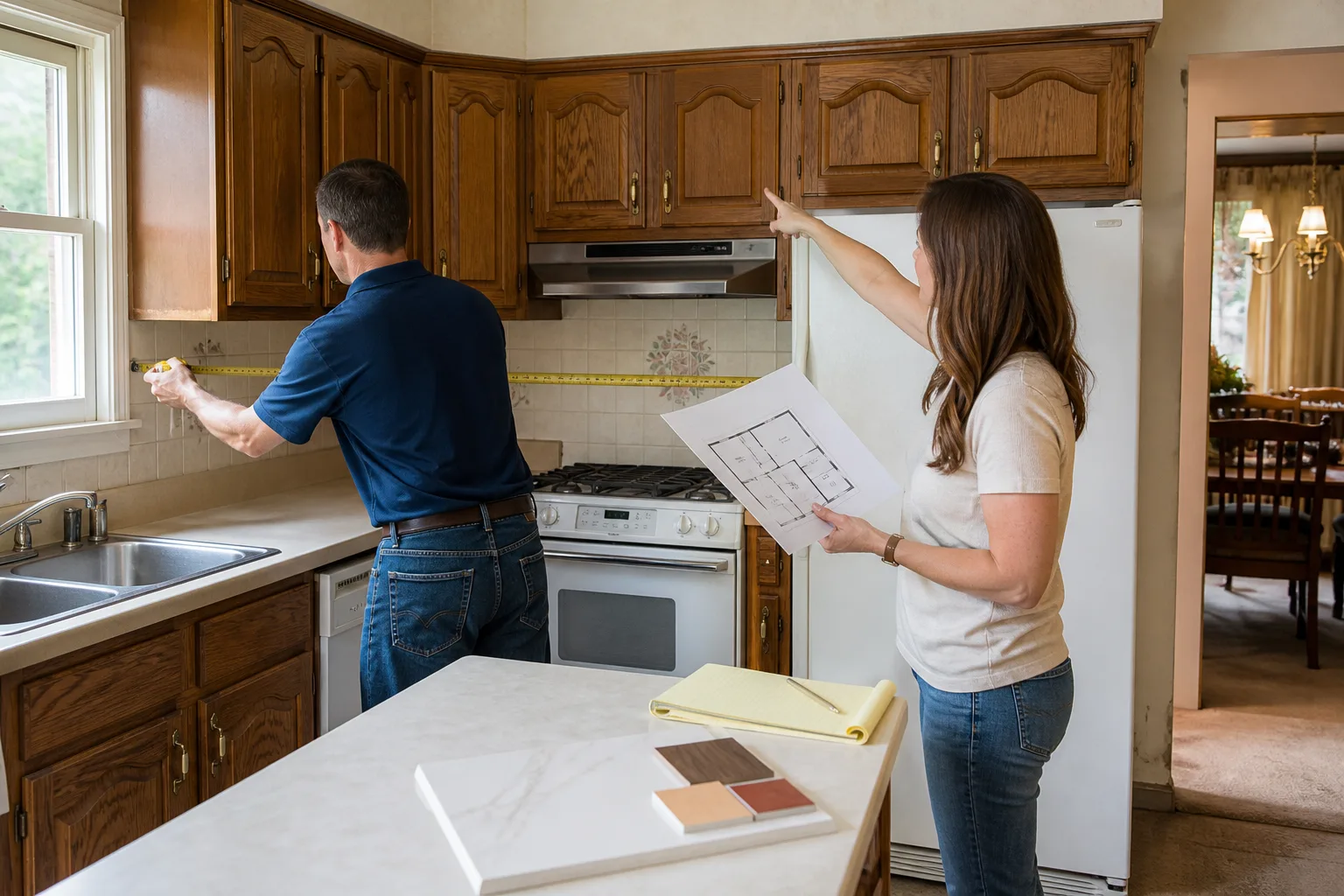
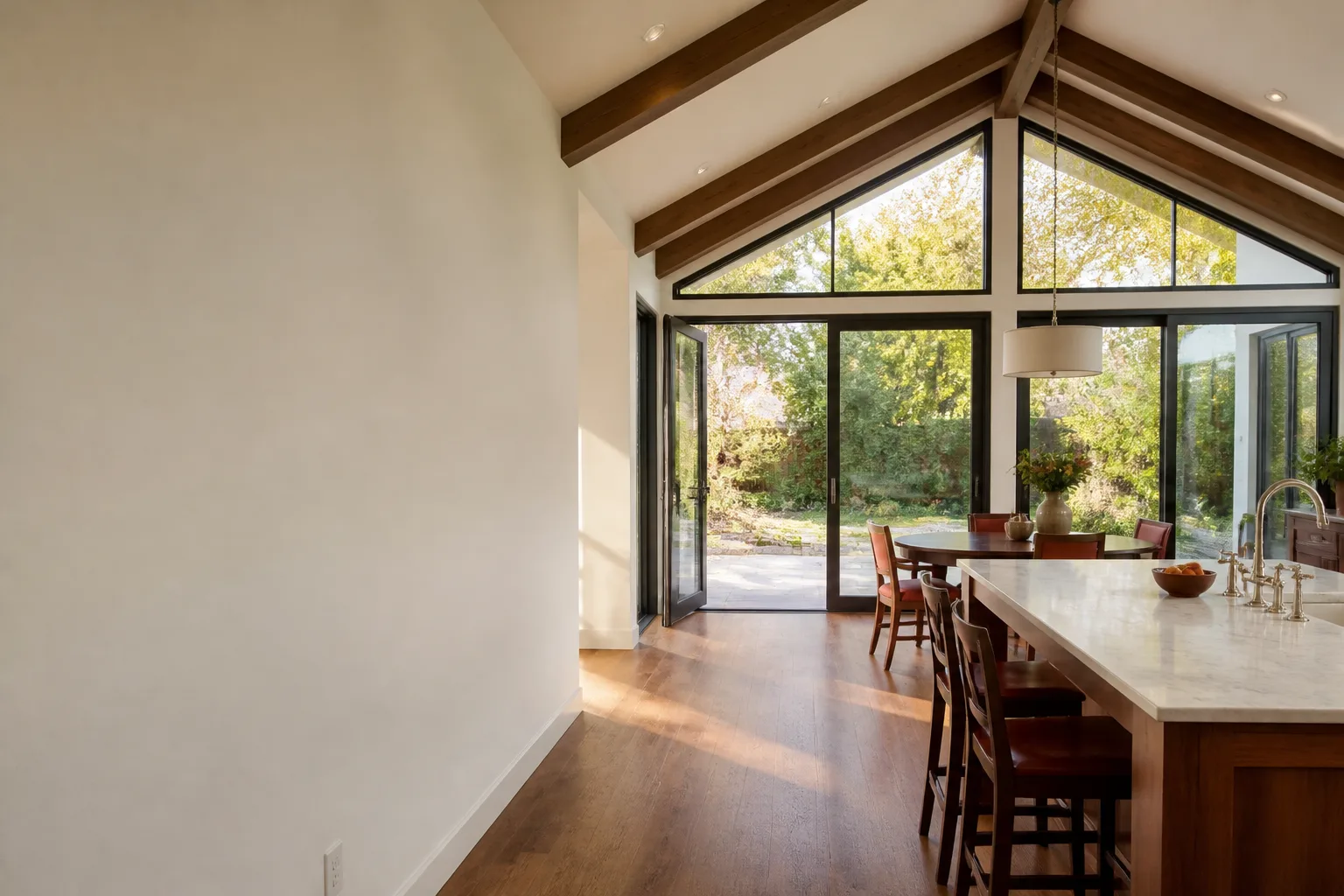
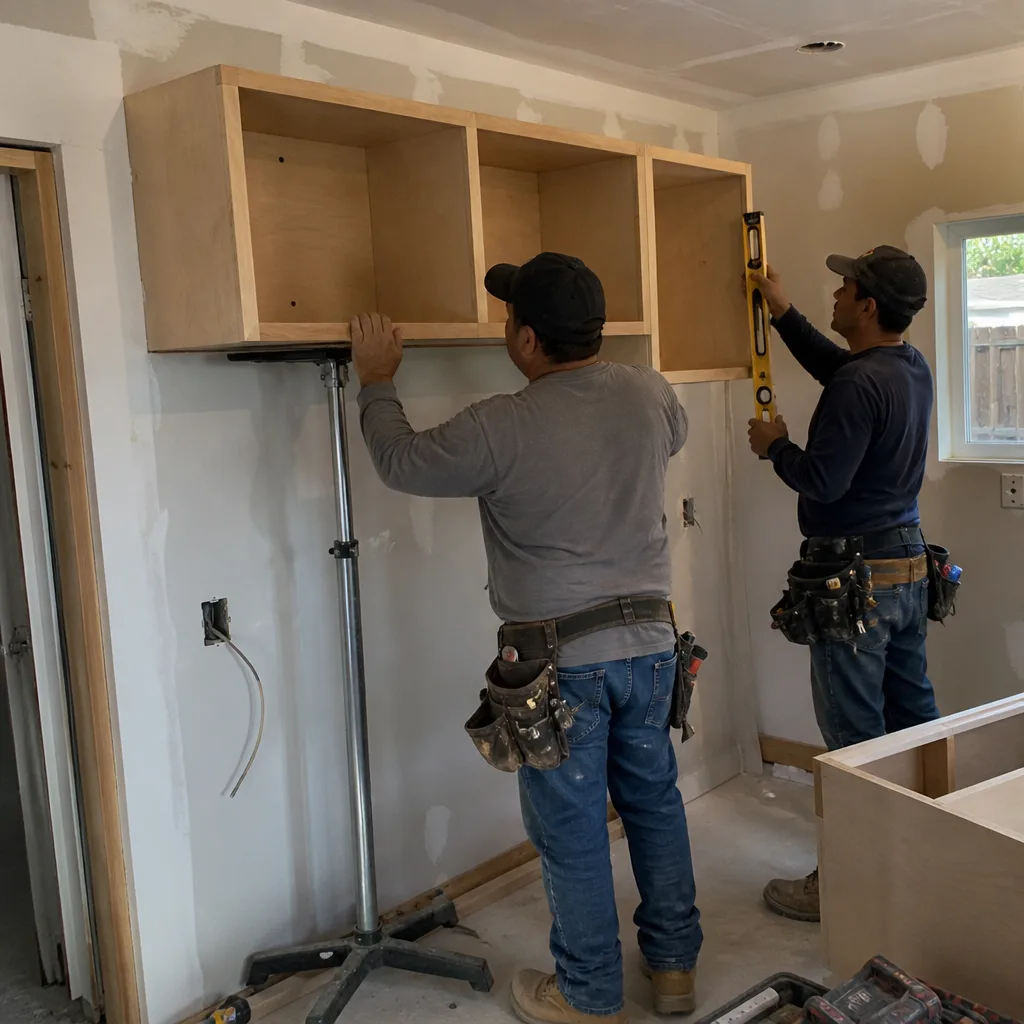
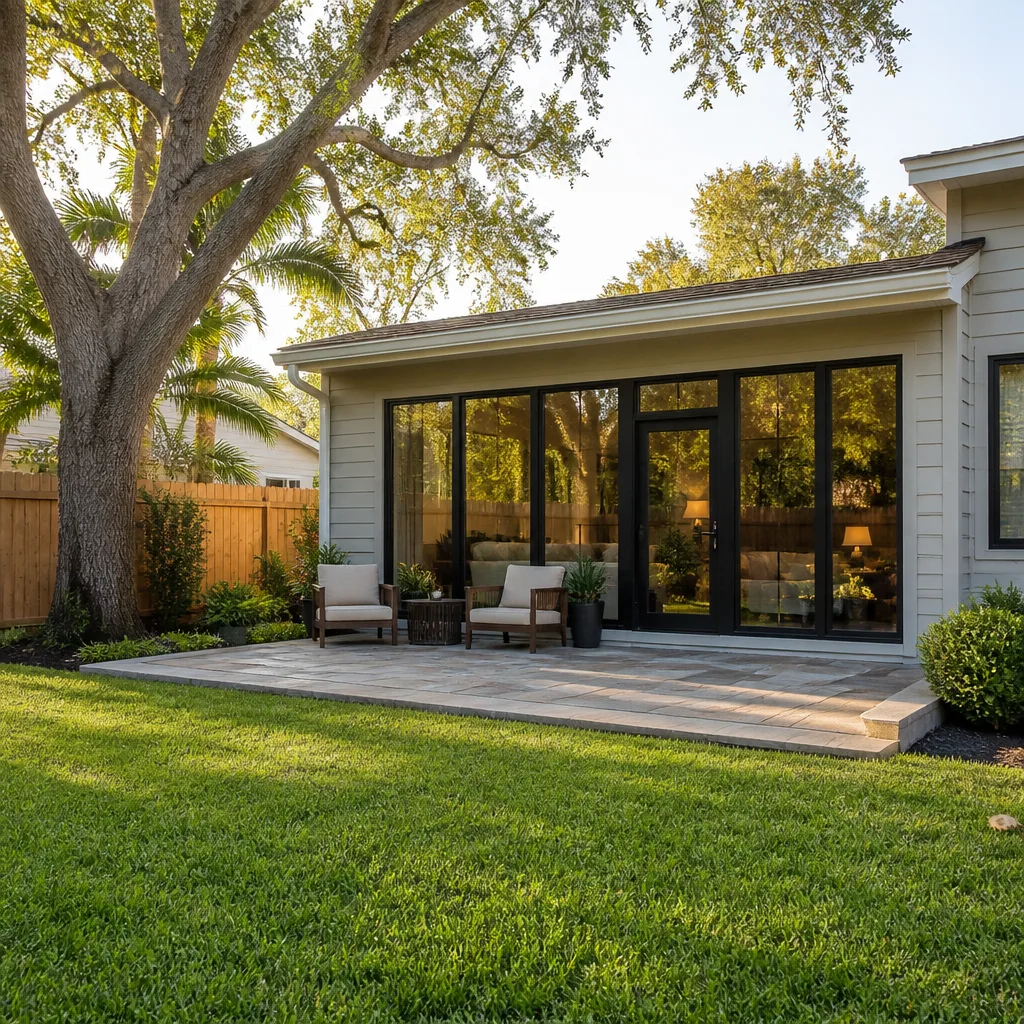
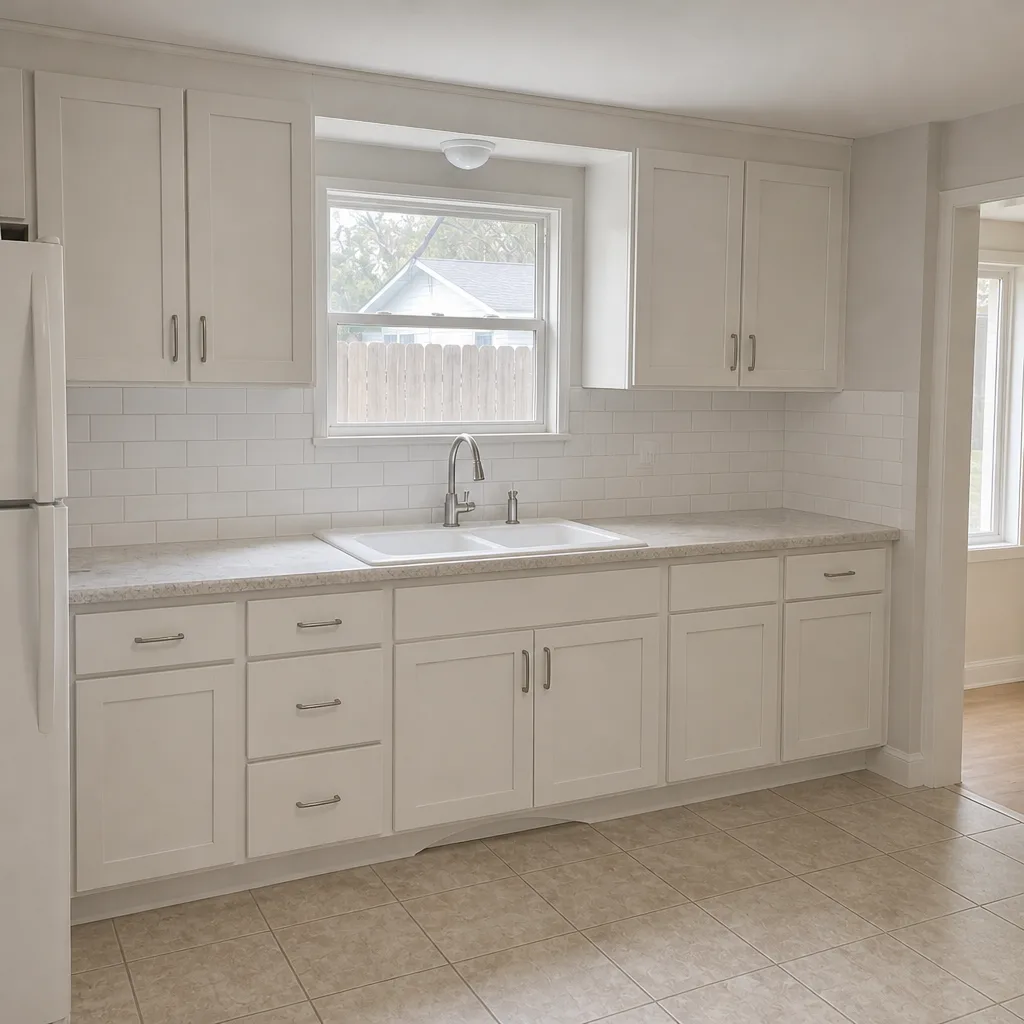
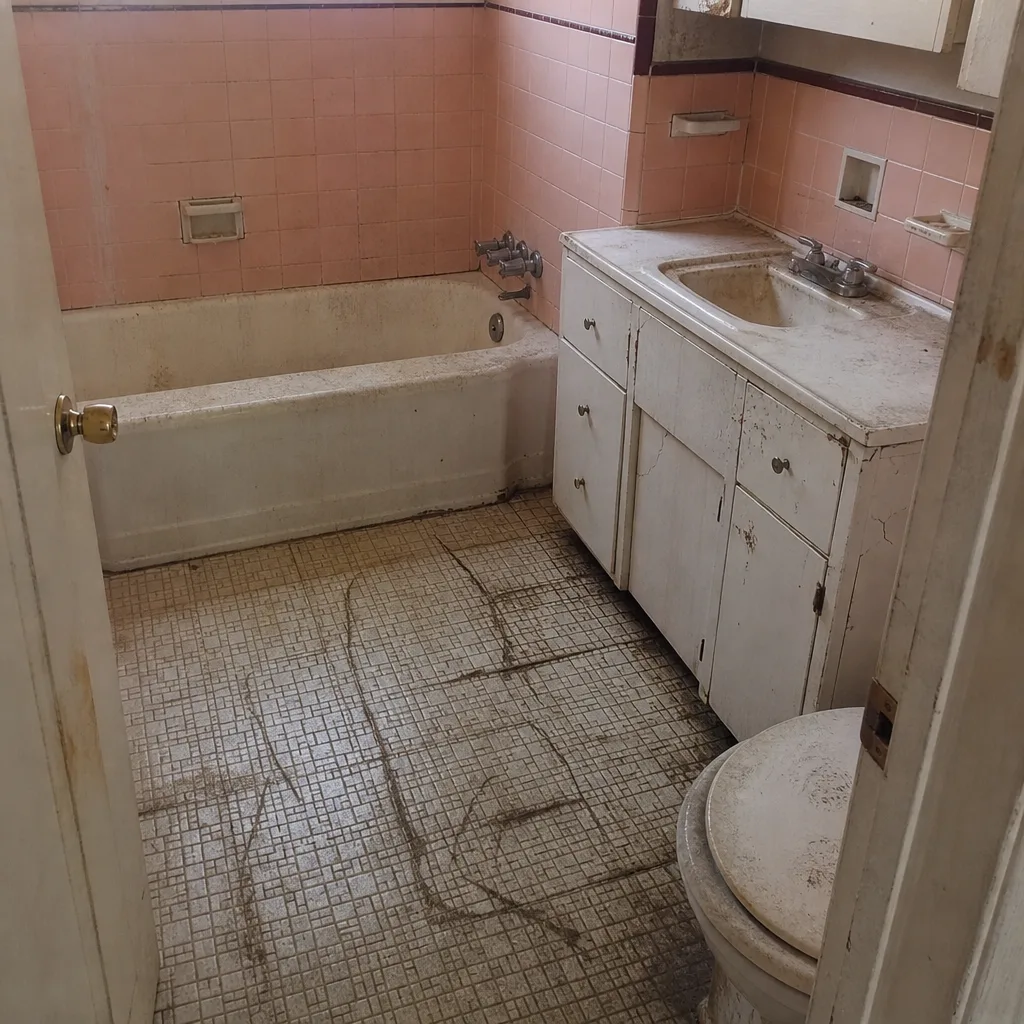
See the difference
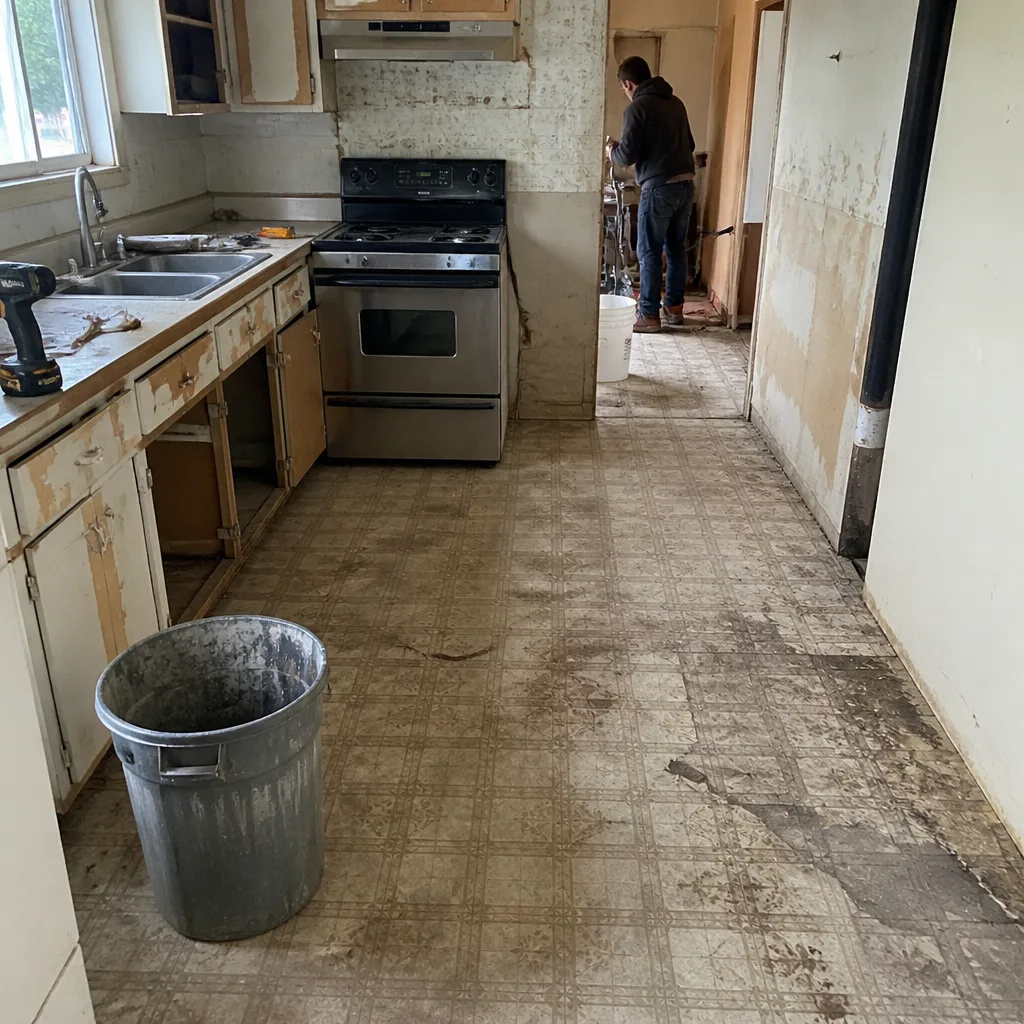 Before
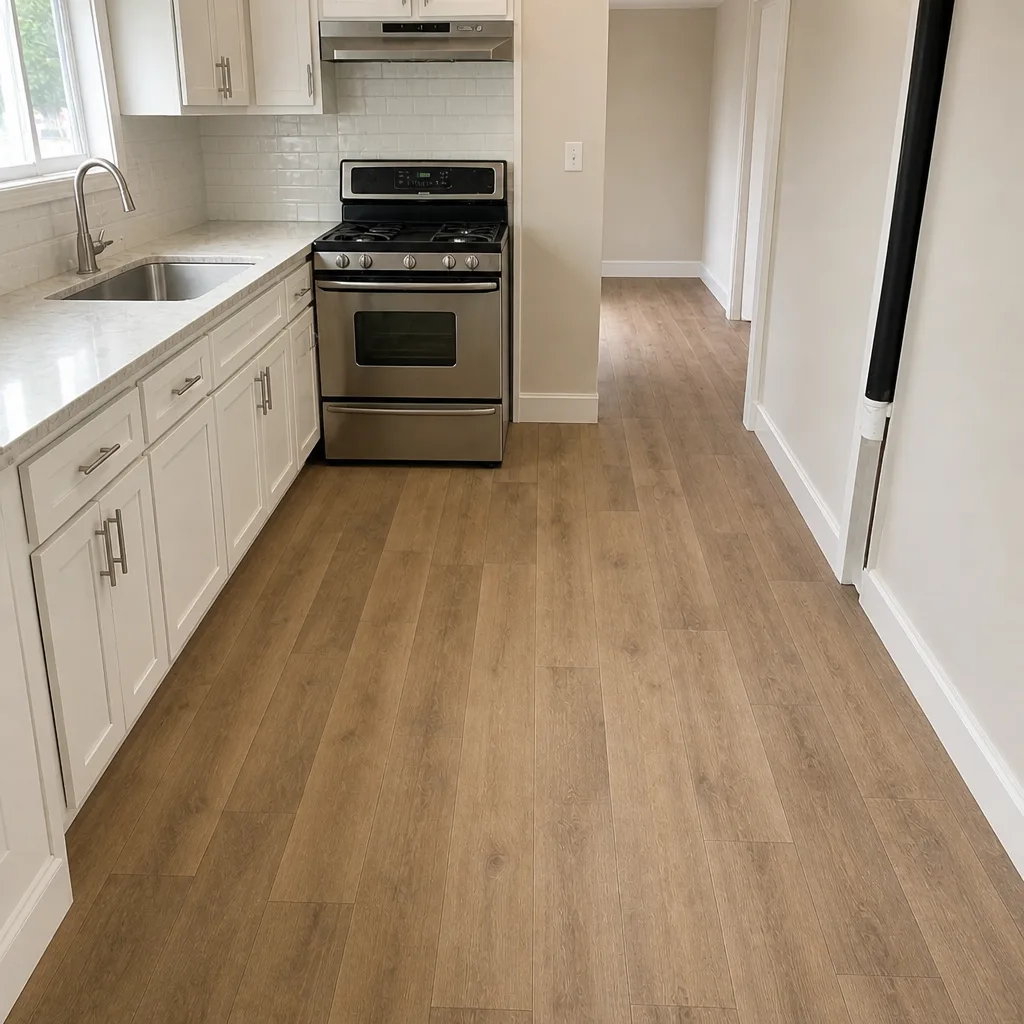 After
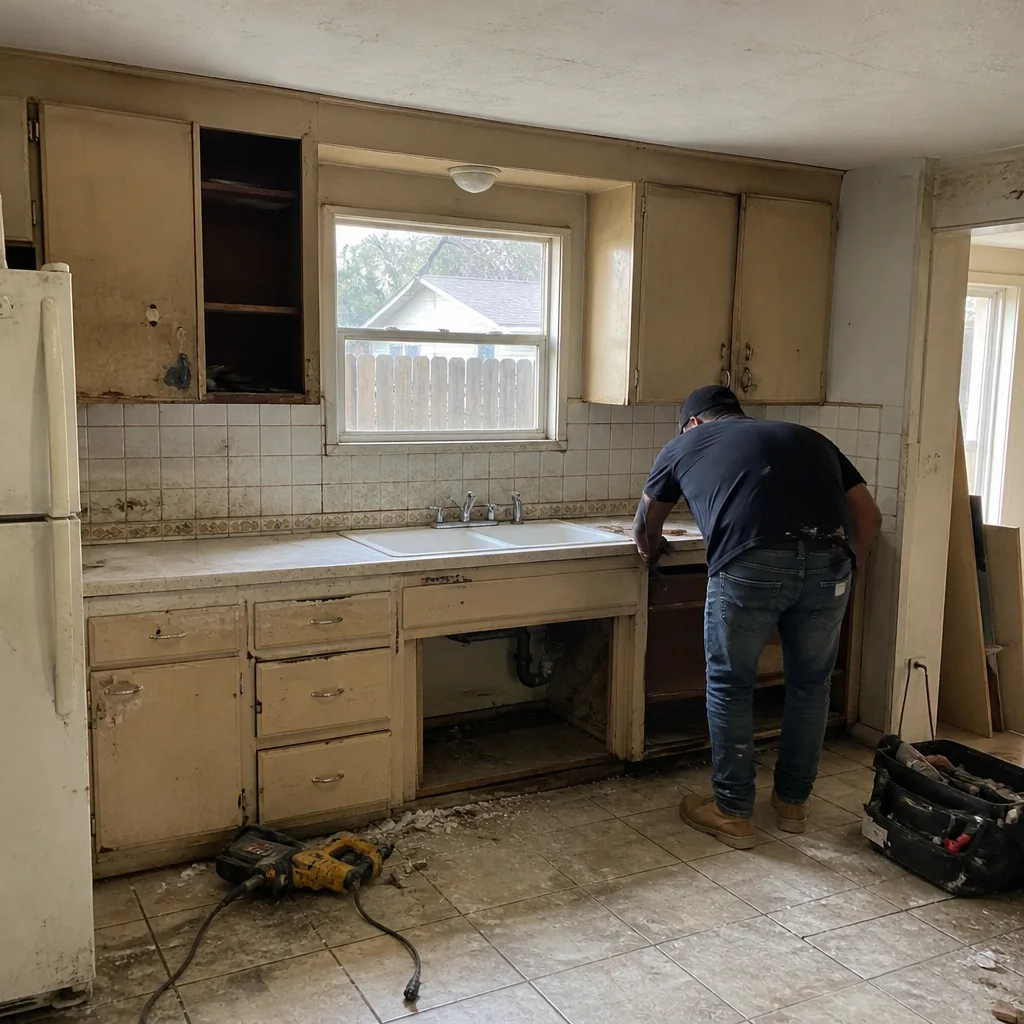 Before
 After
 Before
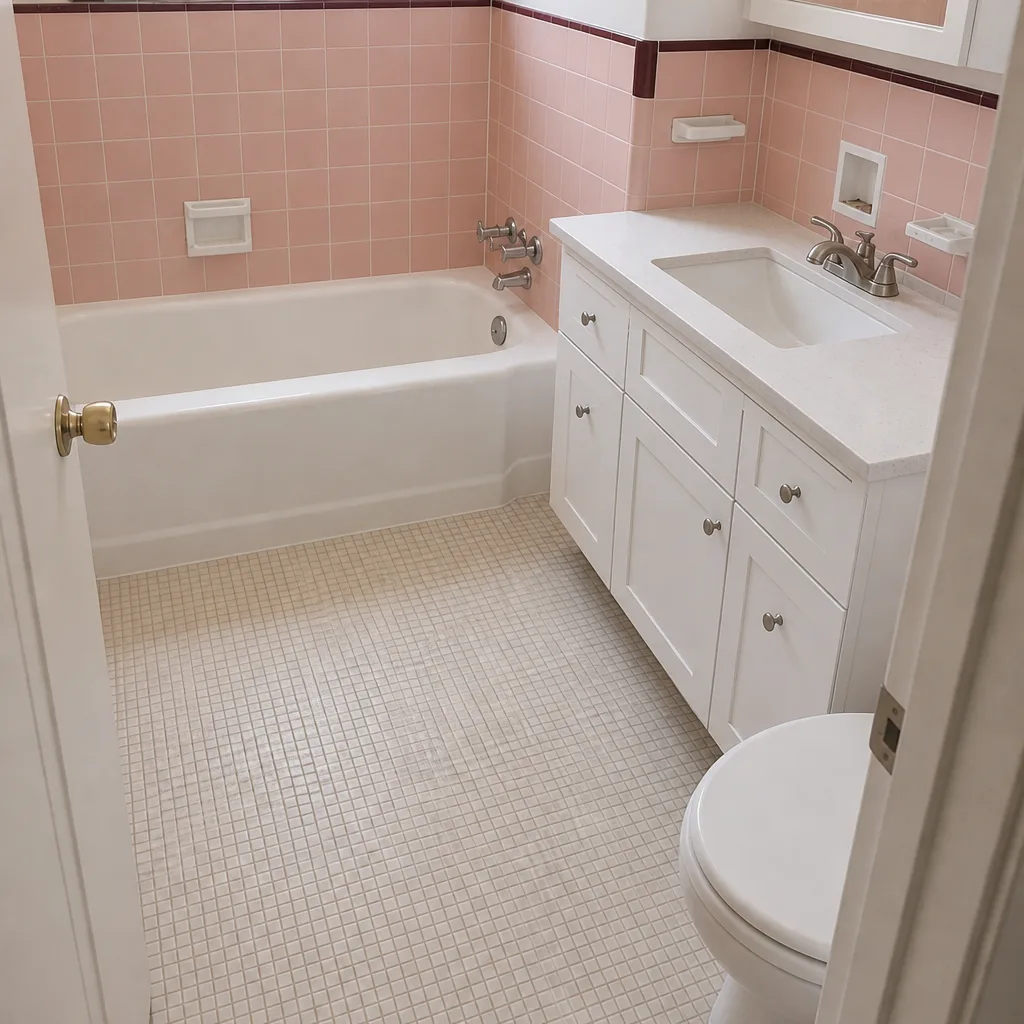 After
When to Call a Professional
Some projects are genuinely routine: repainting, swapping a faucet, replacing a light fixture in an existing circuit. But the moment a project touches structure, electrical, plumbing, or gas, or the moment you’re weighing a kitchen or bathroom remodel in an older Pomona house, it’s time to bring in a licensed general contractor who will pull the permit in their own name and walk you through the inspection sequence before demo day. The reason isn’t that you can’t learn the steps – it’s that the liability, the code sequencing, and the inspection schedule are where things go wrong, and the cost of getting it wrong lands on you. Penhallow Remodeling Pomona offers free estimates in Pomona – call (833) 620-5046 to schedule yours.
Frequently Asked Questions
It depends on scope, but any kitchen remodel that moves plumbing, adds or relocates electrical circuits, moves a gas line, or removes a wall requires a permit in Pomona. Cosmetic swaps like cabinet fronts, paint, and countertop replacement in the same footprint often don’t. Call (833) 620-5046 for a free estimate and we’ll tell you exactly which permits your project triggers.
The licensed contractor performing the work should pull the permit in their own name, not yours. That’s what establishes them as responsible for the work and preserves your liability protections. Confirm the permit number and the contractor’s license number appear on the city or county portal before work starts.
Nothing happens immediately, but unpermitted work can void or complicate homeowner’s insurance claims, block a home sale, and require a retroactive permit that means opening walls to pass a belated inspection. The cheapest path forward is usually to pull a retroactive permit before you list the house. Call (833) 620-5046 for a free estimate on getting the work brought up to code.
Permit fees in Pomona are based on project valuation and scope, and they vary by jurisdiction – City of Pomona versus Los Angeles County. For a typical kitchen or bathroom remodel, the permit is a small fraction of the overall project cost. Call (833) 620-5046 for a free estimate that includes the permit scope and fee in the written price.
Plan-a-check timelines vary by project complexity, and the inspection schedule runs alongside construction rather than after it. A straightforward bath remodel can move through inspections in a few weeks; a structural addition takes longer. The key is scheduling each inspection before the next stage covers it. Our team has up to 22 years of experience sequencing this so the project doesn’t stall.
Code compliance means the work you touch meets today’s California building code, not the code in force when the house was built. In a 1958 Pomona house, a bathroom remodel can trigger upgrades to electrical grounding, GFCI protection, and ventilation. We map that scope into the written price before demo, so there are no surprises once the wall is open.
The Bottom Line
Permits in California aren’t bureaucracy – they’re the record that protects your home’s insurability and resale value. In Pomona, confirm whether your address falls under City of Pomona or Los Angeles County, know which projects trigger a permit, and insist the licensed contractor pulls it in their own name. Respect the inspection sequence and don’t cover work before it’s signed off. Current code applies to the work you touch, even in an older house, and that’s a feature, not a penalty. A written price up front that includes the permit and code scope is what separates a calm remodel from an expensive one. Call (833) 620-5046 for a free estimate.
Written by the team at Penhallow Remodeling Pomona.