Last updated November 18, 2026




Free written scope consultation - allowances, timeline, and change-order rules on paper before a single trade is scheduled
DIY vs Professional Construction: The Pomona Homeowner’s Decision Guide
You can legally retile your own bathroom in California, but if you move a single drain line without a permit and a licensed plumber, you’ve created an unpermitted condition that shows up on title – and that’s a conversation you don’t want to have at escrow. The DIY-versus-hire question in Pomona gets framed as a skill test, and that’s the wrong lens. This guide draws the actual line: where California law requires a licensed contractor regardless of how handy you are, what your homeowner’s policy really covers when a DIY project goes sideways, and which projects around a Pomona house are genuinely good candidates for a weekend and which ones only look simple.
Quick Answer
In Pomona, you can legally handle cosmetic, non-structural, non-mechanical work yourself – paint, tile on an existing substrate, trim, cabinet refacing, landscaping. You need a licensed contractor for anything that touches structural framing, electrical, gas, plumbing beyond a fixture swap, or requires a building permit under California’s Business and Professions Code. The deciding factors aren’t your skill level – they’re permit exposure, insurance liability, and resale risk.
Styles & brands we work with
- Kitchen remodeling
- Bathroom remodeling
- Home additions & ADU
- Roofing
- Windows & doors
- Driveway & pavers
- Fence
Table of Contents
- Where California Law Draws the Line
- The Insurance Gap Nobody Explains Up Front
- Projects That Are Genuinely Good DIY Candidates in Pomona
- Projects That Look Simple but Aren’t
- What a DIY Mistake Actually Costs to Fix
- How to Split a Project Between DIY and a Contractor
- How to Hire Well for the Part You Can’t Do
- Common Mistakes to Avoid
- Frequently Asked Questions
Where California Law Draws the Line
California’s contractor licensing threshold is more specific than most homeowners realize. Under the Business and Professions Code, any project over $500 in combined labor and materials requires a licensed contractor unless you’re doing the work yourself on your own residence. That’s the trigger – not the scope, not the permit, the dollar figure. A Handy homeowner whose neighbor offers to help rebuild a porch for $600 in labor has technically created an unlicensed contracting arrangement.
The second threshold is permit work. In Pomona, the city’s Building and Safety Division requires permits for:
- Structural changes of any kind – walls, beams, foundations, load-bearing modifications
- Electrical panel work, new circuits, or added outlets beyond a like-for-like swap
- Plumbing alterations that move supply or drain lines
- Gas line installation or relocation, including running a line to a new range or dryer
- Water heater replacement, HVAC replacement, and any work touching the home’s mechanical systems
- Additions, patio covers over a certain size, and pool or spa installation
What surprises people in Pomona is how much cosmetic work doesn’t require a permit. Replacing a vanity without moving the plumbing? No permit. Re-tiling a shower over an existing, sound substrate? No permit. Painting, flooring over existing subfloor, trim carpentry – all fair game for a homeowner. The work that gets people in trouble is always the “while we’re in here, let’s just move this one thing” move. That one drain relocation, that one outlet addition, turns an unpermitted cosmetic renovation into a disclosure item that follows the house forever. If you want the full picture of what needs a licensed hand in this city, the General Contractor in Pomona page walks through the permit scope project by project.
The Insurance Gap Nobody Explains Up Front
Here’s the part that costs Pomona homeowners more than any contractor bid: most standard homeowner’s policies exclude damage caused by faulty workmanship, regardless of who did the work. That sounds fine until you realize what it means in practice.
If you DIY a shower pan and it fails two years later, the resulting water damage to the subfloor, framing, and drywall below may be partially covered – but the failed shower pan itself isn’t, and mold remediation is capped or excluded depending on your policy. If a licensed, insured contractor installs that same pan and it fails within your warranty period, the contractor’s insurance and guarantee come into play. Different risk, different paperwork, different recovery path.
The gap widens with structural or electrical work. A DIY electrical mistake that causes a fire is often denied as a workmanship exclusion. A contractor-caused fire is a liability claim against a bonded and insured company. In our experience, the homeowners who end up most frustrated in Pomona are the ones who only found out about that gap after the damage was done.
Before you start any DIY project that could affect the structure, plumbing, or electrical of your home, call your insurer and ask one question: “If this causes damage and the cause is my own faulty workmanship, what does my policy cover?” The answer usually changes the decision on its own.
Projects That Are Genuinely Good DIY Candidates in Pomona
Pomona’s climate actually works in the DIYer’s favor for certain projects. The dry heat and low humidity mean paint cures fast and doesn’t blister the way it does at the coast, and the relatively mild winters mean exterior work in October and November is comfortable rather than a race against the first freeze. Here’s what’s genuinely worth doing yourself:
- Interior painting. Walls, ceilings, trim. A full interior repaint on a 1,800-square-foot Pomona home runs $3,500 – $7,000 professionally; doing it yourself cuts that to $400 in materials and a few weekends. Prep work separates a professional result from an amateur one – tape clean edges, fill nail holes, sand and prime bare spots.
- Tile set over existing substrate. Backsplash tile, floor tile over a sound existing floor with proper leveling. Budget $8 – $15 per square foot in materials versus $25 – $40 per square foot installed.
- Cabinet refacing. If your cabinet boxes are solid, new doors and drawer fronts are a legitimate DIY project. Materials run $2,000 – $4,500 versus $6,000 – $12,000 professionally installed.
- Fixtures and hardware. Replacing faucets, showerheads, light fixtures (non-electrical-panel work), door hardware, and cabinet pulls. A licensed plumber charges $150 – $300 to install a faucet; that’s genuinely recoverable by a careful homeowner.
- Landscaping above the irrigation line. Mulch, planting, decorative rock, and raised beds – as long as you’re not touching drainage. Pomona’s clay-heavy soil in the flats south of the 60 calls for amendment, which is a garden center conversation, not a permit one.
A quick reality check on scope: landscaping that involves re-grading near the foundation or connecting to the irrigation main crosses into work that could cause water intrusion, and that’s where the DIY math stops working.
Projects That Look Simple but Aren’t
These are the projects that end up on a contractor’s clipboard after the homeowner has already spent a weekend and a wallet on them. If any of the following are on your list, plan to hire out even if you’re skilled:
- Moving a drain line 12 inches. Pipes aren’t the hard part. The trap arm slope, vent connection, and permit inspection are. This is the exact scenario at the top of this guide – moves you into an unpermitted condition that shows up when you sell.
- Replacing a shower valve cartidge. Looks like an afternoon. Often involves cutting into the wall behind the shower, working with 40-year-old plumbing that crackles the moment you touch it, and knowing when to stop before you’re replacing a valve body.
- Running a new electrical circuit. A new outlet on an existing circuit is doable for careful DIYers in some cases. Adding a circuit means panel work, correctly sized breakers, and an inspection. California’s electrical code also requires AFCI protection on most new circuits – details that catch do-it-yourselfers.
- Removing a load-bearing wall. Every “open concept” photo on Instagram shows a wall that came out. Most show a wall that had a beam and posts designed by an engineer behind the drywall.
- Wet-area tile over a failing substrate. The tile isn’t the failure point in most shower leaks – the cement board substrate (the moisture-resistant layer behind your tile) and the waterproofing membrane are. Tiling over an existing shower that’s already failed can’t fix what’s under the tile.
- Gas appliances. Gas line work is strictly licensed, and rightly so. We won’t do it, and no informed homeowner should.
What a DIY Mistake Actually Costs to Fix
Repairing your own work costs more than hiring it correctly the first time, for a simple reason: contractors build in a premium for correcting someone else’s job. Call it a puzzle tax. Working around someone else’s decisions takes longer, creates unknowns, and carries more risk than starting clean.
Realistic Pomona cost ranges for common corrections:
- Failed shower pan correction: $4,500 – $9,000 (full demolition, new pan, membrane, tile, waterproofing). The same shower done right the first time: $3,000 – $6,500.
- Unpermitted electrical work brought to code: $800 – $3,200 depending on how much needs to come apart. This often includes a second inspection.
- Unpermitted plumbing drain correction: $1,200 – $4,000, plus the permit, plus the inspection, plus any drywall repair.
- Load-bearing wall corrected after a homeowner removed it: $8,000 – $20,000+ once you factor in engineering, new beam and posts, drywall, and finish carpentry.
- Disclosure hits at resale: A single unpermitted item can shave 3 – 7% off a sale price in a slow market, because buyers price in their own risk. On a $600,000 Pomona home, that’s a $18,000 – $42,000 haircut for a $2,500 correction.
The other cost that doesn’t show up on a spreadsheet: your time. A weekend tiling project that “saves” $3,000 might take 60 hours when you count the learning curve, the trips for forgotten materials, and the re-do. Sometimes that’s worth it. Often it isn’t.
How to Split a Project Between DIY and a Contractor
The best-value approach for most Pomona homeowners is the split: do the parts you can do well, hire for the parts you can’t, and document the boundary clearly. The trick is treating it like a scope negotiation, not an afterthought.
- Get a written scope of work from the contractor for their portion only. “Install 4 recessed lights in kitchen ceiling” is a scope. “Electrical work as needed” is not. The written price should reflect only what the contractor is doing.
- Confirm what you’re handling in writing on your side. No – you don’t need a contract with yourself. But you do need a written record that reminds everyone who’s doing what. Contractors get burned when scope gaps cause delays, and the good ones will refuse to sign off on work they didn’t do (correctly). Protect both sides.
- Sequence the work deliberately. DIY painting goes in for priming after drywall but before trim, or after trim if you want the trim painted too. Talk through the sequence before a single tool is picked up. Get the order wrong and you’re redoing paint.
- Have the contractor inspect any DIY work that the finished result depends on. Tiling over a shower pan you built but they’re going to waterproof around? Have them sign off on your pan before anyone sets a single tile. Waterproofing is a system, and a partial system is no system at all.
- Get final work inspected by whoever is doing the permit work. If the contractor is pulling a permit for the framing and you’re finishing the drywall and paint, the permit inspection should happen before your finish work goes in. That means coordinating with the city inspector – which is the contractor’s job, not yours.
This split model works best on kitchen and bathroom remodels where the licensed portions (electrical, plumbing, structural) are clearly separated from the cosmetic portions. If you’re doing a Kitchen Remodeling in Pomona, the split is natural: framing, electrical, plumbing, and quartz countertop installation by the contractor, cabinet hardware, painting, and tile backsplash on your side. For bathrooms, the split is tighter because waterproofing is a system, and the same Bathroom Remodeling in Pomona work that looks like a DIY win can cost far more than hiring once the waterproofing has to be redone.
How to Hire Well for the Part You Can’t Do
When you hire, the difference between a good experience and a bad one is almost entirely about what happened before the crew arrived. Three things matter most, and none of them is the price on the bid.
First, get a written price before any work starts. Not a range, not a verbal ballpark – a written number tied to a written scope, with the line items visible. Ask exactly what’s included: permits pulled by whom, disposal of demo debris, protection of floors adjacent to the work, and finishing. If the answer is vague on any of those, the number will move.
Second, confirm who’s doing the work. Background-checked technicians arriving in uniform is a reasonable standard – if a contractor can’t confirm both, that’s a signal. You’re going to have strangers in your house for weeks. Ask.
Third, ask what happens if something fails after completion. Every reputable contractor offers something. Ours is the 365-Day Done Right Promise: if the work fails inside the guarantee period, we come back and fix it at no charge, and that’s in writing on every project. If the company you’re considering can’t put their guarantee in writing with the same specificity, that’s the number to weigh against the price.
When you’re ready to look more closely at what hiring well should look like on a real project, request Penhallow Remodeling Pomona home estimates and compare scope, guarantee, and timeline line by line. If you’re starting fresh and want the broader picture of what a Pomona remodel looks like end to end, the general contractor page covers where the permit work begins and ends.
Common Mistakes to Avoid
- Assuming “no permit needed” means “no contractor needed.” Aesthetic swaps are often both. A single faucet, a single light fixture, no permit and no contractor. But once the job requires a permit, the contractor requirement usually rides along, whether or not the scope feels small to you.
- Doing DIY work on a shower without checking the substrate. Pomona has a high concentration of homes built between 1945 and 1975, where the cement board and waterproofing have often failed behind the tile. You can’t see the failure until the tile comes off, and if it’s gone, no amount of new grout saves it.
- Going DIY on the electrical panel because you’ve watched the videos. Panel work is where the highest stakes and the least margin for error meet. It’s licensed for good reasons and no amount of confidence makes the risk go away.
- Skipping the insurer call before structural or plumbing DIY work. Five minutes on the phone can save you the project and the risk. Make the call before demo, not after.
- Not documenting the split when you hire for part of the job. The split works only if the boundary is in writing on both sides. Verbal “you do this, I’ll do that” arrangements are how a good project ends up with a contractor and homeowner blaming each other when something goes wrong.
- Underestimating the finished-project finish. DIY tile, paint, and cabinet work are all achievable. The step between “DIY result” and “professional result” is often the fine detail – grout lines, transitions, edge profiles. If those details are visible in the finished room, plan for them or hire the finishing out.
- Forgetting the resale disclosure. In California, you must disclose any permitted or unpermitted additions, alterations, or repairs you’re aware of when you sell. Having a permitted paper trail from the start – even when you do part of the work yourself – is the difference between a clean closing and an escrow crisis.
When to Call a Professional
The decision isn’t really “hire or don’t.” It’s “hire for what.” Call a licensed contractor in Pomona when: the project requires a permit, the work involves structural, electrical, gas, or plumbing changes, the job costs over $500 in combined labor and materials, or you’re selling within five years and want a clean paper trail. Also call for the jobs that look cosmetic but depend on systems you can’t see – shower waterproofing, tile over slabs of uncertain age, or cabinet work that turns out to be load-bearing.
Penhallow Remodeling offers free estimates in Pomona – call (833) 620-5046. We’ll walk the scope with you, split the project where the split makes sense, and put the price and guarantee in writing before any work starts. A live person answers that line 24/7, not a voicemail maze.
See the difference
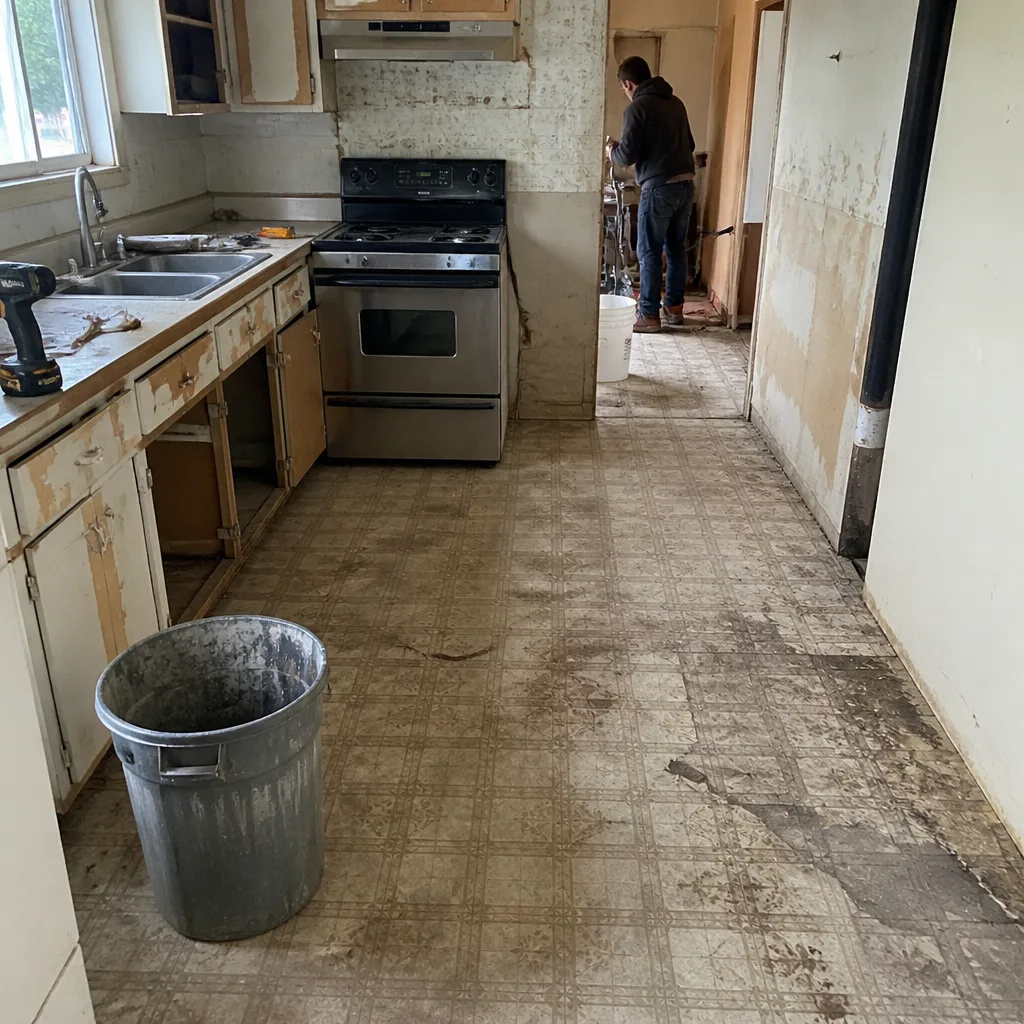 Before
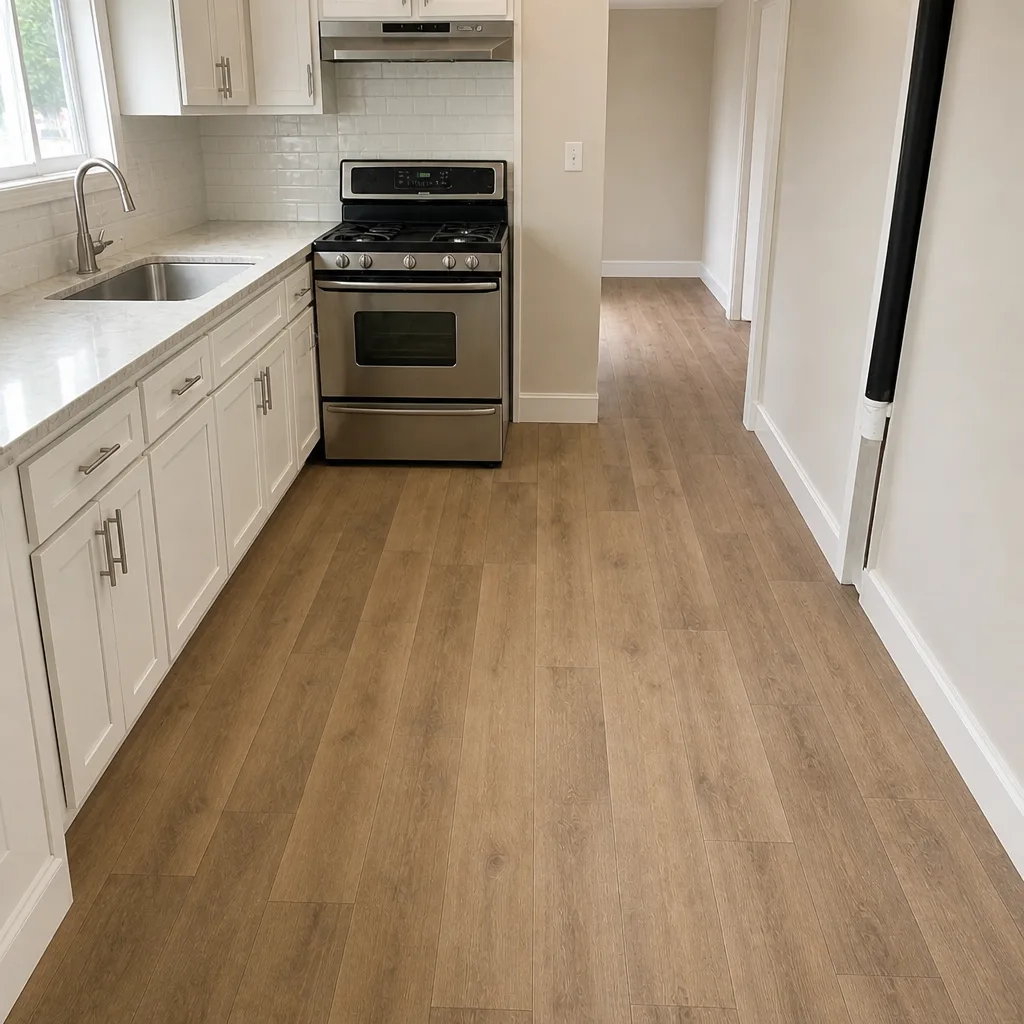 After
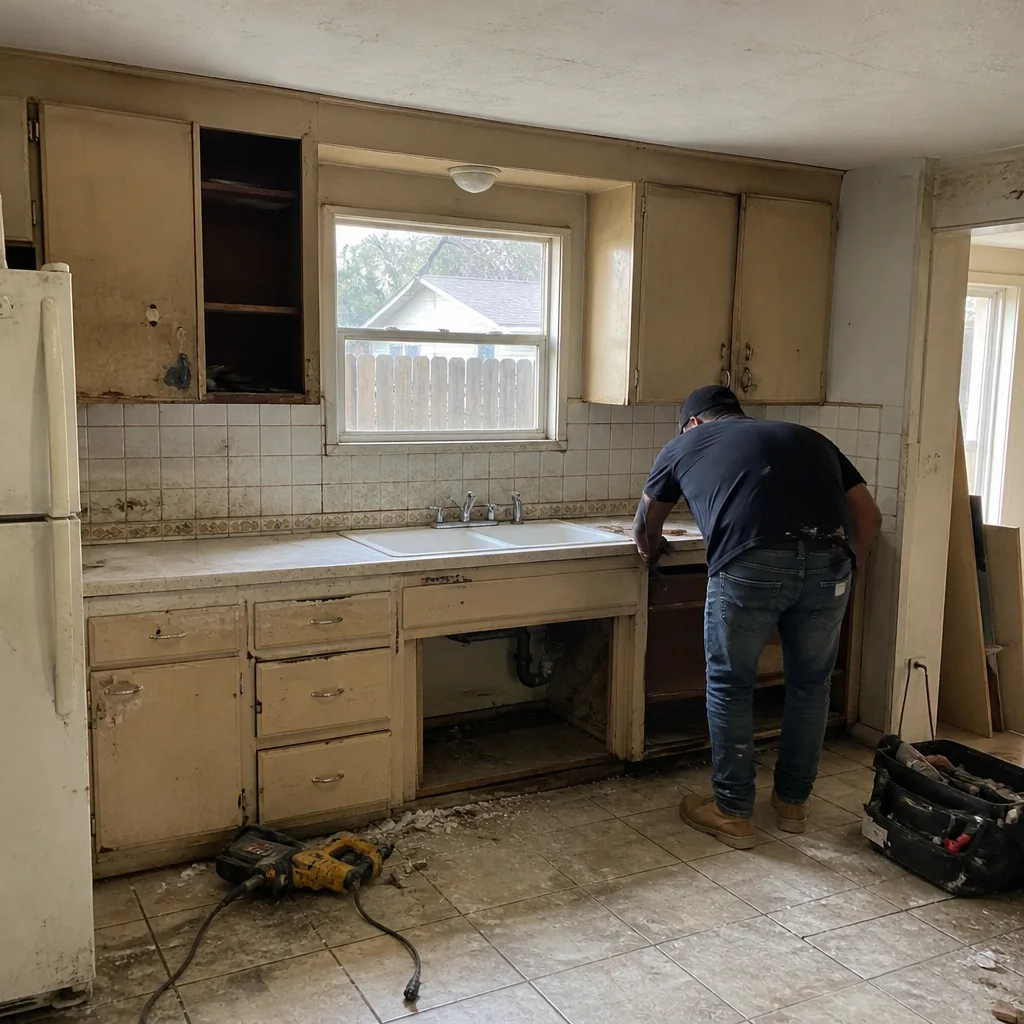 Before
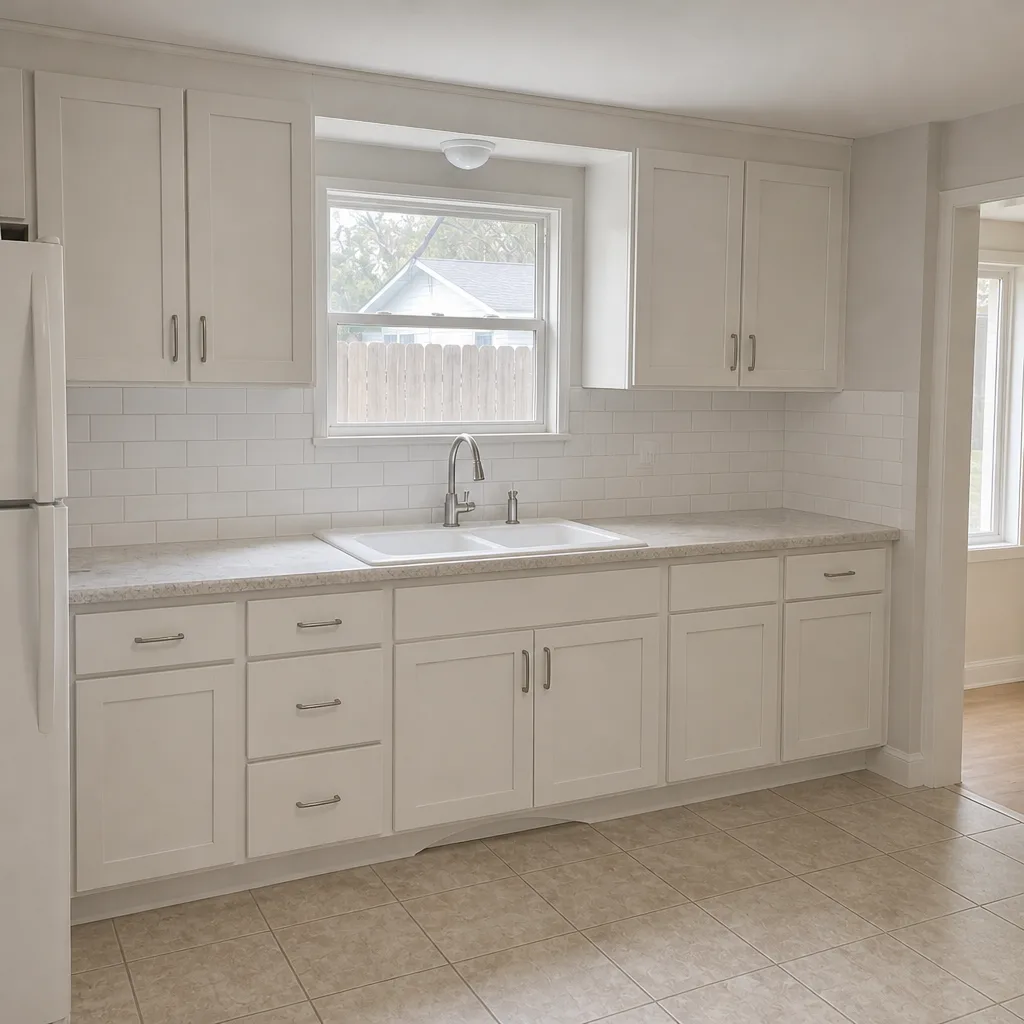 After
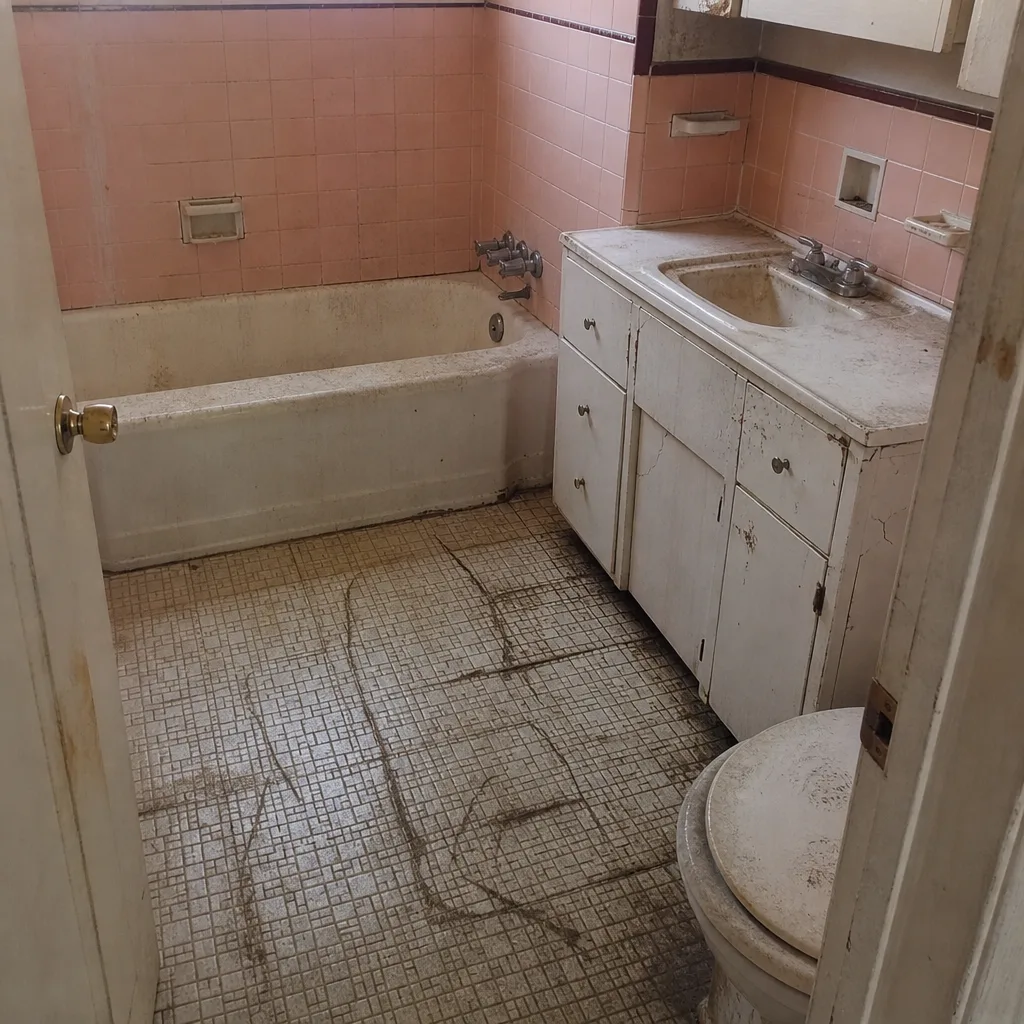 Before
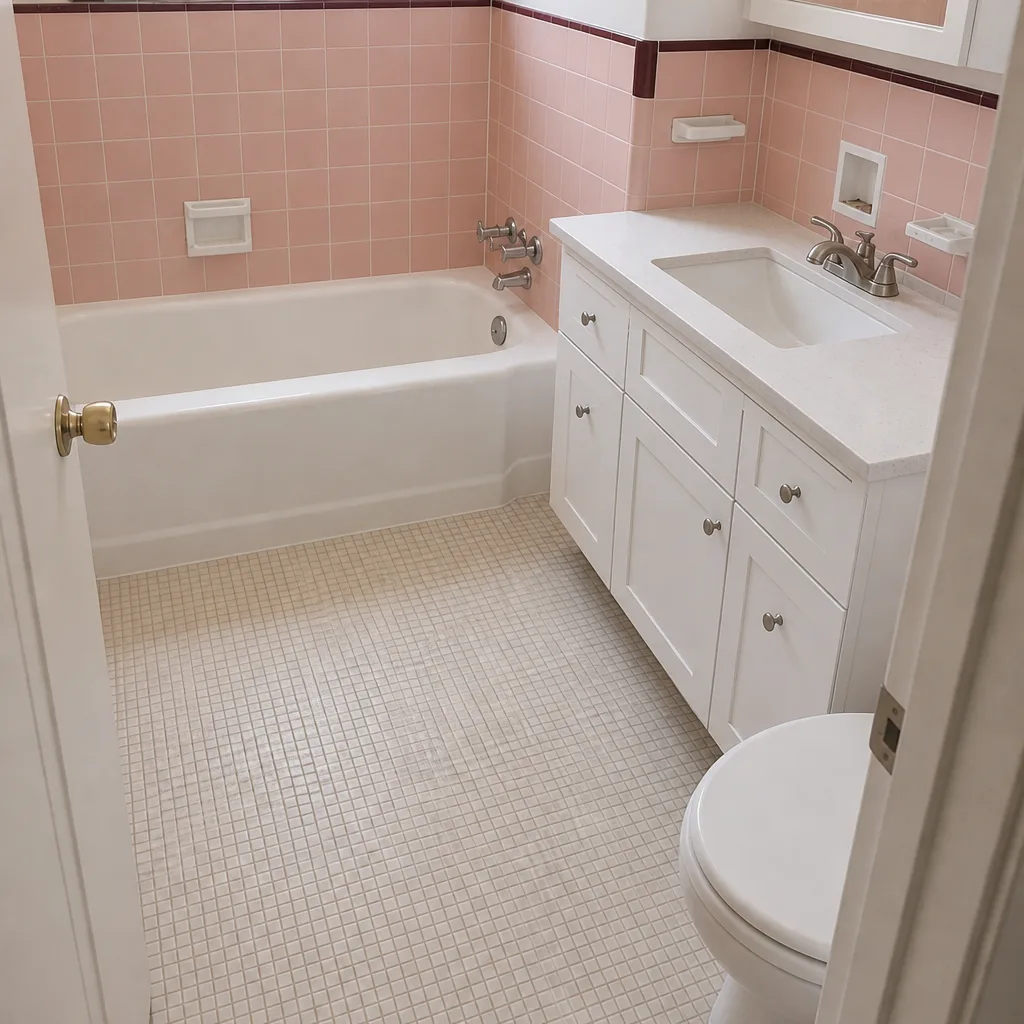 After
Frequently Asked Questions
Not for cosmetic tile over a sound existing substrate. You do need one if the tile is wet-area and the cement board substrate or waterproofing needs replacing, because that’s a permit-triggering repair. And once combined labor and materials exceed $500, California’s licensing threshold applies regardless of whether a permit is required. Call (833) 620-5046 for a free estimate on the tile work that needs a licensed hand.
Most corrections run 20 – 50% higher than doing the work right the first time, because contractors price in the time and risk of correcting someone else’s decisions. A failed shower pan correction runs $4,500 – $9,000 versus $3,000 – $6,500 for the original install. Call (833) 620-5046 for a written quote before the correction work starts.
Most standard policies exclude damage caused by faulty workmanship, regardless of who did the work. That means a DIY shower leak, a DIY electrical fire, or a DIY plumbing failure is often partially or fully uncovered. Call your insurer before you start any project that could touch structure, plumbing, or electrical – and then call (833) 620-5046 to compare the cost of doing it themselves versus having it done with a written guarantee.
Yes, and it’s often the smartest value. The split works when the contractor’s scope is written and priced separately, the sequence is agreed in advance, and the permit work is done and inspected before any homeowner finish work goes in. Call (833) 620-5046 and we’ll walk through which parts of your project make sense in each column.
Interior painting, cabinet refacing, fixture swaps, tile over a sound substrate, and non-irrigation landscaping are all worth doing yourself. What’s not worth it: anything touching plumbing beyond a fixture, anything on a load-bearing wall, electrical panel work, wet-area tile over a failed substrate, and any project that pushes past the $500 combined labor-and-materials threshold.
Permits depend on what the remodel touches. Cosmetic work – paint, tile, vanity replacement without moving plumbing – typically doesn’t require a permit in Pomona. Moving a drain, adding an outlet, or changing a shower valve body does. The full scope breakdown for Bathroom Remodeling in Pomona is on the service page, and our estimates include a permit scope so you know before demo what’s licensed and what’s cosmetic.
The Bottom Line
The DIY-versus-hire decision in Pomona comes down to three questions, not one. Does it require a permit? Does it touch structure, plumbing, gas, or electrical? And if it fails, will the loss fall on your policy or a contractor’s? If any of those answers lands on the hire side, the project is a hire – regardless of how skilled you are with a tile saw. If all three land on the DIY side, do it yourself with confidence and put the savings toward the parts that need a licensed hand. The worst outcome isn’t doing the work yourself and doing it imperfectly. It’s doing the work yourself, doing it imperfectly, and finding out at escrow.
Written by the team at Penhallow Remodeling Pomona.