Last updated November 18, 2026




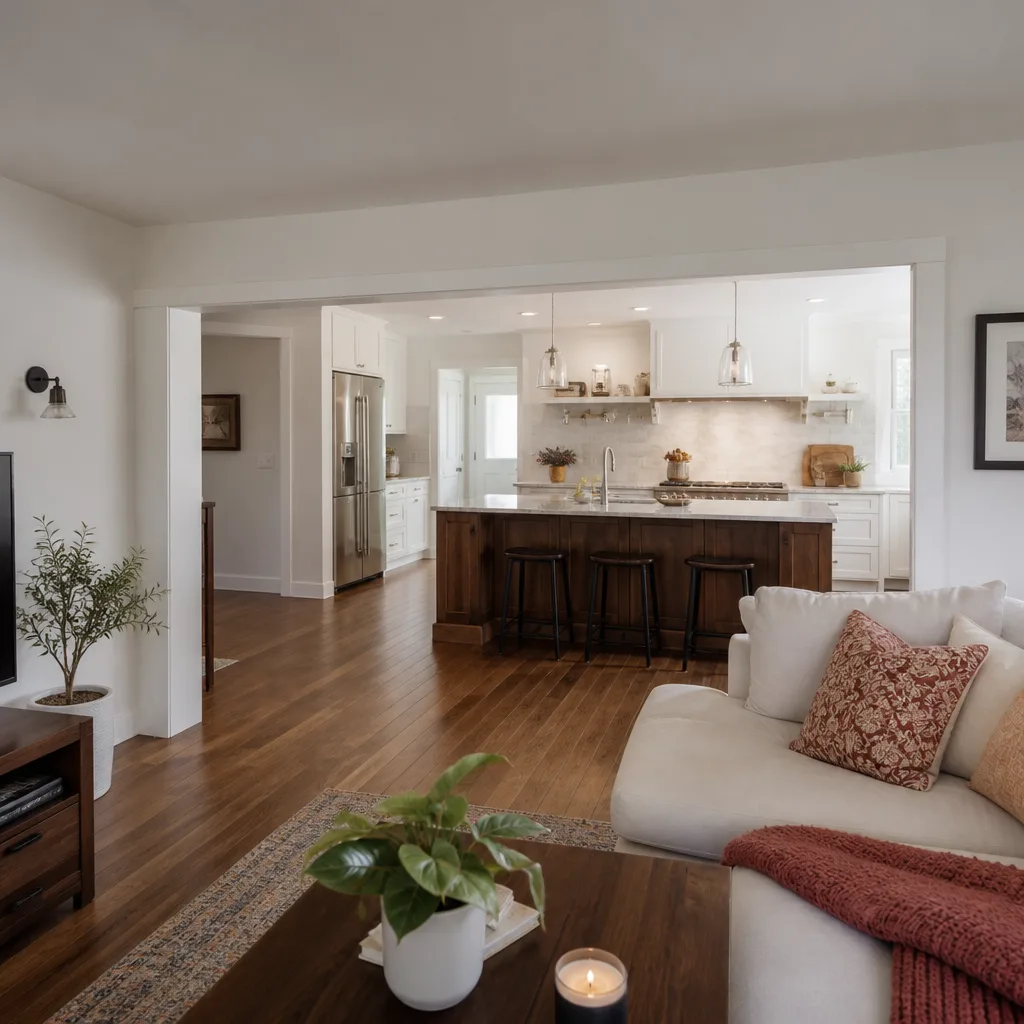
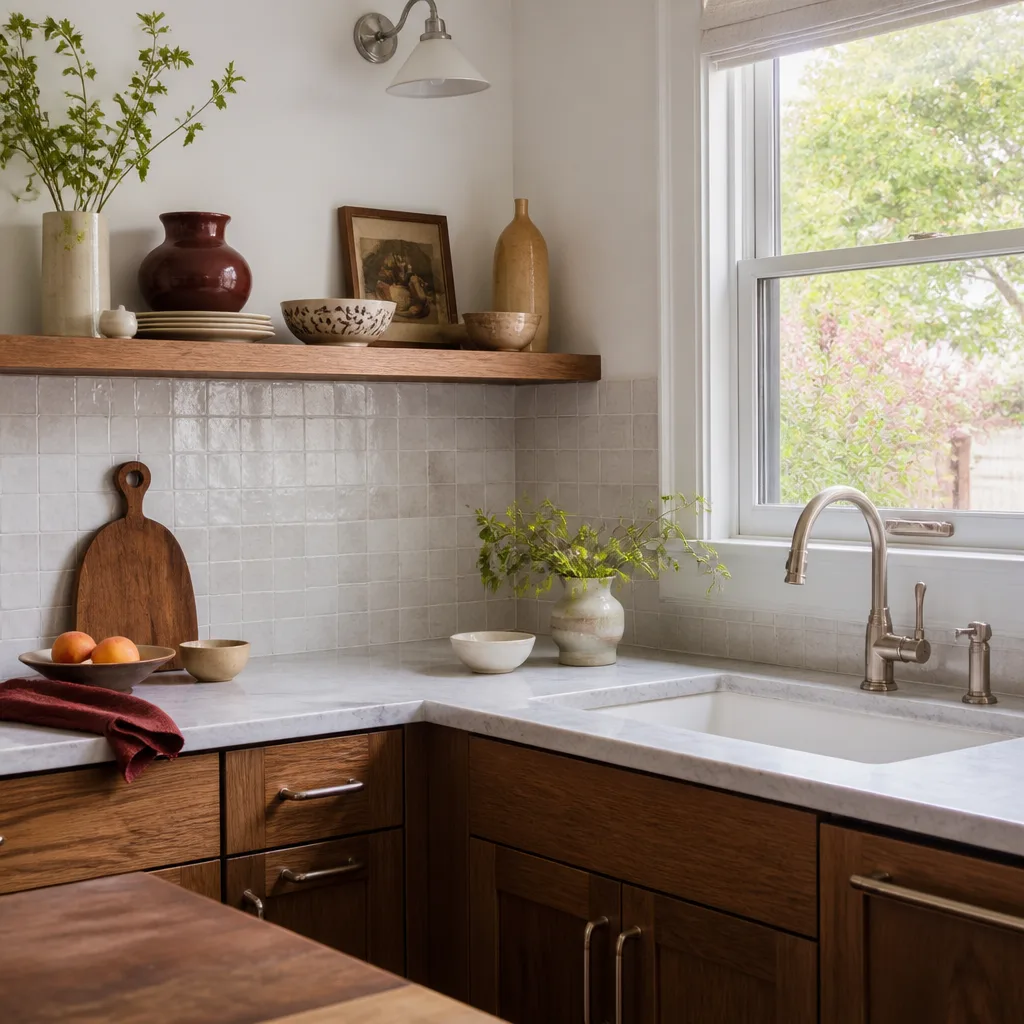
Free written scope consultation - allowances, timeline, and change-order rules on paper before a single trade is scheduled
How to Hire a Construction Contractor in Pomona: A Step-by-Step Guide
California’s Contractors State License Board logged more than 20,000 complaints in a recent year, and the most common thread wasn’t unlicensed work. It was licensed contractors who gave a verbal estimate and then billed something different when the job was done. That detail matters in Pomona, where a $12,000 kitchen can quietly become a $19,000 invoice when nobody wrote the number down. This guide walks through hiring as a series of written checkpoints, not gut-feel interviews, so you know exactly what to demand before anyone picks up a tool.
Quick Answer
Hiring a contractor in Pomona means verifying an active CSLB license, getting a written line-item price before work starts, and agreeing to a payment schedule where the deposit stays small and the final payment waits for inspection. If the price isn’t in writing, you don’t have a price – you have a hope. Get the number, the guarantee, and the arrival window on paper first.
Styles & brands we work with
- Kitchen remodeling
- Bathroom remodeling
- Home additions & ADU
- Roofing
- Windows & doors
- Driveway & pavers
- Fence
Table of Contents
- Step 1: Verify the License Before You Talk Money
- Step 2: Read the Written Estimate Like a Contract
- Step 3: Demand a Real Arrival Window
- Step 4: Watch for Red Flags in the Estimate Meeting
- Step 5: Structure Payments So You’re Protected
- Step 6: Confirm Permits and Inspections
- Step 7: Understand What the Guarantee Actually Covers
- Common Mistakes to Avoid
Step 1: Verify the License Before You Talk Money
Every contractor working on a project over $500 in labor and materials in California must hold a license from the Contractors State License Board (CSLB). You can check any license number free at cslb.ca.gov in about two minutes. Do it before the estimate meeting, not after.
Here’s the part most homeowners miss. A license can show “active” status and still have a “clear” flag difference that matters. Active means the license is current and the contractor can legally contract work. Clear means there are no unresolved disciplinary actions or complaints on file. You want both. A contractor can be active but carry a pending citation, and the CSLB record will tell you.
What to look for on the CSLB record
- Active status – the license is current, not suspended or expired.
- Clear status – no open complaints, citations or disciplinary actions.
- Classification – a B (General Building) license covers the broad remodeling scope most Pomona homeowners need. Specialty licenses (C-39 roofing, C-36 plumbing) apply to trade-specific work.
- Bond and workers’ comp – both should be current. A contractor with employees and no workers’ comp is a liability you inherit.
- Business name match – the name on the license should match the name on your contract. Aliases and DBA names sometimes differ, and that gap is where disputes live.
A properly licensed general contractor in Pomona will hand you the license number without being asked. If you have to chase it, that tells you something. Read more about what a full-service General Contractor in Pomona is expected to carry.
Step 2: Read the Written Estimate Like a Contract
A written estimate only qualifies as a real price if it contains five specific elements. If any one is missing, you’re holding a placeholder, not a number you can hold anyone to.
- Line-item scope – each phase priced separately: demo, framing, rough plumbing, tile, cabinetry, countertops, finish. One lump sum for “kitchen remodel” tells you nothing about what’s included.
- Materials named by brand and model – not “quartz countertop” but Cambria or Silestone, with the specific line. Not “cabinets” but KraftMaid or Wellborn, with the door style.
- Exclusions stated plainly – what the price does NOT cover. Permits, haul-away, moving furniture, drywall repair behind old tile. The exclusions are where surprise invoices hide.
- Payment schedule in dollars and percentages – tied to completion milestones, not to calendar dates.
- Guarantee terms in writing – what’s covered, how long, and exactly what happens if something fails.
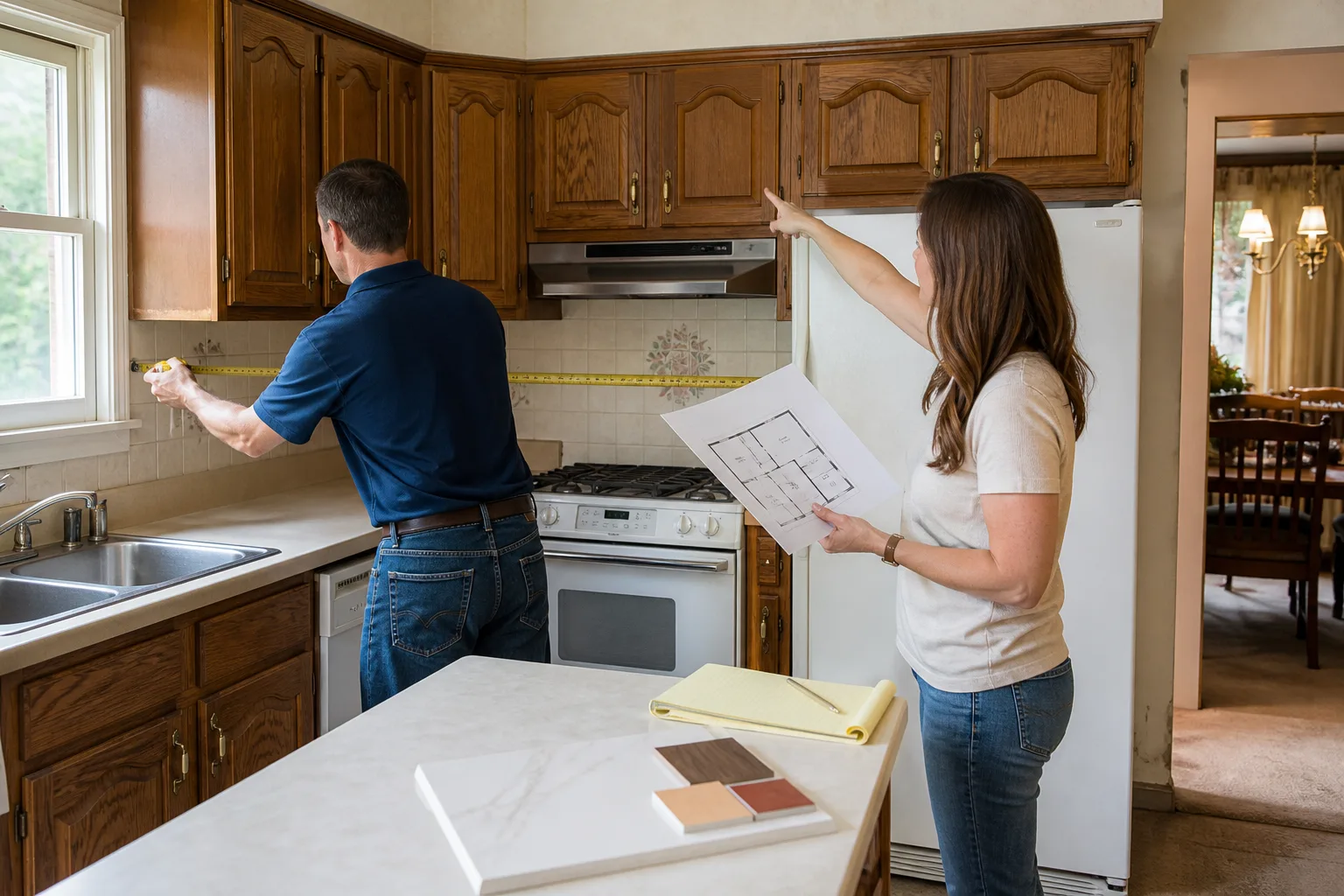
In our experience, the estimate meeting is where the relationship is either set up honestly or set up for a fight. A real written price takes longer to prepare, and that’s the point. When we quote a bathroom or a kitchen, the number on day one is the number on the invoice. That standard runs through our Kitchen Remodeling in Pomona work and every other project we take on.
Step 3: Demand a Real Arrival Window
“We’ll be there in the morning” is not a window. It’s a phrase designed to keep you home all day. A legitimate contract states a defined arrival window – a two-hour block, for example, with a name and phone number for the person arriving. Ask for it in writing. Every project written under The Kingswell Way carries one, because a defined window is a commitment, not a courtesy.
Why does this matter so much in Pomona? Because remodeling here often means coordinating around real life. Working parents in Lincoln Park juggling school pickups, retirees in the Wilton Heights area who’ve scheduled around a delivery, someone in Phillips Ranch who took the day off. A vague window costs you a day of your own time. A written window costs the contractor accountability. Ask for the written window before you sign anything, and ask what happens if it’s missed.
What a real arrival window includes
- A specific time block (e.g., 8-10 a.m.), not “morning” or “afternoon.”
- A named point of contact for the crew.
- A phone number that a live person answers.
- A stated consequence if the window is missed.
Step 4: Watch for Red Flags in the Estimate Meeting
The estimate meeting itself is a test. How a contractor behaves when they want your money tells you how they’ll behave when they have it. Three red flags are worth walking away from, no matter how good the price looks.
Red flag 1: They discourage permits
Any contractor who says “we don’t need a permit for that” on structural, electrical, plumbing or gas work is telling you they’d rather skip inspection than stand behind their work. Permit pulls and passing inspections are how a job gets verified by a third party. A bathroom remodel in Pomona that moves plumbing or adds a fan requires a permit. No exceptions. If the contractor shrugs that off, you’ve learned what their guarantee is worth.
Red flag 2: They won’t name their subs
Most remodels involve subcontractors – an electrician, a plumber, a tile setter. A legitimate contractor knows who’s coming into your home and can tell you. If they can’t or won’t name the subs and confirm they’re licensed, that’s a gap you’ll feel later.
Red flag 3: Same-day decision pressure
“This price is only good if you sign today” is a sales tactic, not a pricing policy. Real prices don’t evaporate overnight. Same-day urgency exists to stop you from comparing, and it’s the single clearest sign that the number is negotiable – which means it isn’t real.
Read more about licensed remodeling work on our Bathroom Remodeling in Pomona page if your project involves tile, waterproofing or plumbing rough-in.
Step 5: Structure Payments So You’re Protected
California law limits what a contractor can collect as a deposit before work starts. Under Business and Professions Code Section 7159.5, a down payment generally cannot exceed $1,000 or 10 percent of the contract price, whichever is less – and the deposit must be applied only to the specific job. That’s the floor of protection. You can and should ask for more.
A payment schedule that protects you
- Deposit – capped at 10 percent or $1,000, whichever is less.
- Rough-in milestone – payment when plumbing, electrical and framing are inspected and passed.
- Mid-project milestone – payment when drywall, tile and cabinetry are installed.
- Final payment – held until the job is complete, inspected and you’ve walked it through. Never pay the full balance before a final walkthrough and punch list.
Tie every payment to a milestone, not a calendar date. If work stops, your money stops with it. Request a written schedule with dollar amounts, and keep every receipt and change order in one folder. If a contractor asks for 50 percent up front, that’s a red flag worth taking seriously – it puts your money at risk the moment the job pauses.
Step 6: Confirm Permits and Inspections
Permits are the third-party seal on a job. In Pomona, that means the city’s Building and Safety Division, and the process varies by scope. A full kitchen or bathroom gut typically needs a building permit and separate electrical, plumbing and mechanical permits if those systems change. A cosmetic refresh – paint, cabinet refacing, new fixtures without moving pipes – often doesn’t.
Ask the contractor three questions in the estimate meeting: Will you pull the permit? Will you handle the inspections? Will the price include the permit fee or is it a separate line item? The Penhallow Remodeling Pomona home standard is that permits are pulled and inspections pass – written into the job, not bolted on later. If the contractor’s answer is “we’ll take care of it,” get the word “permit” in writing, with the fee shown.
Step 7: Understand What the Guarantee Actually Covers
A guarantee without terms is a slogan. Ask what’s covered, for how long, and what happens if something fails. Our 365-Day Done Right Promise is simple: if the work fails inside the guarantee period, we come back and fix it at no charge, covered in writing on every project. That includes a free return visit if a repair fails – no service call, no re-inspection fee.
Bring the same questions to any contractor in Pomona:
- How long does the guarantee last?
- What exactly does it cover – labor, materials, or both?
- How do I file a claim, and what’s the response time?
- Are the products themselves warrantied separately? (Cambria quartz carries its own lifetime warranty, for example, layered on top of the labor guarantee.)
- Do you fix the issue at no charge if the work fails?
Get the answers in writing. If they can’t be printed, they don’t exist.
Common Mistakes to Avoid
- Accepting a verbal estimate. A range spoken in your kitchen and a price written on paper are not the same thing. The written version is the only one you can hold anyone to.
- Skipping the CSLB check. It takes two minutes and tells you whether the license is active and clear. Skipping it in a market as busy as Pomona’s invites trouble you can’t unwind later.
- Paying a large deposit up front. California limits the deposit for a reason. A contractor who wants 50 percent down is asking you to fund their cash flow, not your project.
- Choosing the low bid without a written scope. Two bids that read $9,500 and $14,000 are rarely the same job. One is missing tile waterproofing, the other has it. Compare line items, not totals.
- Letting the contractor discourage permits. “It’ll slow us down” and “we don’t need that here” are the same red flag in different clothes. In Pomona, uninspected plumbing or electrical work can surface years later and cost more than the original job.
- Not naming subs in writing. If the crew arriving at your door isn’t the company you hired, you should know who’s coming and that they’re licensed.
- Ignoring the guarantee details. A promise with no terms is unenforceable. Ask for the coverage period and what happens if a repair fails – before you sign.
See the difference
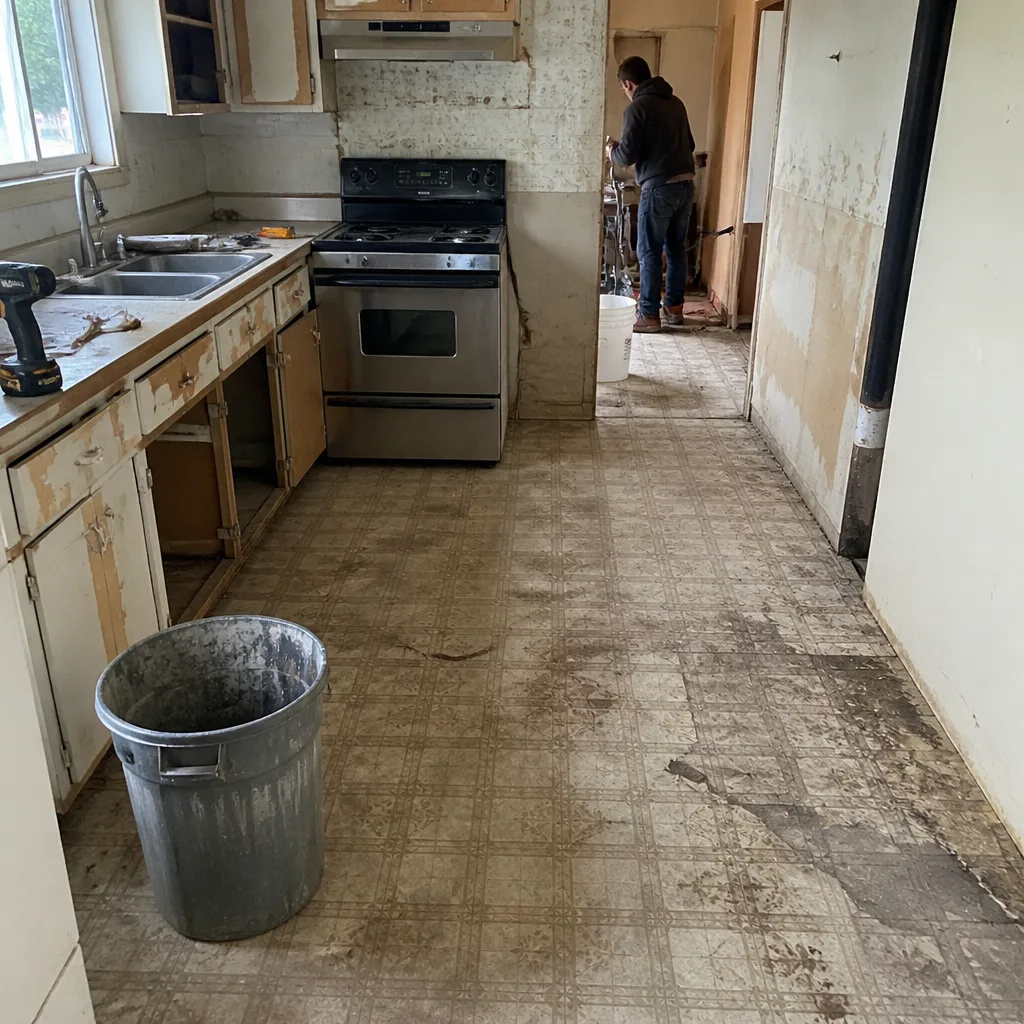 Before
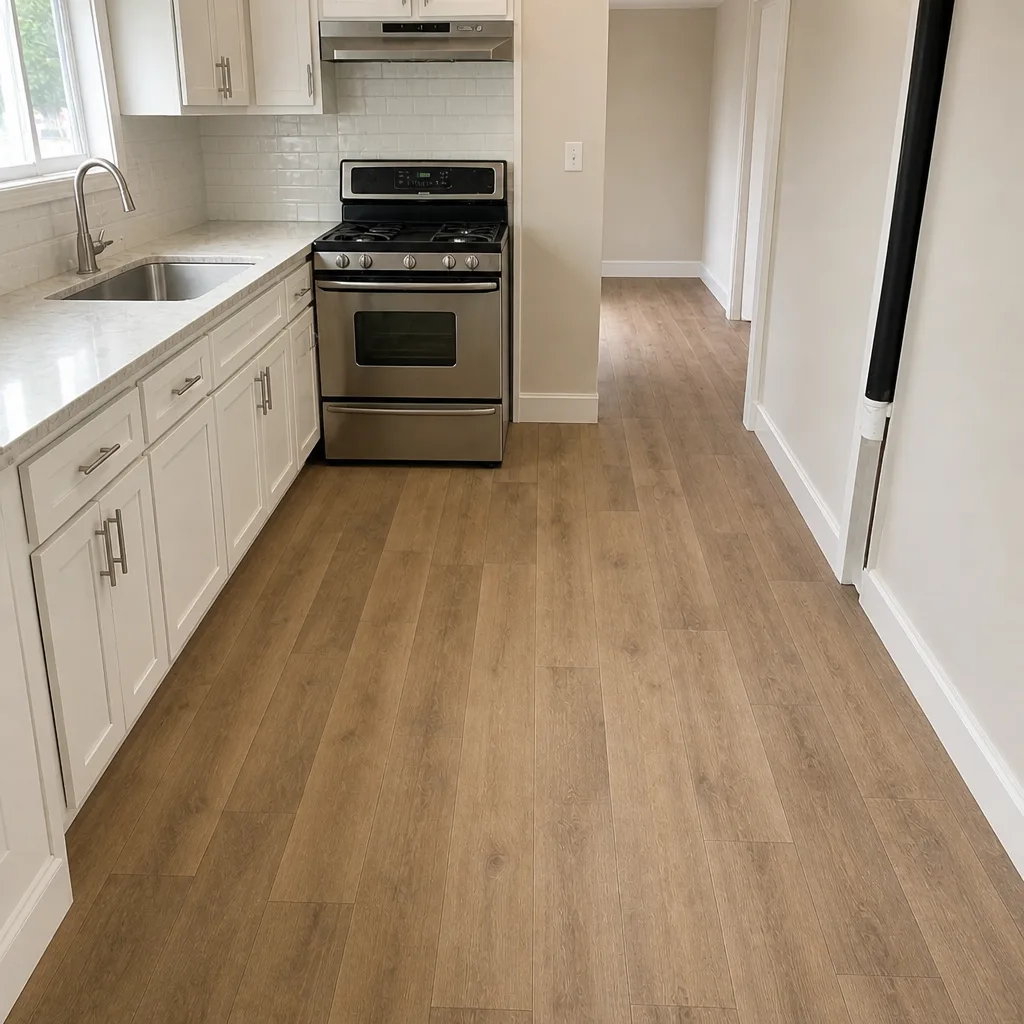 After
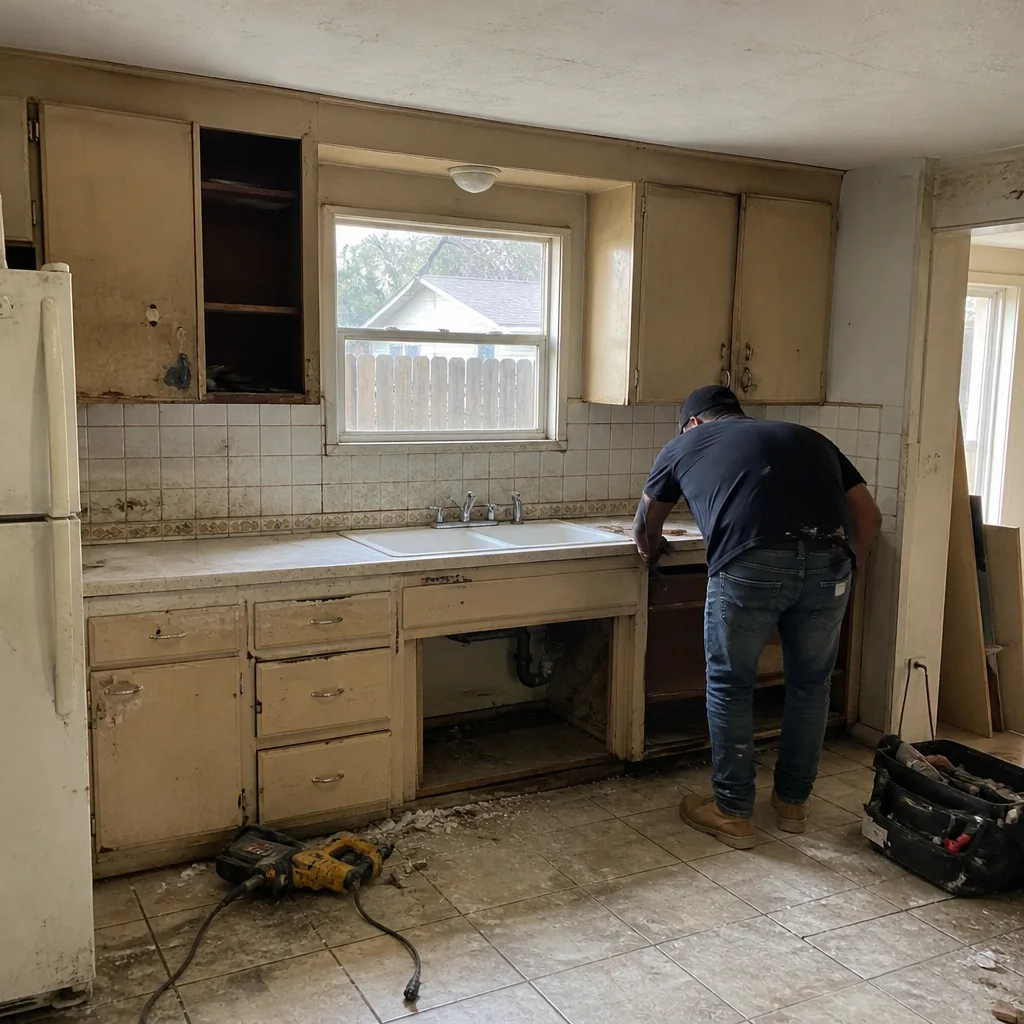 Before
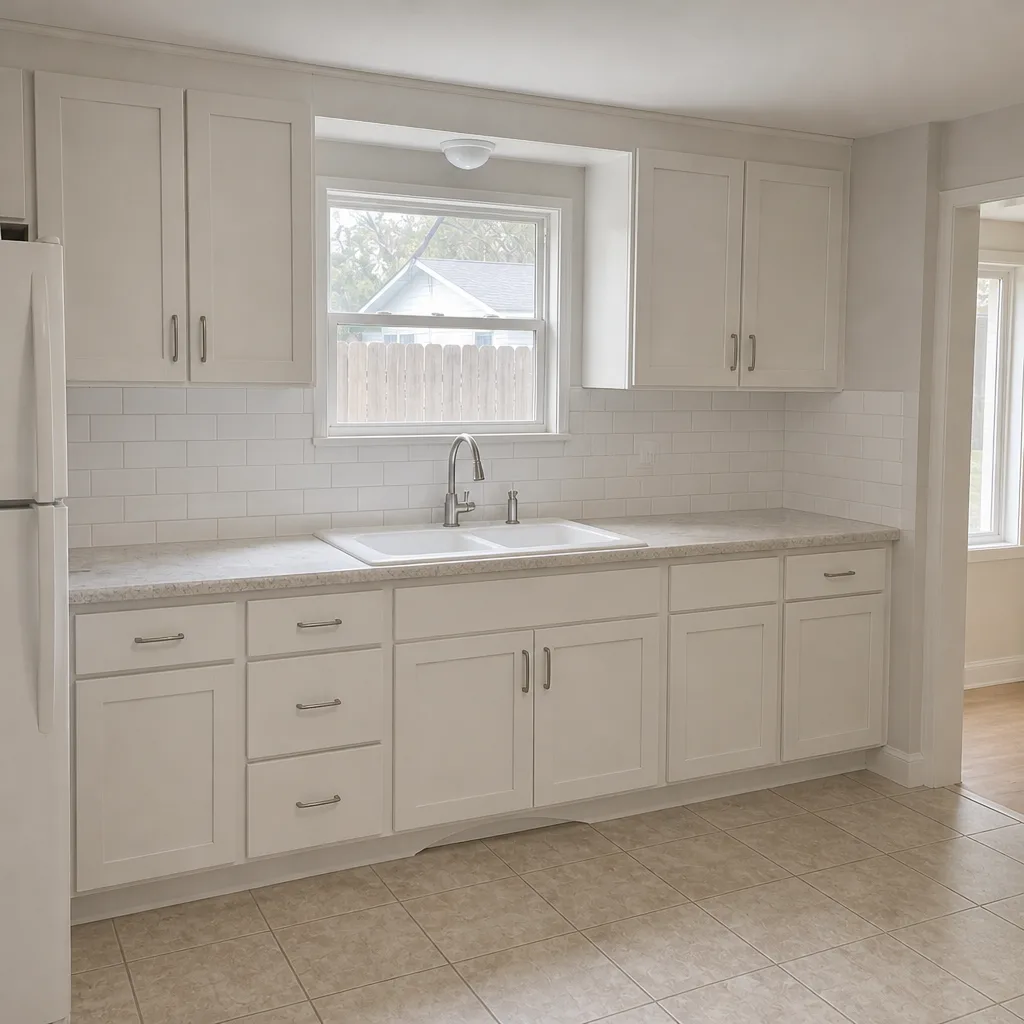 After
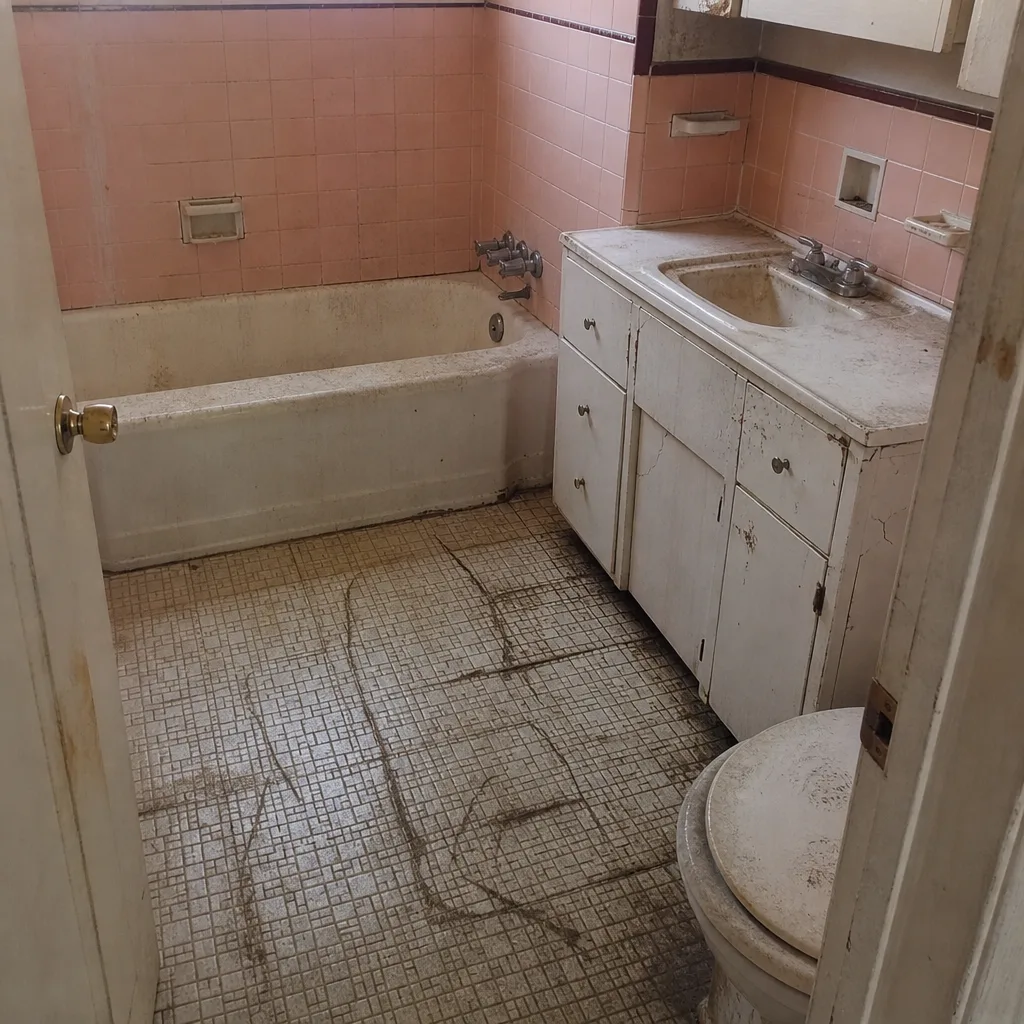 Before
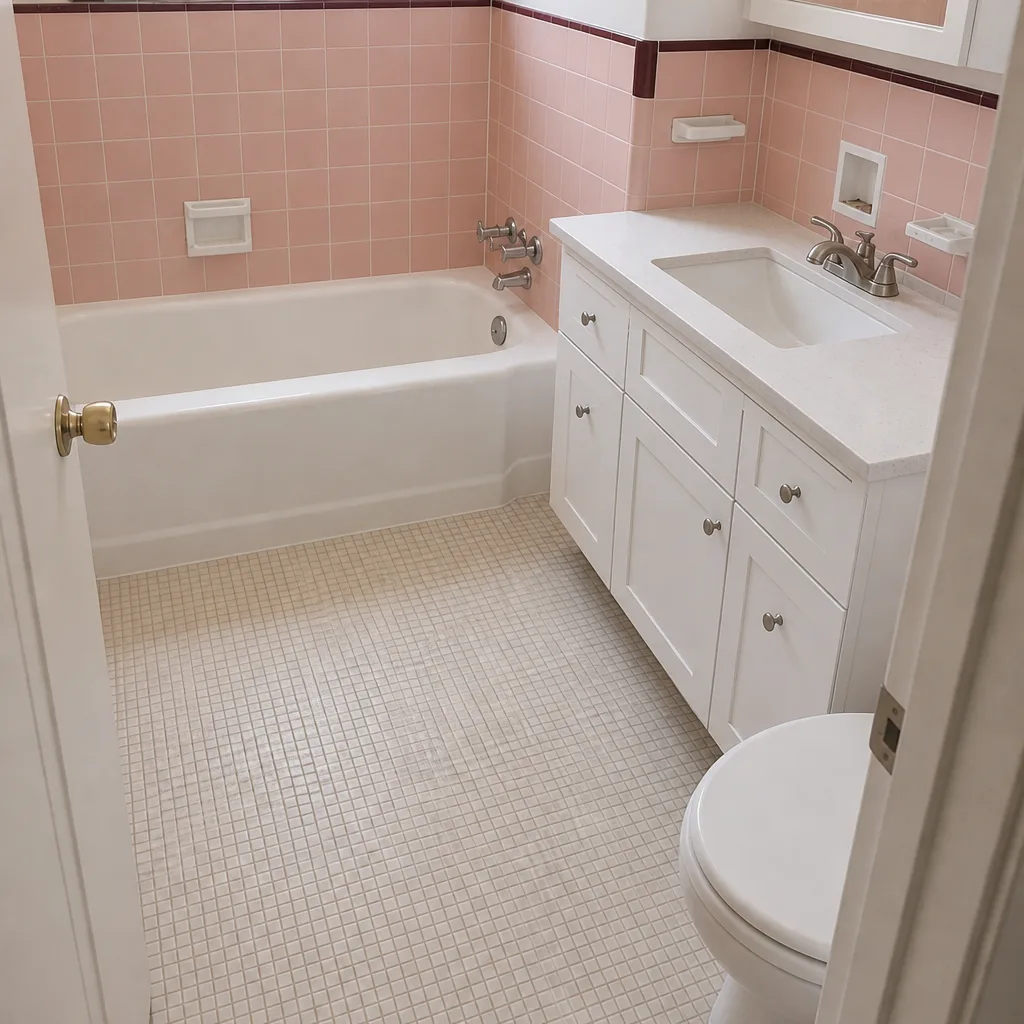 After
When to Call a Professional
Some jobs are genuinely DIY-friendly: painting, swapping a faucet, replacing a bathroom fan cover. Others need a licensed professional the moment they come up. Anything that moves plumbing or electrical, anything that changes a wall’s structure, anything involving a gas line, and any kitchen or bathroom remodel that involves waterproofing or tile substrate – those are jobs where a mistake surfaces slowly and costs a lot to undo. If a permit is required, a licensed contractor should be pulling it. If a repair has already been “fixed” once and failed, that’s the moment to call someone who will stand behind the second fix. Penhallow Remodeling Pomona offers free estimates in Pomona – call (833) 620-5046 to schedule yours.
Frequently Asked Questions
A typical kitchen remodel in Pomona runs about $18,000 to $55,000 depending on layout, cabinet line and countertop material. A cosmetic refresh with new cabinet fronts and a standard quartz top sits near the lower end; a full gut with new layout, KraftMaid or Wellborn cabinetry, and Cambria or Caesarstone surfaces lands higher. The biggest cost swing comes from whether plumbing and electrical move. Call (833) 620-5046 for an exact written price – estimates are free.
Yes, if the project moves plumbing, adds or relocates a fan, or changes electrical. A cosmetic refresh – new tile, paint, fixtures in the same location – often doesn’t. The Building and Safety Division will confirm based on your scope, and a licensed contractor should pull the permit and handle inspections. Ask for the permit line in the written price so there’s no surprise later.
A written contract is required for home improvement work over $500 in labor and materials. It must include the scope, price, payment schedule, guarantee terms and a three-day right to cancel. A “written estimate” and a “written contract” shouldn’t be two different documents – the price on the estimate should carry into the contract unchanged. If it doesn’t, ask why before you sign.
Active means the license is current and the contractor can legally take work. Clear means there are no open disciplinary actions, citations or unresolved complaints. You want both. A license can be active but carry a pending citation, and the CSLB record will show it. Check cslb.ca.gov before the estimate meeting.
A bathroom remodel usually takes two to four weeks. A kitchen remodel runs four to eight weeks depending on cabinet lead times and whether walls move. A whole-home remodel can run three to six months. Weather in Pomona is rarely the bottleneck; permit timing and material lead times usually are. Ask for a written schedule with milestones before you sign.
Ask for the written contract and the written change orders. In California, any change to price must be documented in a signed change order – a verbal “it cost more” isn’t enforceable. If the contractor can’t produce written change orders signed by you, the original price holds. If they can, review whether the change was justified by scope you approved. Call (833) 620-5046 if you want a second opinion on a written estimate – we’ll give you a real number to compare against.
The Bottom Line

Hiring a contractor in Pomona comes down to written checkpoints, not gut-feel interviews. Verify the CSLB license is active and clear. Read the estimate for line items, named materials, exclusions, a payment schedule and guarantee terms. Demand a defined arrival window. Watch for permit resistance, unnamed subs and same-day pressure. Cap the deposit at 10 percent, tie payments to milestones, and hold the final payment until the punch list is done. Get every guarantee in writing. None of this is complicated – it just takes a contractor willing to put the number down before the work starts.
Penhallow Remodeling Pomona operates under The Kingswell Way: say the price before the work, show up in the window we gave, and leave the place cleaner than we found it. Our technicians have up to 22 years of experience, they’re background-checked and uniformed, and every project carries the 365-Day Done Right Promise in writing. A live person answers the phone 24/7 at (833) 620-5046. Call today to schedule your free estimate.
Written by the team at Penhallow Remodeling Pomona.