Last updated November 18, 2026


Free written scope consultation - allowances, timeline, and change-order rules on paper before a single trade is scheduled
Kitchen Remodeling Troubleshooting: Common Problems and How to Fix Them
A cabinet door that swings open on its own isn’t a hinge problem. It usually means the cabinet box wasn’t installed level, and adjusting the hinge just masks a structural issue that will keep returning. We’ve seen this pattern enough times in Pomona to know it isn’t bad luck. Throughout this guide, we’ll walk you through how to diagnose the finish failures that appear after a kitchen remodel, tell you which ones you can fix yourself and which ones demand a callback, and show you how a written guarantee changes the entire conversation when something goes wrong.
Quick Answer
Most kitchen remodel problems after completion fall into three timing windows: immediately after project close (installation defects), within 90 days (settling and material acclimation), and 6 – 18 months out (chronic issues from improper substrate, leveling, or moisture control). Grout cracks at the countertop-to-backsplash joint, binding drawer slides, and doors that won’t stay closed are the five most common finish failures. Some are DIY-correctable; others require the original contractor. A written 365-day guarantee is what separates a company that answers the phone from one that disappears.
Styles & brands we work with
- Kitchen remodeling
- Bathroom remodeling
- Home additions & ADU
- Roofing
- Windows & doors
- Driveway & pavers
- Fence
Table of Contents
- Why Timing Tells You Everything About a Finish Failure
- The Five Most Common Finish Failures (and How to Diagnose Them)
- DIY-Correctable vs. Contractor-Callback: Know the Difference
- How a Written 365-Day Guarantee Changes the Callback Conversation
- Your Post-Project Punch List: Catch Defects Before the Crew Leaves
- Pomona-Specific Factors That Affect Finish Durability
- What Documentation to Have Ready When You Call
Why Timing Tells You Everything About a Finish Failure
The moment a problem appears tells you what kind of problem it is. A door that won’t close the day the crew packs up is an installation defect. A grout line that cracks six weeks later is normal settling or material acclimation. A drawer that binds eight months in is usually a chronic issue rooted in the substrate or the cabinet box itself.
Here’s how we organize it:
- Immediately after project close (day 0 – 14): Installation defects. Hinges mounted wrong, drawer slides misaligned, caulk applied before the substrate was dry, cabinet boxes not shimmed level. These should have been caught on the punch list, and a legitimate contractor fixes them without argument.
- Within 90 days: Settling and acclimation. Wood cabinets expand and contract as they absorb or release moisture. Grout and caulk cure and shrink. In Pomona, where summer temperatures regularly push past 95°F and winter mornings can drop into the 40s, the swing between seasons accelerates this. A hairline crack at the backsplash joint at week six is common and usually cosmetic.
- 6 – 18 months out: Chronic issues. Doors that rack (twist out of square), drawer slides that bind along one side, laminate seams that lift. These point to something structural: the cabinet box wasn’t level, the countertop wasn’t seated flat, or the substrate wasn’t appropriate for the moisture level in the room.
The distinction matters because it determines who pays. A chronic issue at month twelve isn’t “normal wear” – it’s a defect that should have been prevented at installation. When we install cabinets, we check level on every box before the countertop goes on. If a box is off by even a quarter-inch across the run, the doors will rack within a year. That’s not a hinge problem. That’s an installation problem wearing a hinge costume.
Understanding Kitchen Remodeling in Pomona means understanding that finish durability starts with substrate and leveling, not with the final coat of paint.
The Five Most Common Finish Failures (and How to Diagnose Them)
These five problems account for the majority of post-remodel callbacks we see in Pomona. Here’s how to diagnose each one in plain terms.
1. Grout Cracking at the Countertop-to-Backsplash Joint
What it looks like: A hairline or wider crack along the line where the horizontal countertop meets the vertical backsplash.
What it usually means: The joint is moving. Countertops expand and contract with temperature, and so do the framing members behind the backsplash. Grout is rigid; it doesn’t flex. If the joint was grouted instead of caulked, it will crack. If it was caulked but the caulk was applied over a damp or dusty surface, it will pull away.
Diagnosis steps:
- Press gently on the countertop near the crack. If the countertop moves at all, the issue is seating, not the joint material.
- Check whether the material in the joint is grout (hard, sandy texture) or caulk (flexible, rubbery). Grout in this joint is the wrong material.
- Look for moisture behind the backsplash. Dark discoloration or soft drywall indicates a leak, not a settling issue.
If the countertop moves, stop. That’s a callback for the contractor who installed it. If the countertop is solid and only the caulk failed, re-caulking is a DIY fix.
2. Cabinet Doors Racking (Twisting Out of Square)
What it looks like: The door sits flush at the top but gaps at the bottom, or vice versa. The gap changes depending on whether the door is open or closed.
What it usually means: The cabinet box isn’t square or level. Adjusting the hinge will mask the problem for a few weeks, but the door will swing open on its own or drift out of alignment again. We’ve seen this most often in kitchens where cabinets were installed directly against a floor that wasn’t level. In older Pomona homes, especially in neighborhoods with homes from the 1940s – 1960s, floor slope is common.
Diagnosis steps:
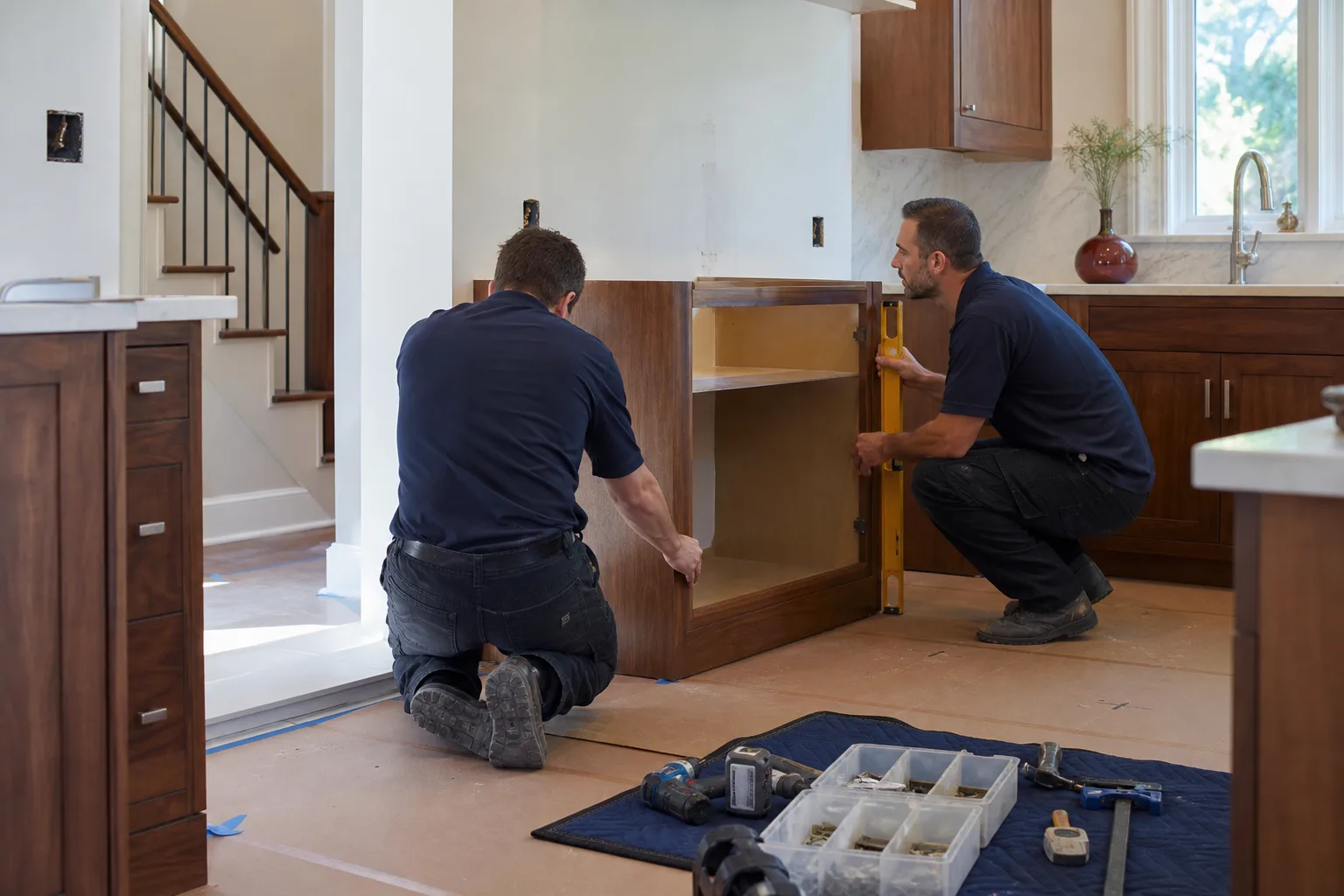
- Place a 4-foot level across the top of the cabinet box. Check front-to-back and side-to-side.
- Open the door and look at the gap between the door edge and the cabinet frame at the top and bottom. Uneven gaps confirm racking.
- Check whether the cabinet is shimmed at the floor. If there’s no visible shim, the box may be sitting directly on an uneven floor.
If the box is out of level, no amount of hinge adjustment will fix it. The cabinet needs to be re-shimmed and re-secured. That’s a contractor job.
3. Drawer Slides Binding
What it looks like: The drawer sticks halfway, pulls harder on one side than the other, or requires a lift to close.
What it usually means: The slides aren’t parallel. Either the cabinet box is twisted, or the slides were mounted at different heights or depths on the two sides. Over time, the drawer box itself can warp if the wood absorbed moisture.
Diagnosis steps:
- Pull the drawer all the way out and check whether the slide rails are at the same height on both sides.
- Push the drawer in slowly and watch whether one side engages before the other.
- Remove the drawer (most slides have a release tab) and check whether the cabinet box behind it is square.
If the slides are misaligned but the box is square, a patient homeowner can often loosen the mounting screws and re-align. If the box is twisted, it’s a structural fix.
4. Caulk Shrinkage at the Sink
What it looks like: A dark line or gap opens between the sink rim and the countertop. Water may pool in the gap.
What it usually means: The caulk was applied before the area was completely dry, or the wrong caulk was used (standard latex instead of a kitchen-rated silicone or siliconized acrylic). Sink areas see more moisture than any other part of the kitchen, and caulk that isn’t rated for wet environments fails fast.
Diagnosis steps:
- Dry the area completely with a cloth and wait an hour. If moisture wicks back into the gap, there’s a leak from above or below.
- Check whether the caulk is peeling or simply shrunk. Shrinkage is cosmetic; peeling with moisture behind it is a leak.
- Look under the sink for water stains on the cabinet floor.
Re-caulking a sink is one of the most straightforward DIY fixes in the kitchen, but only if there’s no active leak. If you find moisture behind the sink, call the contractor.
5. Laminate Seam Lifting
What it looks like: The edge of a laminate countertop or cabinet face lifts away from the substrate, usually at a seam or along the front edge.
What it usually means: The laminate was applied over a substrate that wasn’t clean, wasn’t dry, or wasn’t the right material (particle board instead of MDF or plywood, for example). Heat and moisture accelerate the failure. In a Pomona kitchen with a south-facing window, a laminate seam near the window can lift within a year.
Diagnosis steps:
- Press the lifted edge down gently. If it stays down, the adhesive may have simply failed at the edge.
- Check whether the substrate underneath is swollen or crumbly. Soft substrate means moisture has been getting in.
- Look for a pattern: is the lifting at a seam, at an edge, or in the middle of a flat surface? Seam and edge lifting is common; middle-of-surface lifting usually indicates a substrate problem.
Small edge lifts can sometimes be re-adhered with contact cement, but if the substrate is compromised, the laminate will lift again. That’s a callback.
DIY-Correctable vs. Contractor-Callback: Know the Difference
Not every post-remodel problem needs a contractor. Some are straightforward homeowner fixes that don’t require special tools or a service call. Others are signs of an installation defect that will keep returning until the root cause is addressed.
DIY-correctable:
- Hinge adjustment (the door is in the right position, just slightly out of alignment)
- Re-caulking at the sink or backsplash joint (assuming no active leak)
- Replacing a failed drawer slide (if the box is square and the slides are accessible)
- Tightening cabinet hardware (knobs, pulls, and shelf pins)
- Re-adhering a small laminate edge lift (if the substrate is sound)
Contractor-callback:
- Cabinet box releveling or re-shimming (the box itself is out of level)
- Countertop reseating (the countertop is not flat on the cabinet box)
- Grout cracking that recurs after re-caulking (indicates movement)
- Any water infiltration behind a backsplash, sink, or countertop
- Doors that rack despite hinge adjustment
- Laminate lifting over swollen or soft substrate
The rule of thumb: if the problem returns after you fix the symptom, you’ve been treating the symptom, not the cause. A hinge that keeps drifting, a caulk line that keeps opening, a drawer that keeps binding and then smooths out and then binds again. Those are all signs that the underlying installation needs attention.
If you’re dealing with a chronic issue and need a professional assessment, our General Contractor in Pomona team can evaluate the installation and tell you what’s actually wrong.
How a Written 365-Day Guarantee Changes the Callback Conversation
A guarantee isn’t a marketing line. It’s a document that changes what happens when something goes wrong. When a contractor hands you a written 365-Day Done Right Promise before work starts, you know exactly what’s covered, how long it lasts, and what the process is for a callback. That changes the conversation from “Can I get someone to answer the phone?” to “Here’s what the document says.”
Here’s what a legitimate contractor’s response should look like when you call about a post-remodel issue:
- They ask when the problem appeared and whether it’s recurring. A contractor who takes the guarantee seriously wants to know whether this is a first-time issue or the third time you’ve called about the same door.
- They ask for photos and a description of the symptom. Good contractors diagnose over the phone before they schedule a visit. They’ll ask you to send a photo of the gap, the crack, or the binding drawer.
- They schedule a visit within a defined window. The Kingswell Way says it plainly: say the price before the work, show up in the window we gave, leave the place cleaner than we found it. A real guarantee comes with a real arrival window.
- They fix the root cause, not the symptom. If they adjust the hinge and leave, the problem will return. A legitimate contractor addresses why the door was racking in the first place.
- They don’t charge for the return visit. The 365-Day Done Right Promise means the return visit is covered. No service call fee, no re-inspection charge. That’s the whole point of a written guarantee.
If you’re in Pomona and the contractor who did your kitchen won’t return your call, that’s a different problem entirely. We offer free estimates and can assess whether the issue is something we can fix under a new project scope. Call (833) 620-5046 to schedule a visit.
Your Post-Project Punch List: Catch Defects Before the Crew Leaves
The best time to catch a finish failure is before the crew packs up. Once they demobilize, every callback is a scheduling negotiation. Here’s a punch list you can walk through at project close, ideally with the lead installer standing next to you.
- Open and close every cabinet door three times. Watch for racking, self-opening, and uneven gaps. If a door doesn’t stay where you put it, note it.
- Pull every drawer out fully and push it back in. Feel for binding, listen for scraping, and check that the drawer closes flush with the cabinet face.
- Run your hand along the countertop-to-backsplash joint. It should be smooth caulk, not gritty grout. If it’s grout, ask why.
- Check the caulk line at the sink for gaps, smears, or areas where the caulk was applied over moisture.
- Inspect laminate seams and edges by pressing gently along the front edge and any visible seams. Lifting edges should be noted before the crew leaves.
- Look at the floor level under the cabinets. If the cabinets sit directly on the floor without visible shims, ask the installer how they leveled the boxes.
- Test the under-cabinet lighting, outlets, and any appliance connections that were part of the project. A light that flickers on day one is an electrical issue, not a bulb issue.
- Take photos of every joint, seam, and corner. Date-stamp them. If a problem appears in six months, you’ll have a baseline.
- Ask for the written guarantee document before the crew leaves. If it isn’t in your hand at project close, it’s not a guarantee. It’s a promise.
We walk every Pomona homeowner through this punch list at project close, and we don’t consider the job done until the list is clear. For a broader look at what a full kitchen project involves, see our Kitchen Remodeling in Pomona page.
Pomona-Specific Factors That Affect Finish Durability
Pomona has a climate and housing stock that affect how kitchen finishes age. The city sits in the Pomona Valley, where summer temperatures regularly exceed 95°F and winter mornings can drop into the 40s. That temperature swing is hard on wood cabinets, grout, caulk, and laminate.
Housing age matters too. In older Pomona neighborhoods, many homes were built between the 1940s and 1960s, and floor slope is common. A kitchen remodel in a home with a sloped floor needs cabinet boxes shimmed and leveled with extra care. In our experience, a cabinet box that isn’t level on a sloped floor will show door racking within 12 – 18 months. We check level on every box before the countertop goes on, because fixing it after the countertop is seated is a much bigger job.
Pomona’s summer heat also accelerates caulk shrinkage. A sink caulk line that’s fine in a coastal kitchen may fail faster in Pomona if the caulk wasn’t rated for high-temperature swings. We use kitchen-rated silicone or siliconized acrylic in wet areas because standard latex caulk doesn’t hold up here.
And there’s the dust. Pomona sits in a valley where Santa Ana winds can push fine dust through every gap. A backsplash joint that wasn’t sealed properly will collect dust and look dirty within months. That’s not a cleaning problem; it’s a caulk problem. If you’re remodeling a kitchen in Pomona, the finishes need to be selected and installed for this climate, not for a showroom in a milder region.
If you’re also planning to update an adjacent bathroom, our Bathroom Remodeling in Pomona team handles the same kind of finish work with the same guarantee.
What Documentation to Have Ready When You Call
When you call about a post-remodel problem, the contractor will ask for specific information. Having it ready shortens the phone call and gets you a faster resolution.
- The date the work was completed. This tells the contractor whether you’re inside the guarantee period.
- The date the problem first appeared. This is the single most important piece of information. It tells the contractor whether this is an immediate defect or a chronic issue.
- Photos of the problem. A close-up and a wider shot. For a door that won’t close, photograph the gap from both sides.
- The written price and guarantee document you received before work started. If you don’t have one, that’s a problem in itself.
- A description of what you’ve already tried. If you adjusted the hinge or re-caulked and the problem returned, say so. That tells the contractor the issue is structural.
- The names of any products installed – cabinet brand, countertop material, caulk type – if you have that information. It helps the contractor diagnose faster.
We ask for these six things on every callback because they’re the difference between a phone diagnosis and a site visit. If you’re in Pomona and you’re dealing with a post-remodel issue, call (833) 620-5046. We’ll ask for the same information, and we’ll give you a written price before any work starts.
Common Mistakes to Avoid
- Adjusting the hinge when the box is out of level. The door will drift again within weeks. If the gap changes depending on whether the door is open or closed, the box is the problem, not the hinge.
- Re-caulking over a wet joint. Caulk won’t adhere to a damp surface, and the new caulk will fail just like the old one. Dry the area completely and check for leaks before re-caulking.
- Assuming a crack at week six is a defect. Grout and caulk shrink as they cure. A hairline crack at the backsplash joint within the first 90 days is normal settling, not an installation failure. If it recurs after re-caulking, that’s when you call.
- Skipping the punch list at project close. Once the crew leaves, every callback is a scheduling negotiation. Walk the kitchen with the lead installer and document every issue before they demobilize.
- Not asking for the guarantee in writing before work starts. A verbal guarantee isn’t a guarantee. If the document isn’t in your hand before the first cabinet comes out, you don’t have one.
- Treating a recurring problem as a one-time fix. If a drawer binds, then smooths out, then binds again, you’re treating the symptom. The box is the issue.
- Ignoring moisture behind the backsplash or under the sink. A dark line at the sink joint that keeps returning isn’t caulk failure. It’s a leak. Call the contractor.
See the difference
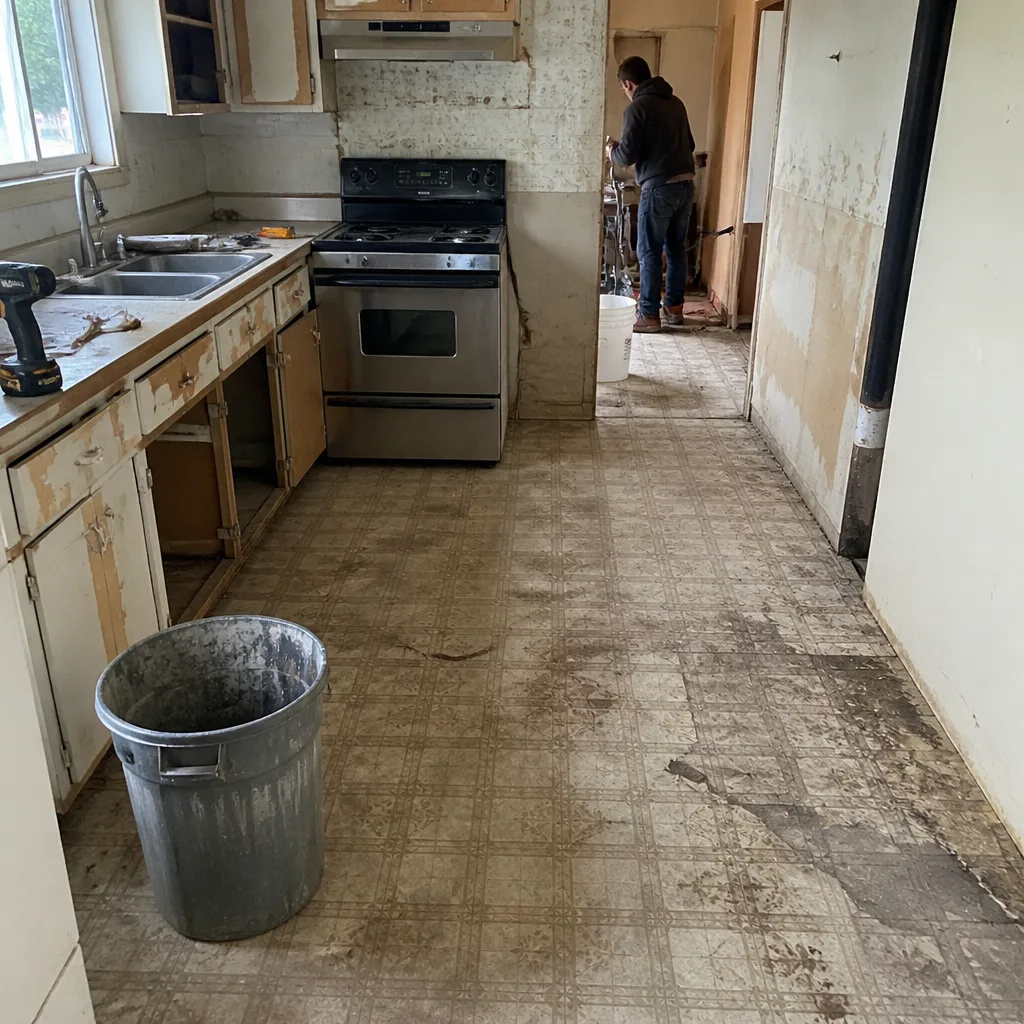 Before
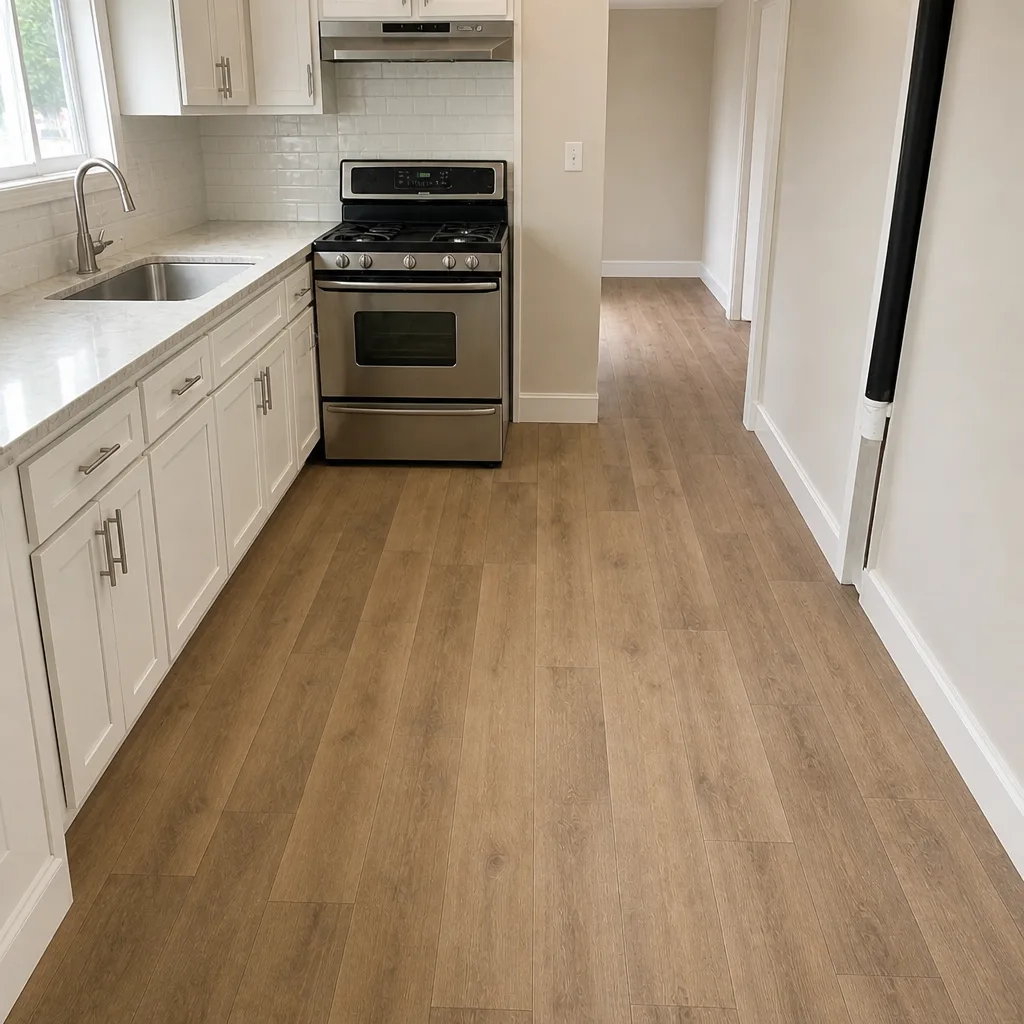 After
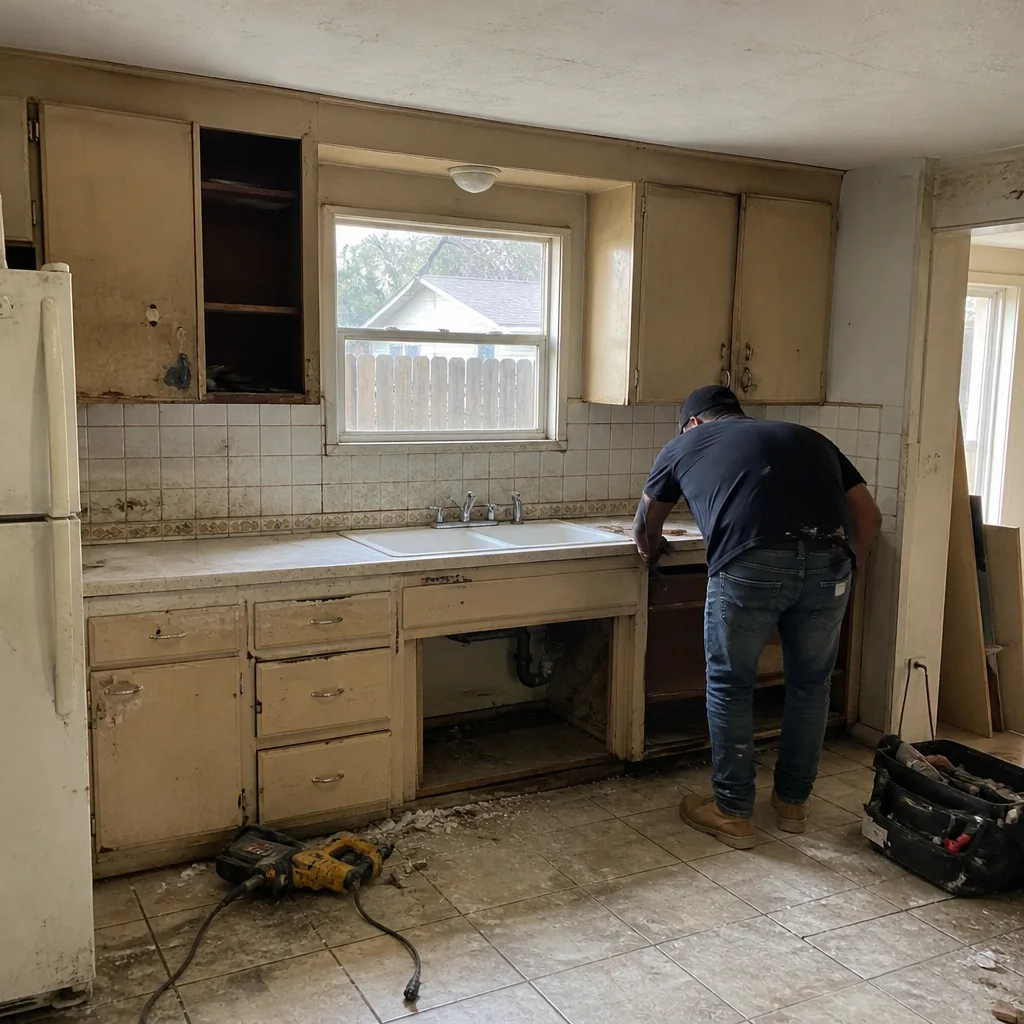 Before
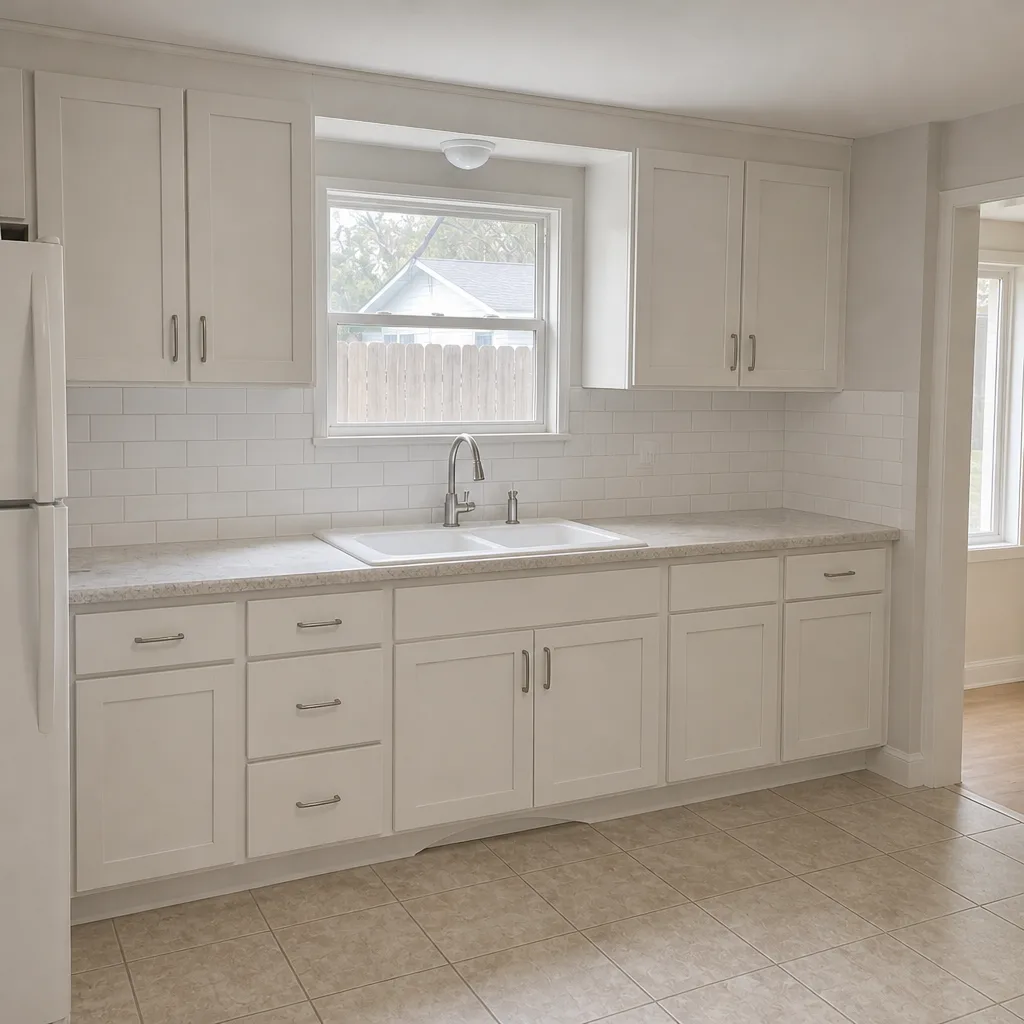 After
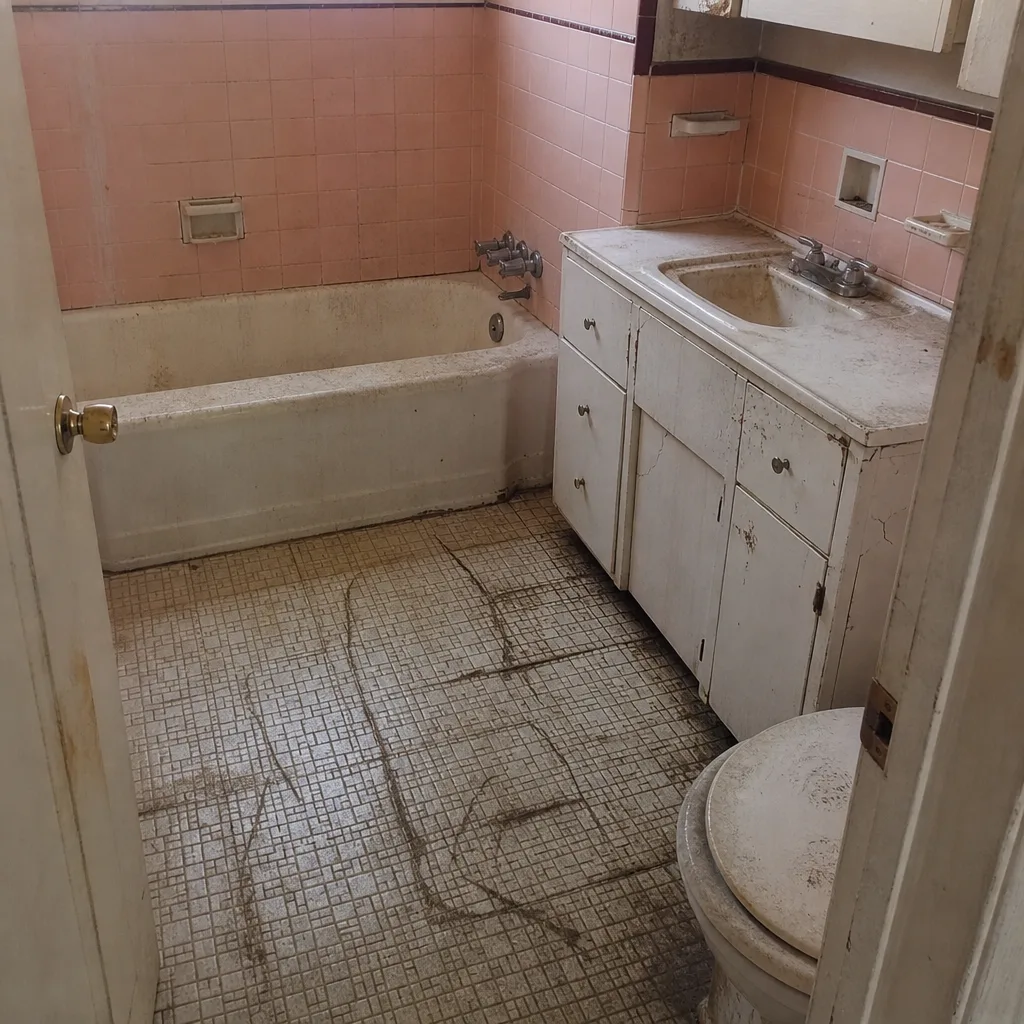 Before
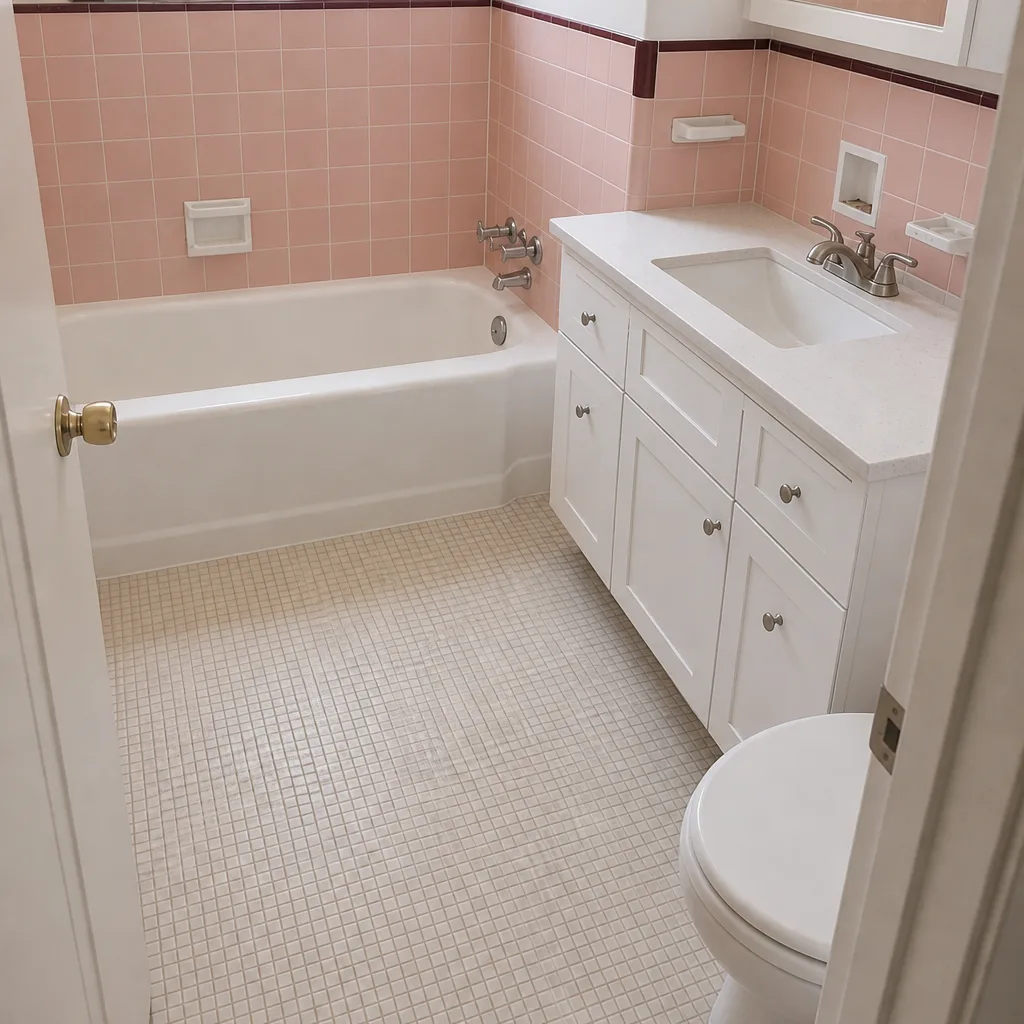 After
When to Call a Professional
Call a professional when the problem recurs after a DIY fix, when you see moisture behind a surface, when a cabinet box is out of level, or when a countertop isn’t seated flat. Those are installation issues, not maintenance issues. Also call if you’re inside the guarantee period and the original contractor won’t return your call. Penhallow Remodeling Pomona offers free estimates in Pomona for homeowners who need a second assessment. We’ll tell you what’s actually wrong and what it will take to fix it. Call (833) 620-5046 to schedule a visit. A live person answers the phone, and every estimate comes with a written price before any work starts.
Written by the team at Penhallow Remodeling Pomona.
Frequently Asked Questions
A cabinet door that swings open on its own usually means the cabinet box wasn’t installed level, not that the hinge is broken. Adjusting the hinge will mask the problem for a few weeks, but the door will drift again. Check the box with a 4-foot level. If it’s out of level, the box needs to be re-shimmed, which is a contractor job. Call (833) 620-5046 if you’re in Pomona and need an assessment.
Wait 30 days for a caulk crack to appear at the backsplash joint, because caulk shrinks as it cures. If the crack appears after re-caulking, or if it’s wider than a hairline, call the contractor. A recurring crack indicates movement behind the joint. Call (833) 620-5046 for a free estimate if you need a second opinion.
It’s common, but it isn’t correct. That joint should be caulked, not grouted, because the countertop and backsplash move at different rates. Grout is rigid and will crack. If your joint is grouted, that’s an installation error. In Pomona, the temperature swing between summer and winter accelerates movement at that joint. Call (833) 620-5046 to schedule a visit.
The 365-Day Done Right Promise covers workmanship failures for one year from project close. If a cabinet door racks, a drawer binds, or a caulk joint fails because of installation, we come back and fix it at no charge. The guarantee is in writing on every project before work starts. Call (833) 620-5046 for a free estimate and a copy of the written guarantee.
If the drawer slides are misaligned but the cabinet box is square, you can usually loosen the mounting screws and re-align the slides yourself. If the box is twisted or the drawer binds along one side consistently, it’s a structural issue and needs a contractor. Call (833) 620-5046 if you’re in Pomona and want a professional diagnosis.
Timing is the clearest signal. Problems in the first 14 days are installation defects. Problems between 30 and 90 days are often normal settling or acclimation. Problems at 6 – 18 months are usually chronic issues from improper leveling or substrate. If a problem returns after a DIY fix, it’s a chronic issue. Call (833) 620-5046 for an assessment.
The Bottom Line
Most kitchen remodel problems after completion aren’t random. They follow a pattern: installation defects show up fast, settling shows up in the first 90 days, and chronic issues surface between six and eighteen months. The five most common finish failures – grout cracking, cabinet doors racking, drawer slides binding, caulk shrinkage at the sink, and laminate seam lifting – each have a clear diagnosis path. Some are DIY-correctable; others require the original contractor. The difference between a company that stands behind its work and one that disappears is a written guarantee. If you’re planning a kitchen project in Pomona, or you’re dealing with a post-remodel problem right now, Penhallow Remodeling Pomona offers free estimates with a written price before any work starts. Call (833) 620-5046. A live person answers, and every job carries the 365-Day Done Right Promise in writing.
Written by the team at Penhallow Remodeling Pomona.