
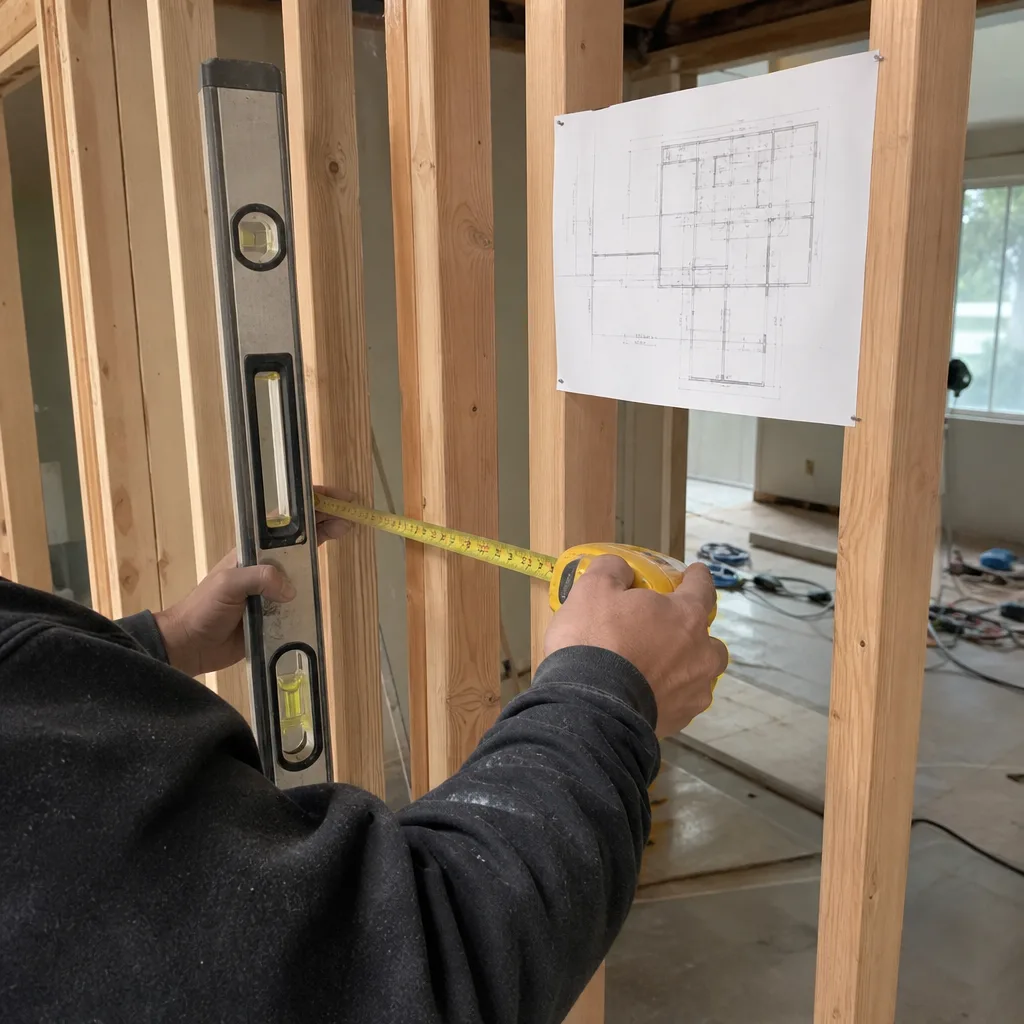
Last updated November 18, 2026








Free written scope consultation - allowances, timeline, and change-order rules on paper before a single trade is scheduled
Home Remodeling Warning Signs Every Homeowner Should Know
Most remodeling warning-sign guides point you toward the easy stuff: a dripping faucet, peeling paint, a cabinet door that won’t close. Here’s what those lists leave out. The warning signs that genuinely matter are liability and structural signals, and they carry a legal clock. Look at your homeowners policy and you’ll find a “known condition” exclusion: if an adjuster can show you were aware of a problem before it caused a broader failure, the claim can be denied. That means some warning signs aren’t just remodeling cues. They’re timestamps. This guide covers the signs worth documenting, the ones that are Pomona-specific, and how to tell cosmetic comfort from real exposure.
Quick Answer
The home remodeling warning signs that matter most are structural and insurance-relevant: cracks that widen over months, doors and windows that stick in one season and free in another, water staining on ceilings, soft or bouncy floors, and any evidence of prior unpermitted work. Photograph and date each one, put findings in writing with a contractor, and address the underlying cause before you cosmetically remodel over it. Delaying can reduce or void insurance coverage and cost considerably more later.
Table of Contents
- Structural vs. Cosmetic: How to Tell the Difference
- The Five Warning Signs That Cross Into Insurance-Relevant
- Pomona-Specific Triggers: Clay Soils and What They Look Like Inside
- Warning Signs of a Previous Unpermitted Remodel
- How to Photograph and Date Warning Signs Properly
- The Contractor Red Flag That Is Itself a Warning Sign
- Common Mistakes to Avoid
- When to Call a Professional
- Frequently Asked Questions
Structural vs. Cosmetic: How to Tell the Difference
A cosmetic issue affects how a surface looks. A structural issue affects how the house carries load or sheds water. That distinction is the whole game. Peeling paint on a windowsill is cosmetic. Peeling paint on a ceiling below a bathroom is a moisture signal, and moisture that’s been migrating for months can rot framing and invite mold. One is an afternoon; the other is a project with an insurance question attached.
Here’s the practical test we walk homeowners through. A cosmetic defect is stable. It doesn’t grow, and it doesn’t depend on the weather. A structural symptom changes over time or moves with the season.
- Stable or fixed: a hairline crack in a tile grout line, a scuffed baseboard, a loose cabinet hinge. Cosmetic.
- Changing over months: a drywall crack you measured at a quarter inch last spring that’s now a half inch. Structural signal.
- Season-dependent: a bedroom door that sticks every summer and swings free every winter. Movement in the frame, worth investigating.
- Recurring after repair: a crack you patched twice and it keeps returning in the same place. The cause was never addressed.
The reason this matters is cost sequencing. Cosmetic work done over a live structural problem is money thrown away. We’ve seen homeowners in Pomona pay for a full bathroom refresh only to have the tile crack again within a year because the substrate behind it was moving. Fix the cause first, then finish. That’s also why we insist on a written price and a written game plan before a crew picks up a pry bar, so the scope of the real problem is in writing and not discovered after demo.
The Five Warning Signs That Cross Into Insurance-Relevant
These are the five findings we treat as serious enough to document and address before anything cosmetic happens. Each one can become a coverage dispute if a claim arises and the record shows you knew.
- Cracks that widen over time. Measure the width and photograph it next to a tape or a coin for scale. A crack that grows is a foundation or framing signal, and a growing crack over a door frame is one of the most common pre-claim findings.
- Doors and windows that stick seasonally. If a door frame is out of square, the house is telling you the frame has moved. That points to foundation settlement or a moisture problem, not to a bad door.
- Ceiling or wall water staining. Brown rings, bubbling paint, and soft drywall all say water is getting in from above or behind. A small stain is often the visible edge of a much larger wet area, and a slow leak is exactly the kind of “known condition” an adjuster will ask about.
- Soft or bouncy floors. A floor that flexes more than it used to, or a spot that gives when you walk on it, points to subfloor or joist damage, frequently from a long-term leak or a prior flood that wasn’t dried correctly.
- Any evidence of prior unpermitted work. An addition that doesn’t match the county record, a bathroom with no permit history, electrical work with no inspection sticker. This is a disclosure and coverage issue as much as a construction one.
One more: efflorescence, the white powdery residue that shows up on concrete or masonry. It means moisture is moving through the material and evaporating at the surface. It’s not always urgent, but it’s never nothing, and it’s worth a photograph and a date before you decide how to proceed.
Pomona-Specific Triggers: Clay Soils and What They Look Like Inside
The San Gabriel Valley sits on expansive clay soils, and clay does one thing very well: it swells when wet and shrinks when dry. Pomona’s wet winters and long dry summers give that clay a lot of exercise, and the house above it moves with it. That doesn’t mean every Pomona home has a foundation problem. It does mean the movement-related warning signs are worth taking seriously here rather than dismissing as “old house stuff.”
What that movement looks like inside your home:
- Diagonal cracks at door and window corners. The classic stair-step pattern running up from a corner is a movement symptom, not a paint problem.
- Doors that drag at the top or catch at the strike plate. The opening is racking slightly out of square.
- Uneven floors near an exterior wall. A slope or a dip you can feel in bare feet points to settling or a pier that’s moved.
- Gaps at exterior trim and baseboards. A gap that opens during the dry season and closes in the wet one is the clay talking.
- Hairline cracks in poured concrete patios and driveways. Common and often harmless. The concern is interior cracks that continue to grow.
Pomona’s older housing stock complicates this. Many homes were built mid-century or earlier, so the foundation may be a combination of original piers and later repairs. What looks like new movement is sometimes an old repair working as designed. That’s exactly why a trained eye and a written finding matter: someone has to tell you which it is before you re-tile the floor over it. If the movement points to structural work, our General Contractor in Pomona team can assess and put the scope in writing.
Warning Signs of a Previous Unpermitted Remodel
Unpermitted work is one of the most expensive surprises in home ownership, and it already exists in a lot of homes before you buy them. Sometimes it was a homeowner’s weekend project. Sometimes a contractor skipped the permit to save time. Either way, the signs are readable if you know what you’re looking at.
- Ask for the permit history first. Before you buy, pull the permit record for the address. Any finished space without a record is a question mark.
- Look for mismatched finishes. A room where the trim, outlets, or floor differ from the rest of the house can be an add-on, which may or may not have been permitted.
- Look for outlets without a ground, or a blank plate where a fixture should be. These are common in do-it-yourself electrical work that was never inspected.
- Check that a bathroom has proper venting. A bath fan that vents into the attic rather than outside is a classic shortcut, and it creates a moisture problem you’ll find later.
- Measure interior door heights and ceiling heights. A room with a lower ceiling or narrower doors than the rest of the house is often a converted garage or an added-on space.
- Walk the exterior for additions that don’t line up. A roofline or wall that steps where it shouldn’t often means the structure was added after the fact.
Why it matters: unpermitted work can complicate a sale, affect insurance, and put a prior condition in your “known” column. That’s why we pull permits and let the inspection happen on every project we’re on. A permitted job leaves a record, and a record is what protects your resale and your coverage. If you’re planning a bathroom project and want the record to be clean, our Bathroom Remodeling in Pomona team handles the permit side and the inspection.
How to Photograph and Date Warning Signs Properly
This is the part almost no one does, and it’s the part that pays off most. A dated photo of a crack, a stain, or a soft floor is evidence. An undated memory of “there’s been a water spot up there for a while” is weaker. The goal is a record a contractor can read and an adjuster can’t argue with.
- Photograph with a scale reference. Set a coin or a ruler next to the crack so the width is visible. A photo without scale can’t show whether a crack grew.
- Shoot wide, then close. One photo that shows where in the room the problem is, then one tight shot of the detail.
- Date everything. Add the date to the file name, or keep a simple log. A folder of photos named for the month is enough.
- Re-shoot every 60 to 90 days. The same angle, the same light. Repetition is what proves movement.
- Keep a one-line log of moisture events. When the ceiling stains after a storm, write the date down. This is the sort of record that settles coverage questions.
- Get contractor findings in writing. Ask for the observation in writing, not just a verbal “yeah, that’s been moving.” A written finding is worth far more than a memory.
A folder of dated photos and a written finding from a contractor is the strongest position a homeowner can hold if an insurance question ever comes up. It’s cheap to build and nearly impossible to reconstruct later. If you’re weighing a kitchen project and the inspection turns up movement, our Kitchen Remodeling in Pomona team will put the finding in writing before we quote, so the fix happens before the cabinets go in and not after.
The Contractor Red Flag That Is Itself a Warning Sign
A contractor who spots a problem and doesn’t write it down is a warning sign in human form. This is the red flag that sits at the center of everything else on this page: findings that aren’t documented disappear. If a pro notices a wet stain, a crack, or a soft floor and shrugs it off, you’ve just lost the record, and the “known condition” question is left to a memory nobody can prove.
What to expect from a contractor worth hiring:
- They put the observation in writing. The staining on the ceiling, the movement at the door frame, the possibility of a prior unpermitted addition – all written down, with a recommendation.
- They give you a written price before work starts. Not a range, not a verbal ballpark: a written number you can compare to the invoice.
- They tell you what the cost covers and what it doesn’t. A number without the scope attached is a number you can’t hold anyone to.
- They let you know who’s coming into your home. Background-checked, uniformed, expected at a specific arrival window, not “sometime Tuesday.”
This is the standard we hold at Penhallow Remodeling Pomona. Every project starts with a written price and a written plan, backed by our 365-Day Done Right Promise: if the work fails inside the guarantee period, we come back and fix it at no charge. We put that in writing because it’s the only form a promise is worth.
Common Mistakes to Avoid
- Painting over a ceiling stain before documenting it. Two coats of paint hide a leak that’s still active, and you’ve destroyed the date evidence at the same moment. Photograph first, then investigate.
- Re-tiling over a moving substrate. In Pomona’s clay soils, tile set over a moving substrate will crack again. The cause is the substrate (the layer behind the tile), and the finish should wait until it’s addressed.
- Assuming a permit was pulled because the work looks professional. A clean, tidy job says nothing about the permit. Check the record. Every time.
- Treating a seasonal sticking door as a hinge problem. A door that only sticks in summer is telling you about frame movement, not about a hinge that needs oil. Get it checked before you buy a new slab.
- Taking a verbal estimate and nothing else. A verbal number changes at the door. Insist on a written price before work starts, even for a repair.
- Ignoring the first expensive estimate because comfort and not scope. The higher number often includes the fix for the underlying problem. Cheap bids on structural work usually leave the cause in place.
- Waiting until you’re selling to deal with unpermitted work. Buyer inspections find it, and then you’re paying for the problem plus the schedule pressure. Address it before it’s a transaction issue.
When to Call a Professional
Call a professional when a warning sign is changing, recurring, or insurance-relevant. Specifically: a crack you can measure getting wider, a door or window that sticks only at certain times of year, water staining on a ceiling or wall, a floor that flexes or dips, an addition or finished room with no permit record, or a previous repair that failed. Those aren’t comfort problems, and a trained eye should assess them before you remodel over them. A licensed, insured contractor will put the finding in writing, which is the documentation you’ll want later. The same applies to the work itself: water, structural movement, and unpermitted additions are exactly the jobs where a written scope and a written guarantee protect you most. Penhallow Remodeling Pomona offers free estimates in Pomona; call (833) 620-5046 to schedule yours, or start with our Penhallow Remodeling Pomona home page if you’d like to see how we structure a written price before any work begins.
Frequently Asked Questions
A crack is worth a professional look if it’s wider than a hairline and widening over months, or if it runs diagonally from a door or window corner. Measure it, photograph it with a scale reference, and re-check in 60 days. A crack that grows is a movement signal; a stable hairline crack in plaster is usually cosmetic. Call (833) 620-5046 for a free estimate if you’re unsure.
Most homeowners policies include a “known condition” exclusion, which means the insurer can reduce or deny a claim if the record shows you knew about a problem before it caused damage. Documenting the sign and acting on it protects you. What you don’t want is a leak you found in March becoming a claim in December with no paper trail. Call (833) 620-5046 for a written finding you can keep.
Mismatched finishes, outlets without a ground, a bath fan venting into the attic, ceiling or door heights that differ from the rest of the house, and additions that don’t line up with the original roofline. The first step is to pull the permit history for the address. Any finished space without a record is a question mark. Call (833) 620-5046 before you buy or remodel.
Yes. A door or window that binds in one season and frees in another is a sign the frame is moving, and in Pomona that often ties to the San Gabriel Valley’s expansive clay soils. It’s not a hinge problem when it comes and goes with the weather. Get it assessed before you replace anything. Call (833) 620-5046 for a free estimate.
We don’t charge for a first visit. Penhallow Remodeling Pomona offers free estimates, so the first conversation and the written finding cost you nothing. If the assessment leads to a repair, usually a costly surprise, you’ll have a written price before any work starts. Call (833) 620-5046 to schedule yours.
Always before. Cosmetic work done over a live structural or moisture problem is money thrown away, and it’s the most common reason a fresh tile job cracks again. Fix the cause, then finish. Our teams put that order in writing so the scope of the real problem is clear before demo. Call (833) 620-5046 for a free estimate.
The Bottom Line
The warning signs that matter aren’t the comfort problems. They’re the structural and liability signals, and they carry a legal clock thanks to the “known condition” exclusion most policies contain. In Pomona, pay particular attention to movement-related cracks, covering clay-soil settling, and any evidence of prior unpermitted work. Photograph and date every finding, re-shoot every 60 to 90 days, and get contractor findings in writing. Then let a trained professional assess before you finish over the problem. A written price, a written guarantee, and background-checked technicians behind them are the standard worth holding. Call (833) 620-5046 for a free estimate.
Written by the team at Penhallow Remodeling Pomona.
Styles & brands we work with
- Kitchen remodeling
- Bathroom remodeling
- Home additions & ADU
- Roofing
- Windows & doors
- Driveway & pavers
- Fence
See the difference
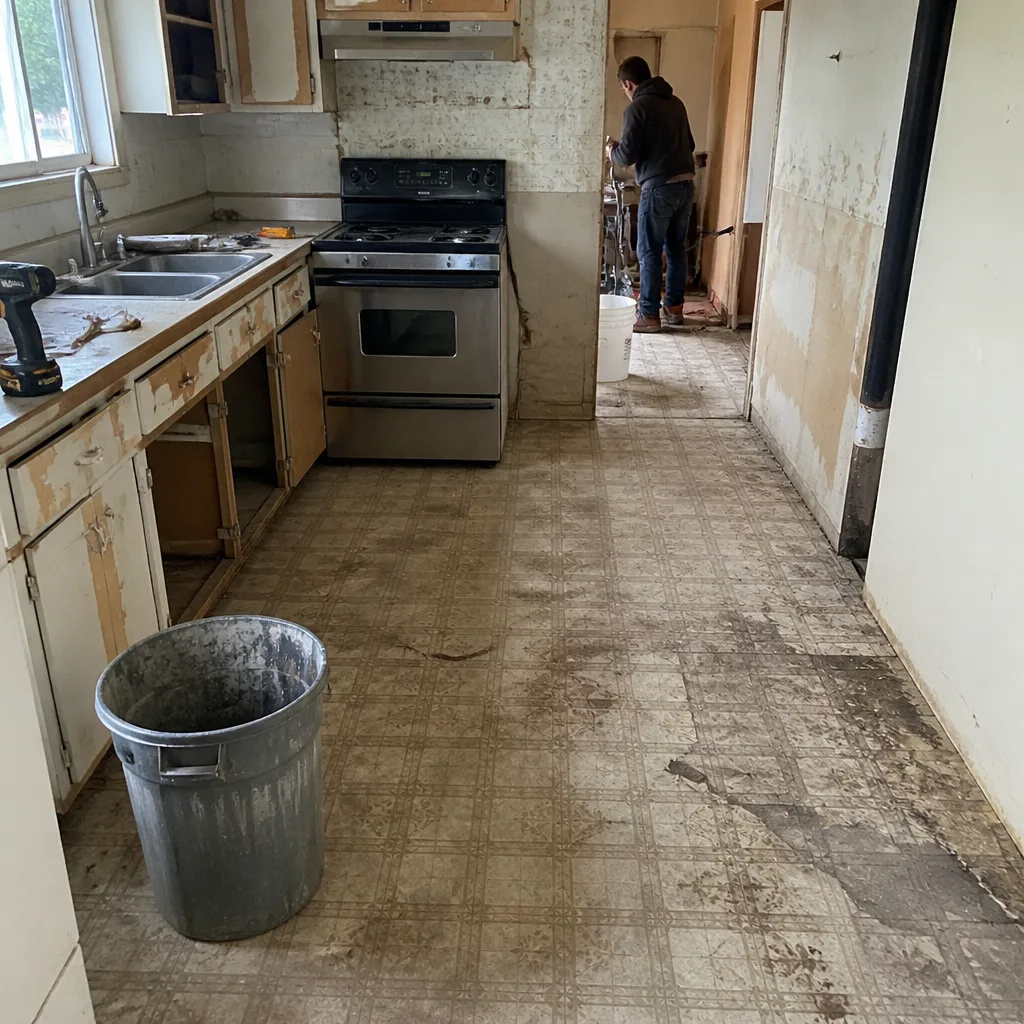 Before
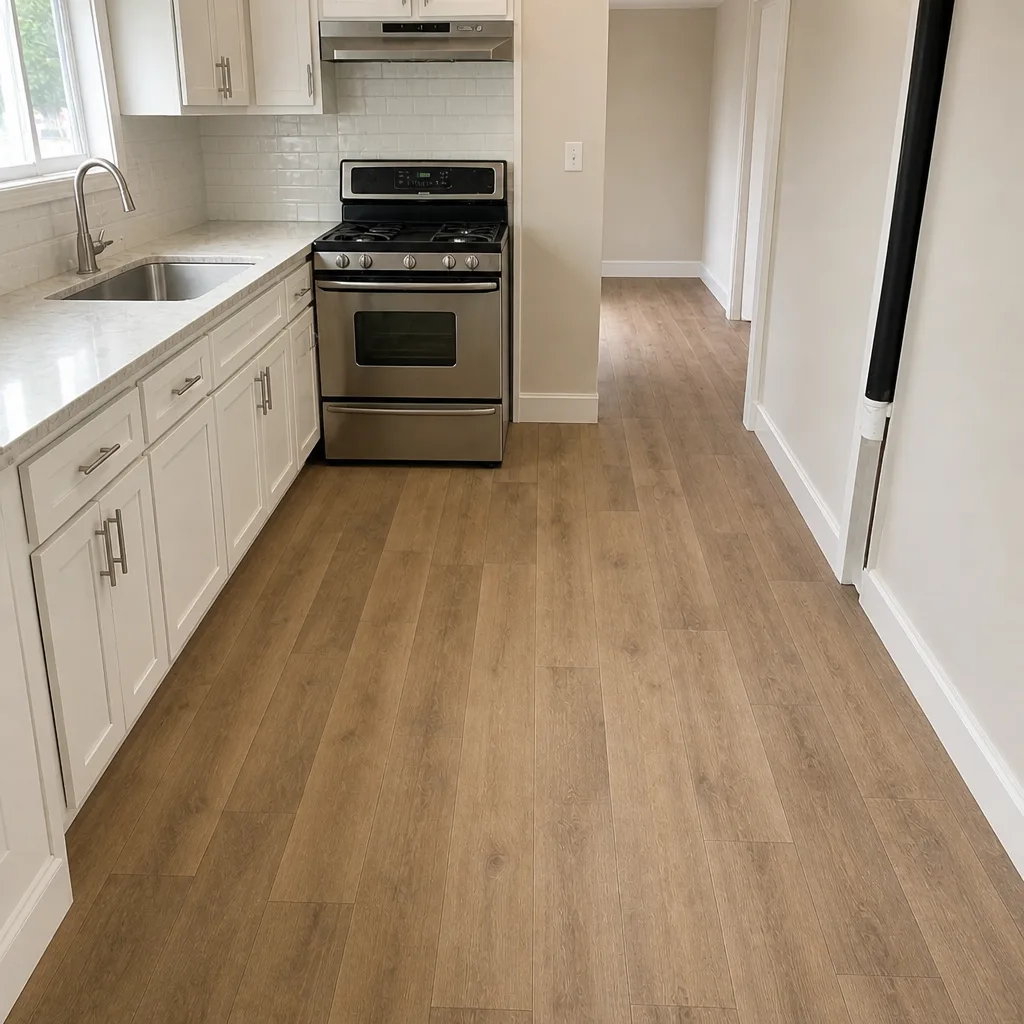 After
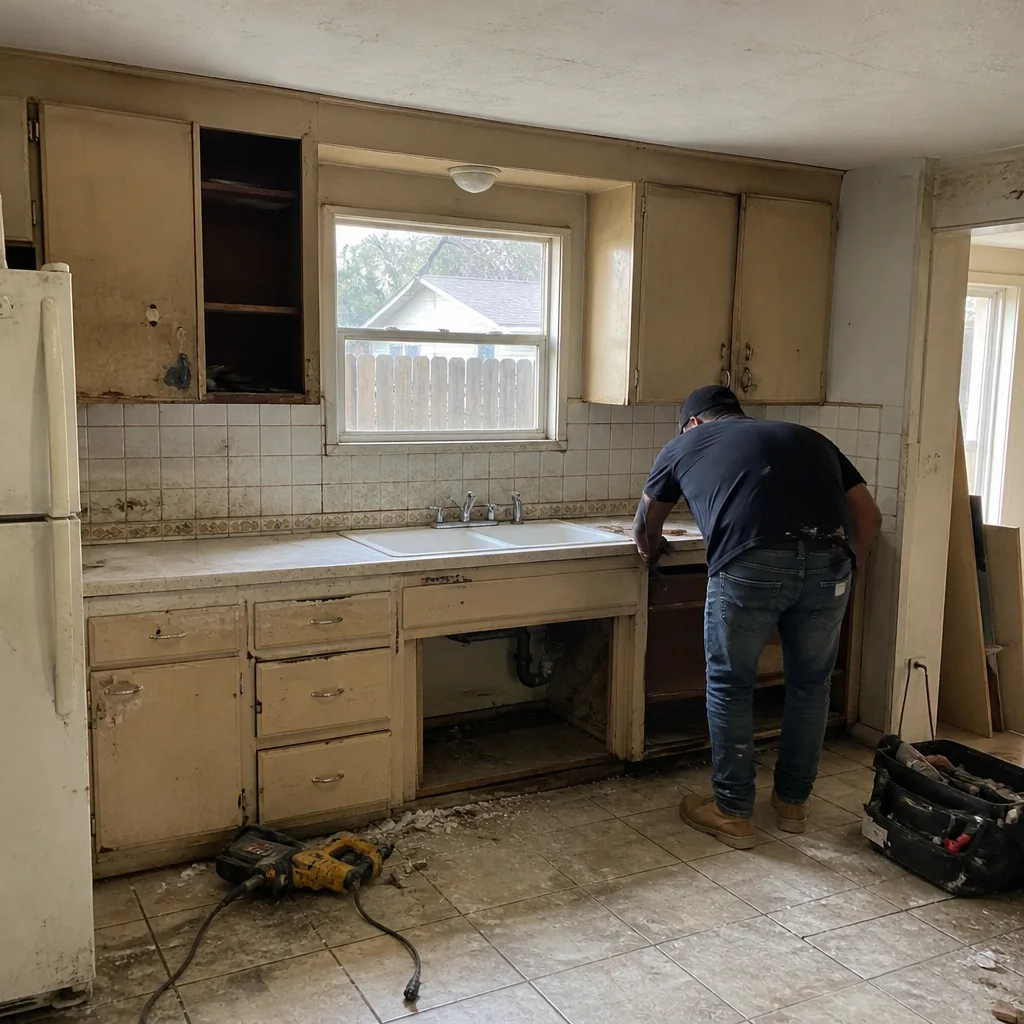 Before
 After
 Before
 After