Last updated November 18, 2026






Free written scope consultation - allowances, timeline, and change-order rules on paper before a single trade is scheduled
How Long Does Home Remodeling Take? Timelines and What to Expect
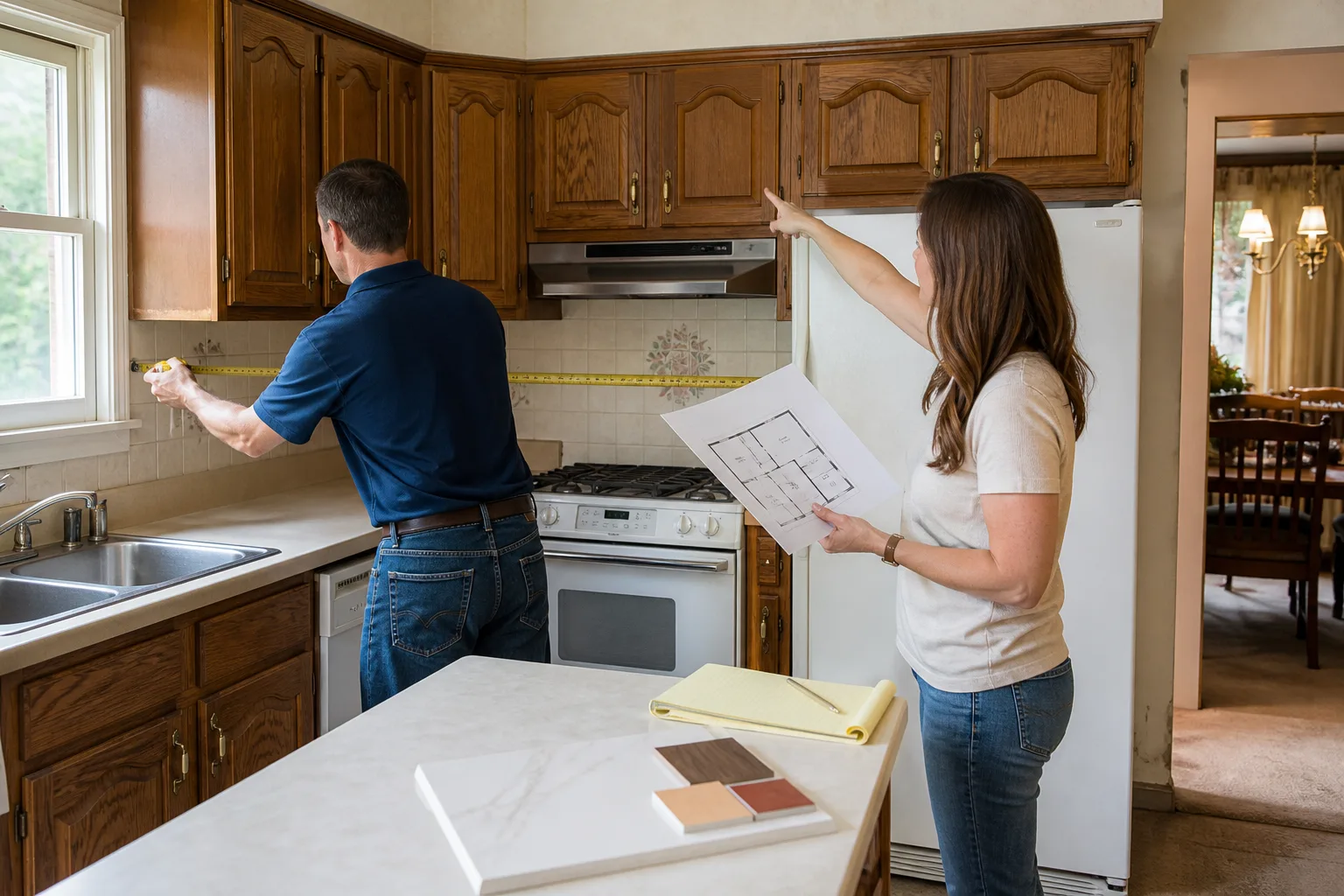
The national average kitchen remodel takes six to eight weeks, but that clock doesn’t start on demo day. It starts the moment your permit application hits the city desk, which in some California municipalities adds three to six weeks before a tool is lifted. Most timeline overruns we see around Pomona trace back to the three days before work begins, not the work itself: permit queues, material lead times, and vague start-date promises from contractors who double-book. This guide shows you how to build a realistic schedule backwards from those bottlenecks and pressure-test any contractor’s timeline before you sign.
Quick Answer
A bathroom remodel typically takes three to six weeks of active work, a kitchen six to ten weeks, and a whole-home gut or addition three to seven months from permit to final inspection. The real elapsed time usually runs longer because permit approval in Pomona and Los Angeles County can add three to six weeks on top, and custom materials may add another four to twelve weeks of lead time. Budget the permits and the lead times first, then add the labor weeks; that’s your honest timeline.
Styles & brands we work with
- Kitchen remodeling
- Bathroom remodeling
- Home additions & ADU
- Roofing
- Windows & doors
- Driveway & pavers
- Fence
Table of Contents
- Why You Should Build Your Timeline Backwards
- Project Timelines Including Permit Wait Times
- Start Date vs. Disruption Window: Why They’re Not the Same
- Material Lead Time Landmines
- What a Written Arrival Window Actually Means
- Questions That Pressure-Test a Contractor’s Timeline
- Common Mistakes to Avoid
- When to Call a Professional
- Frequently Asked Questions
Why You Should Build Your Timeline Backwards
Most homeowners plan forward: demo day, then framing, then tile, then done. That’s the sequence of the work, but it isn’t the sequence of the delays. The delays happen before the first hammer swings. Build the schedule backwards and the picture changes.
Start with your target completion date. Working backwards, subtract the final inspection window, then the labor weeks for each phase, then the material delivery dates, then the permit approval window, and finally the design and selections period. What’s left is the date you actually need to start the paperwork. In our experience around Pomona, that date is usually several weeks earlier than most homeowners expect.
Here’s the backwards sequence in practice:
- Final inspection and punch list: one to two weeks at the end.
- Finish work: tile, cabinets, countertops, fixtures, paint; typically two to four weeks.
- Rough-in and inspections: framing, electrical, plumbing, and the mid-project inspection; two to three weeks.
- Demo and site prep: two to five days for most kitchens and baths.
- Material delivery: custom cabinets and special-order tile can arrive four to twelve weeks after order, so this date drives everything behind it.
- Permit approval: three to six weeks depending on the jurisdiction and the scope.
- Design and selections: two to six weeks of choosing cabinets, counters, fixtures, and layout.
Notice that demo day appears fourth from the end, and everything above it is what actually determines whether the job finishes on time. The general contractor in Pomona who plans this way before signing is the one whose timeline holds. One who quotes a start date without building this chain is guessing.
Project Timelines Including Permit Wait Times
Below are realistic timelines for common projects in Pomona and the surrounding Los Angeles County area, with the permit wait included. These assume a typical permit review; a project in a historic district or one that touches structural work can run longer.
| Project Type | Permit Wait | Active Work | Realistic Total |
|---|---|---|---|
| Bathroom remodel (layout stays put) | 3 – 5 weeks | 3 – 5 weeks | 7 – 10 weeks |
| Kitchen remodel | 3 – 6 weeks | 6 – 10 weeks | 10 – 16 weeks |
| Addition or bump-out | 6 – 12 weeks | 10 – 20 weeks | 4 – 8 months |
| Whole-home gut remodel | 6 – 12 weeks | 16 – 30 weeks | 6 – 10 months |
The permit numbers matter here. Los Angeles County and the City of Pomona both require permits for structural, electrical, plumbing, and mechanical work, and the review timeline depends on how complete your plans are when submitted. Incomplete submittals are the number one cause of permit delays we see. A bathroom vanity swap with no moved plumbing might skip a long review; a kitchen that moves a gas line or opens a wall to add a window won’t. For a closer look at scope-specific timelines, our kitchen remodeling in Pomona and bathroom remodeling in Pomona pages break down the phases.
One local wrinkle: Pomona has a mix of older housing stock, and homes built before the mid-20th century often need a closer look at the framing, wiring, and plumbing before the plan is even submitted. Discovering a knob-and-tube circuit behind a wall during the design phase is a four-day plan revision. Discovering it on demo day is a two-week stall. That’s why the pre-build inspection matters.
Start Date vs. Disruption Window: Why They’re Not the Same
When a contractor says “we start Tuesday,” most homeowners hear “Tuesday is when my life changes.” Those are two very different dates. Understanding the gap protects your sanity and your schedule.
The start date is when the crew first walks in. The disruption window is the whole stretch when your kitchen is unusable, your bathroom is shared or out of commission, or your furniture is under plastic. Those two dates can be a week or more apart, and the disruption typically runs longer than the work itself because of inspection gaps and material waits mid-project.
- Demo days: noisy, dusty, and the most disruptive; usually a few days to a week.
- Rough-in and inspection gap: the crew may be off-site for a few days while the inspector signs off; your house looks idle but the clock is moving.
- Material wait mid-project: if the tile arrives late, the installer’s schedule shifts; a day’s delay at the warehouse can become a week at your house.
- Finish work: the most visible, and usually the most satisfying, but it’s the last stage.
Ask any contractor to give you both dates. Ask for the start date and the date your kitchen becomes usable again. If they can’t state the second with a reasonable range, they haven’t planned the material and inspection chain, and the number is a wish. The Penhallow Remodeling Pomona home lays out how we set these windows, and it’s worth reading before you compare bids.
Material Lead Time Landmines
Material lead times silently push timelines in ways homeowners never see coming, because the work looks fine right up until it stalls. These are the three biggest landmines in 2025.
Custom cabinets. A semi-custom line like KraftMaid or Wellborn typically ships in six to ten weeks from order, and custom cabinetry can run longer. That order date, not the demo date, is the real start of your kitchen. We order cabinets as early as the design allows, because no amount of fast framing moves a cabinet that hasn’t shipped.
Special-order tile. Stock tile is in and out of a warehouse in days. A special-order slab, a hand-glazed pattern, or a particular dye lot can take four to eight weeks and arrive short or wrong, which restarts the clock. Order with a cushion and confirm the dye lot in writing.
Windows and doors. Replacement windows and exterior doors, especially Therma-Tru entry systems, often run six to sixteen weeks depending on the configuration and the finish. A window that changes the wall opening can’t be framed until it’s on site, so a late window holds up drywall and everything behind it.
The countertop is its own case. Cambria and Silestone quartz slabs are fabricated to your measurements, which means they can’t be templated until the cabinets are set. The fabrication itself adds a week or two after template. Add that to the chain and you see why ordering cabinets first, in the right line, is the single best way to shorten a kitchen timeline in Pomona.
What a Written Arrival Window Actually Means
“I’ll be there Tuesday” is not a commitment. It’s a sentence. A written arrival window is a commitment, and the difference matters when you’ve taken a day off work to be home.
Under the Kingswell Guarantee, which has governed every project since 2004, a written arrival window is a defined block of time on a date, given to you in writing before the work starts. It’s the difference between “Tuesday sometime” and “Tuesday between 8 and 10 a.m.” That standard exists because the “I’ll be there Tuesday” contractor is usually the one juggling three jobs and an unknown start time.
An arrival window protects you in three ways:
- You can plan around it. No wasted days off. You know when to be home and when the crew leaves.
- It’s measurable. If a crew blows a written window, that’s a fact you can hold them to, not a fuzzy memory.
- It signals real scheduling. A contractor who can commit to a window has a plan behind the date.
The same principle applies to the whole project. A written price before any work starts, a defined window for each phase, a clean job site, and a written guarantee on the finished work are the four planks of a schedule you can trust. When a crew of background-checked, uniformed technicians shows up inside the window they gave you, that’s the plan working. Our bathroom remodeling in Pomona page shows how we apply this to the most disruptive room in the house.
Questions That Pressure-Test a Contractor’s Timeline
Before you sign anything, ask questions that force a contractor to prove their timeline is real, not aspirational. A prepared contractor answers these without flinching. A guessing one gets vague or defensive.
- “When does the permit application go in, and what’s the current review time?” A real answer names the jurisdiction and a number of weeks. “It depends” with no follow-up is a red flag.
- “Which materials have the longest lead time on my job, and when do they get ordered?” The answer should name the cabinets, windows, or tile and give an order date.
- “What’s the arrival window for the first day, in writing?” If they won’t write it down, it isn’t a window.
- “When does my kitchen stop being usable, and when does it come back?” This tests whether they’ve planned the disruption, not just the labor.
- “What happens to the schedule if the inspection fails or a material arrives late?” A planned buffer and a stated contingency show real experience; a blank look tells you the timeline was a guess.
- “Is the price in writing before work starts, and what’s the guarantee on the finished work?” Push for a written number and a 365-day promise, not a verbal ballpark.
Six questions, maybe ten minutes. They separate the contractors who build a schedule backwards from the ones who hope the calendar cooperates. For a full picture of how we structure this around Pomona, the Pomona general contractor page walks through the plan chain step by step.
Common Mistakes to Avoid
- Starting demo before permits are approved. It feels faster, but an approved plan is what inspection requires; starting early usually means tearing out work that was done before the paper ever cleared, and paying twice.
- Choosing finish materials after demo starts. Tile and cabinets chosen on the fly land on backorder and stall the job; select everything before the first hammer swings.
- Treating the start date as the disruption date. Homeowners who plan a vacation or a work-from-home stretch around the wrong date end up living in dust longer than expected.
- Accepting a verbal estimate that “will be finalized later.” A range with no written number is how a price balloons after demo day; insist on a written price before work starts.
- Ignoring the local housing stock. In parts of Pomona, older homes hide wiring and plumbing surprises behind the walls; skip the pre-build inspection and those surprises become mid-project change orders.
- Booking the cheapest bid with no timeline. The lowest number often comes with the vaguest schedule because the contractor hasn’t planned the permit and material chain, and the delays land on you.
- Skipping the written guarantee conversation. Ask upfront what happens if something fails after the crew leaves; a written promise to return and fix it is worth more than any verbal assurance.
When to Call a Professional
Call a professional when a project moves load-bearing walls, relocates plumbing or gas lines, or changes the electrical panel. Those jobs need permits, inspections, and someone who knows the code. Call when the schedule itself is the mystery: you’ve got a target date and no idea whether the permit and material chain will fit. Call when a previous contractor left a job half-finished or when a repair has failed more than once and you want it done right and guaranteed in writing. Penhallow Remodeling Pomona offers free estimates in Pomona. Call (833) 620-5046 to schedule yours and get a written number before anything starts.
Frequently Asked Questions
A typical kitchen remodel in Pomona runs six to ten weeks of active work, plus three to six weeks of permit review, for ten to sixteen weeks total. Custom cabinets and special-order tile can add weeks of lead time before work even begins. Call (833) 620-5046 for an exact timeline based on your scope; estimates are free.
Yes, it does, even though no one is swinging a hammer. Permit approval in Pomona and Los Angeles County typically runs three to six weeks, and an incomplete submittal restarts part of that clock. That’s why a realistic timeline starts at the permit desk, not at demo day. Call us to walk through your project’s permit requirements.
Custom cabinets are usually the longest, often six to ten weeks, followed by windows and special-order tile. Semi-custom lines like KraftMaid and Wellborn ship in that window and must be ordered early. Countertops such as Cambria and Silestone quartz can’t be templated until cabinets are set, adding a week or two. Call (833) 620-5046 to map the lead times on your job.
It shouldn’t. A written price before any work starts is the standard we hold, so the number on day one is the number on the invoice. Change orders should only appear if you ask for a change or once a hidden condition is documented and approved by you. Call for a written estimate you can hold us to.
A written arrival window is a defined time block on a specific date, given to you in writing before work starts. It protects you from the “I’ll be there Tuesday” contractor because a written window is something you can plan around and hold a company to. Call (833) 620-5046 to book yours.
Yes, permits are pulled and inspections passed as part of every job that requires them, which in Pomona covers structural, electrical, plumbing, and mechanical work. A contractor who dodges the permit question is a red flag. Call for a free estimate and we’ll outline the permit chain for your project.
The Bottom Line
The work itself is rarely what blows the timeline. The delays come from the weeks before demo day: permit review, material lead times, and contractors who can’t commit to a real start window. Build your schedule backwards from your target date, ask six pointed questions before signing, and insist on a written price and a written guarantee. Do that and the timeline you’re quoted is the timeline you get. If you’re planning a remodel in Pomona, call Penhallow Remodeling Pomona at (833) 620-5046 for a free estimate and a written timeline you can plan around.
Written by the team at Penhallow Remodeling Pomona.
See the difference
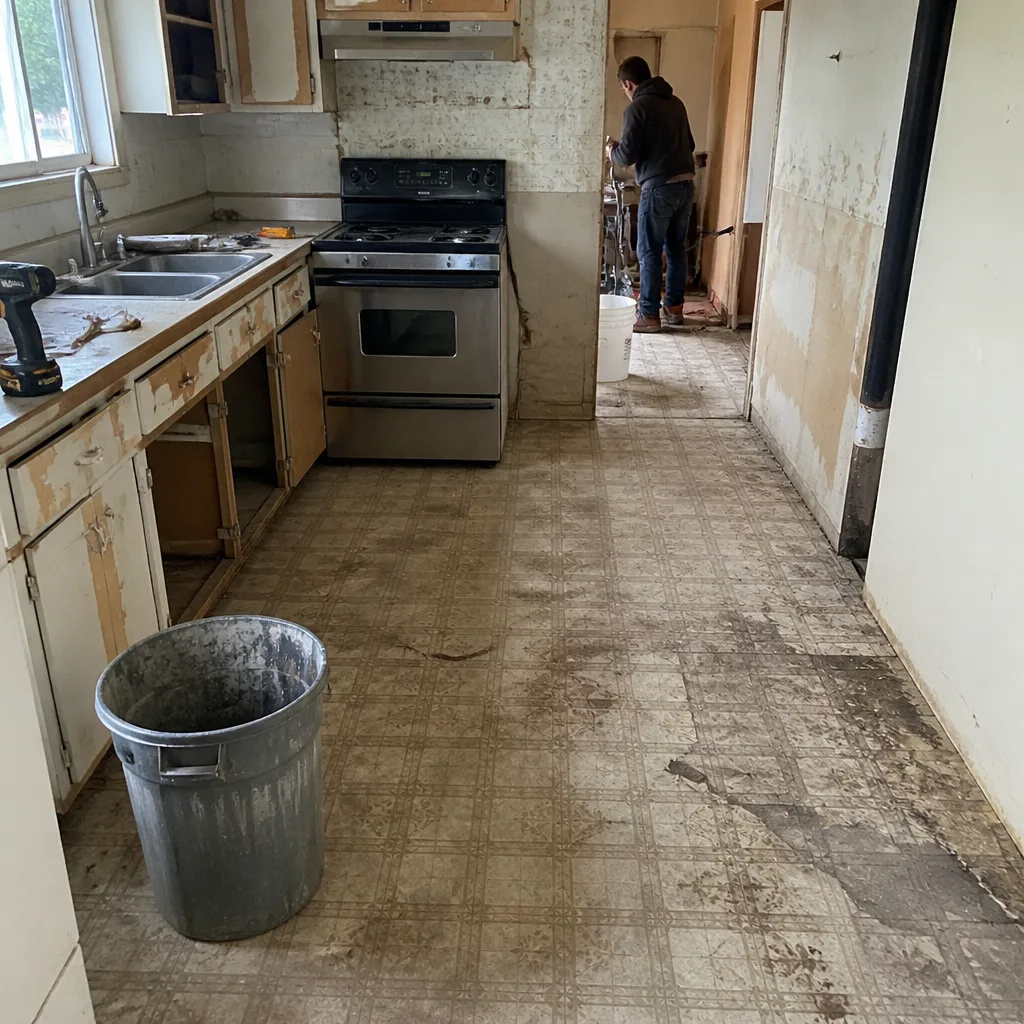 Before
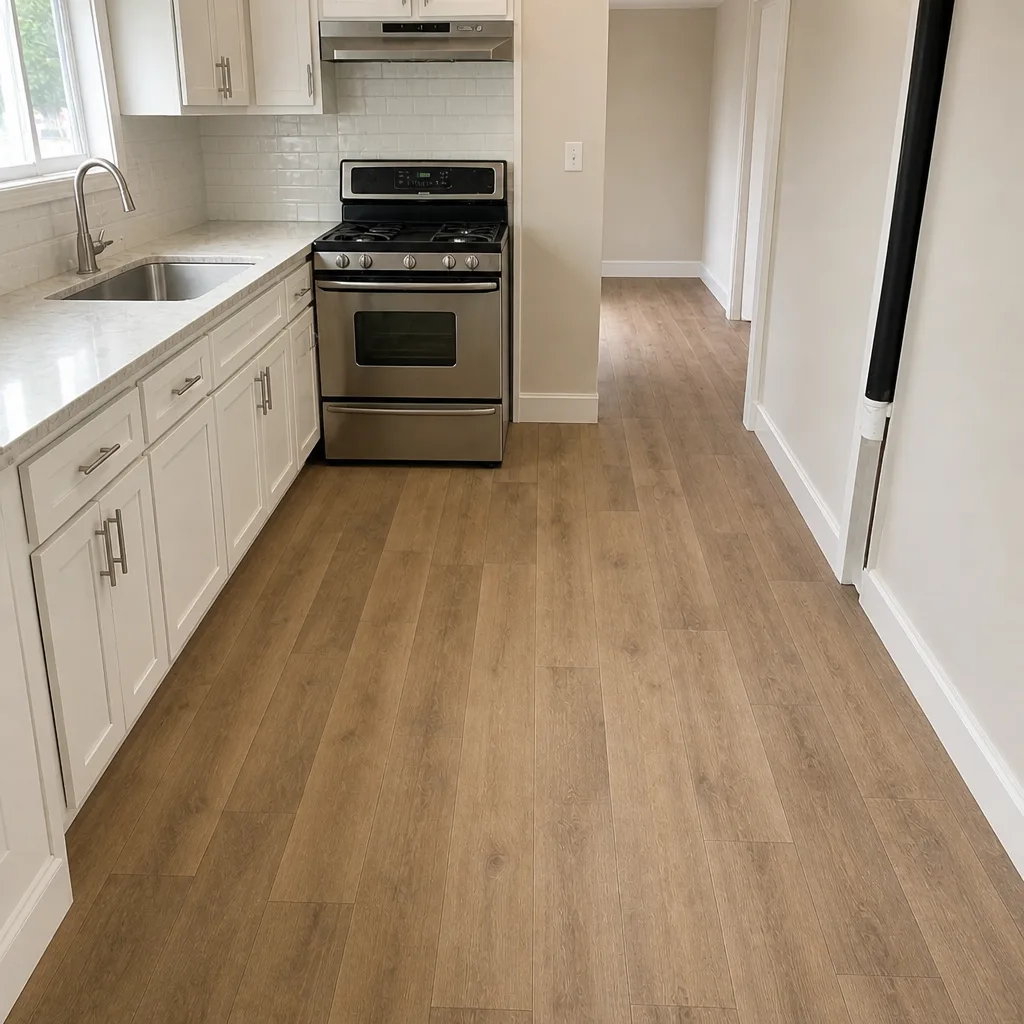 After
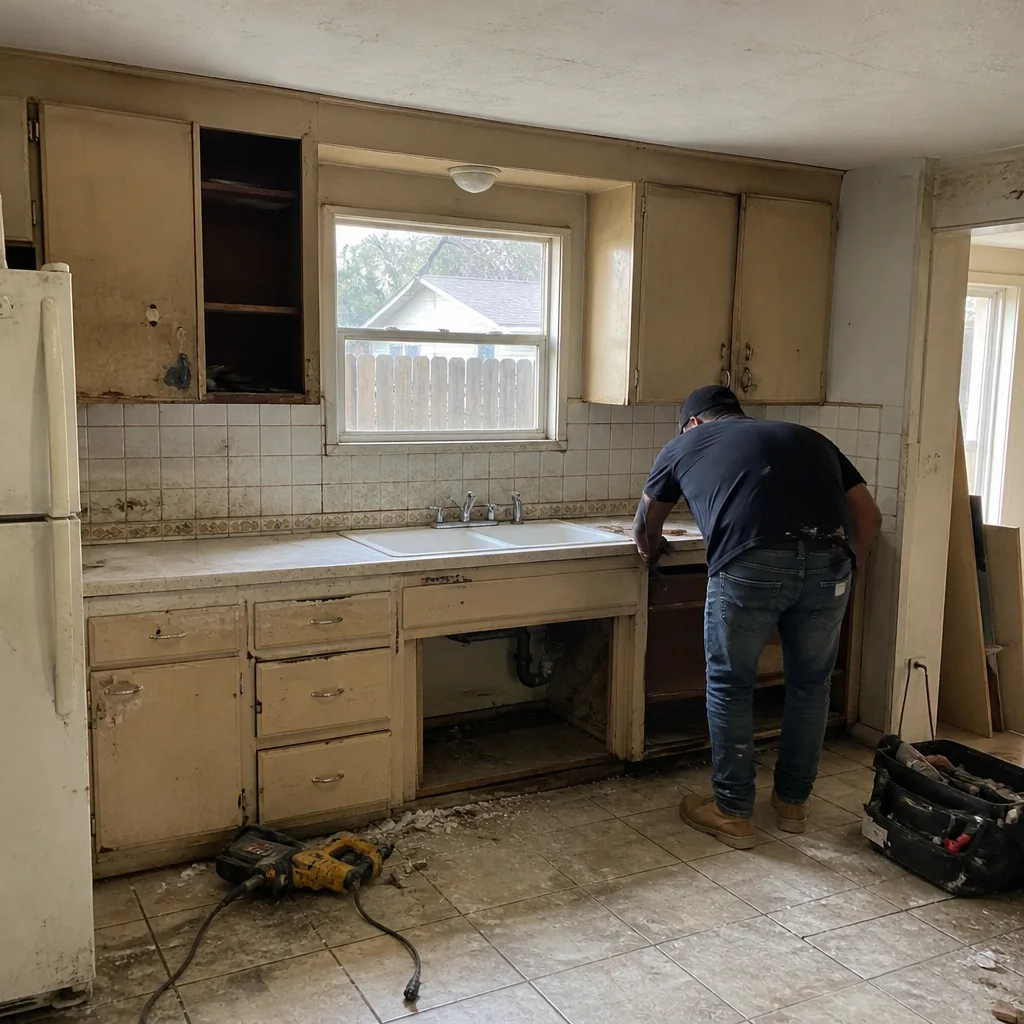 Before
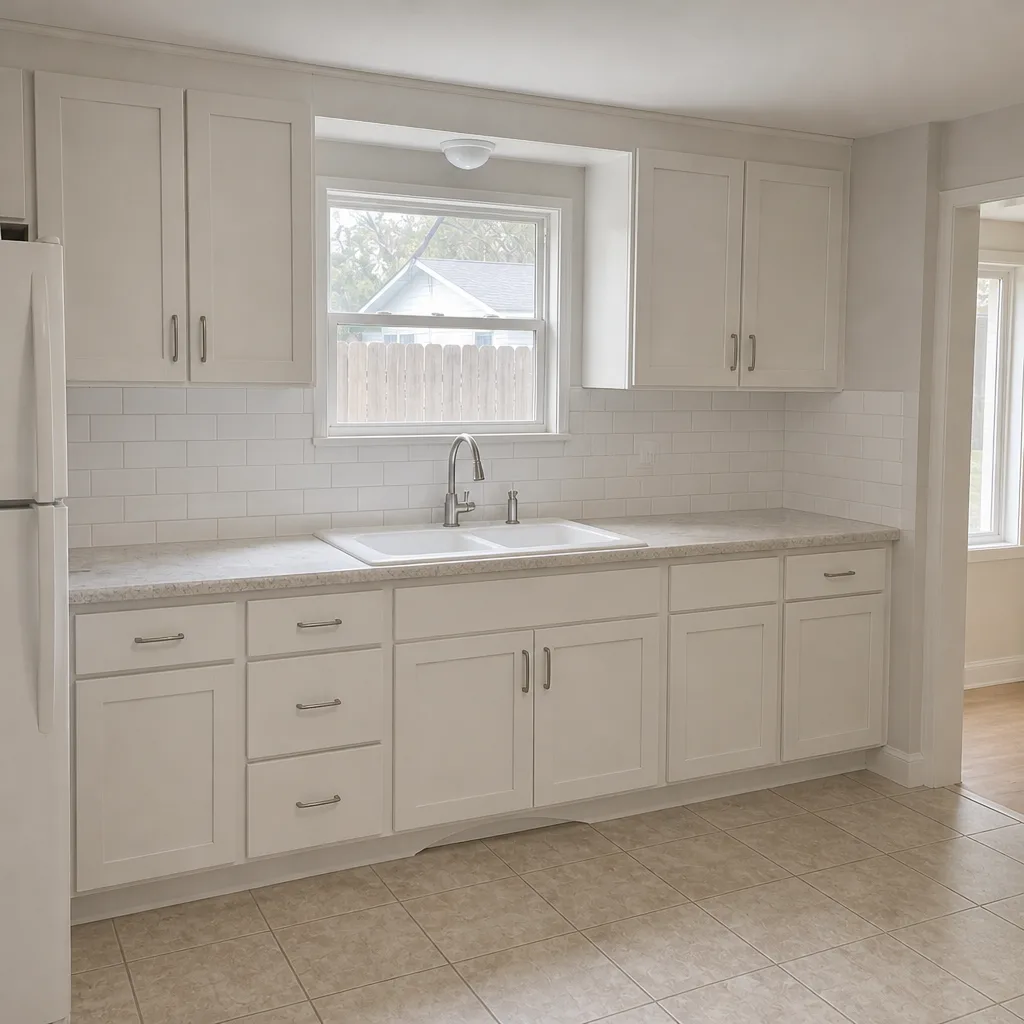 After
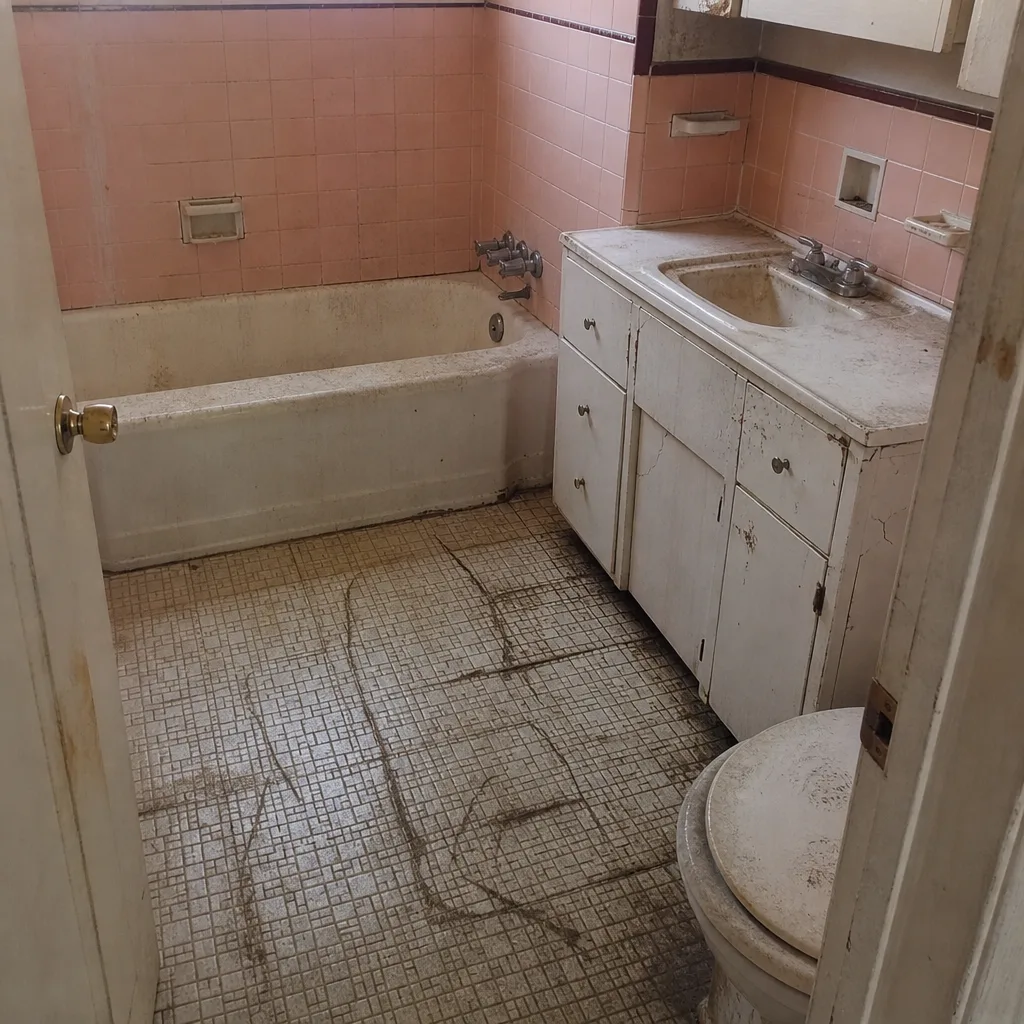 Before
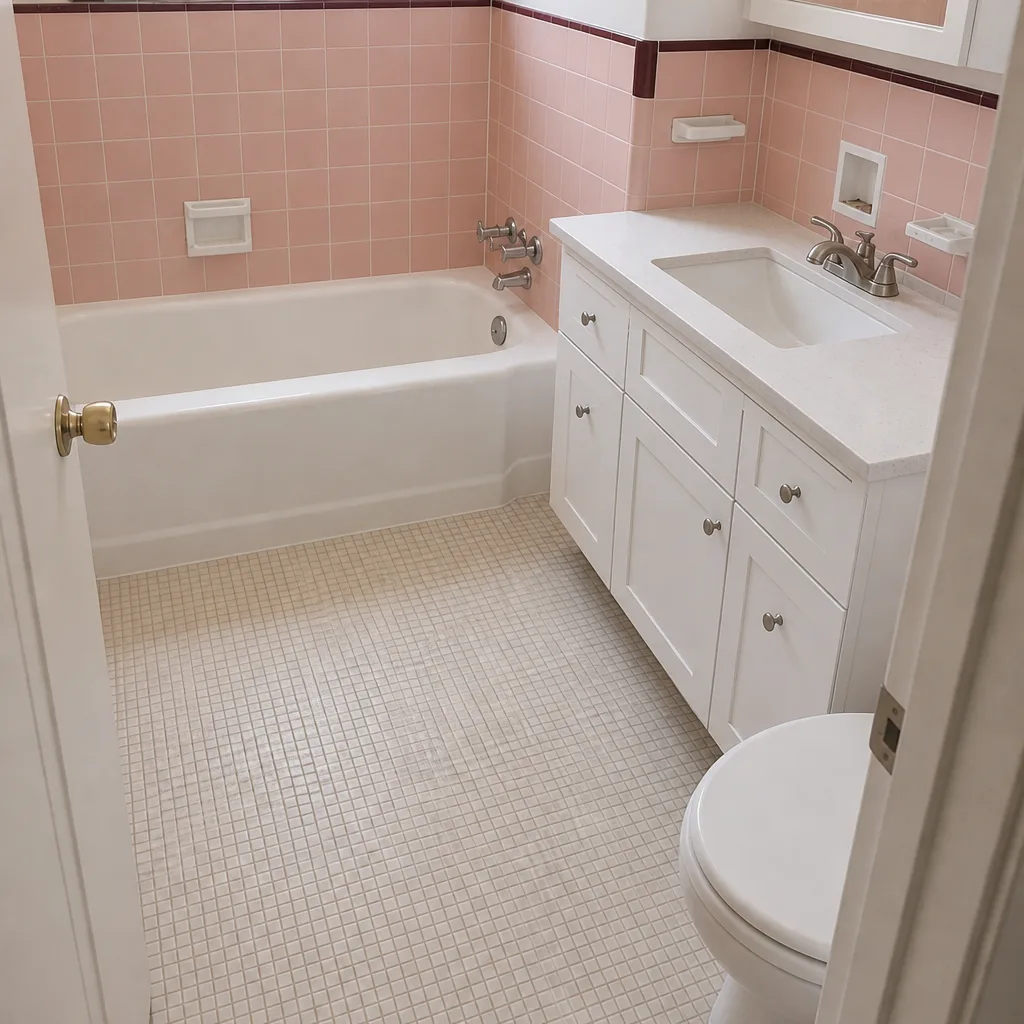 After