
Last updated November 18, 2026





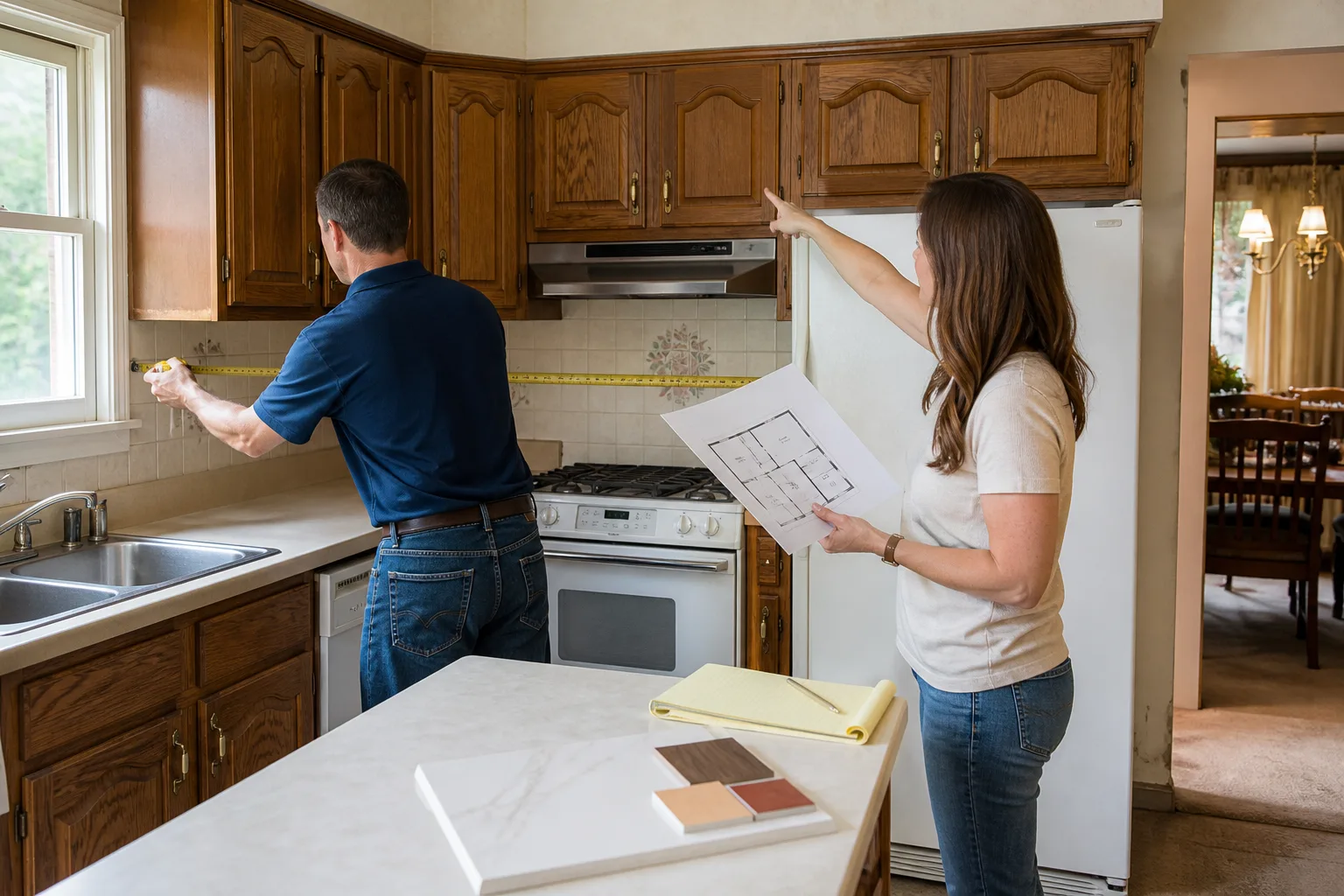
Free written scope consultation - allowances, timeline, and change-order rules on paper before a single trade is scheduled
Kitchen Remodeling Maintenance Schedule: What to Do and When
The caulk bead where your countertop meets the backsplash has a functional lifespan of 3 to 5 years. When it fails, water migrates into the substrate behind your tile for months before you see any visible damage. That single fact reframes everything most homeowners believe about a new kitchen. A remodel isn’t a finish line you cross once and forget. It’s a set of components with predictable service intervals, and each one has a window. Miss it and you’re not just risking cosmetics. You’re risking the manufacturer warranties on your cabinetry and appliances, and in some cases the written guarantee your contractor gave you. This guide gives you the actual calendar: month-by-month for year one, then annual tasks through year five, with a clear line between what’s yours to maintain and what a professional should handle. We’ve watched enough Pomona kitchens go through their first humid summer and dry winter to know where the pressure points are.
Quick Answer
Your remodeled kitchen needs a walkthrough every month for the first year (caulk checks, cabinet hardware, appliance connections) and a deeper inspection at six and twelve months, followed by annual servicing of grout, caulk, hinges, drawer slides and appliance hookups. Aesthetic maintenance like resealing grout is homeowner-level; structural items like gas flex connectors, water shutoff valves and substrate repair belong to a licensed technician. Most failures we see in Pomona kitchens come from ignored caulk joints and unchecked water lines, not from the cabinets themselves.
Styles & brands we work with
- Kitchen remodeling
- Bathroom remodeling
- Home additions & ADU
- Roofing
- Windows & doors
- Driveway & pavers
- Fence
Table of Contents
- Why Remodeled Kitchens Need a Maintenance Calendar
- The First-Year Calendar: Month-by-Month
- Years 2 Through 5: Annual Tasks
- Caulk Joints vs. Grout Joints: What You’re Actually Maintaining
- Cabinet-Specific Maintenance: Hinges, Slides, Alignment and Humidity
- Appliance Connections: The Slow Leaks Hiding in Plain Sight
- What Voids a Guarantee and What’s Homeowner Responsibility
- When to Call a Professional
Why Remodeled Kitchens Need a Maintenance Calendar
A new kitchen is a system of materials that move at different rates. Wood cabinet boxes expand and contract with humidity. Grout sets rigid but brittle. Caulk stays flexible but degrades in UV and heat. Quartz and granite countertops barely move at all. When you seal these together, you’ve created joints that will experience stress every day for years.
The Pomona climate makes this more interesting than it sounds. Summer afternoons push past 95°F with low humidity, then the kitchen fills with steam from cooking and the humidity spikes. Over a year, your cabinets go through dozens of expansion-contraction cycles. In our experience, KraftMaid and Wellborn cabinets both handle these swings well, but the wood still moves, and that means the hardware attached to it needs checking. A hinge that was perfectly aligned in January can sit a millimeter off by August.
There’s a second reason to keep a calendar, and it’s financial. Cabinet and countertop warranties (Cambria, Silestone and Caesarstone all have written terms) require reasonable maintenance. If a countertop cracks and the manufacturer can show that water was allowed to sit in a failed caulk joint for two years, that claim gets denied. The same logic applies to our 365-Day Done Right Promise. If something we installed fails because of a maintenance issue that was clearly the homeowner’s responsibility, that’s a different conversation than an installation failure. Knowing which is which protects you.
Finally, a calendar is what keeps a kitchen looking like the photos you fell in love with when you were planning the remodel. That’s the whole reason you went through a Kitchen Remodeling in Pomona project in the first place.
The First-Year Calendar: Month-by-Month
The first year is when you learn your kitchen. Materials settle, hinges wear into their final position, and caulk cures fully. Here’s the schedule we recommend, and it’s the same one we walk our clients through when we turn over a finished job in Pomona.
- Month 1: Check every caulk joint at the countertop-to-backsplash line, the sink rim and the cooktop edge. Touch-test the sink base cabinet interior for any moisture. Adjust any cabinet doors that shifted during first use.
- Month 2: Open the sink base and look at the cabinet floor. If there’s any swelling or discoloration, that’s a sign of a slow leak. Pull out the dishwasher and look for water stains on the floor or subfloor.
- Month 3: Check all drawer slides for smooth travel. Lubricate them with a dry film silicone spray (not oil, which attracts dust). Verify the refrigerator water line connection at the back of the unit.
- Month 4: Inspect grout in the backsplash and floor tile. Look for hairline cracks, which are common in the first heating cycle and usually cosmetic, but flag them if they widen.
- Month 5: Check cabinet hinge screws. Wood expands in summer and screw holes can loosen. A quarter turn of the screwdriver is usually all it takes.
- Month 6: Full six-month inspection. Re-caulk any joints that have started to peel or darken. Test the garbage disposal and dishwasher drain for slow drainage. Check the range’s flex connector for kinks if the range has been moved.
- Months 7-11: Repeat months 1-5 on the same cycle. Pay particular attention after the first heating season begins and the kitchen dries out.
- Month 12: Year-one comprehensive. Re-seal stone countertops (if you have natural stone), re-grout any cracked joints, and schedule a professional inspection if anything has felt off.
Years 2 Through 5: Annual Tasks
After the first year, most of the major settling is done. Your maintenance drops to a predictable annual rhythm. Divide the tasks into two buckets: aesthetic and structural, because they need different people.
Aesthetic tasks (homeowner-level)
- Re-caulk every joint at the countertop, backsplash, sink and cooktop. Budget 2 to 4 hours if you’re doing it yourself, or ask a handyman. Fresh caulk every 3 to 5 years is the single most important maintenance task in a kitchen.
- Deep clean and re-seal grout on the floor and backsplash tile. Penetrating sealer on an annual or biennial schedule keeps grout from absorbing cooking oils.
- Polish hardware, tighten screws, and check cabinet doors stay aligned.
- Clean the refrigerator coils and the dishwasher filter and check the range hood filter.
Structural tasks (professional-level)
- Inspect the gas range flex connector. These are typically rated for a defined lifespan; if yours is more than 5 years old, have a licensed plumber or gas fitter replace it. This is genuinely dangerous work and not a homeowner project.
- Inspect the dishwasher supply line and shutoff valve. Slow leaks behind a base cabinet can go unnoticed for years and cause floor and subfloor damage.
- Inspect the sink drain trap assembly and the supply lines under the sink. Replace the braided supply lines every 5 to 7 years regardless of visible condition.
- Check for any soft spots in the subfloor around the sink and dishwasher.
Around year 5, it’s worth bringing in a professional for a full kitchen inspection. We do these for homeowners in Pomona who want a second opinion on whether their kitchen is still in good shape, or whether anything needs early attention.
Caulk Joints vs. Grout Joints: What You’re Actually Maintaining
Most homeowners think of caulk and grout as two versions of the same thing. They aren’t. They do different jobs, they have different maintenance needs, and putting the wrong one in the wrong place is a real defect.
Caulk joints: flexible, replaceable
Caulk goes wherever two different materials meet, or wherever a joint is designed to move. That means:
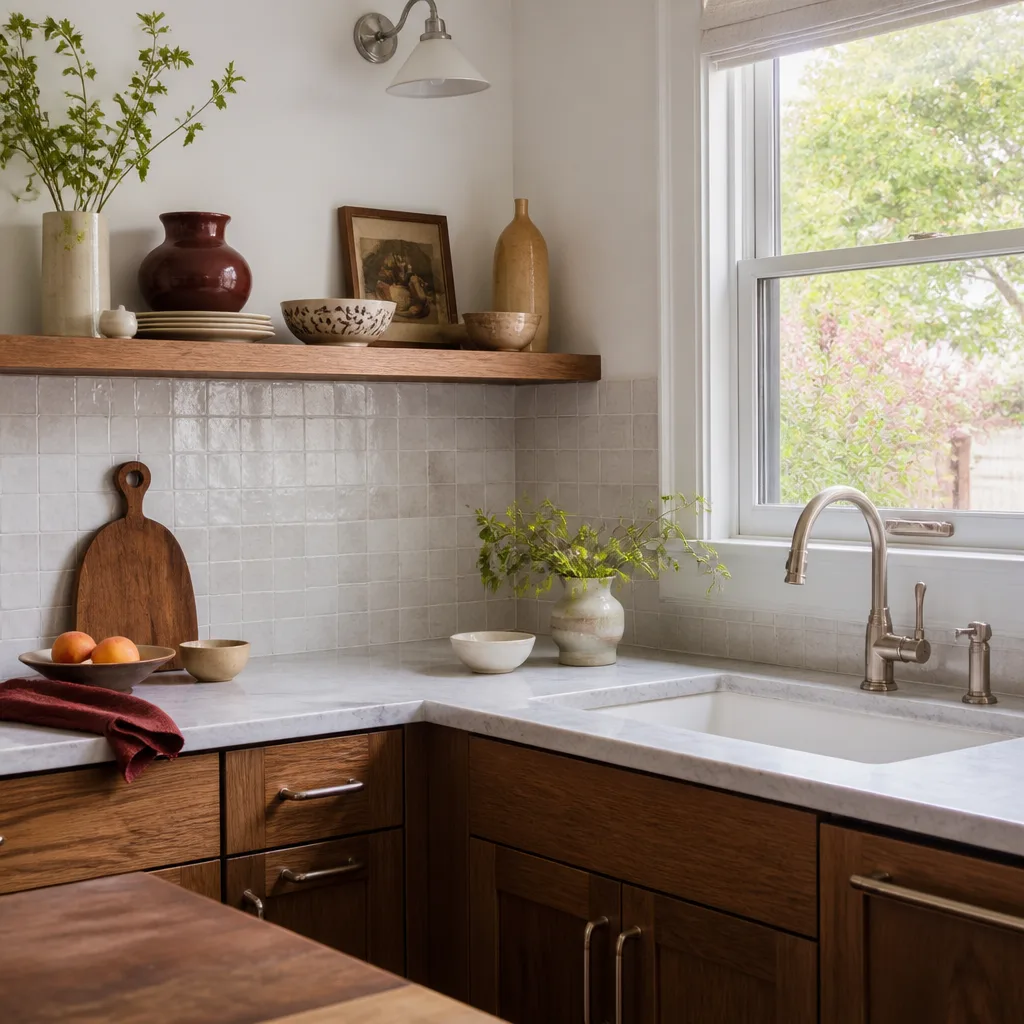
- Countertop-to-backsplash
- Countertop-to-wall
- Sink-to-countertop
- Cooktop edges
- Between the cabinet box and the wall
Caulk flexes. That’s the whole point. It’s the shock absorber. Its functional lifespan is 3 to 5 years in a typical kitchen, shorter if the joint gets a lot of water or UV exposure. When it peels, cracks or darkens, it’s time to remove it fully and replace it. Never caulk over old caulk.
Grout joints: rigid, protective
Grout goes between tile. It’s not designed to move; it’s designed to lock tile in place and protect the substrate beneath. If you see grout where caulk should be (a grout line between the backsplash and the countertop, for example), that’s a defect that needs correcting. It won’t survive the first expansion cycle.
The reverse is also true. Caulk between two floor tiles will fail quickly because the joint is meant to be rigid. Watch for signs in the first six months; our Penhallow Remodeling Pomona home page has more context on our installation standards if you’re evaluating work you’ve already had done.
Cabinet-Specific Maintenance: Hinges, Slides, Alignment and Humidity
Cabinets are the biggest single investment in most kitchens. A KraftMaid or Wellborn set can run $8,000 to $25,000 depending on layout and line. They’re also the component most affected by your specific house. Here’s how to keep them working for decades.
Hinge adjustment intervals
Check every cabinet hinge at months 1, 3, 6 and 12, then annually. European concealed hinges have three adjustment screws: one for vertical height, one for horizontal depth, one for door tilt. After the first year, doors settle into their final position and most hinges won’t need adjustment again without a nudge. If a door starts rubbing, the same screws fix it in five minutes.
Drawer slide lubrication
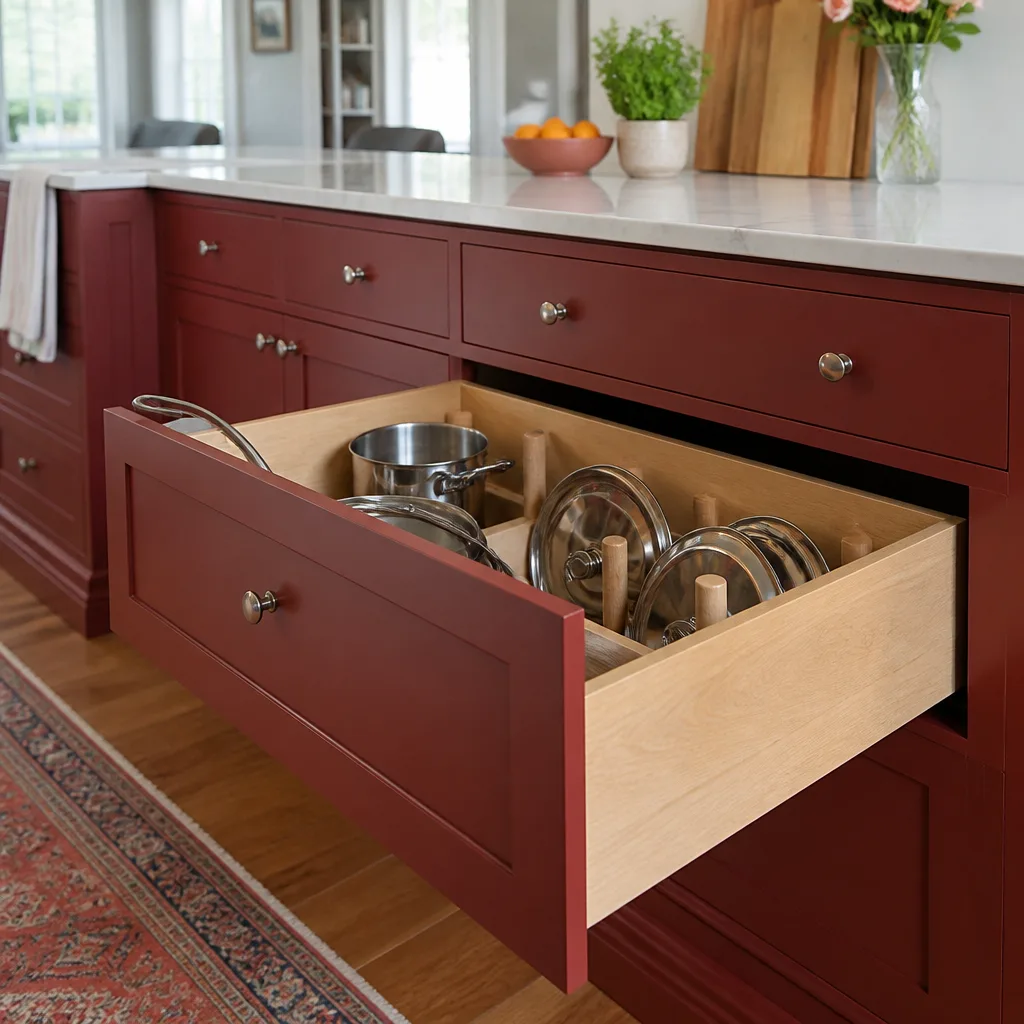
Drawer slides get lubricated every 12 to 18 months. Use dry film silicone spray, not WD-40 or oil. Oil attracts dust and cooking residue and actually accelerates wear. Wipe down slides with a clean cloth, spray a light coat on the tracks, and cycle them open and closed a dozen times.
Door alignment checks
Stand 6 feet back and look at your cabinet run. Doors that were flush in January can look uneven by July. This is normal wood movement. If a door is off by more than 1/8 inch, adjust it. Consistent gaps across the whole run are what makes a kitchen look custom versus off-the-shelf.
How Pomona humidity affects cabinet boxes
Pomona averages around 30% relative humidity in summer and 60% to 70% during winter rains. Wood and plywood expand and contract with these swings. A cabinet box that’s 24 inches wide can move 1/16 inch season to season. That’s invisible to the eye, but it’s enough that your hinges need checking twice. Kitchens with a gas range and no vented hood see much wider swings because cooking adds moisture directly to the box. If your kitchen lacks a proper exhaust hood, plan extra hinge checks in winter.
Appliance Connections: The Slow Leaks Hiding in Plain Sight
This is the maintenance task homeowners skip most often, and it’s the one that causes the most expensive damage. We’ve opened up sink base cabinets in Pomona and found swollen particleboard and mold that had been building for years from a $12 dishwasher supply line.
Dishwasher supply and drain
Look behind the dishwasher every 6 months. The supply line and drain hose both connect under the sink. Check for dampness at both ends, and look at the cabinet floor for any water stains. Braided stainless supply lines are better than the older rubber style and should be replaced every 5 to 7 years regardless of appearance. A dishwasher supply line that fails while you’re at work can put 30 gallons on your kitchen floor.
Refrigerator ice line
Check the ice line connection at the back of the fridge and at the wall valve once a year. Pull the fridge out (carefully, on a floor protector) and look for any dampness on the floor. A saddle valve (the pierce-the-pipe style) is a common leak point and should be replaced with a proper quarter-turn valve if a plumber is already in your kitchen for anything else.
Gas range flex connector
This is the highest-stakes connection in your kitchen. The flex connector that ties your range to the gas line is rated for a specific lifespan; check the tag on yours and have a licensed professional replace it on schedule. Never test a gas connection yourself with a match. Never move a gas range without shutting off the gas at the valve. If you smell gas at any point, leave the house and call your gas utility from outside. This is not a DIY task under any circumstances.
What Voids a Guarantee and What’s Homeowner Responsibility
This is where most homeowners get confused, so we’re direct about it on every job. Our 365-Day Done Right Promise covers any installation failure we caused: a hinge that was installed wrong, a caulk joint that fails prematurely, a cabinet box that warps due to a defect in the product, a countertop seam that opens up. Our written guarantee on every project documents what’s covered, and we include a free return visit if a repair fails inside the period. No service call, no re-inspection fee.
What we can’t cover is maintenance failures. Specifically:
- Any failure caused by deferred caulk replacement. If the caulk at your sink or backsplash is allowed to fail and water gets behind the tile, that’s a maintenance issue.
- Water damage from appliance supply lines. These fail on their own schedule, not ours. Check them.
- Wood movement from humidity. Doors drifting out of alignment more than 1/4 inch, if hinges were properly installed, is normal seasonal movement.
- Grout cracks from structural movement in the home, not the tile installation.
We document all of this in writing at job close. The rule of thumb: if it’s caused by our installation, we fix it at no charge. If it’s caused by deferred maintenance on a component we told you to check, we’ll still come out and fix it, but it’s a paid repair. Getting the homeowner responsibility division documented clearly at the start avoids any hard feelings later.
Common Mistakes to Avoid
- Caulking over old caulk. New caulk doesn’t bond to old caulk, so it peels within a year. Remove the old bead fully with a plastic scraper, clean the joint, then re-apply. This is the number-one mistake we see in Pomona kitchens.
- Ignoring the sink base cabinet. The most expensive water damage in a kitchen usually starts under the sink. If you look in one place once a month, look there.
- Using oil-based lubricant on drawer slides. It attracts dust and cooking residue and eventually gums up. Dry film silicone only.
- Moving a gas range yourself. Even for a small area rug change, call a licensed pro. The flex connector can be stressed, and gas leaks are genuinely dangerous.
- Grouting where caulk belongs. Between the backsplash and countertop, that joint should flex. Grout will crack every time.
- Assuming the manufacturer warranty covers everything. Cambria, Silestone and Caesarstone all have reasonable-maintenance requirements in their written terms. A failure that resulted from deferred maintenance is denied every time.
- Skipping the year-one inspection. The 12-month check is when most small issues get caught before they become big ones. It’s the single most valuable maintenance task in the whole schedule.
See the difference
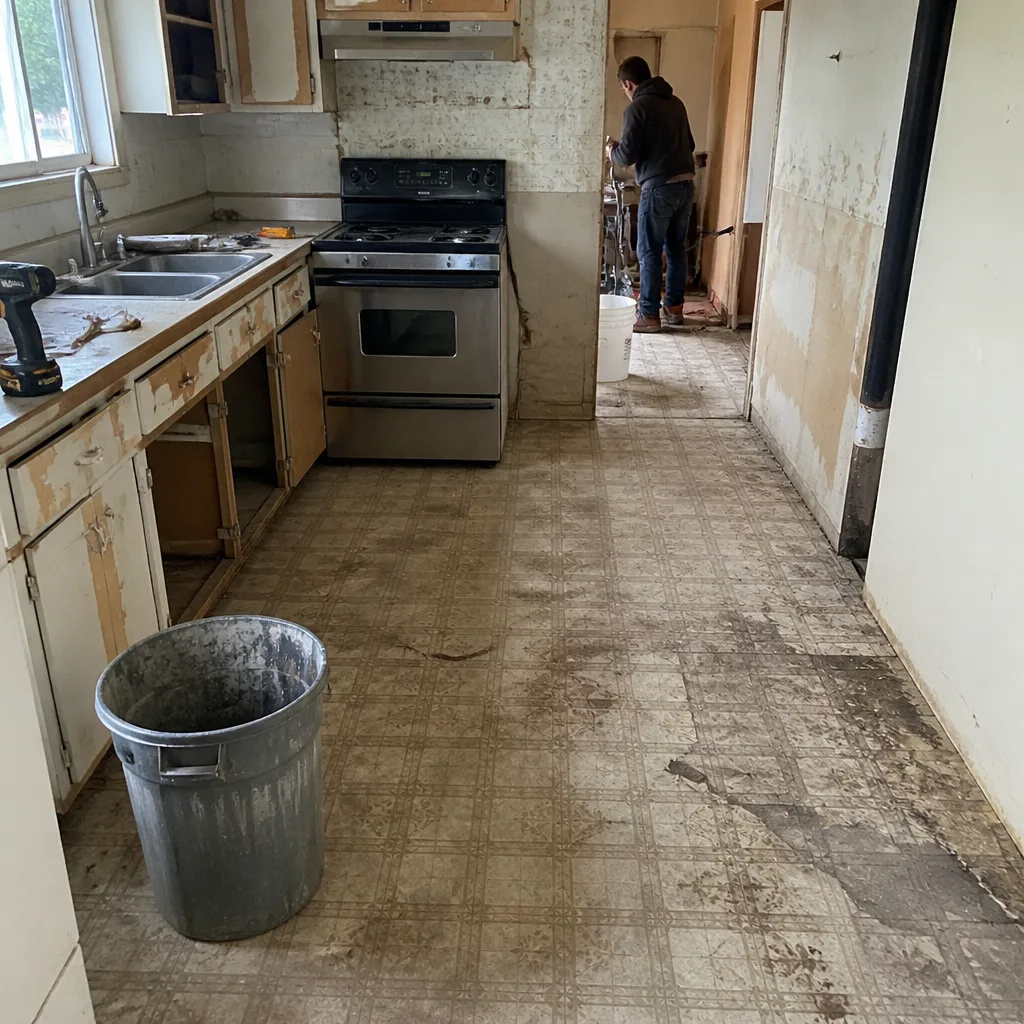 Before
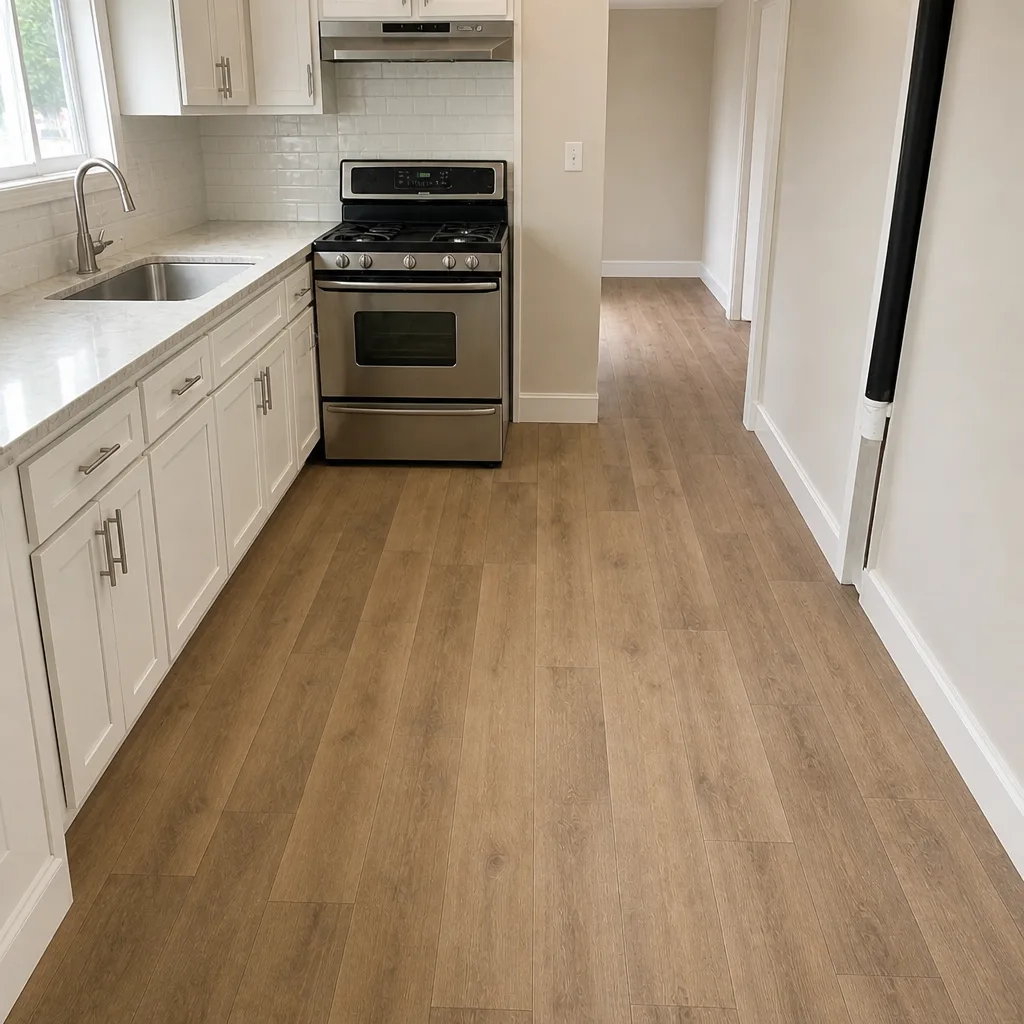 After
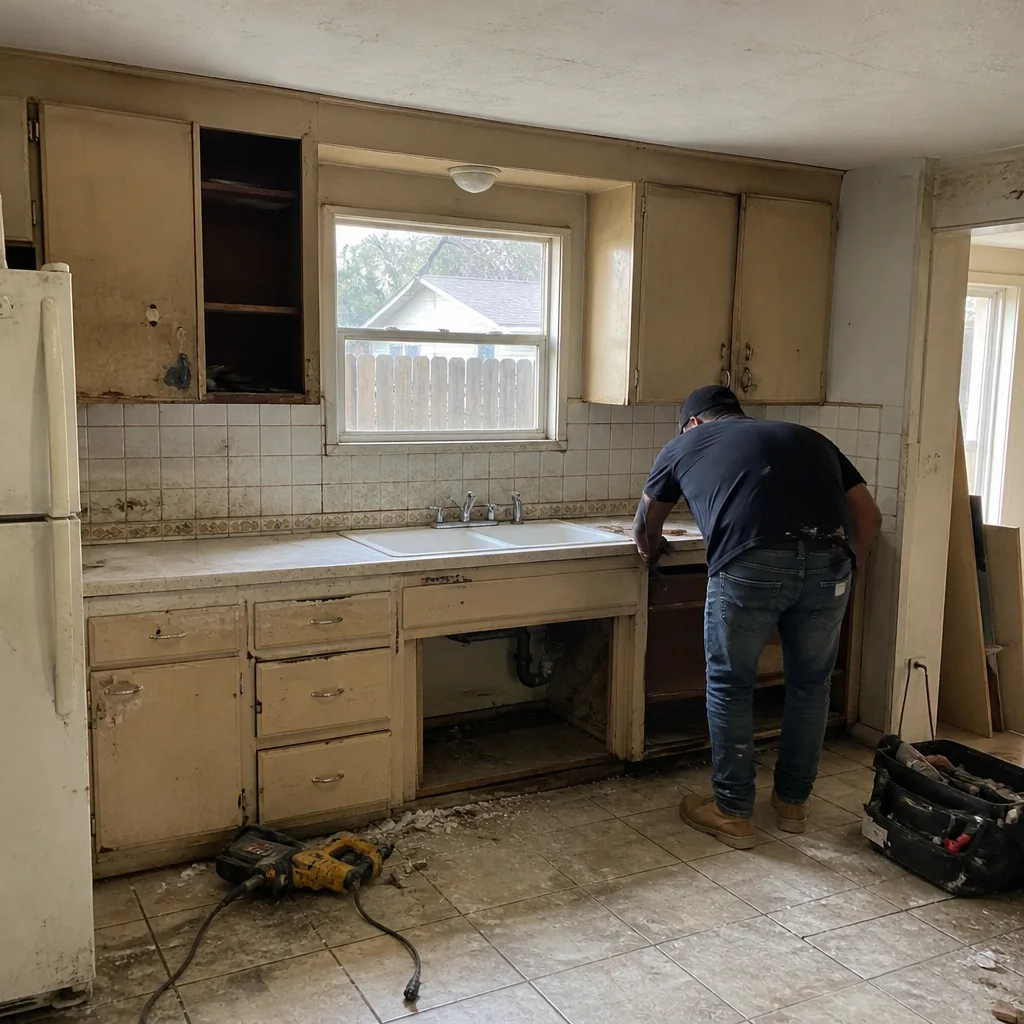 Before
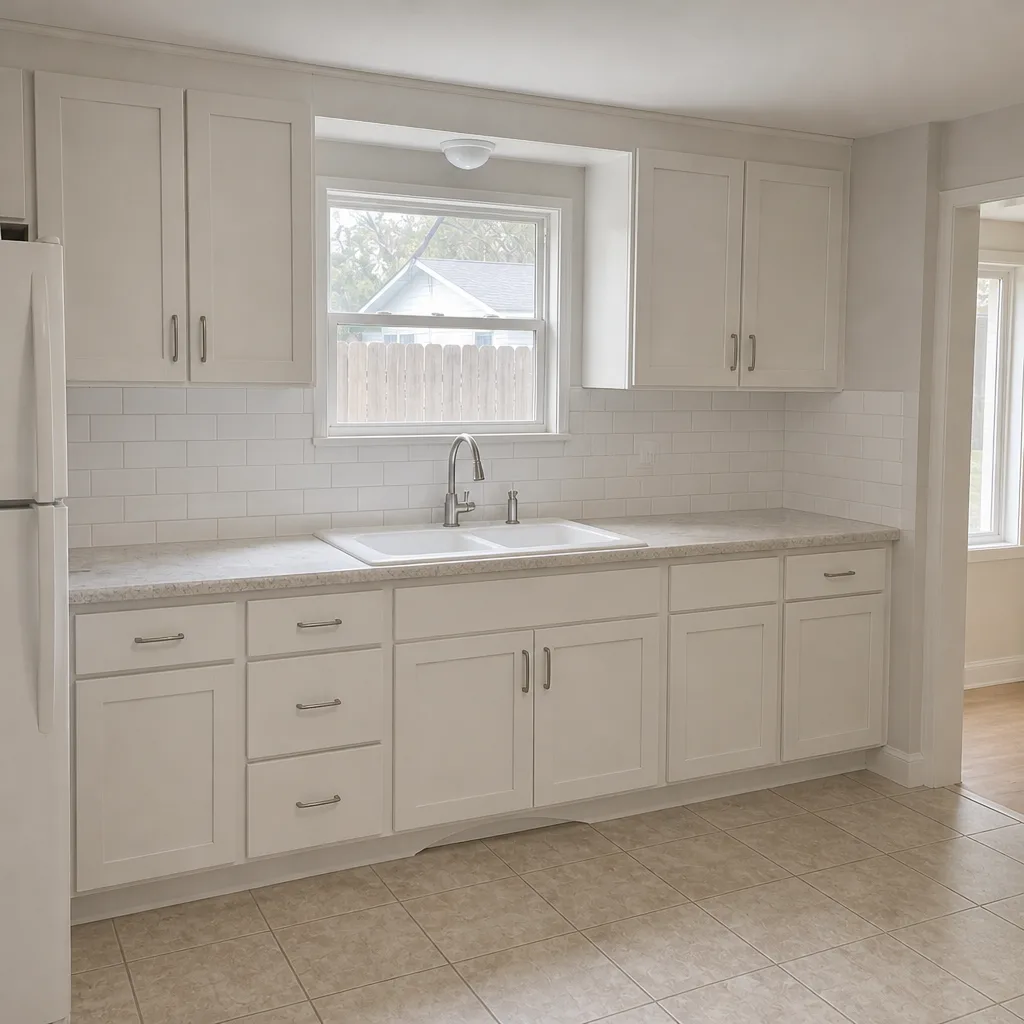 After
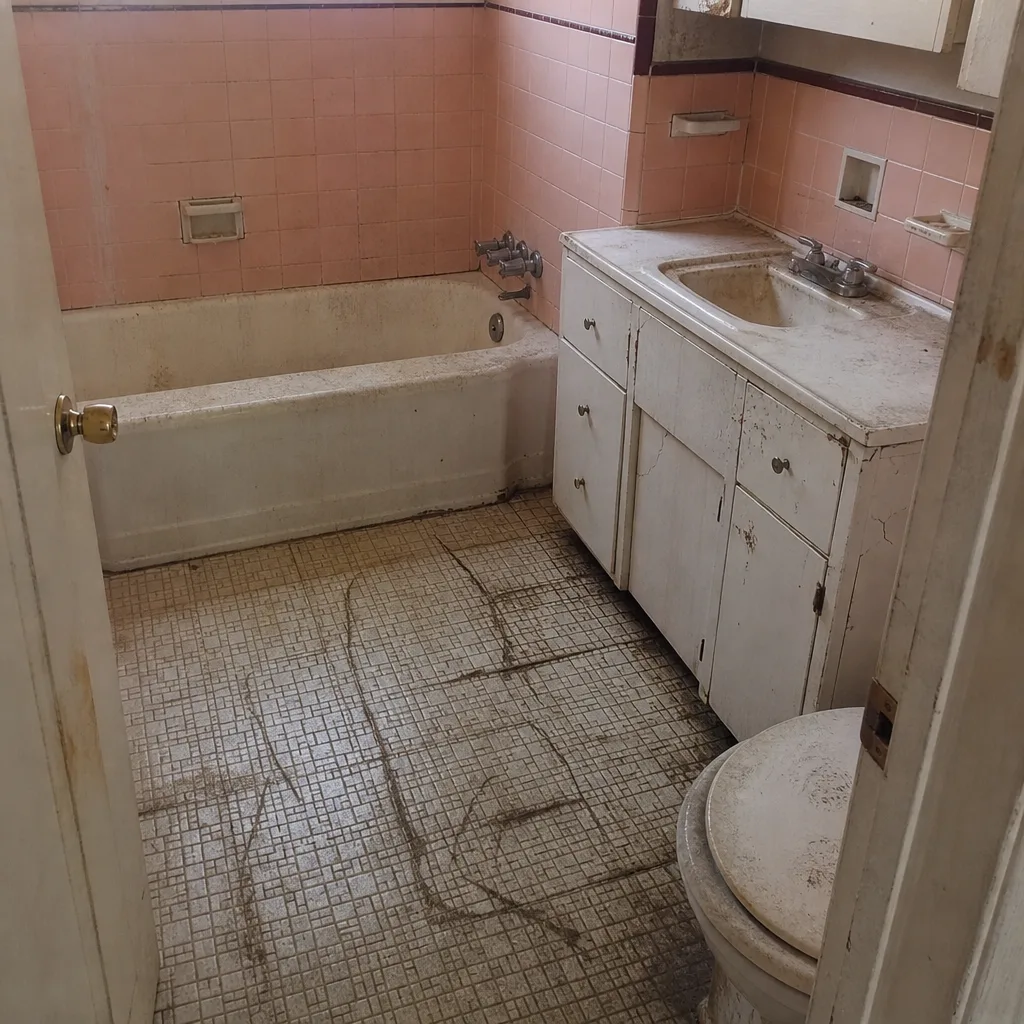 Before
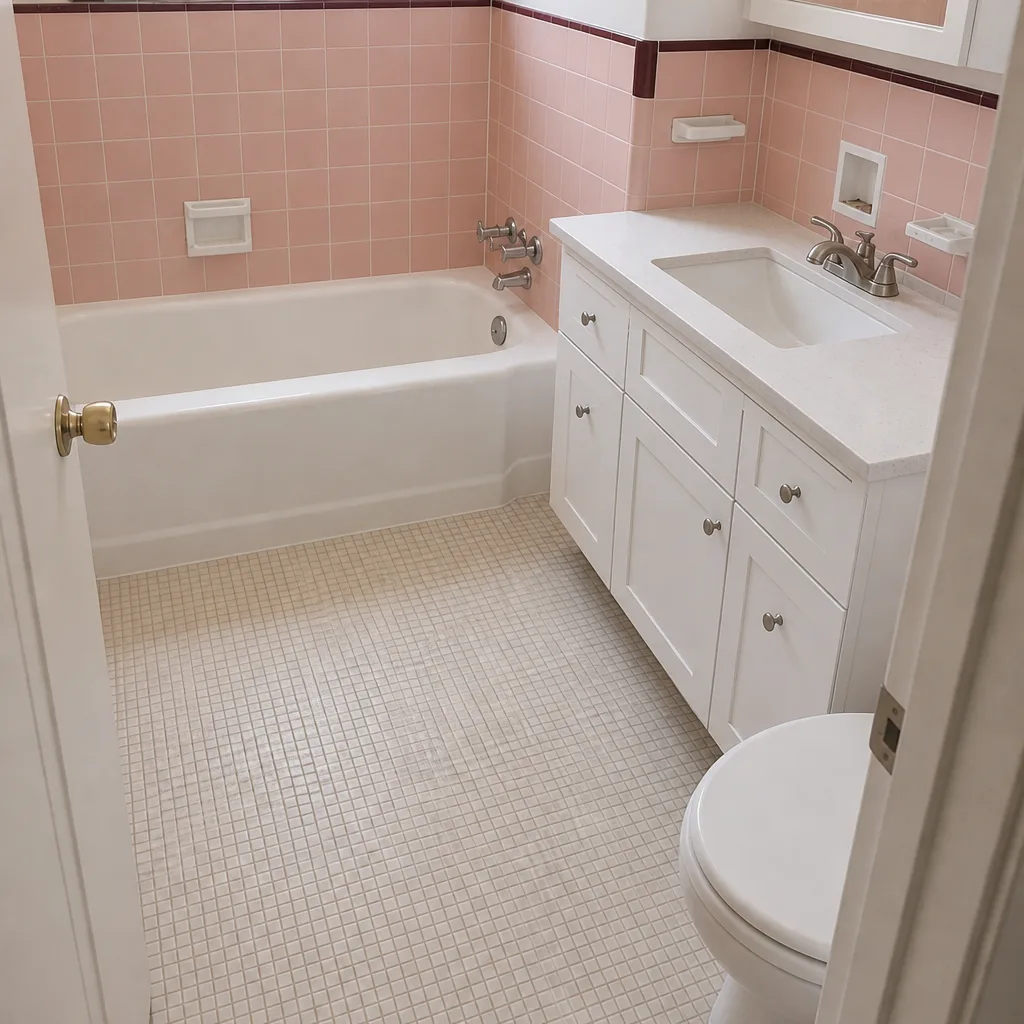 After
When to Call a Professional
Some maintenance is yours. Some isn’t. Call a professional (or your original contractor) for any of the following:
- Any gas-related work, including moving or replacing a range flex connector
- Any water damage that’s gone beyond the surface: swollen cabinet floors, mold, or soft subfloor
- Any grout that’s cracking within the first year (could indicate a substrate problem)
- Any cabinet door that’s more than 1/4 inch out of alignment after adjustment
- Any countertop seam that opens up more than 1/16 inch
We also get calls from homeowners in Pomona who just want a second opinion on how their kitchen is holding up, and that’s a reasonable ask. Penhallow Remodeling Pomona offers free estimates in Pomona for inspection, repair and follow-on remodels. Every job starts with a written price before any work begins, backed by the 365-Day Done Right Promise and a real person answering the phone when you call (833) 620-5046.
If you’re planning a kitchen project rather than maintaining one, our General Contractor in Pomona page walks through how we scope the full scope of work, and our Bathroom Remodeling in Pomona team handles the adjacent space if you’re doing both.
Frequently Asked Questions
Every 3 to 5 years in a typical kitchen, and annually around the sink where water exposure is heaviest. Caulk’s functional lifespan is shorter in kitchens with a dishwasher next to the sink or with a lot of natural sunlight. In Pomona’s climate, we see most kitchen caulk fail on the faster end of that range if it wasn’t installed with a high-quality silicone caulk to begin with.
Hairline grout cracks in the first 6 months are usually normal settling. A crack wider than 1/16 inch, a crack that recurs after re-grouting, or any crack that appears in the first 30 days should trigger a call to your contractor, because it can indicate a substrate problem underneath. Grout cracks in a brand-new kitchen in the first month are never normal.
Check at months 1, 3, 6 and 12 after installation, then annually after that. European concealed hinges settle within the first 12 months and often don’t need adjustment for years after. If a door starts to rub against a neighbor, the fix takes about 5 minutes with a Phillips screwdriver.
Most cabinet maintenance is homeowner-level: tightening hinges, lubricating slides, checking alignment. If you’re not comfortable with a screwdriver or you have a premium KraftMaid or Wellborn set, a handyman can do the annual check in under an hour. Reserve professional help for anything that involves adjusting alignment across a whole cabinet run or replacing damaged hinges.
Yes, mostly through humidity swings. Pomona averages around 30% relative humidity in summer and 60% to 70% in winter, which means cabinets and trim move more than they would in a climate with steady humidity. Check hinges twice a year rather than once, and be more attentive to caulk joints, especially after the first winter rains. Kitchens with a gas range and no vented hood see the biggest swings.
Our 365-Day Done Right Promise covers installation failures for a full year: hinge issues we caused, caulk joints that fail prematurely, countertop seams that open up, cabinet defects that show up in the first 12 months. It doesn’t cover failures from deferred maintenance like ignored caulk replacement or unattended appliance leaks. We document the division in writing on every job so there’s no ambiguity. Call (833) 620-5046 for a free estimate and we’ll walk through the specifics for your kitchen.
The Bottom Line
Your remodeled kitchen is a system, not a sculpture. The first year needs monthly checks and a full walkthrough at six and twelve months. After that, an annual rhythm covers caulk replacement every 3 to 5 years, cabinet hardware adjustments, grout sealer, appliance connections and yearly gas line inspection. Most expensive kitchen damage we see in Pomona kitchens starts as a $12 supply line or a $40 caulk joint that nobody looked at. Keep the calendar. When you’re ready for a professional inspection, a repair, or a full kitchen remodel, we give you a written price before work starts, a real arrival window, and a 365-Day Done Right Promise in writing on every project.
Call (833) 620-5046 to schedule your free estimate. Every technician is background-checked and arrives in uniform, materials are sourced from brands like KraftMaid, Cambria and Kohler, and a live person answers the phone when you call. Written price before any work starts, on every job.
Written by the team at Penhallow Remodeling Pomona.