Last updated November 18, 2026



Free written scope consultation - allowances, timeline, and change-order rules on paper before a single trade is scheduled
How Long Does General Contractor Take? Timelines and What to Expect
Most homeowners assume a remodel runs long because of construction. In our experience across Pomona, that’s rarely the culprit. The schedule usually blows up in week one, before a single cabinet is pulled: permit review at the city, a six-week lead time on custom cabinetry nobody ordered early, and a subcontractor who got double-booked on three jobs at once. Pomona Building & Safety permit review can run three to six weeks for over-the-counter projects, and most contractors quote around that delay verbally, then blame “the city” when the job runs two months late. This guide shows you what a realistic timeline actually looks like and what to demand in writing before work starts.
Quick Answer
A typical kitchen remodel takes 8 to 12 weeks from demo to punch list, a bathroom runs 4 to 7 weeks, and a whole-home remodel can take 5 to 9 months. But the number that matters is the one that includes permit review, material lead times, and subcontractor gaps, not just the days crews are on site. A written milestone schedule that accounts for all three is what separates a smooth job from a frustrating one.
Styles & brands we work with
- Kitchen remodeling
- Bathroom remodeling
- Home additions & ADU
- Roofing
- Windows & doors
- Driveway & pavers
- Fence
Table of Contents
- How Long Does Permit Review Take in Pomona?
- What Does a 10-Week Kitchen Remodel Look Like Week by Week?
- The Material Lead-Time Problem: What to Order Before Demo Begins
- How to Read a Contractor’s Project Schedule for Warning Signs
- What a Written Milestone Schedule Should Include
- What Happens When the Job Runs Over?
- Common Mistakes to Avoid
- When to Call a Professional
How Long Does Permit Review Take in Pomona?
Permit review at the Pomona Building & Safety Division follows a fairly predictable rhythm, and knowing it is your first defense against a contractor who pads the schedule or blames the city later. Over-the-counter projects, the small stuff like a non-structural wall removal or a simple fixture swap, usually clear in a day to a week if you walk in with complete drawings. Standard kitchen and bathroom remodels that involve moving plumbing or electrical typically run three to six weeks for plan review and approval. Larger structural work, additions, or anything touching the building envelope can stretch longer.
The key detail most homeowners miss: you can check the status of your own permit. Pomona runs its permits through an online portal, and your contractor can give you the permit number the day it’s submitted. Once you have that number, you can look up where it sits in the queue, whether the city has issued comments, and whether a correction cycle has kicked off. That transparency is your protection. If a contractor tells you the permit is “still being reviewed” three weeks past the estimate, a portal check tells you in thirty seconds whether that’s true.
A few things that slow Pomona permits down:
- Incomplete plan sets, especially missing structural calcs or energy compliance documentation
- Correction cycles, where the city sends comments back and the plan sits until the contractor resubmits
- Seasonal backlogs, particularly late spring when everyone wants to beat the summer heat and get work done before school starts
Ask your contractor for the permit submission date and the plan review estimate in writing. If they can’t tell you the difference between over-the-counter and plan review, that’s your first warning sign. Our general contractor in Pomona starts every project with the permit path laid out, because the number on day one should be the number on the invoice.
What Does a 10-Week Kitchen Remodel Look Like Week by Week?
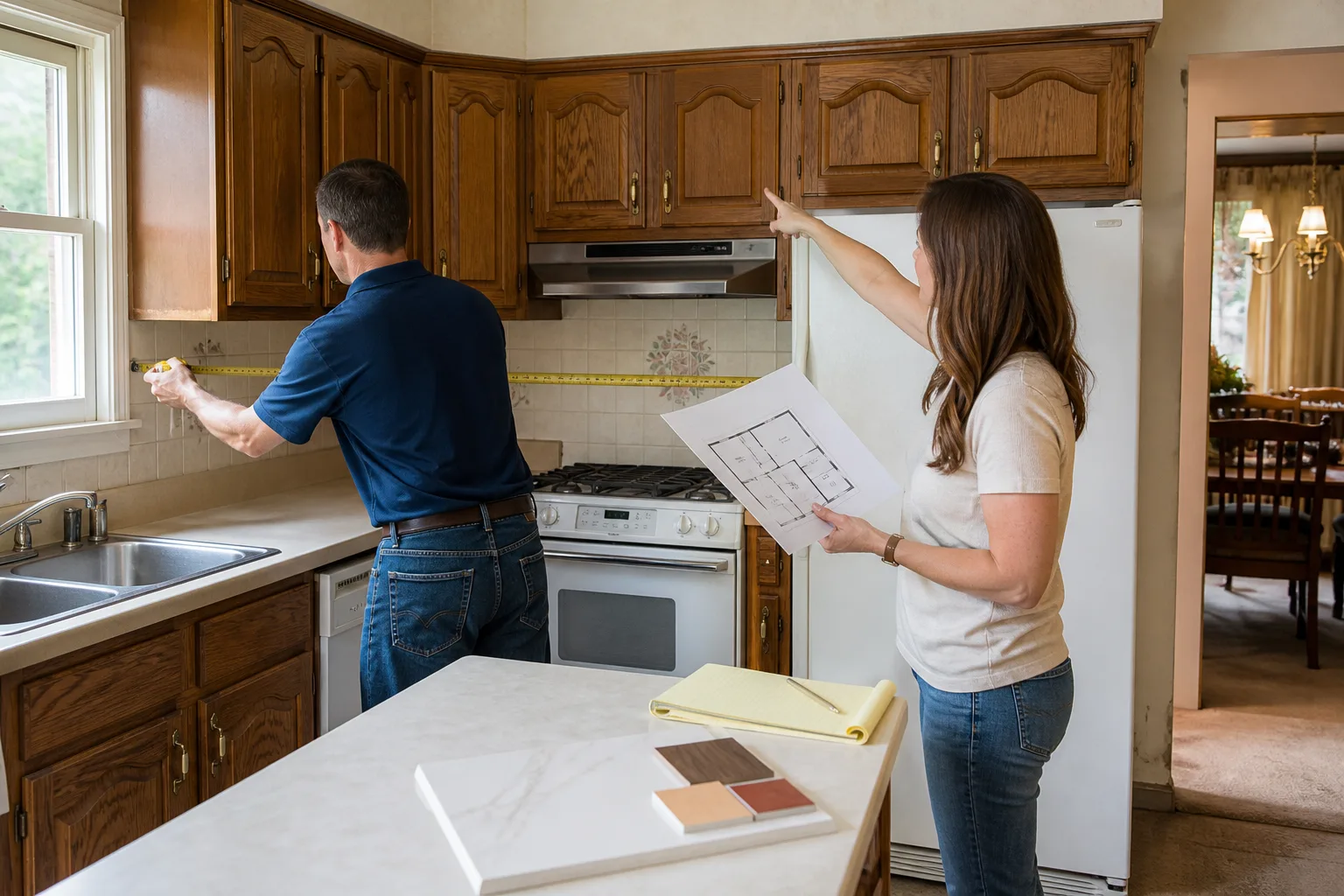
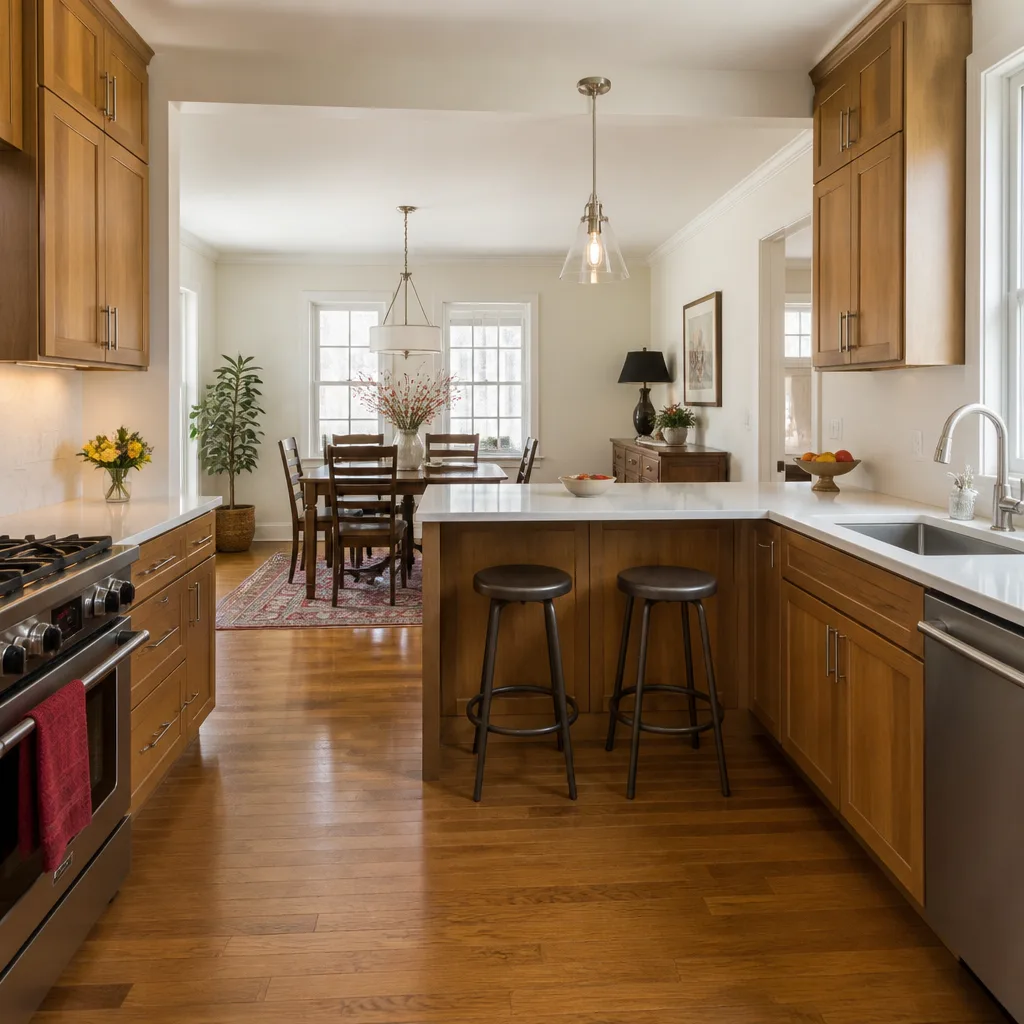
Here’s what a realistic ten-week kitchen remodel actually looks like, week by week, so you can compare it to any schedule a contractor hands you. This assumes permits are already issued and materials are on site or in transit. If either of those isn’t true, add three to six weeks before the clock even starts.
- Week 1 – Demo and site prep. Crews pull cabinets, appliances, and flooring. The site is protected, dust barriers go up, and a dumpster arrives. You’ll need a temporary kitchen setup elsewhere.
- Week 2 – Rough framing and inspection. Any wall changes get framed, and the framing inspector signs off before anything gets closed up.
- Week 3 – Rough plumbing and electrical. New lines for the sink, dishwasher, range, and outlets go in. Rough-in inspection follows.
- Week 4 – Insulation and drywall. Walls get insulated, hung, and taped. This is the week the room starts to feel real again.
- Week 5 – Primer and cabinet delivery. Walls are primed and cabinet boxes arrive on site, ready for install the following week.
- Week 6 – Cabinet installation. Upper and lower cabinets are set, leveled, and secured. If you chose KraftMaid or Wellborn, this is the week they go in.
- Week 7 – Countertop template. The countertop fabricator templates the cabinets, then cuts and installs the slab. Cambria and Silestone typically add one to two weeks between template and install.
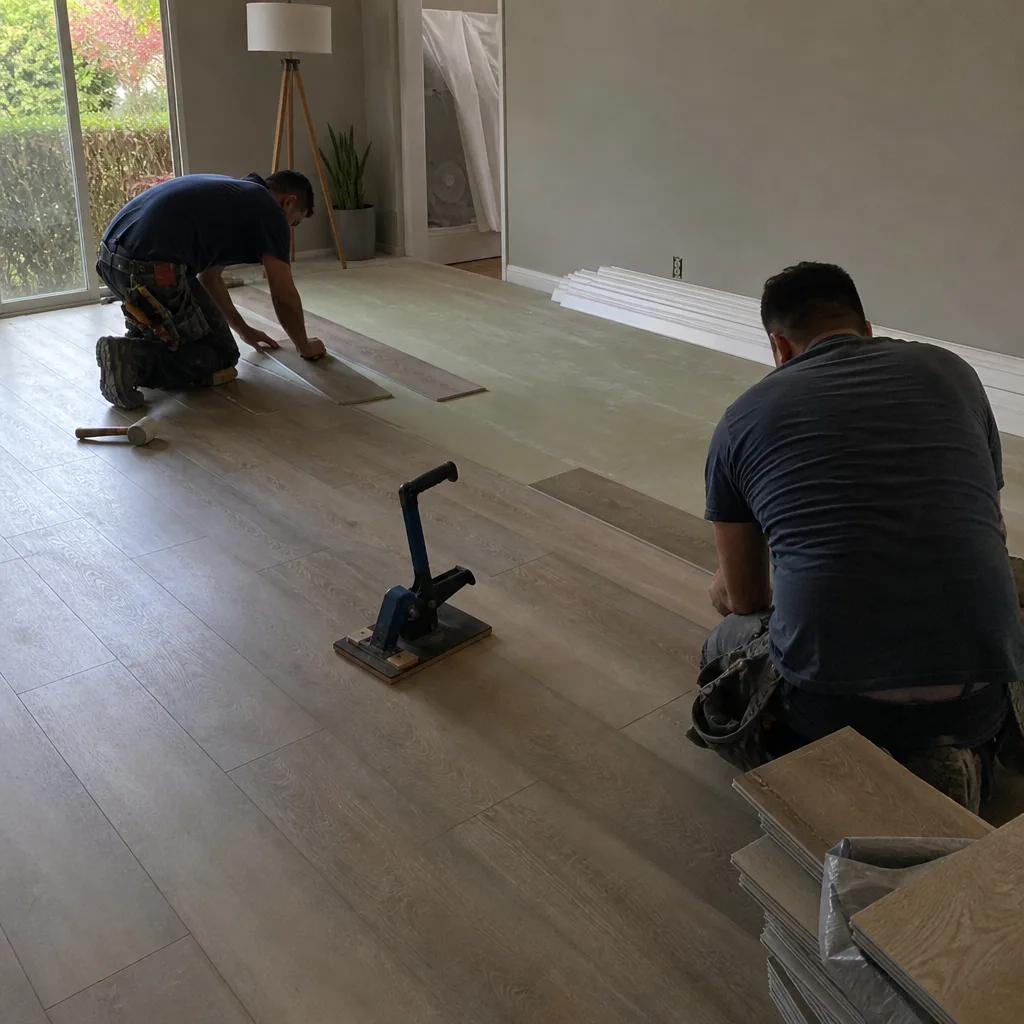
- Week 8 – Backsplash tile and flooring. Tile gets set over cement board substrate (the moisture-resistant layer behind your tile). Flooring goes down.
- Week 9 – Fixtures and finishing. Sink, faucet, lighting, and appliance hookups finish. Paint touches up.
- Week 10 – Punch list and final inspection. Final building inspection, walkthrough with you, and any last corrections get made.
That’s a clean ten weeks. In Pomona, we often see it slip a week because of a correction cycle at inspection or a late countertop shipment, which is why a written schedule with a two-week buffer is standard for us. A kitchen remodeling in Pomona project that promises six weeks is either skipping steps or planning to blame you when it runs long.
The Material Lead-Time Problem: What to Order Before Demo Begins
The single biggest reason remodels stall isn’t construction. It’s materials that weren’t ordered early enough. Custom cabinetry, specialty windows, and certain tile lines can take six to twelve weeks from order to delivery, and if that clock starts after demo, you’re living without a kitchen for two months longer than you planned. The fix is simple: order long-lead items before demo begins, not after.
Order these before the first hammer swings:
- Custom cabinetry. KraftMaid and Wellborn cabinetry typically run four to eight weeks from order, and that clock starts only after final measurements and door style selections are locked in.
- Windows and exterior doors. Therma-Tru entry systems and any made-to-order windows run five to twelve weeks, and they can’t be installed until the framing is done.
- Countertops. Cambria, Silestone, and Caesarstone slabs are usually in stock, but templating and fabrication add one to two weeks after cabinets are set.
- Specialty tile. Handmade, imported, or out-of-stock tile can run four to eight weeks. Standard porcelain usually ships within days.
- Fixtures. Kohler and Moen stock items are quick, but custom finishes or discontinued lines can surprise you.
Ask your contractor for a written long-lead materials list at signing, with order dates and expected delivery windows. If they can’t produce one, they’re planning to order when the van gets to the house, and that’s a timeline you’ll pay for. We order long-lead items at contract signing and track delivery dates against the schedule, so the job doesn’t stall waiting on a cabinet door. For a whole-home project, Penhallow Remodeling Pomona builds the material schedule around the permit date, not the other way around.
How to Read a Contractor’s Project Schedule for Warning Signs
A project schedule is only useful if it shows the gaps, and most schedules are written to hide them. The warning signs are in the spacing. If a contractor’s schedule packs all the framing, plumbing, electrical, and drywall into three consecutive weeks with no inspection windows, they’re assuming the inspector will show up on day one, which never happens. Watch for these signals:
- No inspection windows. Each rough-in inspection at Pomona Building & Safety needs to be scheduled and pass before the next phase starts. A real schedule blocks two to five days for each.
- No buffer for correction cycles. Plan review and inspections often produce comments. A schedule with zero slack has no room for a resubmittal.
- Overlapping crews in the same room. Tile and cabinet installers can’t share the same footprint at once. If the schedule shows them the same week, someone is double-booked and will push your job.
- No completion date. A schedule with a start date but no defined finish is a schedule written by someone who doesn’t want to be held to a number.
- Missing material delivery dates. If cabinets, countertops, and windows don’t appear on the schedule with delivery dates, they haven’t been ordered.
Read the schedule backwards, from the final inspection to demo day. Every gap between phases should have a reason, and every reason should be written down. A contractor who double-books crews shows up with a schedule that looks full but quietly pushes your job to accommodate someone else’s. That’s the pattern behind most “the city held us up” stories. Our bathroom remodeling in Pomona clients get a schedule they can read line by line, with the buffer built in, not a verbal range we’ll revise later.
What a Written Milestone Schedule Should Include
A written milestone schedule protects you when the job runs over, and it protects the contractor too, because it sets expectations on both sides. Here’s what it should include, and what to demand before signing anything.
- Permit submission date and estimated review window. Not “materials lead time: TBD,” but a date the permit went in and a range for approval.
- Each phase with a start and end date. Demo, framing, rough-in, drywall, cabinet install, countertop, tile, fixtures, paint, punch list.
- Inspection windows. Every point where the city has to sign off, with a buffer for comments.
- Material order and delivery dates. A line for each long-lead item, with the order date and delivery window.
- A defined completion date. Not “approximately,” but a specific date, with a written note on what happens if it slips.
- Change order procedures. How a change gets priced, who signs off, and how it affects the schedule.
The best schedule also states the price up front. The Kingswell Way, the standard we operate under, is simple: say the price before the work, show up in the window we gave, leave the place cleaner than we found it, and back the work with a written guarantee. Every Penhallow Remodeling project carries the 365-Day Done Right Promise, which means if something fails inside the year, we come back and fix it at no charge. The schedule and the price are both in writing before a single cabinet is pulled, and the number on day one is the number on the invoice. We install Cambria quartz and James Hardie siding precisely because they carry their own lifetime warranties alongside ours, so the products behind the guarantee are as solid as the promise.
What Happens When the Job Runs Over?
Jobs run over. The question is how your contractor handles it. A written schedule, a written change-order procedure, and a written guarantee are what turn a bad week into a manageable one. When the cabinet order slips a week, the schedule shows exactly which downstream phases move, and you know within a day whether it affects the completion date or eats into the buffer. When the inspector flags a correction, the change order says who pays for the fix and how the next inspection gets scheduled. When you’re the one who decides to move a wall mid-project, the change order prices it before anyone touches a tool.
The worst outcome is a verbal schedule and a verbal promise. Homeowners burned before know the pattern: the number changes at the door, the crew stops showing up, and the finish date keeps sliding with no written record of what was promised. That’s why we put the number and the guarantee in writing on every project. If something fails inside the 365-day window, we come back and make it right, and we don’t charge a service call or a re-inspection fee to do it. The free return visit is part of the deal, not a courtesy.
For more on how a real timeline plays out across a full-home scope, see our guide to Penhallow Remodeling Pomona.
Common Mistakes to Avoid
- Starting demo before permits are issued. Working without a permit is a fast way to fail a final inspection, and in Pomona that can mean tearing out finished work.
- Ordering cabinets after demo day. Custom cabinetry can take six to eight weeks. If it’s not ordered before the walls come down, your kitchen is a construction site for an extra month.
- Accepting a verbal schedule. If the start date, phases, and finish date aren’t on paper, they don’t exist. A schedule with no completion date is a schedule written to be revised.
- Ignoring inspection windows. Each rough-in inspection needs a block on the calendar. A schedule that packs framing, plumbing, and drywall into a single week is planning to fail an inspection and call it a delay.
- Choosing a contractor who double-books crews. The warning sign is a schedule that shows two trades in the same room at the same time. Someone else’s job will get priority.
- Skipping the written change-order procedure. A mid-project change without a written price is how a job overruns its budget and its schedule at the same time.
- Letting a contractor “handle” the permit without giving you the number. Once you have the permit number, you can check the status yourself. That’s the whole point.
When to Call a Professional
Call a professional when the scope touches structure, plumbing, or electrical, and especially when it needs a permit. In Pomona, that includes any wall removal, any addition, and anything that moves a gas line or a load-bearing beam. Call before you order materials, because a good contractor will tell you which items you need first and which can wait. Call if your current contractor won’t put a schedule in writing, or if the schedule they handed you has no completion date. Call if you’ve already been burned on a job that ran over and you want a written price and a written guarantee before anything starts.
Penhallow Remodeling Pomona offers free estimates in Pomona, with a written price before any work starts and a live person available by phone 24/7. We’re licensed, insured, and bonded, and our technicians bring up to 22 years of experience to every job. Call (833) 620-5046 to schedule your free estimate.
See the difference
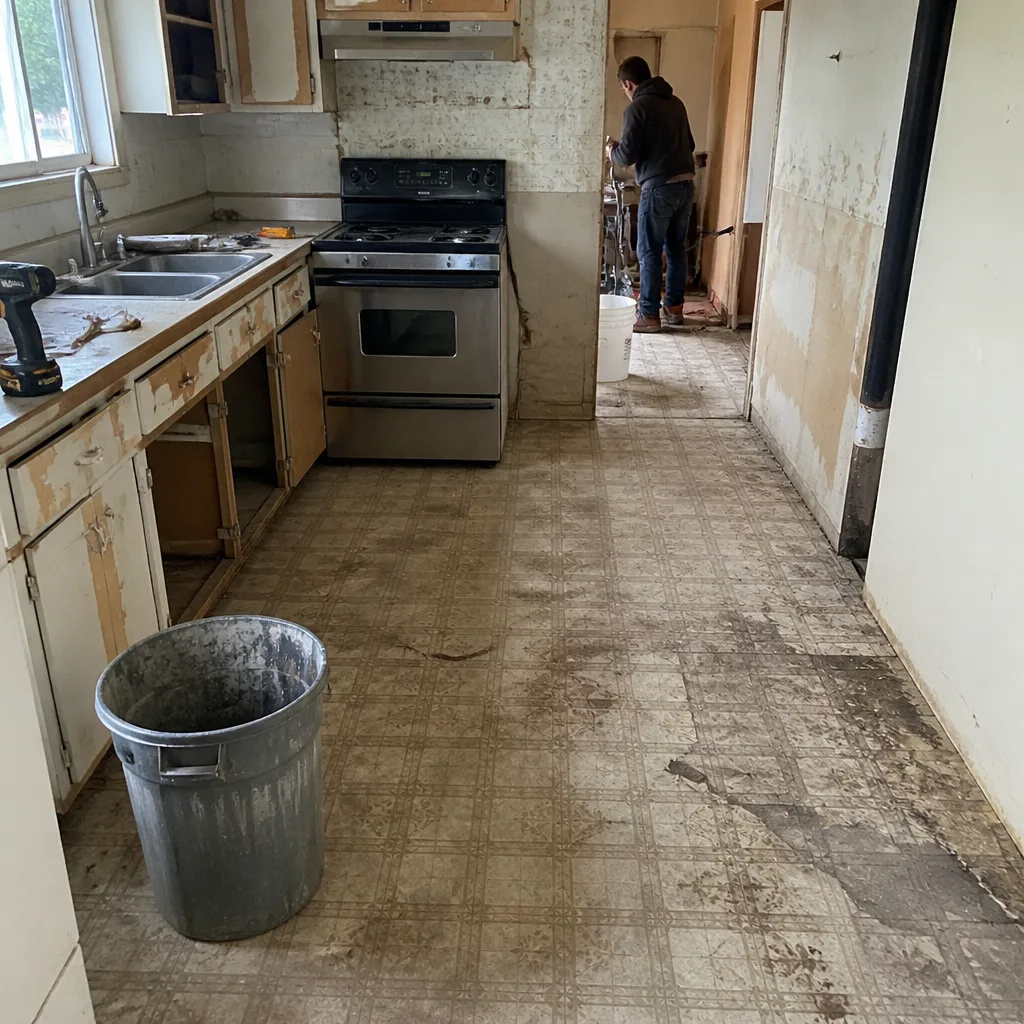 Before
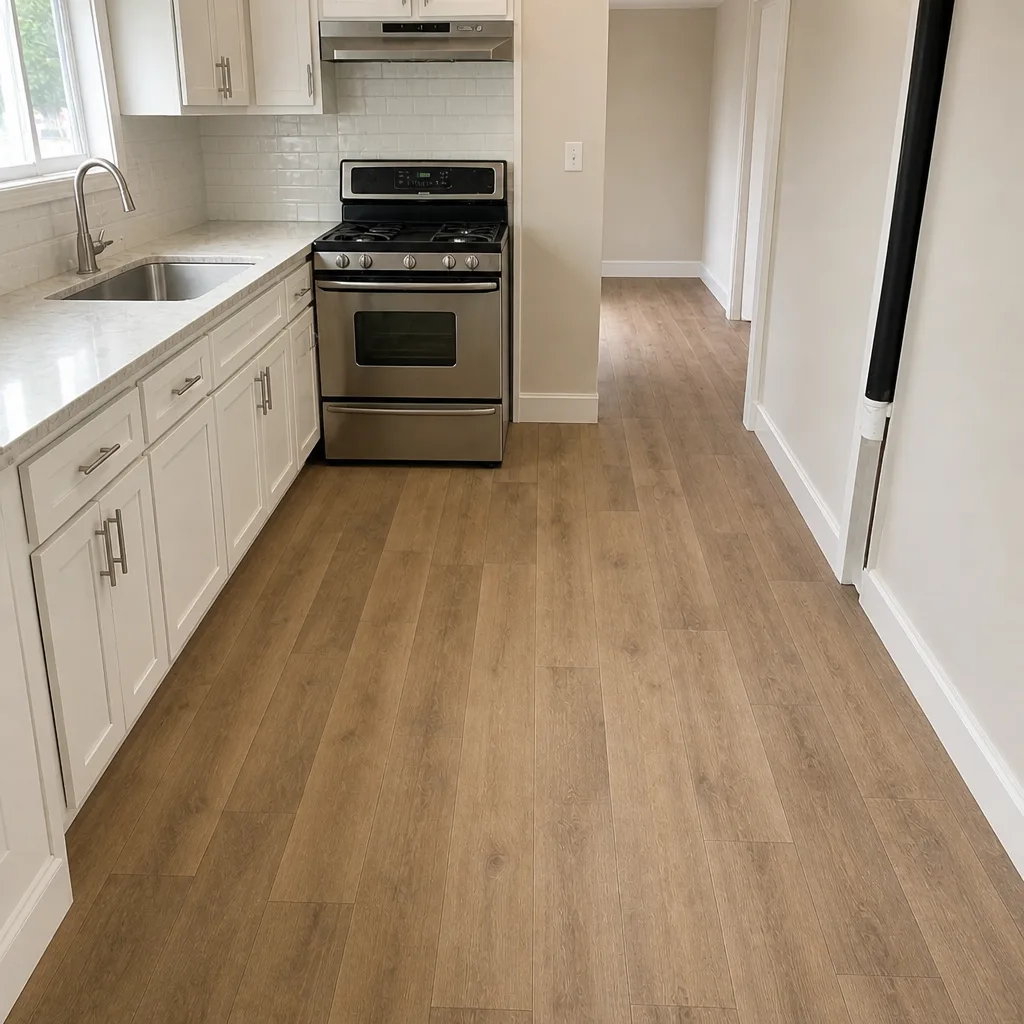 After
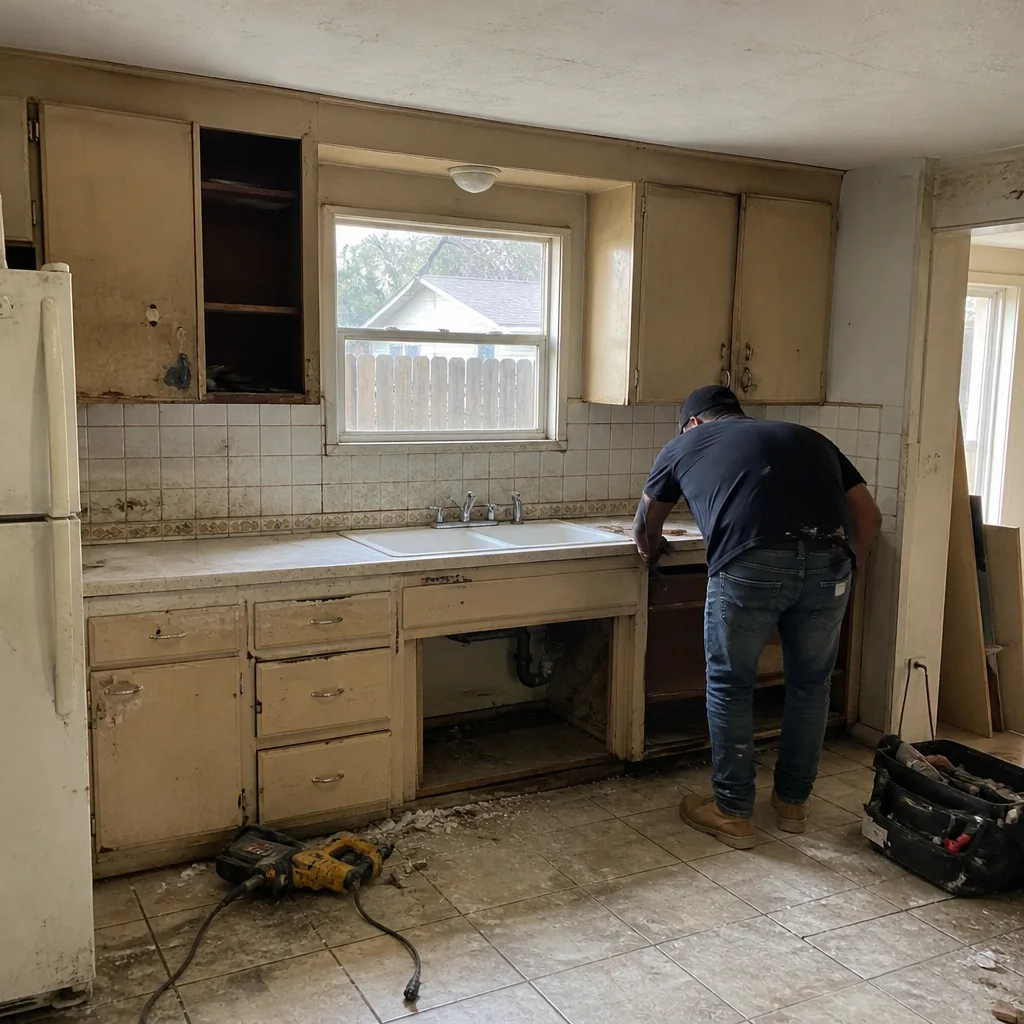 Before
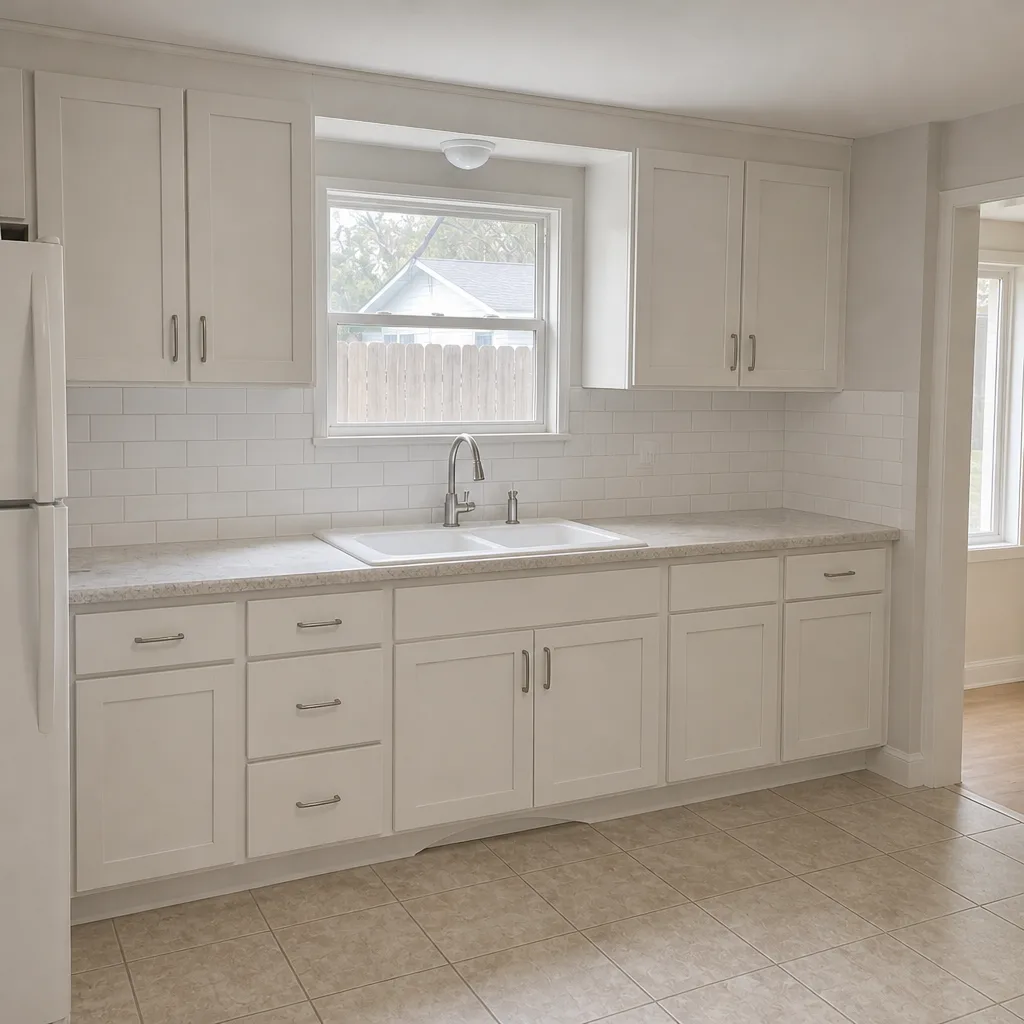 After
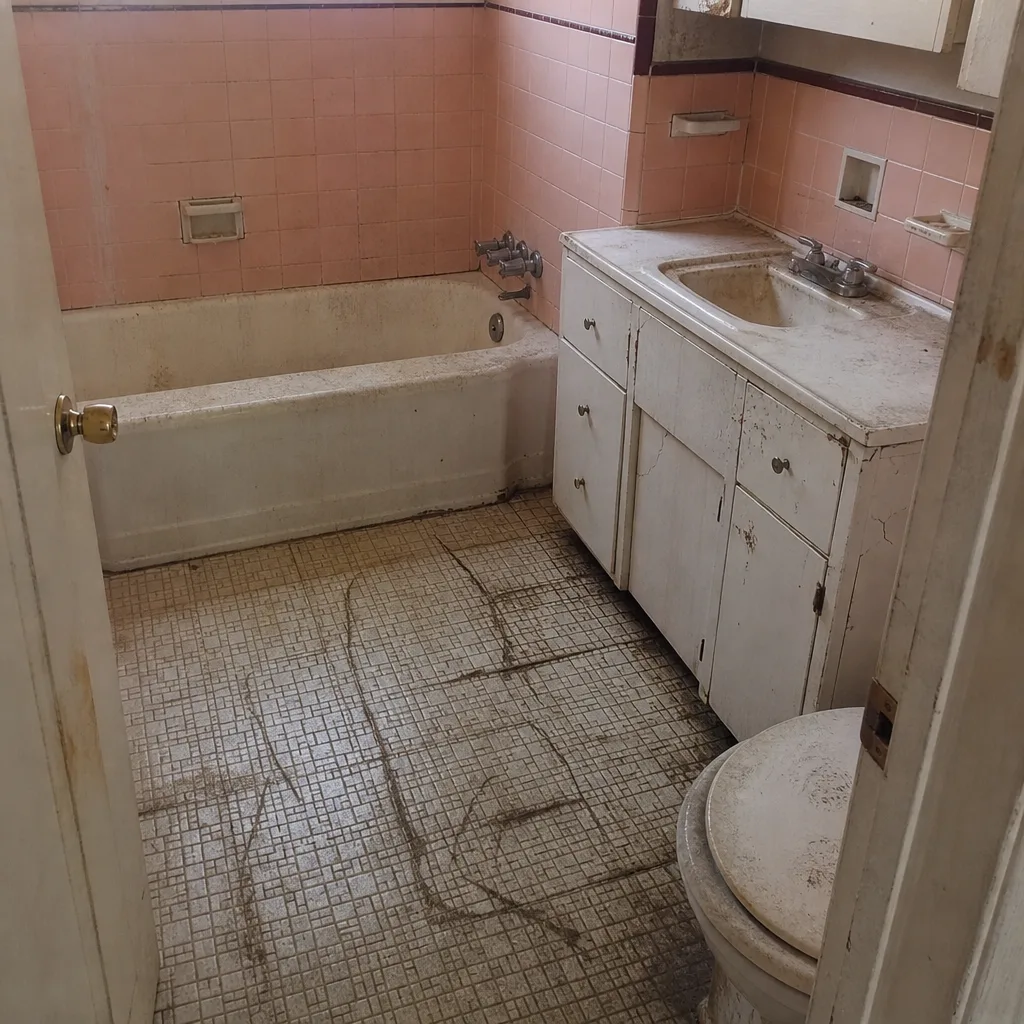 Before
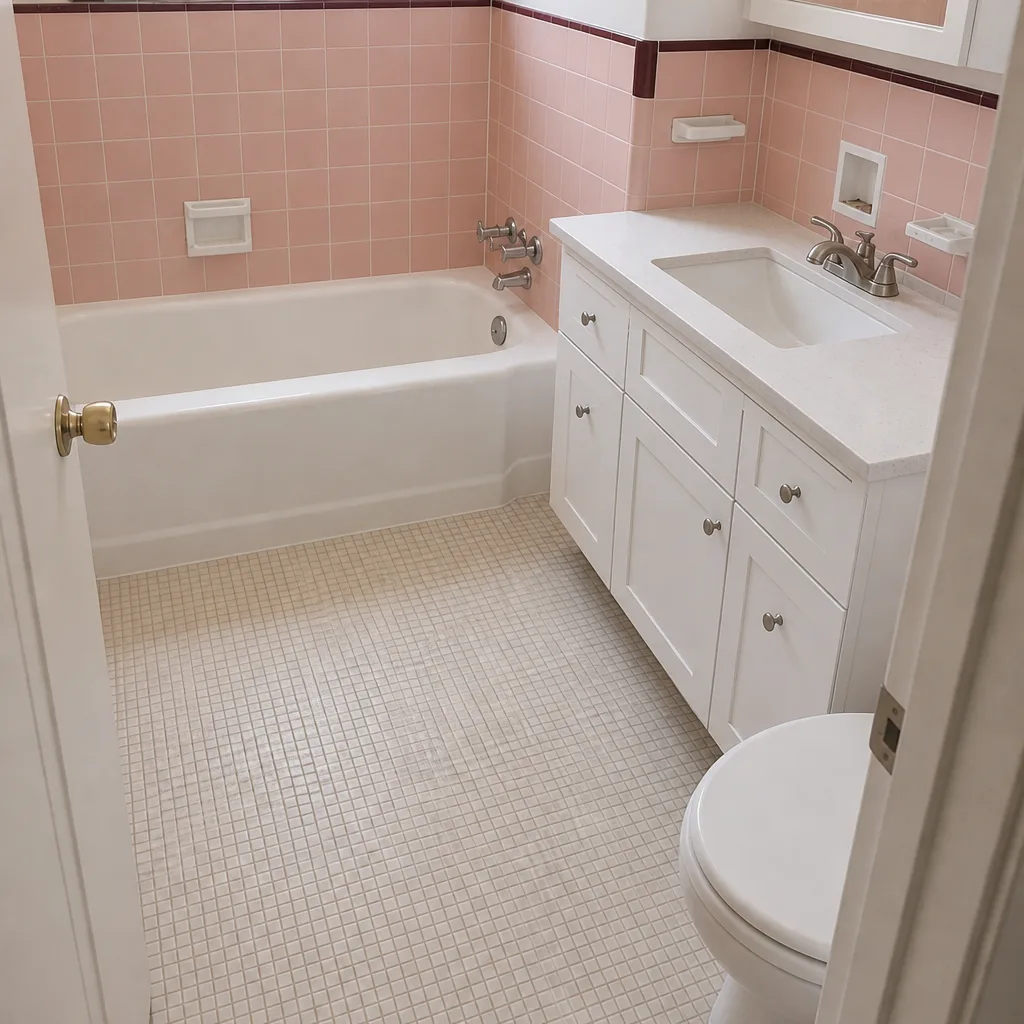 After
Frequently Asked Questions

A kitchen remodel typically takes 8 to 12 weeks, a bathroom 4 to 7 weeks, and a whole-home remodel 5 to 9 months. Pomona permit review for standard remodels can run three to six weeks, so add that on top if the permit hasn’t been submitted yet. Call (833) 620-5046 for an exact timeline on your project – estimates are free.
Over-the-counter projects usually clear in a day to a week, while plan review for kitchens and bathrooms runs three to six weeks. Larger structural work and additions can take longer. Once the permit is submitted you can check its status yourself with the permit number. Call (833) 620-5046 to talk through the permit path for your scope.
No, not for the scope in your written contract. The number on day one is the number on the invoice, and any change to scope gets a written change order with a price before it’s made. Call (833) 620-5046 to get your written price before any work starts.
Yes, we handle the permit application, plan submissions, and the inspection schedule with the Pomona Building & Safety Division. You get the permit number so you can track the status yourself. Call (833) 620-5046 to talk about your project scope and the permits it needs.
Most overruns come from permit review, long-lead material delays, and subcontractor double-booking, not from construction itself. A written milestone schedule shows those gaps in week one, so they don’t surprise you later. Call (833) 620-5046 for a free estimate with a written schedule.
Every Penhallow project carries the 365-Day Done Right Promise: if something fails inside the year, we come back and fix it at no charge, and we don’t charge a service call or re-inspection fee. Call (833) 620-5046 to schedule your free estimate.
The Bottom Line
Project timelines blow up because permit wait times, material lead times, and subcontractor scheduling gaps hide in the schedule, not because construction is slow. A realistic kitchen remodel runs 8 to 12 weeks, a bathroom 4 to 7, and a whole-home project 5 to 9 months, with Pomona permit review adding three to six weeks if it hasn’t been submitted. The protection is a written schedule with inspection windows, material order dates, and a defined completion date, plus a written price and a written guarantee before any work starts. Get those three things in writing and the job will run the way it was planned.
Call (833) 620-5046 for a free estimate and a written schedule you can hold us to. Penhallow Remodeling Pomona is licensed, insured, and bonded, with technicians who are background-checked and arrive in uniform, and a live person answers the phone 24/7.
Written by the team at Penhallow Remodeling Pomona.