


Free written scope consultation - allowances, timeline, and change-order rules on paper before a single trade is scheduled
Styles & brands we work with
- Kitchen remodeling
- Bathroom remodeling
- Home additions & ADU
- Roofing
- Windows & doors
- Driveway & pavers
- Fence
See the difference
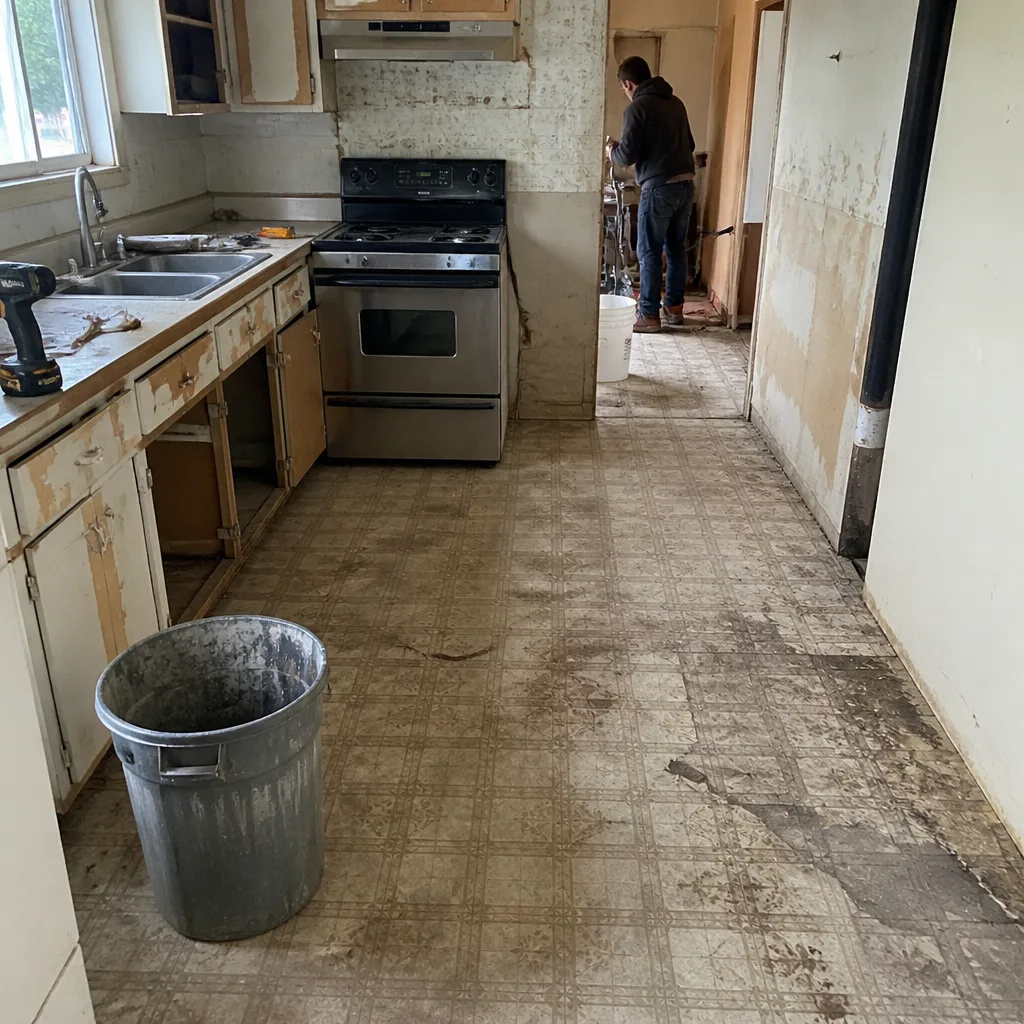 Before
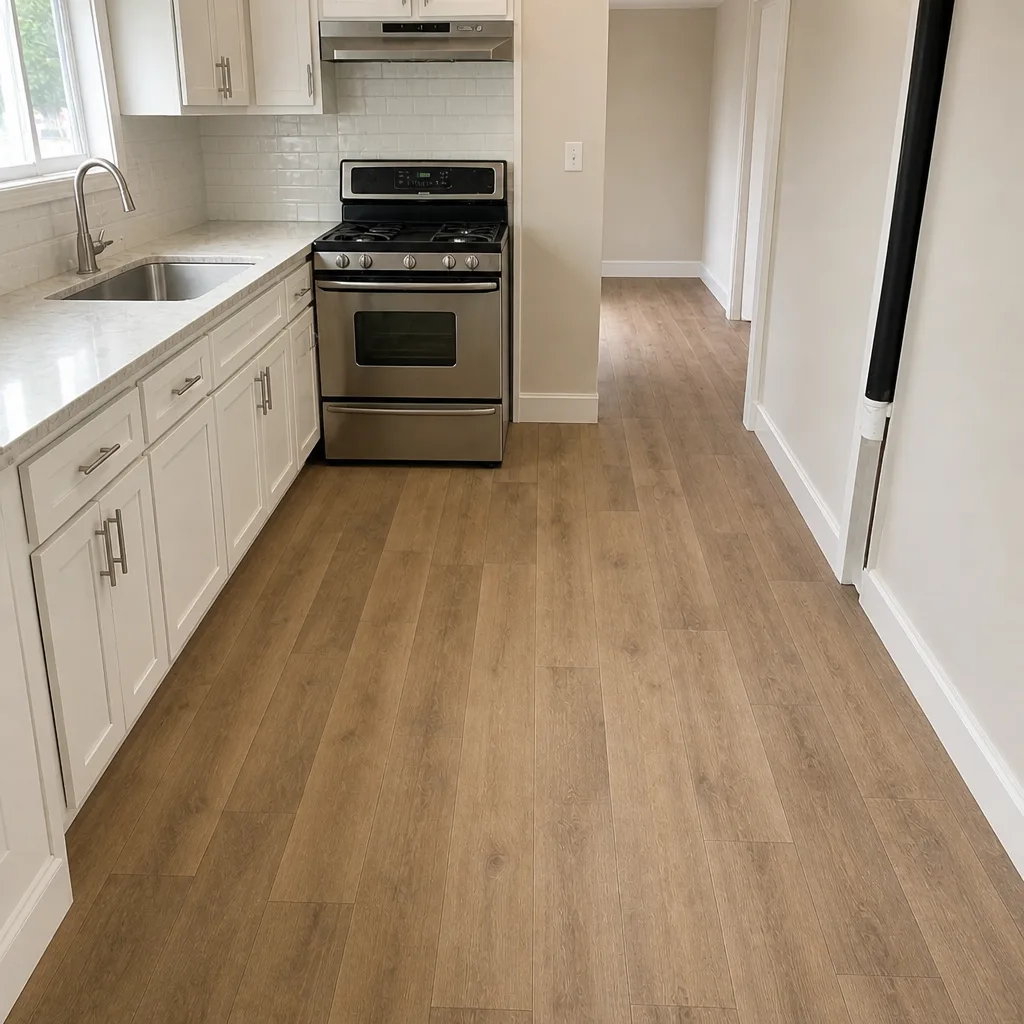 After
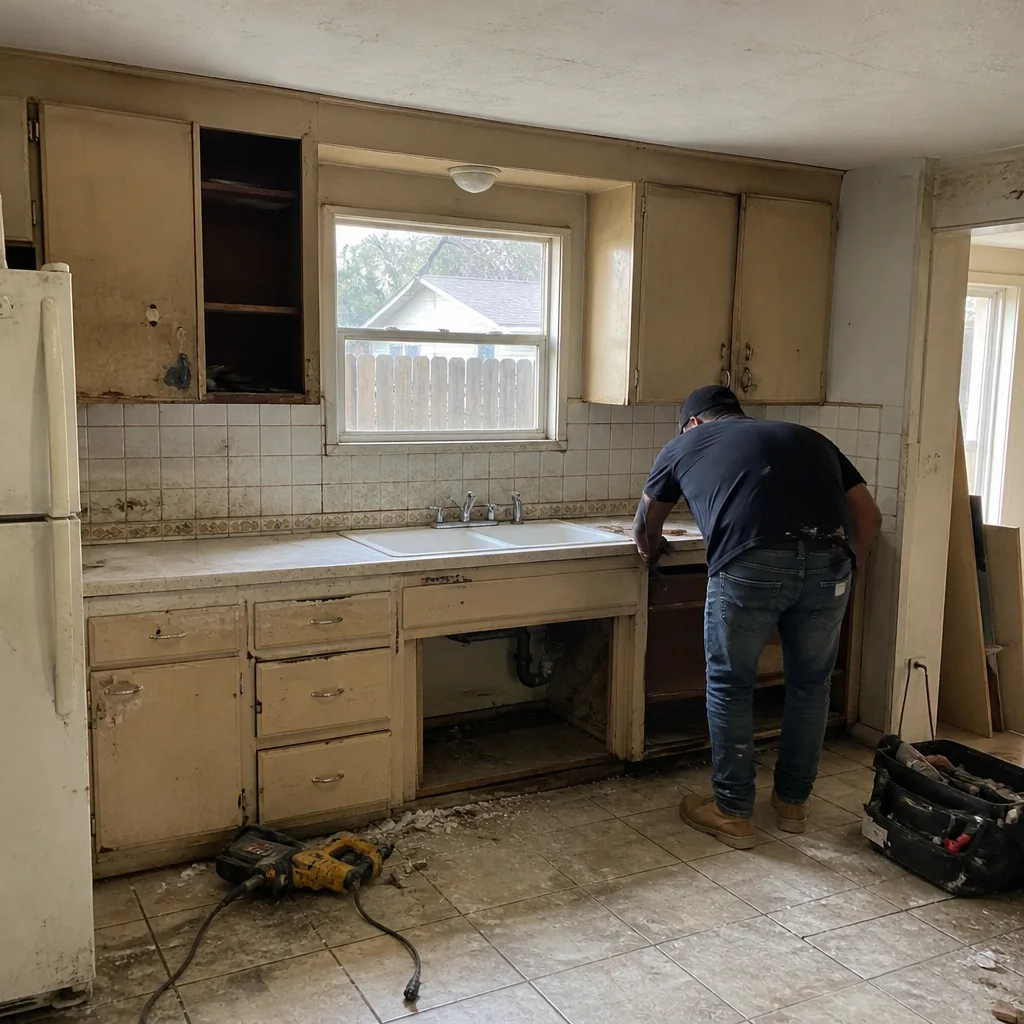 Before
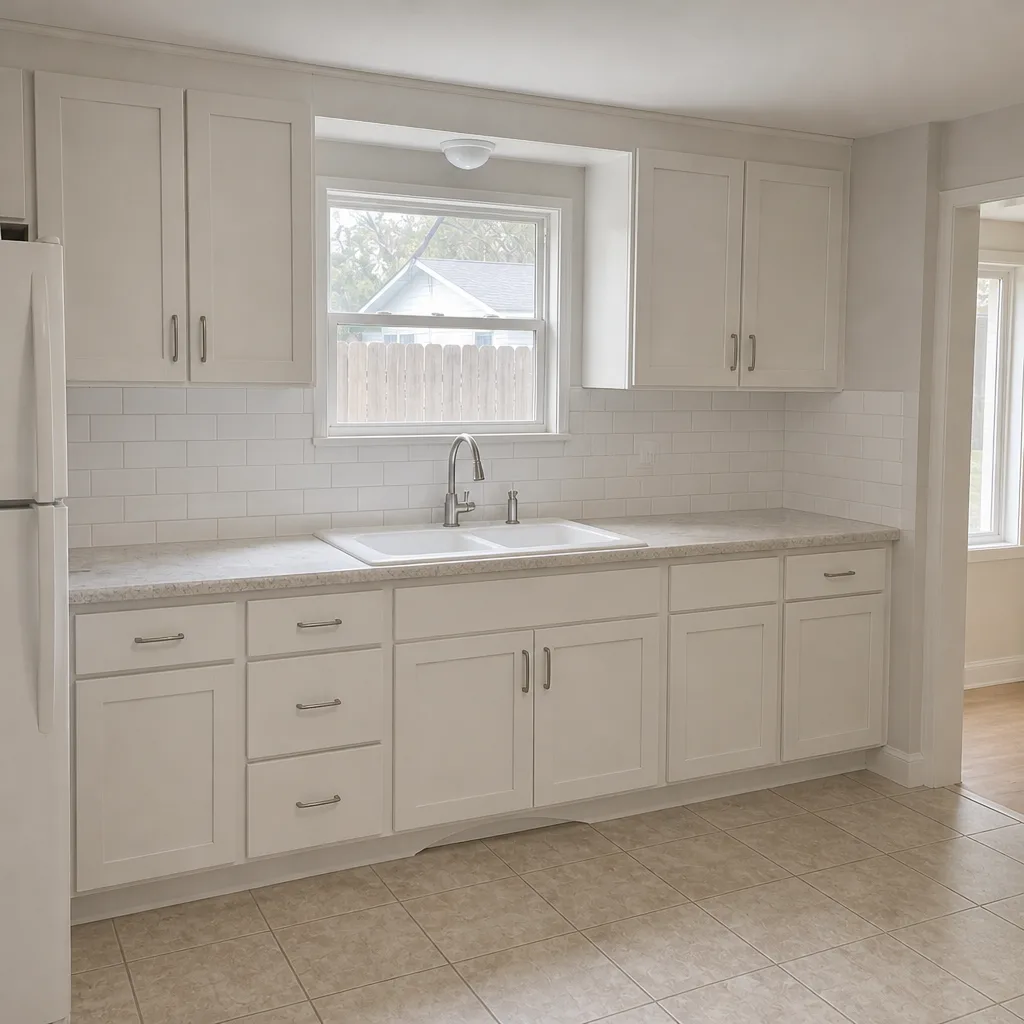 After
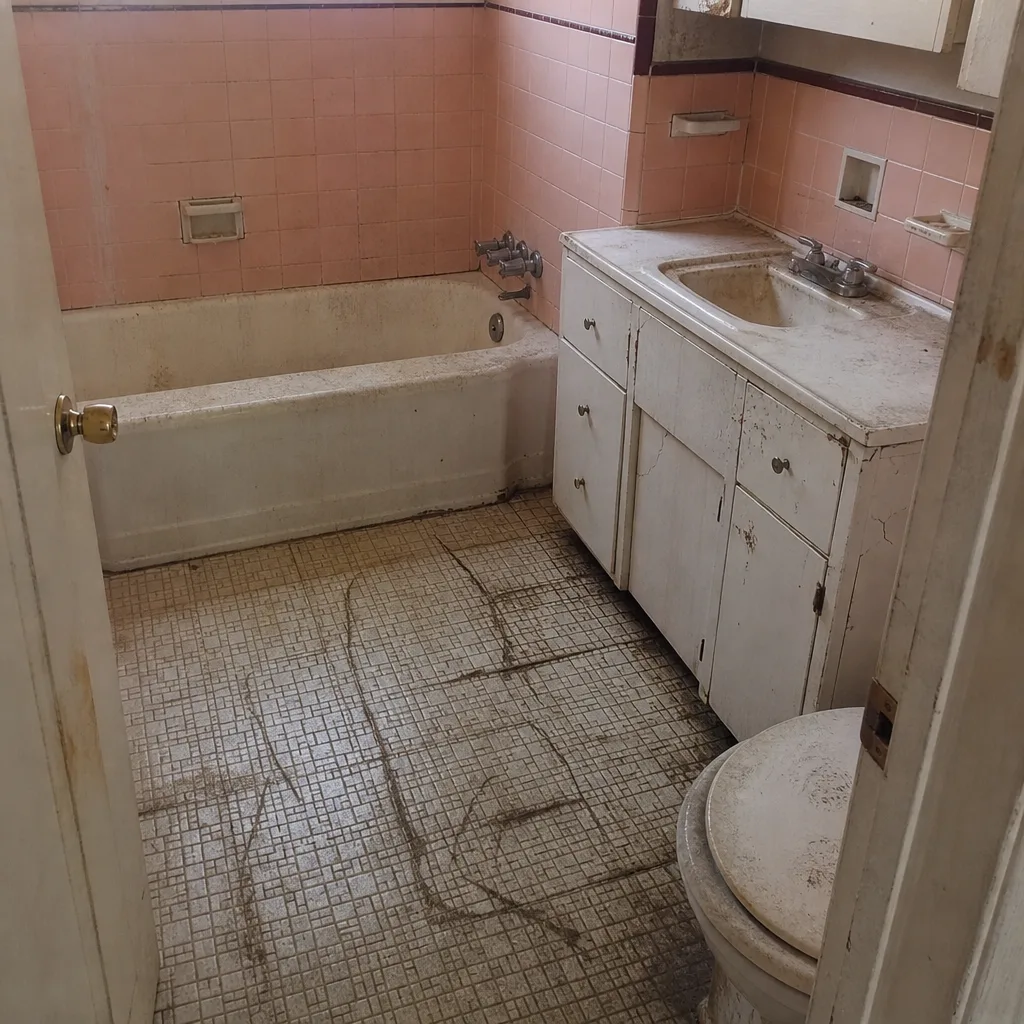 Before
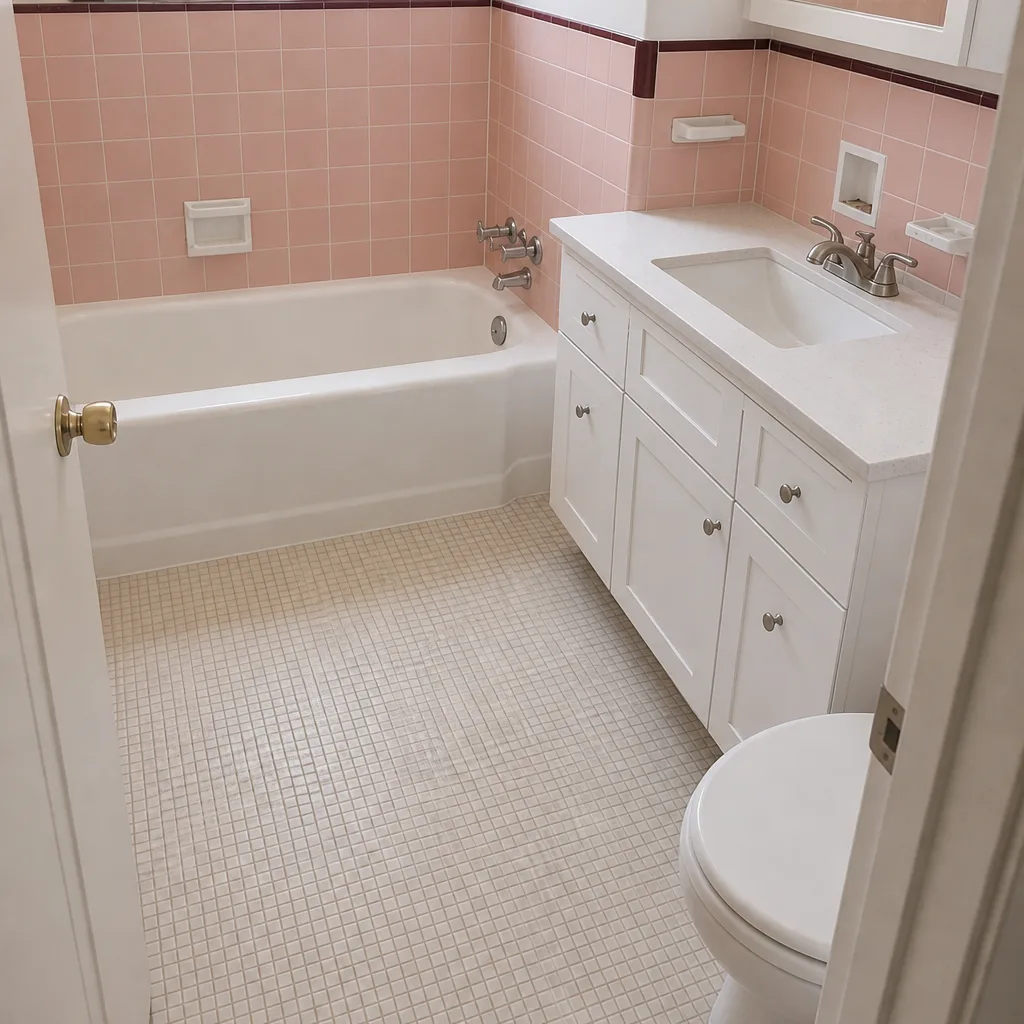 After
How to Choose a General Contractor in Pomona, CA: Fit Beats Credentials
Choose a general contractor in Pomona by testing project fit, not just credentials: ask whether they’ve pulled permits in the City of Pomona itself, whether they’ve worked under historic-designation conditions, and whether they’ll put a fixed price and a real guarantee in writing before demo day. A contractor can be licensed, insured, and experienced and still be wrong for your job. This page shows you how to sort the generalists from the people who’ve actually done the work in Pomona’s older housing stock. Call Penhallow Remodeling Pomona at (833) 620-5046 for a written price and free estimate.
Why “Check Their License and Get Three Bids” Only Gets You Halfway
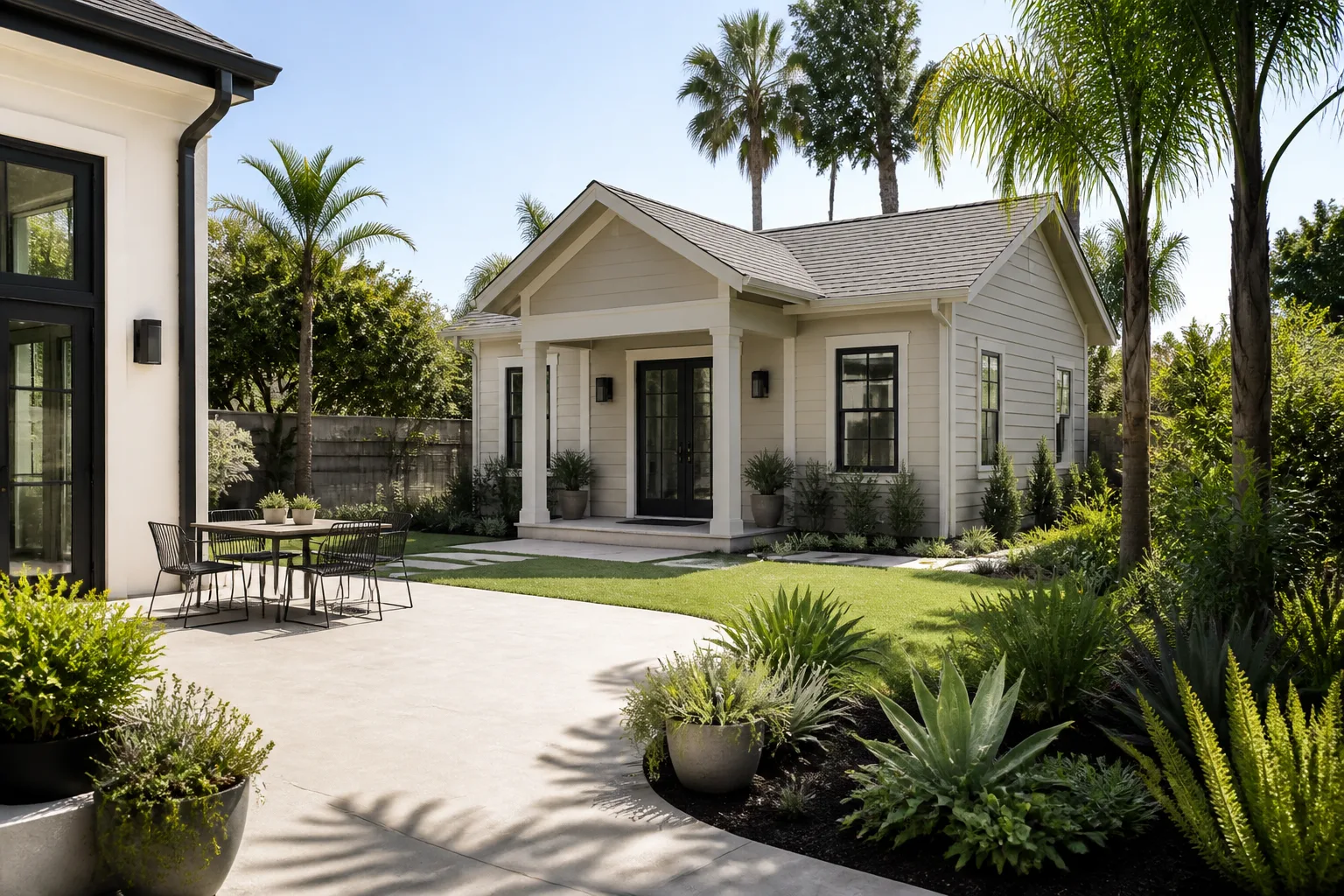
License and three bids are the floor, not the ceiling. Pomona sits at the eastern edge of LA County where the San Gabriel Valley meets the Inland Empire, and its construction market is genuinely split. You’ve got a big stock of pre-1950s single-family homes around downtown and the Lincoln Park historic core, a heavy base of mid-century tract housing built for the postwar blue-collar workforce, and an active wave of ADU and lot-split conversions on oversized R-1 parcels. That mix means the contractor who’s perfect for a Lincoln Park exterior is not automatically the right call for a rear-yard garage conversion.
Three types of work live side by side in Pomona, and they reward different skills:
- Historic-core renovation. Window swaps, additions, and exterior remodels in designated and eligible blocks often trigger historic-review and design-guideline conditions that a contractor working out of Chino or Ontario has simply never navigated.
- Postwar tract-home updates. California bungalows and Spanish Colonial Revival homes from the 1920s through the 1950s, many still carrying original knob-and-tube or early wiring under the stucco.
- ADU and lot-split infill. Garage and rear-yard conversions under LA County’s more rigorous permitting, on lots large enough to make the numbers work.
Knowing which bucket your project falls into is the first step. Matching a contractor to that bucket is the whole game. Our home remodeling services in Pomona are organized around exactly this sorting, and it’s worth understanding before you make a single call.
The Project-Type Fit Test: Two Questions That Sort Everyone
Ask any candidate two questions before you talk budget. The answers sort generalists from specialists in about thirty seconds.
First: “Have you pulled permits specifically in the City of Pomona?” Not “in LA County.” Not “all over the area.” Pomona has its own permitting and its own historic-designation review for older neighborhoods, on top of the county’s requirements. A contractor who’s only worked county jobs to the west may be perfectly competent and still misjudge how long your approval will take or what the plan checker will actually want to see.
Second: “Have you worked on a property with historic-designation conditions?” If your home is in the Lincoln Park area or the downtown historic core, this one matters more than years in business. Design guidelines can restrict window profiles, siding materials, and even visible hardware. A contractor who’s never read a Pomona historic review staff report will learn on your dime.
Local conditions that add to the test
Pomona’s climate shapes the work, too. It’s hot, dry, and smoggy in the eastern San Gabriel Valley, with Santa Ana wind events that push fire-resistant roofing, ember-resistant vents, and defensible-space detailing onto hillside and foothill-edge lots. A roofer or framer who works year-round in cooler coastal conditions will schedule and detail your job differently than someone who knows the heat and the wind. If your project touches the exterior, ask how they sequence around summer heat and wind-driven ember exposure. The answer tells you whether they’ve actually built here.
The Written-Price Test: Why a Fixed Number Before Work Starts Protects You Most in Pomona
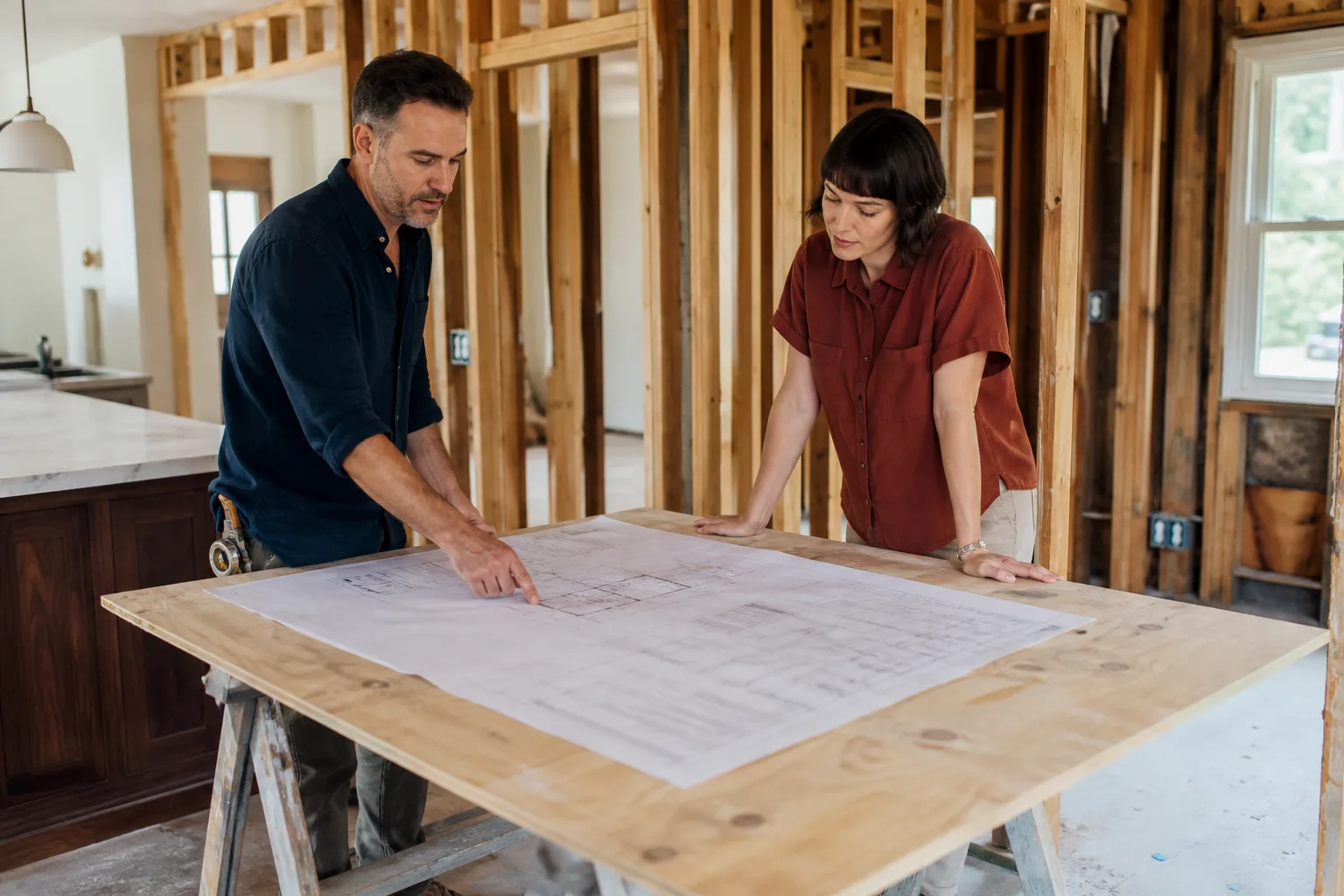
Any contractor who won’t put a written fixed price in front of you before work begins is, whether they say so or not, planning to adjust the number at the door. In Pomona’s older housing stock, that exposure is at its highest. Open a wall in a 1935 bungalow and you may find original wiring, out-of-plumb framing, or a prior owner’s creative plumbing. Surprises are normal. The question is who carries the risk of them.
With a written price, you do not. That’s the standard we hold ourselves to: say the price before the work, show up in the window we gave, and leave the place cleaner than we found it. It’s the same discipline behind our kitchen remodeling and whole-home projects, where the number on day one is the number on the invoice.
To test a candidate, ask flat out: “Will you give me a written price before any work starts, or only an estimate range?” Then watch what happens to the language. Vague answers today become change orders in Week Three.
What real Pomona project work costs
Numbers make the conversation concrete. Here are ranges we see in Pomona’s market, which is shaped by older homes that need more substrate repair and by LA County permit timelines:
| Project | Typical range |
|---|---|
| Kitchen remodel | $14,000-$45,000 |
| Small kitchen remodel | $9,000-$20,000 |
| Bathroom remodel | $9,000-$28,000 |
| Home addition | $45,000-$130,000 |
| ADU construction | $90,000-$220,000 |
| Garage conversion | $30,000-$80,000 |
Use these as a sanity check. A bid that lands far under the low end of a garage conversion in Pomona is usually a bid that hasn’t accounted for permits, and the difference shows up later. If your project is an ADU, our pieces on ADU and garage conversion work and home additions explain what drives the number up or down.
What to Look for in a Warranty (Most “1-Year Workmanship” Language Is Unenforceable)
A “1-year workmanship warranty” is standard phrasing that often can’t be enforced. It doesn’t name a process, a response time, or what actually happens when something fails. The difference between that and a real commitment is like night and day.
Look for a named, written promise with a specific process. Ours is the 365-Day Done Right Promise: if the work fails inside the guarantee period, we come back and fix it at no charge, and it’s written into every project. If a repair ever fails, the return visit is free; no service call, no re-inspection fee. That is a materially different commitment from a sentence in a bid.
When you compare contractors, ask each one to show you the warranty in writing and point to where it says what happens if the work cracks, leaks, or separates. If they can’t hand you the document, the promise doesn’t exist. And because the products matter as much as the promise, we install materials that carry their own coverage: Cambria quartz countertops, Therma-Tru entry doors, and James Hardie siding, each backed alongside our guarantee.
Background Checks, Uniforms, and the 24/7 Phone Test
Background-checked technicians who arrive in uniform matter for more than comfort. The presence of a formal vetting process tells you something concrete: the company runs real procedures, which correlates with whether they also run formal permitting and warranty processes. A firm that screens everyone who walks into your home is a firm that probably documents the job, pulls the right permits, and has a paper trail when something needs fixing.
The phone is the other signal, and it’s the easiest one to test. Call a contractor at 8 p.m. and see what happens. A voicemail maze at the front end predicts a voicemail maze six months later when the tile grout cracks. We keep a live person on the line 24/7, no answering service and no callback window, because how a company answers the phone the first time is a reliable preview of how it answers after the job is done.
Our technicians bring up to 22 years of experience, and the standard is steady on every job. If your project involves an aging Pomona home, the fixes are rarely cosmetic. Our bathroom remodeling and roof replacement guides walk through what older housing stock actually needs.
Key Takeaways
- License and three bids are the floor. Test project fit with two questions: Pomona-specific permits and historic-designation experience.
- Pomona’s mixed housing stock (pre-1950s historic core, postwar tract homes, ADU infill) means the right contractor varies by project type.
- Demand a written fixed price before work starts. In older homes, the person who won’t commit is carrying the surprise risk on your behalf.
- Ask to see the warranty in writing. A named 365-day guarantee with a fix-it process beats “1-year workmanship” language every time.
- Background checks, uniforms, and a live 24/7 phone answer are process signals. Test the phone before you hire.
FAQs
Ask directly whether they’ve worked under historic-designation conditions and whether they’ve pulled permits in the City of Pomona specifically. A contractor who’s navigated historic-review and design-guideline conditions will speak fluently about window profiles, siding, and review staff reports; one who hasn’t will go vague. Call (833) 620-5046 if you want us to look at your property and tell you what your project will actually trigger.
It depends on what’s behind the walls, which is why the written-price test matters so much. In a 1920s-1950s Pomona home, knob-and-tube or early wiring, clay-tile roofs, and detached garages frequently turn a small remodel into a substrate and systems job. A contractor who walks the home and writes a fixed number before demo is protecting you from the repair-versus-replace surprise. A kitchen remodel here runs $14,000-$45,000 and a bath $9,000-$28,000, and the condition of the existing build drives where in that range you land. Call for an exact quote; estimates are free.
A named, written promise with a specific process for making it right, not just “1-year workmanship.” Look for language that says what happens if the work fails, whether the return visit is free, and how long the coverage lasts. Our 365-Day Done Right Promise is written on every project and pairs with a free return visit if a repair fails. Ask each bidder to hand you their warranty document; if they can’t, that’s your answer. Call (833) 620-5046 to see ours.
Yes, but ask whether they’ve actually done it in Pomona, on lots like yours. ADU and garage-conversion work here runs on oversized R-1 parcels, and county permitting is more rigorous than what contractors from neighboring cities routinely handle. Expect $90,000-$220,000 for a full ADU and $30,000-$80,000 for a garage conversion. A contractor who’s pulled these permits in Pomona can tell you the real timeline; one who hasn’t will guess. Call for a free estimate and a written scope.
If you’d rather have it looked at, Penhallow Remodeling Pomona offers a no-pressure assessment in Pomona. We’ll give you a written price before any work starts and a guarantee in writing to go with it. Call (833) 620-5046 for a free estimate.
Written by the team at Penhallow Remodeling Pomona, serving Pomona, CA.