Last updated November 18, 2026



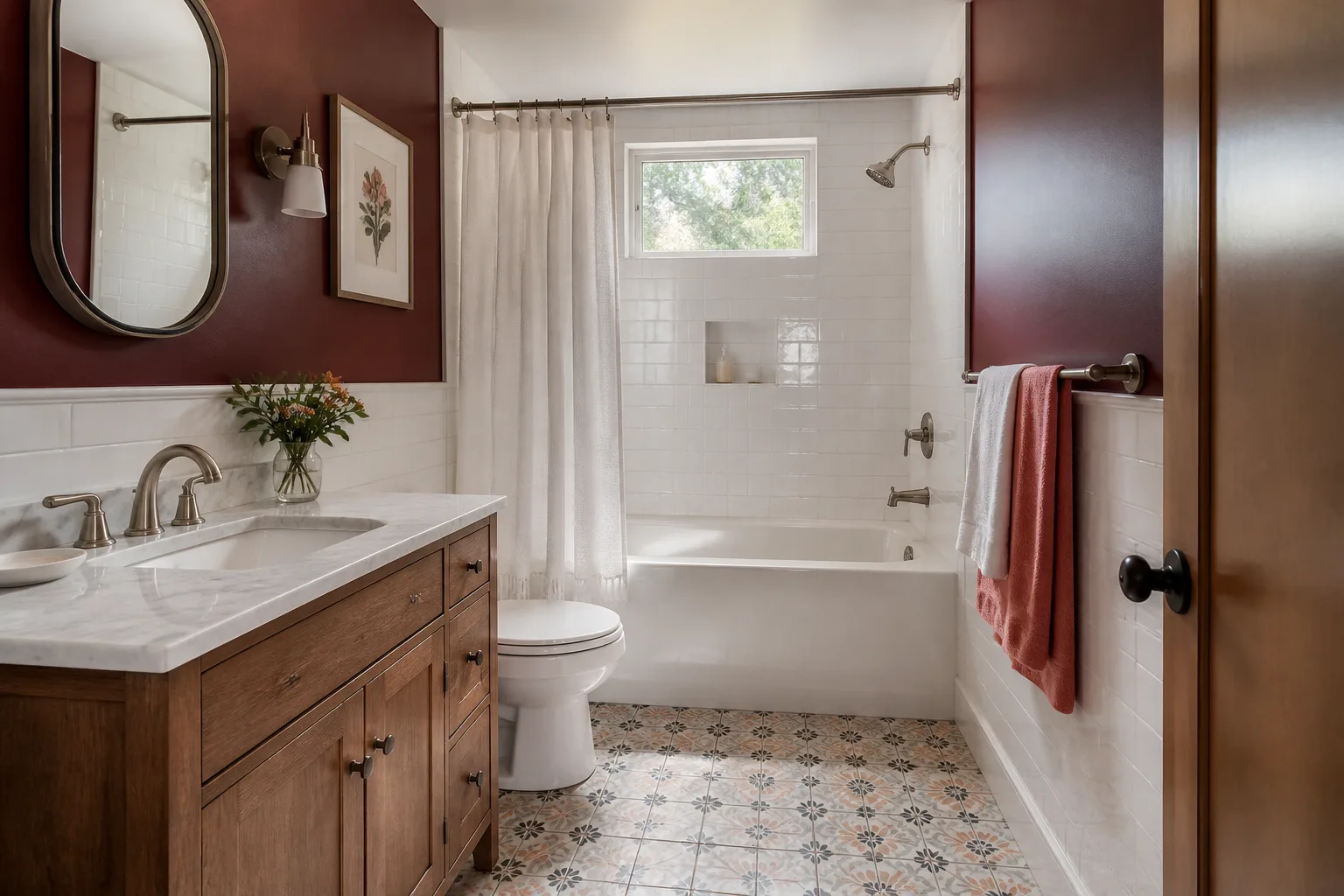
Free written scope consultation - allowances, timeline, and change-order rules on paper before a single trade is scheduled
The Complete General Contractor Guide for Pomona Homeowners
The Pomona Building & Safety Division requires permits for work that contractors in neighboring cities often handle without one, and homeowners who don’t know that end up paying twice when the first inspection fails. That’s not a scare tactic – it’s the single most common, most expensive surprise we see on projects here. This guide maps the actual local process for hiring a general contractor in Pomona: which permits get triggered, how to read a license lookup, why your written scope matters more than the license number, how self-performing versus subbing GCs differ, and what a fair payment schedule looks like. Read it before you make a call.
Quick Answer
To hire a general contractor in Pomona, verify the contractor’s CSLB license status (active AND clear), get a written scope of work that itemizes materials and labor, confirm who pulls the permits, and lock in a payment schedule where no single draw exceeds the value of work completed. The best contractor isn’t the lowest bid – it’s the one who puts the price, the scope, and the guarantee in writing before demo day.
Styles & brands we work with
- Kitchen remodeling
- Bathroom remodeling
- Home additions & ADU
- Roofing
- Windows & doors
- Driveway & pavers
- Fence
Table of Contents
- Which Pomona Projects Trigger a Permit
- How to Read a California Contractor License Lookup
- Why a Written Scope Beats a License Number
- Self-Performing GCs vs. Sub-Everything GCs
- What a Fair Payment Schedule Looks Like
- Pomona Neighborhoods and What They Mean for Your Project
- The Questions to Ask Before You Sign
Which Pomona Projects Trigger a Permit
Pomona enforces permit requirements on a handful of projects that homeowners routinely assume are exempt. A permit isn’t just paperwork – each one requires an inspection at a specific stage, and a missed inspection can mean tearing out finished work. Here’s what we’ve seen trip people up:
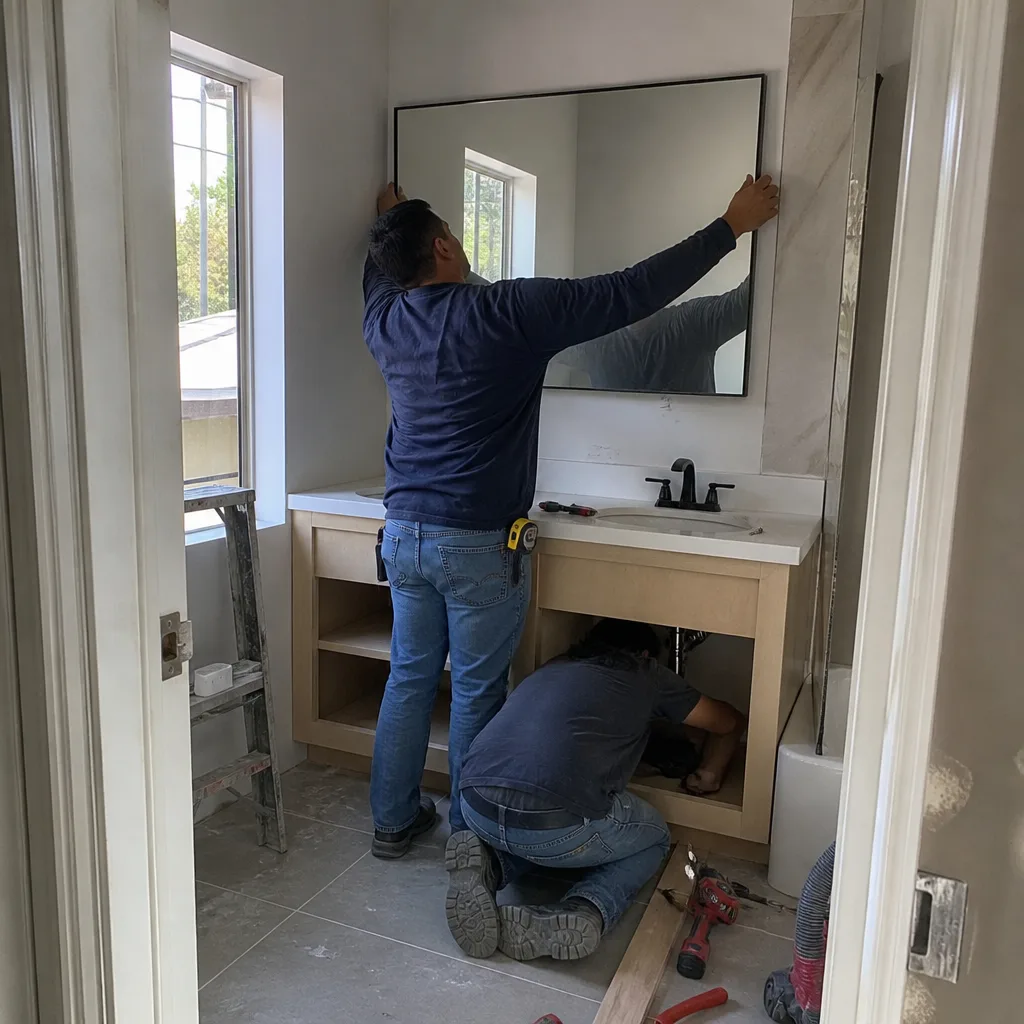
- Bathroom remodels: Moving or replacing a tub, shower, or toilet usually requires a plumbing permit. Relocating fixtures means permits and a rough-in inspection before any tile goes down.
- Kitchen layout changes: Swapping a cabinet in place doesn’t trigger much, but moving a gas line for a new range does. Gas work in Pomona requires a permit and a licensed inspection, period.
- Electrical panel upgrades: Any change to your service panel, even swapping a 100-amp to a 200-amp, requires a permit and inspection.
- Water heater replacement: A like-for-like swap often needs a permit; a tankless conversion almost always does.
- Structural changes: Removing a wall, adding a beam, or cutting a new opening requires engineering and permits. “It’s not load-bearing” is a phrase that should always be followed by a stamp.
- Window replacement: In Pomona, replacing windows often triggers Title 24 energy compliance requirements, which affects which glazing you can install.
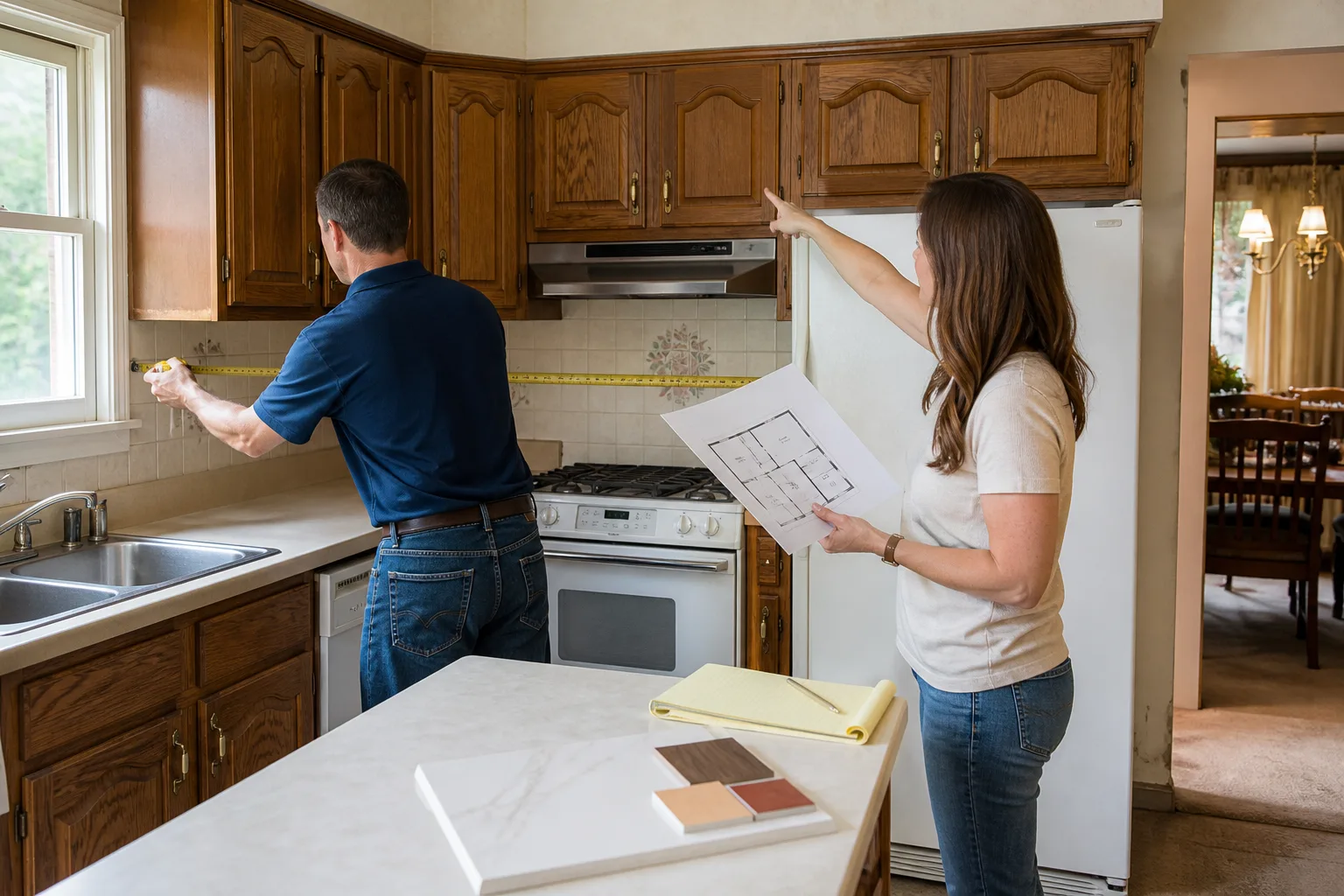
We’re seeing this on kitchens and baths every week: a homeowner gets a verbal “you don’t need a permit for that” from one contractor, then a different contractor pulls the permit and the inspection fails because the earlier work wasn’t to code. The fix costs more than the permit would have. If you’re planning a kitchen remodel in Pomona, ask upfront who pulls the permits and who pays for re-inspection if something fails.
How to Read a California Contractor License Lookup
Every licensed contractor in California has a license record through the Contractors State License Board (CSLB). Homeowners check it and stop at “Active.” That’s not enough. Here’s how to read the result properly:
- Status – Active is the first box. Active means the license hasn’t been suspended or expired. This is the minimum.
- Clear is the second box. “Clear” is a separate field. A license can be Active but not Clear if there’s a pending disciplinary action. If it says anything other than “clear,” walk away until it’s resolved.
- Classification – check the letter. A general building contractor is a “B” classification. A “C” classification means a specialty trade (C-36 plumbing, C-10 electrical, etc.). A “B” license lets a contractor take a whole-project job. A specialty license doesn’t.
- Bond and workers’ comp status. Every active license shows bonding and workers’ comp fields. A contractor without workers’ comp and with employees is a red flag.
- Expiration date. A license two weeks from expiring means your project could be delayed while it’s renewed. Not a dealbreaker, but ask.
“Active” tells you the contractor exists. “Clear” tells you they haven’t done something wrong recently. Both boxes matter – and so does knowing the difference before you hand over a deposit.
Why a Written Scope Beats a License Number
A license number proves a contractor is legally allowed to work. It doesn’t prove they’ll deliver the project you actually asked for. We’ve worked with homeowners who had a clean, active, clear license on their previous contractor – and still ended up with a $12,000 change order because the scope said “replace flooring” and never specified the material, subfloor prep, or transition strips.
A written scope of work should itemize, at minimum:
- Every room being touched, and the condition it must be in when the job is done
- Materials by brand and product line (this is where vague scopes hide expensive substitutions)
- What’s included: demo, disposal, permits, inspections, cleanup
- What’s explicitly excluded, so you’re not surprised by an upcharge later
- The change-order process: how changes are priced, approved, and documented
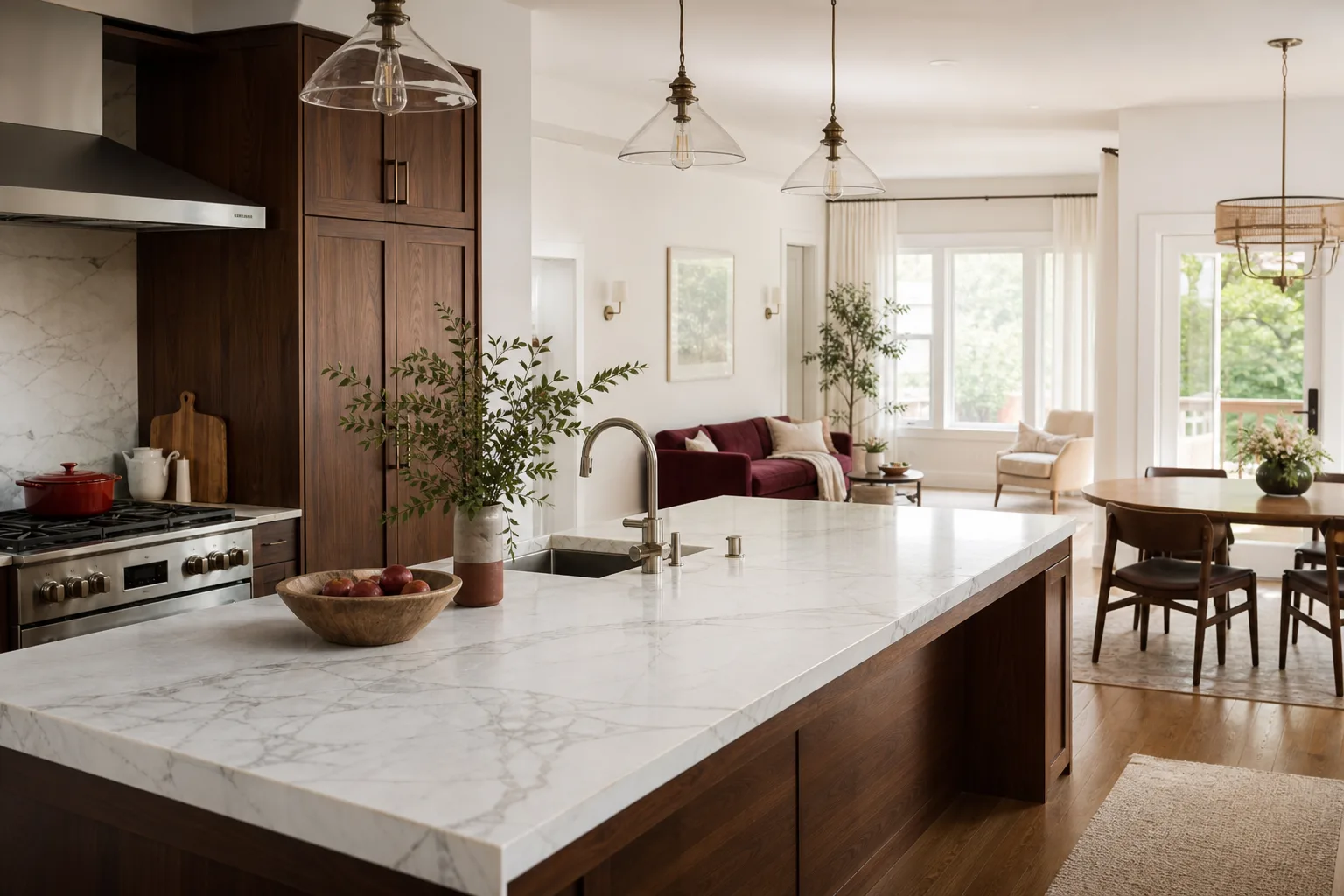
We install from recognized brands like KraftMaid and Wellborn cabinetry, Cambria, Silestone, and Caesarstone countertops, and James Hardie siding – and we name them in the scope because the brand IS the guarantee. If a contractor won’t name the product in writing, they’re reserving the right to swap it.
Before you sign anything, ask whether you’re getting a written price before any work starts. You should be. That’s how we operate at Penhallow Remodeling as a general contractor in Pomona – the number on day one is the number on the invoice.
Self-Performing GCs vs. Sub-Everything GCs
Here’s something most guides don’t explain: a general contractor may do some of the work with their own people (self-perform) or subcontract nearly all of it. Both models can work. But they change what your warranty covers.
When a GC self-performs a trade – usually carpentry, framing, or finish work – your warranty chain is short. If a door hangs wrong, you call one number. When a GC subs out a trade, the warranty “chain” runs through the subcontractor: the GC has to get the sub back on site, and if that sub has moved on or dissolved, the GC is holding the bag. Some GCs honor that; some don’t.
Ask in the interview:
- Which trades do you self-perform, and which do you sub?
- If a sub’s work fails inside the first year, who pays to make it right?
- Is your warranty in writing, and does it cover subcontracted work the same as your own?
Our answer: every repair and project comes with a written guarantee, and the 365-Day Done Right Promise means if something we (or a sub we hired) installed fails inside a year, we come back and fix it at no charge. That’s in writing on every job – because verbal warranties don’t hold up.
What a Fair Payment Schedule Looks Like
California limits contractor deposits to no more than 10% of the total project cost or $1,000, whichever is less. Any contractor who asks for more than that before work starts is out of compliance. Beyond that legal floor, here’s what a fair Pomona payment schedule looks like in practice:
- Deposit: 10% or $1,000 max, signed with the contract. Never taken before the contract is signed.
- Rough-in completion draw: When framing, rough plumbing, and rough electrical pass their first inspection.
- Mid-point draw: After drywall is up and finish work is starting.
- Close-out draw: When the project passes final inspection and you’ve done a punch-list walkthrough.
- Retainage (optional): Some homeowners hold 5-10% for 30 days after punch-list completion. Ask for it if the project is large.
Red flags: asking for more than 10% upfront, asking for cash for materials before work starts, requesting a draw before any inspection passes, or a schedule that puts 80% of the cost in the first half of the project. If the payment scheme doesn’t track with visible progress, you’re fronting the risk.
We give every homeowner a written price before any work starts, so the draw schedule is set against an agreed-to number. That way nobody’s guessing at mid-project.
Pomona Neighborhoods and What They Mean for Your Project
Pomona covers a wide range of housing stock, and the honest answer is that a remodel in one part of the city is a different job than in another. A few things we’ve learned on the ground:
- Older housing stock near downtown and Lincoln Park: pre-1950s homes frequently have knob-and-tube or early cloth-wrapped wiring and original plumbing. A bathroom or kitchen remodel here usually means budgeting for electrical and plumbing upgrades the day the walls come open – not after.
- Mid-century tract homes on the south and west sides: layout changes are more common here because the original floor plans are more rigid. Wall removal happens often – and that means structural review before demo.
- Hillside and east-end properties: Pomona’s soil has a fair amount of clay and expansive soils in spots, which affects foundations and hardscape. If your project touches the slab or exterior grading, have it looked at before you order materials.
- HOA-governed communities: Pomona doesn’t have one unified HOA policy – each community has its own architectural review requirements, meeting schedules, and approved materials lists. We walk homeowners through what their specific HOA needs before we draw up a scope, because an approval that arrives six weeks late can stall a project mid-build.
We’ve seen remodels stalled for a month while an HOA board reviewed a paint color. Better to know that on day one. If you’re considering a bathroom remodel in Pomona, ask your contractor whether they’ve worked within your HOA’s review process.
The Questions to Ask Before You Sign
Go into your first meeting with this list. The contractor’s answers – and how quickly they answer – tell you more than the brochure.
- What’s your license number, classification, and current status? (Look it up before the meeting.)
- Will you pull the permits, and are the inspection fees in the price?
- What’s the written scope, and what does it explicitly exclude?
- Who’s actually in my house – your employees or subs?
- What does your warranty cover, and for how long?
- What’s the payment schedule, and how does each draw track to inspections?
- If something fails in the first year, what happens and who pays?
At Penhallow Remodeling Pomona, our answers: licensed and insured, we pull permits, written scope with written price before work starts, background-checked uniformed technicians on every job, a 365-Day Done Right Promise, and a free return visit if a repair fails – no service-call fee. A live person answers our phone any time you call.
Common Mistakes to Avoid
- Choosing on price alone. The lowest bid usually means scope that hasn’t been itemized – which becomes a change order two weeks into the job. Compare written scopes, not bottom-line numbers.
- Skipping the “Clear” status check. An Active license with a pending complaint is not the same as an Active-and-Clear license. Check both fields on the CSLB site.
- Assuming your neighbor’s contractor knows Pomona permitting. A contractor who works mostly in Claremont or La Verne may not know Pomona’s Title 24 window requirements or the bathroom plumbing permit triggers. Ask specifically about Pomona projects.
- Handing over a large deposit. Anything over 10% or $1,000 upfront is a legal red flag in California. Walk away from any contractor who asks for more.
- Not asking who pulls the permits. If the answer is “you can pull the homeowner permit,” the inspection and code compliance risk is on you – not them.
- Skipping the HOA review. In HOA-managed properties, an unapproved material or paint color means redoing work at your cost after the fact.
- Accepting a verbal warranty. “We stand behind our work” isn’t a warranty. Get the coverage period, what’s covered, and the fix process in writing before you sign.
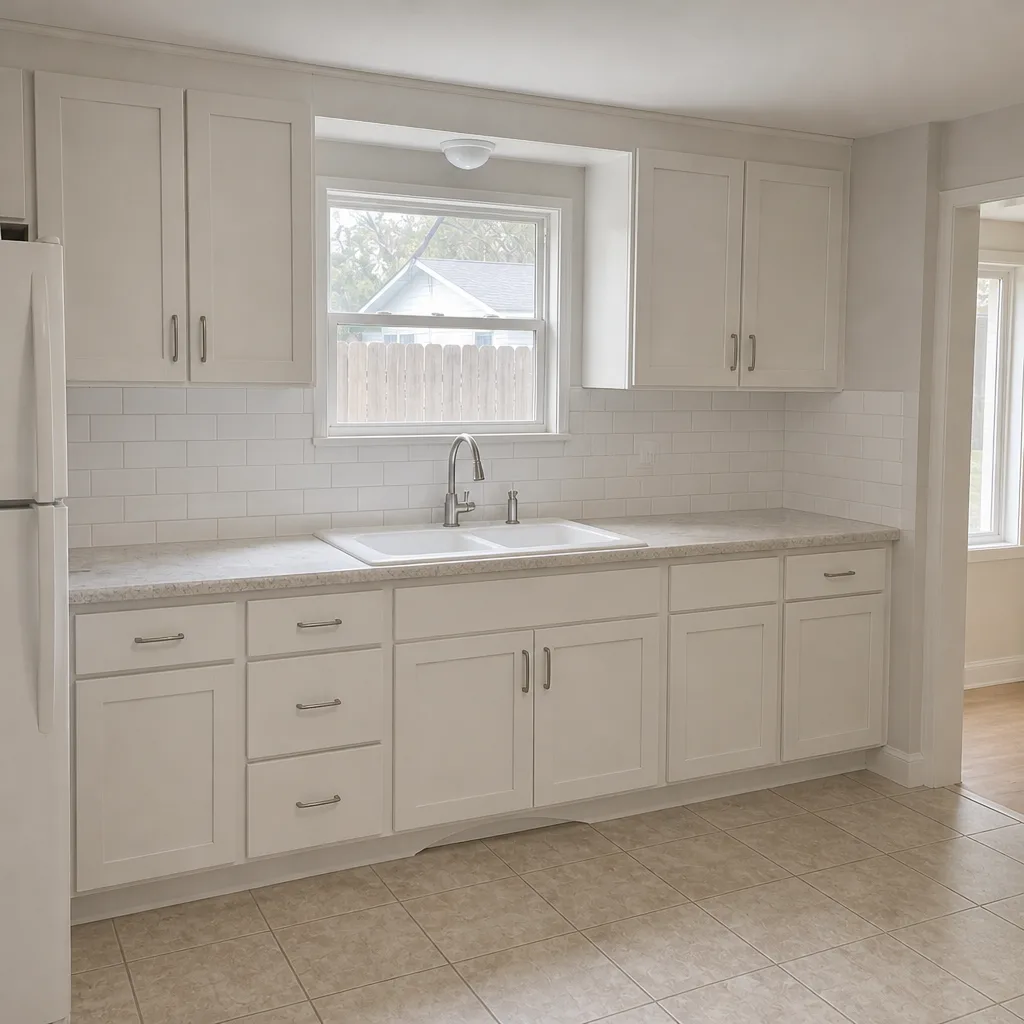
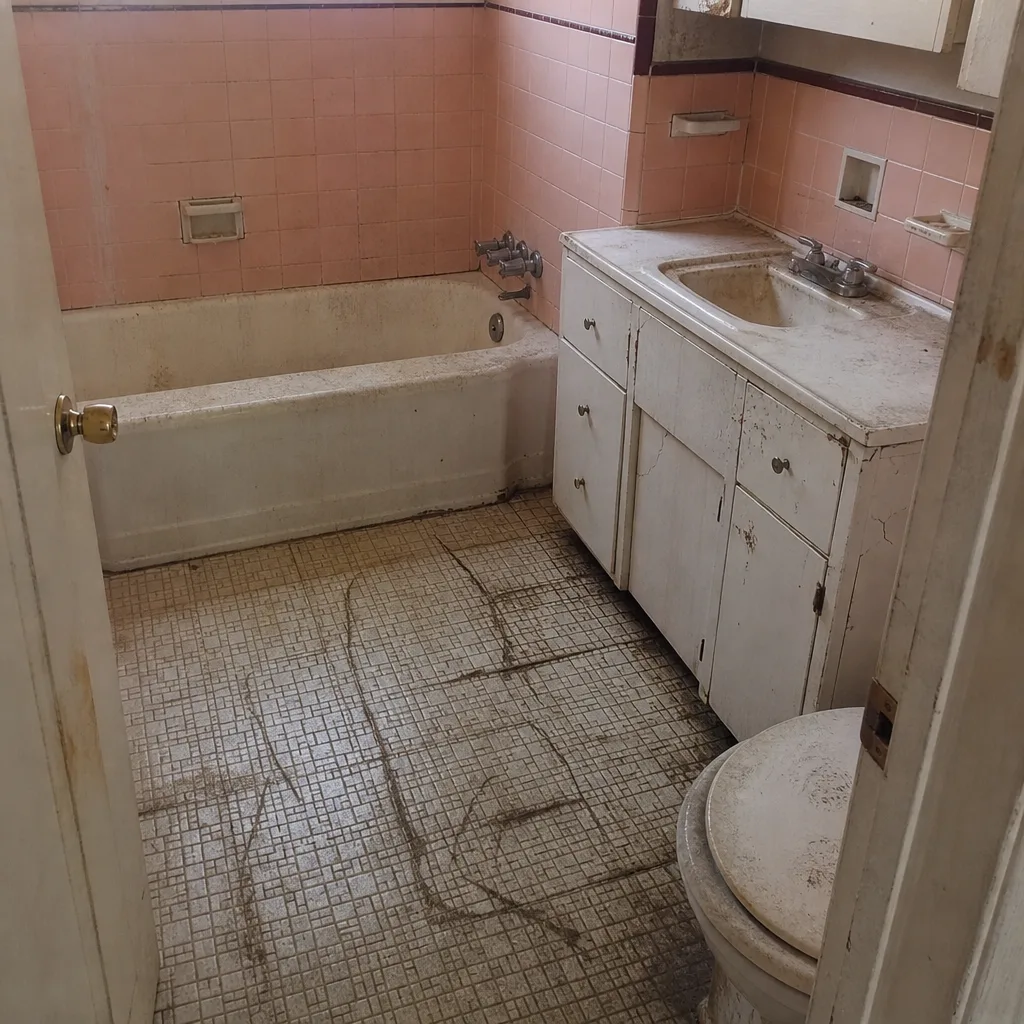
See the difference
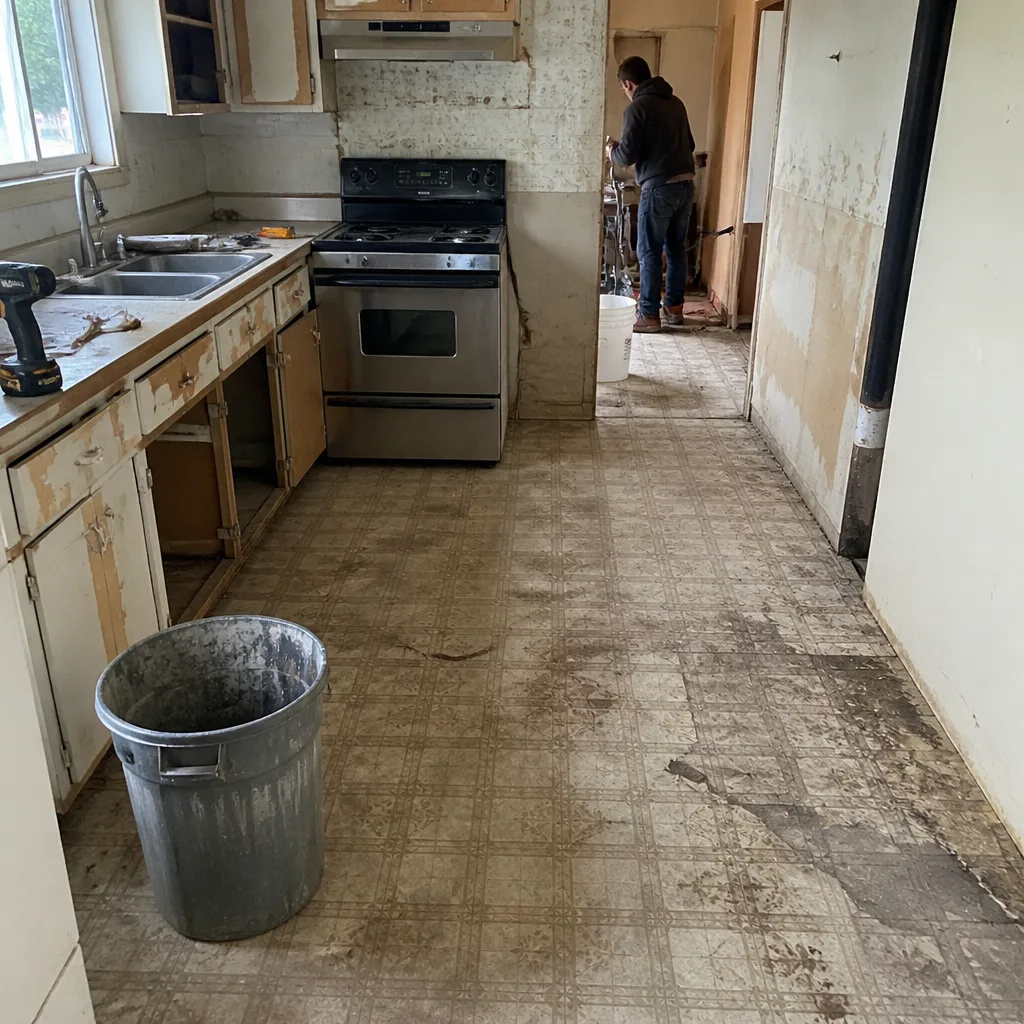 Before
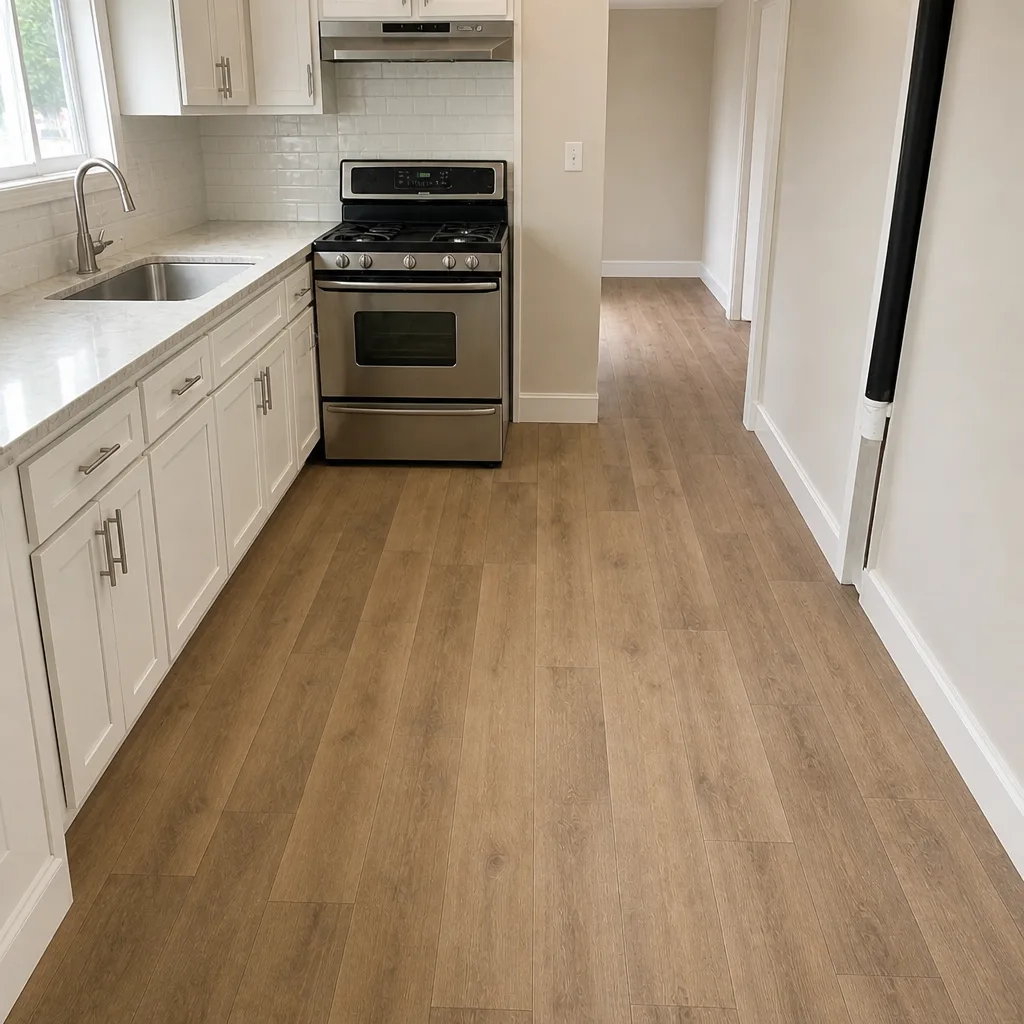 After
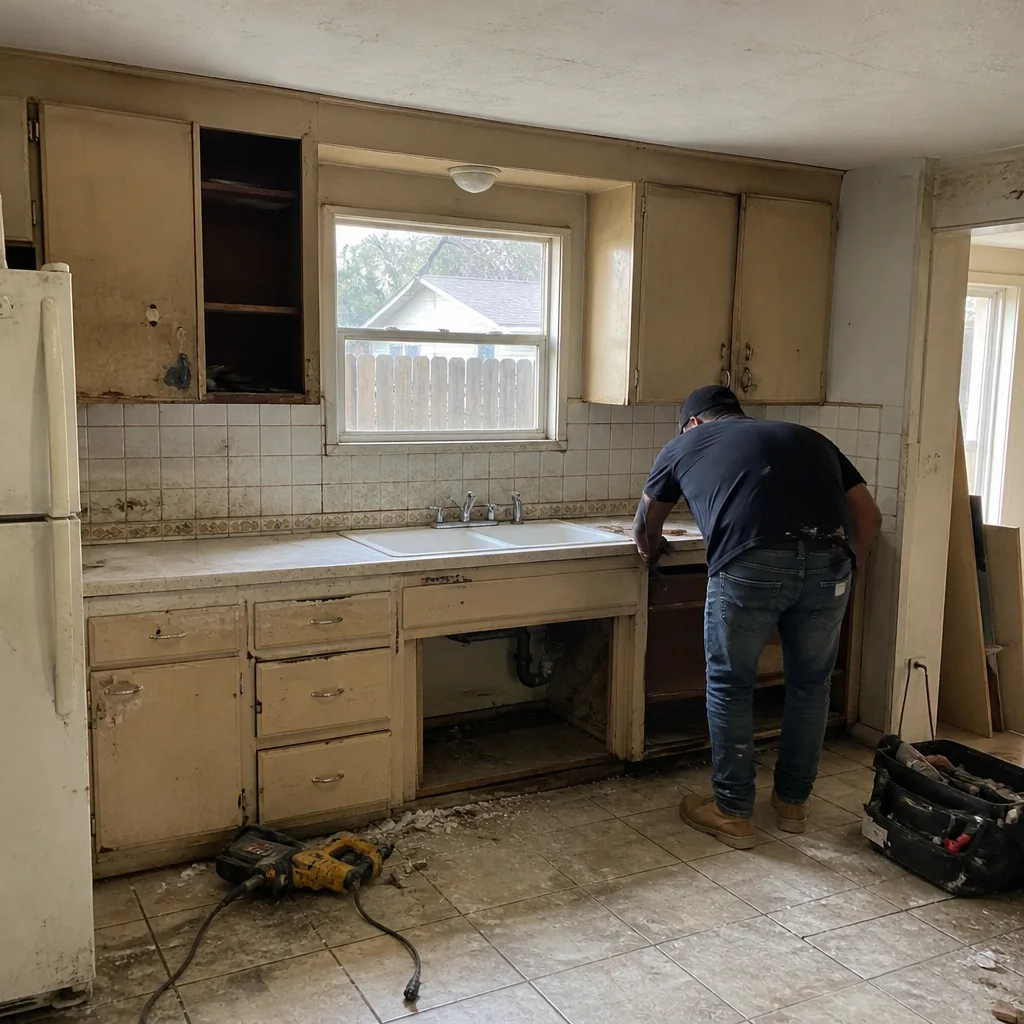 Before
 After
 Before
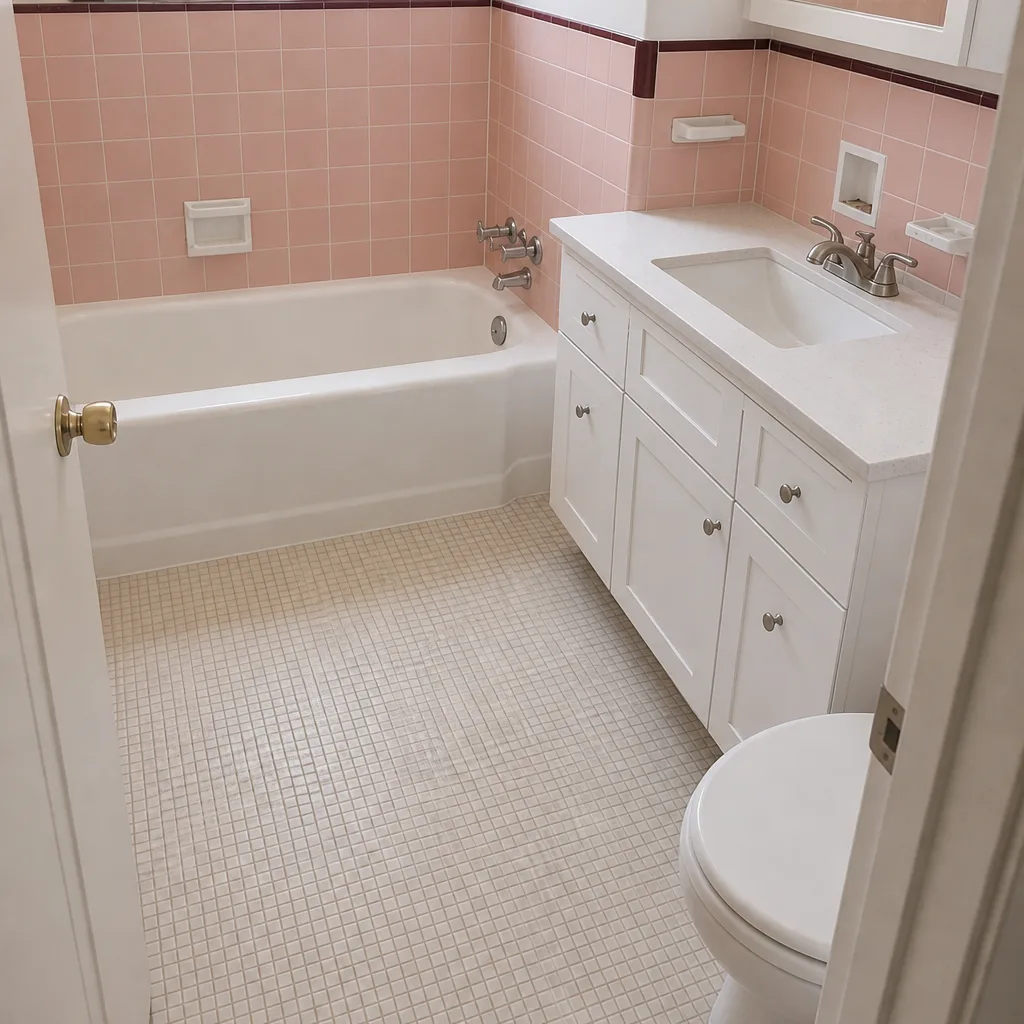 After
When to Call a Professional
Some projects are fine for a weekend and a YouTube tutorial. Others aren’t. Call a licensed general contractor in Pomona when your project involves: any change to electrical, plumbing, or gas lines; removing or modifying a wall; a kitchen or bathroom remodel that moves fixtures; any structural change; HOA-required architectural review; or any project where you’ve inherited an unfinished job from a previous contractor. Also call us when you’ve been quoted a number that “might change” – that’s exactly the situation where a written scope and written price protect you.
We offer free estimates on remodeling projects across Pomona. Call (833) 620-5046 to schedule yours – you’ll speak to a real person, not a voicemail maze.
Frequently Asked Questions

Kitchen remodels in Pomona typically run $18,000 to $55,000 depending on layout changes, cabinet line, and countertop material. A like-for-like cabinet and counter swap sits at the low end; moving a gas line or removing a wall lifts the number significantly. Call (833) 620-5046 for a written quote specific to your kitchen – estimates are free.
Yes, in most cases. Replacing a tub, shower, or toilet usually triggers a plumbing permit, and any electrical or fixture relocation does too. Skipping the permit can mean failed inspections later and removing finished tile. Confirm with your contractor that they’ll pull the permit before work starts – that’s a question to ask before signing.
Look up the contractor on the CSLB website and check both the “Active” and “Clear” status fields. Active means the license is valid; Clear means there’s no pending disciplinary action. Also check the classification – a “B” (General Building) license covers whole-project work; specialty classifications don’t.
California law caps deposits at 10% of the total project cost or $1,000, whichever is less. Any contract asking for more than that upfront is non-compliant. Beyond the legal floor, a fair schedule tracks each draw to completed work and passed inspections.
It shouldn’t, if you have a written scope and written price. We give every homeowner a written price before any work starts, so the number on day one is the number on the invoice. Changes only happen if you request them – and they’re documented and priced before we proceed. For a written quote on your Pomona project, call (833) 620-5046.
We help homeowners understand what their HOA’s architectural review process requires before we draw up the scope – approved materials, paint colors, and review timelines all affect the project. Approvals are ultimately issued by your HOA, but we plan the schedule around them so the review doesn’t stall the build.
The Bottom Line
Hiring a general contractor in Pomona is a research job before it’s a hiring job. Check the CSLB status for both “Active” and “Clear.” Insist on a written scope that names materials, a written price before work starts, and a payment schedule that tracks to inspections. Ask who self-performs and who subs, because that answer determines your warranty chain. And factor Pomona’s specifics – its permit triggers, its older housing stock, its HOA patchwork – into your plan before you sign. Do those six things and you’ve removed the most common ways Pomona remodels go sideways. Then you can focus on the part you actually want to enjoy: the finished project.
Penhallow Remodeling Pomona offers free estimates on kitchens, bathrooms, and whole-home remodels. Call (833) 620-5046 to schedule yours – we’ll put the price and the guarantee in writing before any work begins. Our technicians have up to 22 years of experience, and every project is backed by our 365-Day Done Right Promise.
Written by the team at Penhallow Remodeling Pomona.