Free written scope consultation - allowances, timeline, and change-order rules on paper before a single trade is scheduled
Styles & brands we work with
- Kitchen remodeling
- Bathroom remodeling
- Home additions & ADU
- Roofing
- Windows & doors
- Driveway & pavers
- Fence
See the difference
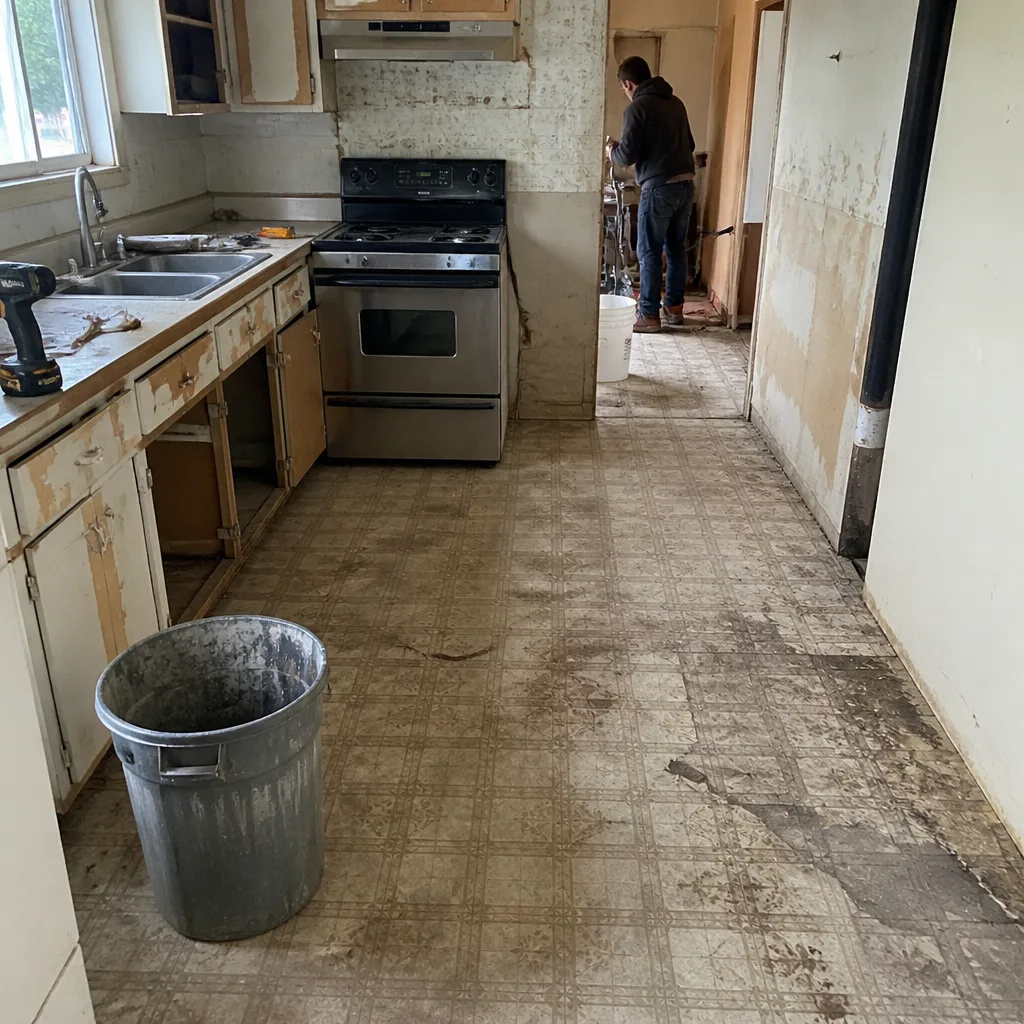 Before
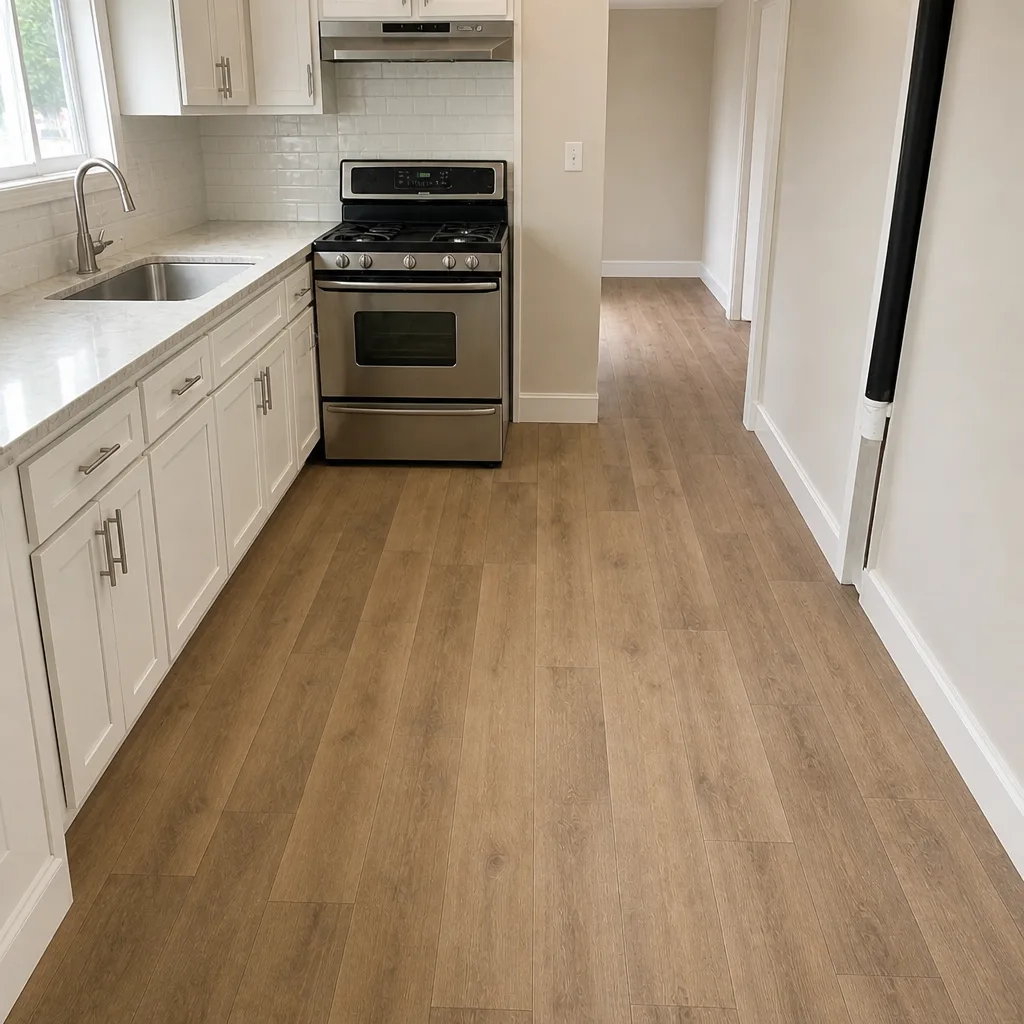 After
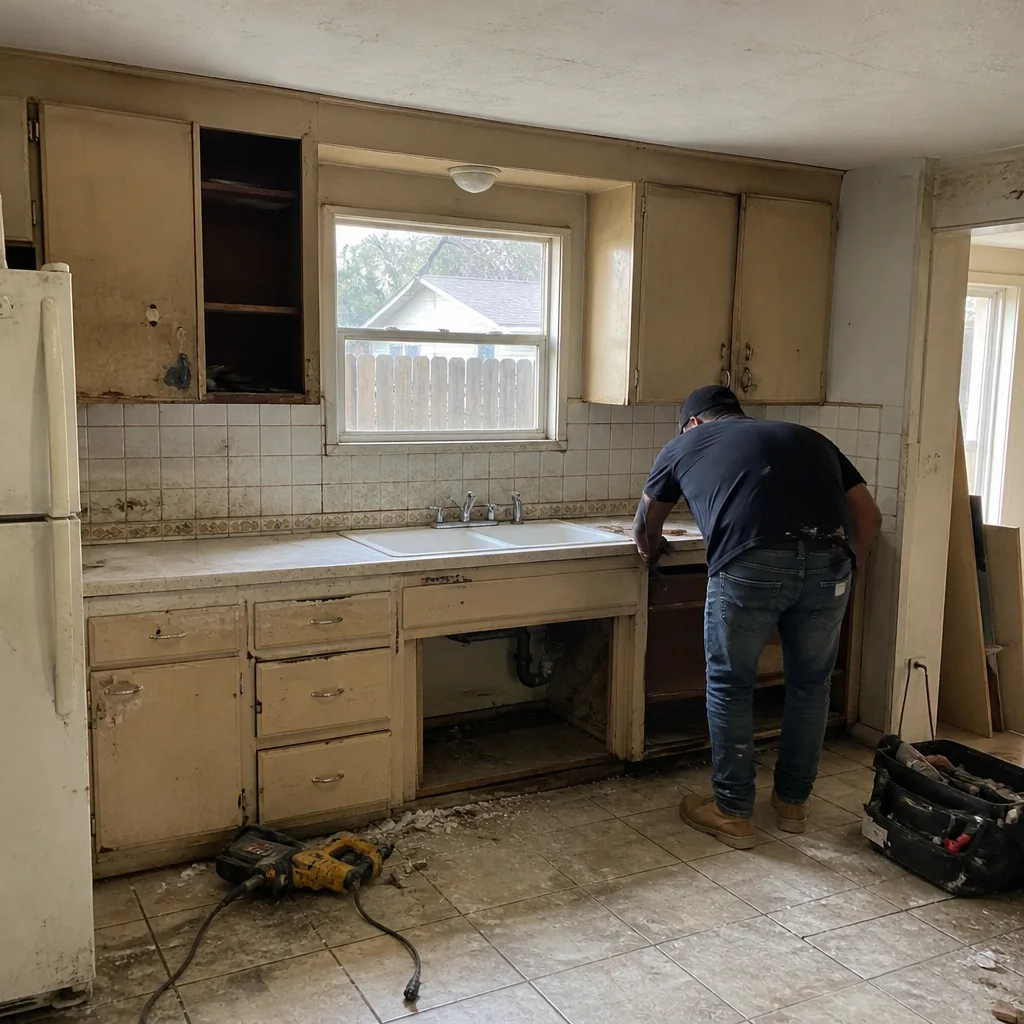 Before
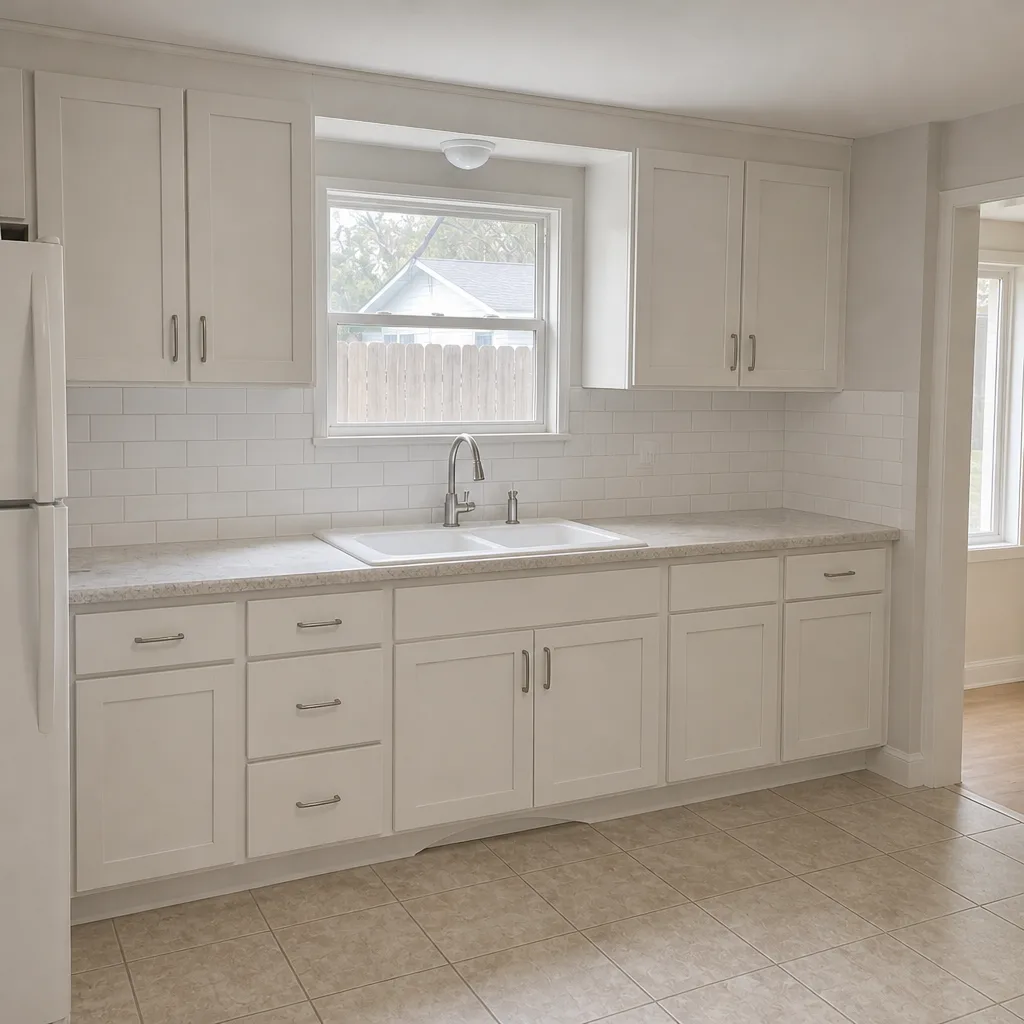 After
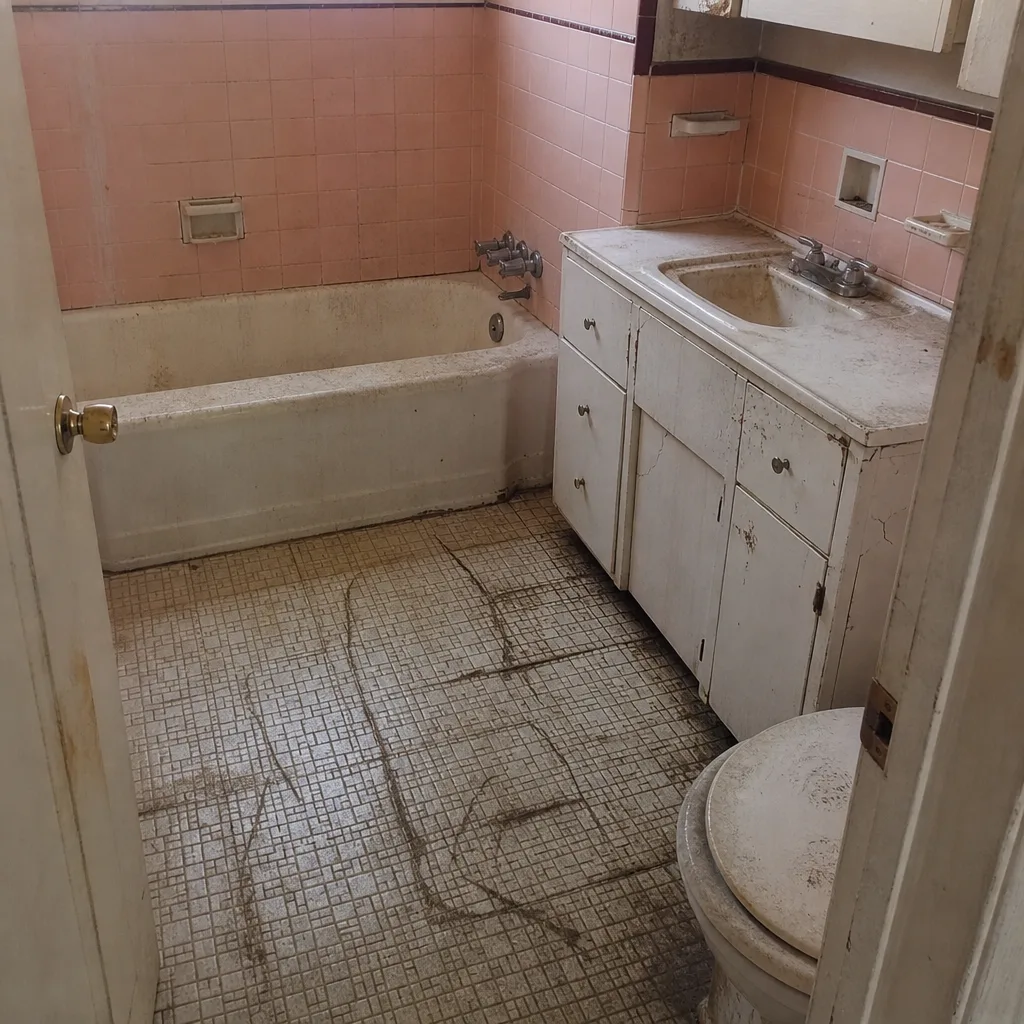 Before
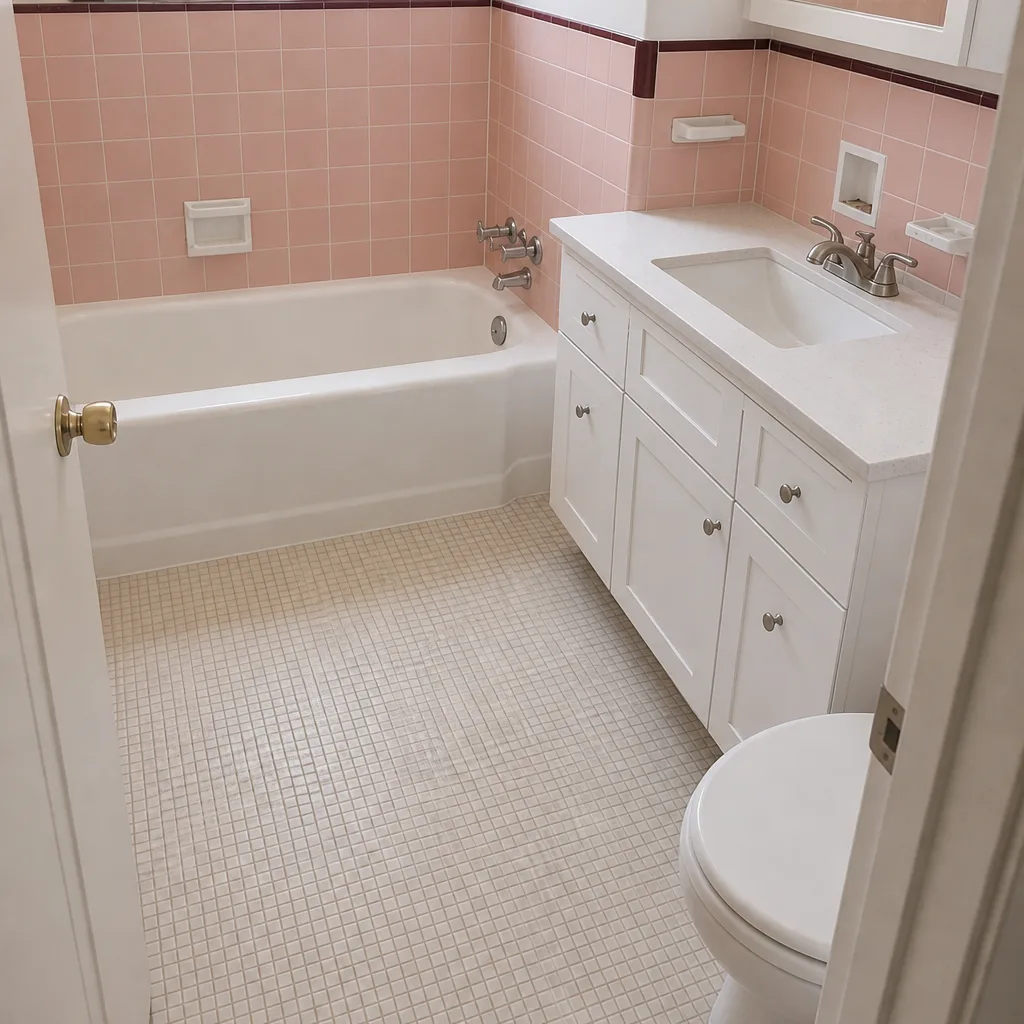 After
Quartz vs Granite Countertops in Pomona, CA: Which Should You Choose?
Choose quartz unless the room itself argues otherwise. For most Pomona kitchens, quartz from a manufacturer-backed brand gives you a tighter surface, a written warranty on the slab itself, and better performance through the valley’s temperature swings. Granite wins in one specific case: an older Spanish Colonial Revival or Craftsman home where natural stone veining and warm, irregular color read as authentic in a way a uniform engineered slab often doesn’t. That’s the honest split. Everything past that first decision is detail, and the detail is where most comparison articles stop short. If you want a second opinion on your own kitchen before you commit, call (833) 620-5046 and we’ll talk it through.
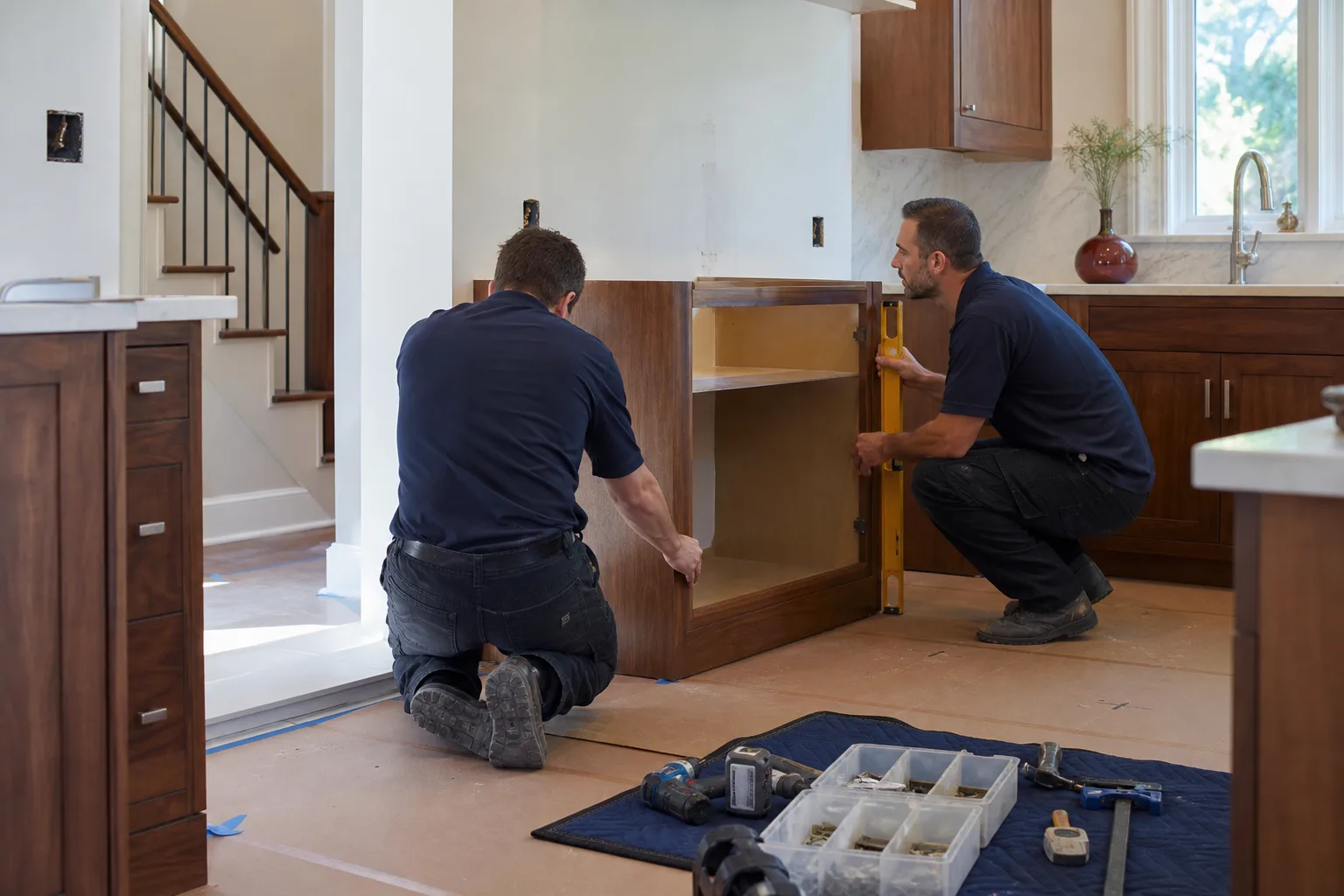
The thermal question nobody asks about Pomona kitchens
Every comparison piece tells you granite handles a hot pan and quartz wants a trivet. That’s true, and it’s also beside the point for a kitchen in Pomona. Quartz is a resin-bound material, so sustained direct heat above roughly 300°F can scorch or discolor it. Granite shrugs that off. Fine. Most of us aren’t setting skillets down on the counter.
The thermal problem that actually shows up here is different. Pomona’s diurnal swing is wide. A south- or west-facing kitchen wall can push past 100°F in August and sit near 45°F on a January morning, and that cycle repeats year after year. What fails first usually isn’t the slab. It’s the adhesive at the undermount sink joint and the silicone seams where the counter meets the backsplash.
Engineered quartz brands publish specifications for joint adhesive selection to handle exactly this. Cambria, Silestone, and Caesarstone each spell out which adhesives and seam materials their fabricators should use. Plenty of granite installers never open that document, because raw stone doesn’t come with one. A counter installed with the wrong adhesive in a kitchen that sees 60°F of seasonal range is a counter that develops a hairline seam gap in year four. We’ve templated and installed all three of those quartz brands in Pomona homes, and we template from the actual slab, not a catalog photo, so you see the material before the written price is signed.
Two layers of warranty vs. one
This is the tie-breaker most homeowners never hear about until something goes wrong. Cambria, Silestone, and Caesarstone back their slabs with manufacturer warranties covering manufacturing defects. A raw granite slab bought through a stone yard carries no chain-of-custody documentation and no manufacturer warranty at all. If it pits or fissures, you’re relying on whoever installed it and whatever they’re willing to do.
Pair a manufacturer-backed quartz with our 365-Day Done Right Promise and you have two written layers of coverage: the slab maker’s warranty behind the material, ours behind the installation. If the work fails inside the guarantee period, we come back and fix it at no charge. That’s in writing on every project. The number on day one is the number on the invoice, and the guarantee holds long after the crew has packed up.
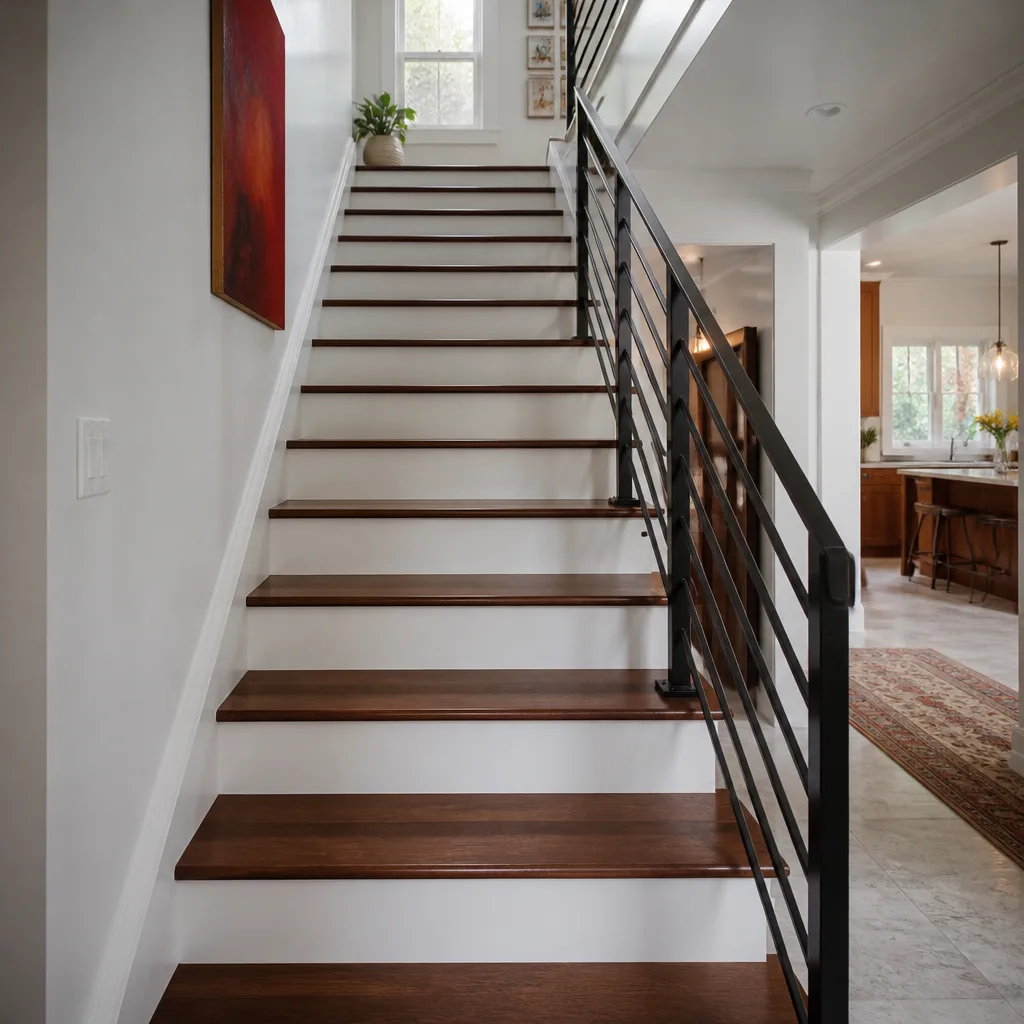
What actually drives the price in Pomona
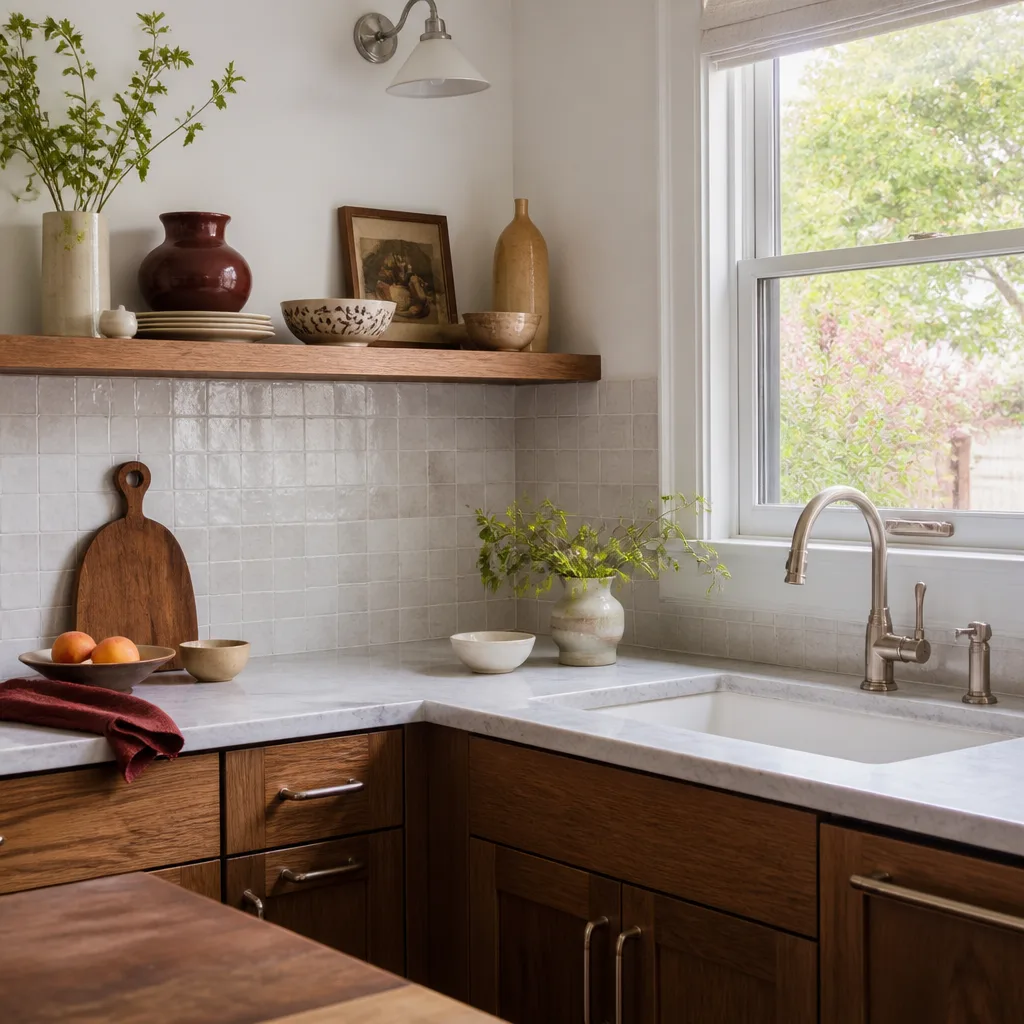
Countertop installation here typically runs $2,000-$6,500 depending on square footage, edge profile, cutouts for sink and cooktop, and which slab line you pick. A full kitchen remodel, counters included, lands somewhere in the $14,000-$45,000 range. The slab itself is rarely the biggest line item. Labor, templating, fabrication, and seam placement eat more of the budget than most people expect.
| Item | Typical Pomona range |
|---|---|
| Countertop installation only | $2,000-$6,500 |
| Backsplash installation | $800-$2,500 |
| Cabinet installation | $4,000-$13,000 |
| Kitchen island installation | $3,000-$10,000 |
| Full kitchen remodel | $14,000-$45,000 |
An undermount sink joint on a wide seasonal swing, a peninsula with a long unsupported span, or a busy seam layout over a dishwasher all push the number toward the top. Say the price before the work, show up in the window, leave the place cleaner than we found it. That’s The Kingswell Way, and it applies whether you’re choosing Cambria or a granite slab your fabricator sourced.
Side-by-side, for the decision at hand
- Heat resistance: Granite takes direct heat better. Quartz wants a trivet and handles normal kitchen heat without issue.
- Seam behavior through Pomona’s temperature swings: Quartz benefits from published adhesive specs; granite depends entirely on the installer’s habits.
- Warranty: Manufacturer-backed quartz brands carry slab warranties. Raw granite doesn’t.
- Maintenance: Quartz is non-porous and needs no sealing. Granite needs periodic resealing.
- Aesthetic fit for pre-1950s housing: Granite’s natural veining suits Spanish Colonial Revival and Craftsman kitchens. Uniform quartz reads more modern.
- Air quality during fabrication: Low-silica quartz formulations such as Silestone’s HybriQ reduce crystalline silica dust during cutting.
The air-quality angle, specific to our corner of the valley
Pomona sits at the eastern edge of LA County where the San Gabriel Valley runs into the Inland Empire, and the region already manages its share of poor ambient air days. If you have ongoing concerns about indoor air, the fabrication stage matters. Cutting granite and cutting quartz both release crystalline silica dust, and the health risk is real for the fabricator more than the homeowner. Silestone’s HybriQ technology and similar low-silica formulations lower that dust load during cutting. It’s a small factor in the decision, worth knowing about, and it tips a few homeowners toward quartz who were on the fence.
Where granite still wins in Pomona
Pomona’s historic core and the Lincoln Park blocks are full of 1920s-to-1950s housing: California bungalows, Spanish Colonial Revival homes, postwar stucco tract houses. In those kitchens, warm granite with visible movement often looks like it belongs there in a way that a sleek uniform quartz slab does not. If your home’s era and character are the priority, granite is the right call and we’ll say so. What we won’t do is install a raw slab and quietly skip the part about seam adhesive spec or the missing slab warranty. You’ll hear both before you sign.
Our technicians have up to 22 years of experience with both materials, and every technician is background-checked and arrives in uniform. Whether your project is a countertop swap or a full rebuild, this ties directly into larger Kitchen Remodeling work and cabinet choices like KraftMaid and Wellborn cabinetry, which we can spec alongside either surface.
Common local scenarios
The 1948 bungalow with a galley kitchen. Narrow runs mean careful seam placement and an undermount sink joint that has to survive decades of thermal cycling. Quartz, spec’d correctly.
The Spanish Colonial Revival near Lincoln Park. Warm granite, veined and natural, because the room argues for it.
The postwar stucco tract home with an open-plan remodel. Quartz, likely a Cambria line, for the wipe-clean surface and slab warranty.
An ADU or garage conversion on an oversized R-1 lot. Quartz, because the build is new and a manufacturer warranty pairs cleanly with the rest of the job.
FAQs
Countertop installation in Pomona runs $2,000-$6,500 either way, and the gap between the two materials is usually smaller than the gap between slab grades within each category. A premium granite and a mid-tier quartz can land within a few hundred dollars of each other. Call (833) 620-5046 for an exact quote on your kitchen; estimates are free.
Not from normal kitchen use, but sustained direct heat above roughly 300°F can scorch or discolor it, so use a trivet for hot pans. The bigger long-term risk here is the seam adhesive at the sink joint cycling through Pomona’s wide seasonal range, which is why we follow each quartz brand’s published adhesive spec. Call us and we’ll walk you through it.
Granite, usually, because warm veined stone reads more authentically in a 1930s Spanish Colonial than a uniform engineered slab. The tradeoff is a raw slab with no manufacturer warranty, so you’re relying on the installer’s guarantee alone. We’ll tell you straight which way we’d go for your specific room, then put the price in writing.
Yes, all three, plus granite through local stone suppliers. We template from the actual slab rather than a catalog sample, so you see the exact material going into your kitchen before the written price is signed. Call (833) 620-5046 to set up a no-pressure assessment.
If you’d rather have it looked at than keep reading comparison charts, Penhallow Remodeling Pomona offers a no-pressure assessment in Pomona: a written price before any work starts, a real arrival window, and a live person on the phone around the clock. Call (833) 620-5046 and we’ll get your kitchen sorted. You can also start with our home page or our Kitchen Remodeling in Pomona service page for the full scope.
Written by the team at Penhallow Remodeling Pomona, serving Pomona, CA.