Last updated November 18, 2026







Free written scope consultation - allowances, timeline, and change-order rules on paper before a single trade is scheduled
Seasonal Construction Care for Pomona: Year-Round Homeowner’s Guide
Pomona’s average July high sits around 97°F, but heat-index days above 105°F are common – temperatures that crack exterior caulk, blister deck coatings, and bake attic insulation into inefficiency faster than most product warranties account for. That single fact reshapes how you should think about home maintenance here. Pomona doesn’t run on four equal seasons. It runs on two damaging ones (summer heat and fall Santa Ana winds) and two quieter ones that happen to be the best windows for exterior work. This guide replaces the generic spring-and-fall checklist with one calibrated to the Inland Empire’s real weather rhythm: what to do in May and June before the heat peaks, how to manage July through September, how to prep for October winds, and what the brief wet season does to Pomona’s clay soil. We’ll also draw a clear line between the tasks you can honestly handle yourself and the ones that need a trained eye.
Quick Answer
In Pomona, the highest-value maintenance window is May through June, when you should paint exteriors, seal decks, and inspect roofing before summer heat sets in. July through September is about heat management (attic venting, HVAC filters, watching stucco for thermal cracks), October and November are about Santa Ana wind prep, and December through February is when clay soil movement and crawl space moisture demand attention. Plan around that calendar and you’ll spend less and prevent more than any generic four-season checklist will deliver.
Styles & brands we work with
- Kitchen remodeling
- Bathroom remodeling
- Home additions & ADU
- Roofing
- Windows & doors
- Driveway & pavers
- Fence
Table of Contents
- Why Pomona’s Calendar Isn’t a Standard Four-Season Cycle
- The May – June Window: Best Time for Exterior Work
- July – September: Managing Extreme Heat
- October – November: Santa Ana Wind Preparation
- December – February: The Wet Season and Clay Soil
- Which Tasks You Can Do Yourself and Which Need a Pro
- Common Mistakes to Avoid
- When to Call a Professional
Why Pomona’s Calendar Isn’t a Standard Four-Season Cycle
Most seasonal maintenance advice is written for a climate that gets a real winter and a slow spring thaw. Pomona doesn’t work that way. Our summers hit hard and fast, our falls bring dry offshore winds that strip moisture from wood and push fire risk up, and our winters are brief and wet enough to move clay soil but not cold enough to freeze it. That combination means the threats to your home arrive in a specific order, and timing your work around them matters more than checking boxes in spring and fall.
If you’re used to the coastal California story – mild, even, predictable – Pomona sits a climate zone or two hotter and drier than that. Summer surface temperatures on west- and south-facing walls can run well above the air temperature, and stucco, caulk, and paint absorb that load every day for months. The homeowners who avoid expensive repairs are the ones who treat the two quiet seasons, late spring and early winter, as the working windows and treat the two loud seasons as periods of monitoring and small fixes.
Before we go further: our technicians have up to 22 years of experience working in Inland Empire conditions, and what follows comes from watching how homes here actually fail. The pattern is consistent. Heat and wind do the damage; the quiet seasons are when you get ahead of it. If you want the big picture on how we approach projects across the region, our Penhallow Remodeling Pomona home page lays out how we work.
The May – June Window: Best Time for Exterior Work
May and June are the best months of the year for exterior painting, deck sealing, and roofing in Pomona, and it comes down to temperature and moisture. Paint and sealant need moderate temperatures to cure properly – not 100°F, and not the cool, damp days of winter. May and June give you both the warmth to dry and the calm to work before the summer heat peaks and before the fall winds arrive.
Here’s the order that works best:
- Wash and prep first. Years of sun and dust leave a film that prevents paint and sealant from bonding. A full wash and scrape is not optional – it’s the difference between a coating that lasts and one that peels by August.
- Paint exterior walls and trim. Aim for west- and south-facing surfaces first. Those are the ones that take the most thermal load and fail first.
- Seal decks and wood surfaces. A quality sealer applied in June will carry you through the summer UV exposure far better than one applied in the heat of July.
- Inspect the roof. Early summer is the time to catch lifted shingles, worn flashing, and cracked pipe boots before the fall winds test them. We install roofing from GAF and CertainTeed because those systems carry manufacturer warranties that layer on top of our own written guarantee.
One note specific to Pomona: don’t schedule painting for a week when Santa Ana conditions are forecast even in early summer. Low humidity and gusty winds can flash-dry paint before it cures evenly, and you’ll see the results as cracking within a season.
July – September: Managing Extreme Heat
July through September is when Pomona homes take the most punishment, and most of it happens quietly. The jobs in this window aren’t big construction projects – they’re monitoring and small corrections that protect the big investments.
Attic venting and insulation
An attic that can’t vent properly can hit 150°F or more on a Pomona summer afternoon, and that heat cooks down through your ceiling into the living space. Check that ridge and soffit vents are clear, and look for insulation that’s been compressed or displaced. Insulation that’s been baked flat loses much of its R-value, which shows up as HVAC systems that run constantly and still can’t keep up.
HVAC filter cycles
In summer, we recommend checking your HVAC filter every 30 days rather than the 90 days on the package. Dust from dry conditions and constant system run time clog filters faster here than in milder climates. A clogged filter makes the system work harder, which is the opposite of what you want in a heat wave.
Thermal expansion cracks in stucco
Stucco moves with temperature, and Pomona’s daily swings – hot days, cooler nights – cause repeated expansion and contraction. Small hairline cracks are normal. Cracks wider than about the thickness of a nickel, or cracks that run diagonally from window and door corners, deserve a closer look. Those can signal water intrusion paths or underlying movement. We typically see the pattern worsen on walls facing west and south, where afternoon sun does the most work.
- Check attic vents and insulation monthly through the summer.
- Replace HVAC filters every 30 days.
- Walk the exterior walls in morning light and photograph any new cracks so you can track whether they’re growing.
- Check caulk lines at windows and doors – sun-baked caulk pulls away and lets heat and moisture in.
October – November: Santa Ana Wind Preparation
When the Santa Ana winds arrive in October and November, they bring dry, gusty air that finds every weak point on a house. This is the season to secure roof flashing, clear gutters before the fire-season dry period, and check window seals. The work you did in May and June makes this season easier, but there are specific checks that only matter now.
- Walk the roof edge and flashing. Wind gets under lifted flashing and peels it back. Check the flashing around chimneys, skylights, and where the roof meets walls. If anything is loose, secure it before the first strong wind event.
- Clean gutters and downspouts. This isn’t just about rain – it’s about fire-season readiness. Dry debris in gutters is fuel, and clogged downspouts mean the first winter rain has nowhere to go.
- Check window and door seals. Wind-driven dust and dry air push through gaps. Weatherstripping that’s hardened in the summer sun won’t seal anymore, and it’s an easy fix now.
- Trim trees away from the roof. Limbs that overhang the roofline become wind-driven battering rams. Keep at least a few feet of clearance.
We see a lot of homes in Pomona where a single loose piece of flashing causes a water stain inside by January. It’s a small fix in October and a much bigger one once the rain gets in. If you’re unsure what you’re looking at up there, that’s a reasonable point to bring in a professional – more on that below.
December – February: The Wet Season and Clay Soil
Pomona’s wet season is short but it matters, because of what the soil does. Much of the area sits on expansive clay soil that swells when it absorbs water and shrinks as it dries. That movement is the root cause of a lot of concrete flatwork problems – cracks in driveways, walks, and patios that seem to appear out of nowhere after a wet winter.
A few things to watch through the wet months:
- Concrete flatwork. Look for new cracks, settling, or heaved sections in driveways, walkways, and patios. Clay soil movement is normal; what you’re watching for is whether it’s causing trip hazards or letting water pool against the foundation.
- Crawl space moisture. Water that pools at the foundation can find its way into a crawl space, and persistent moisture there leads to wood rot and musty air. Check that the ground slopes away from the house and that downspouts discharge well clear of the foundation.
- Drainage around the perimeter. Walk the outside of the house during a steady rain and watch where water runs. If it’s heading toward the walls instead of away, that’s a fix worth making now.
- Roof and gutter performance. The wet season is the real test of the fall prep. If you see water where it shouldn’t be, address it before the next storm.
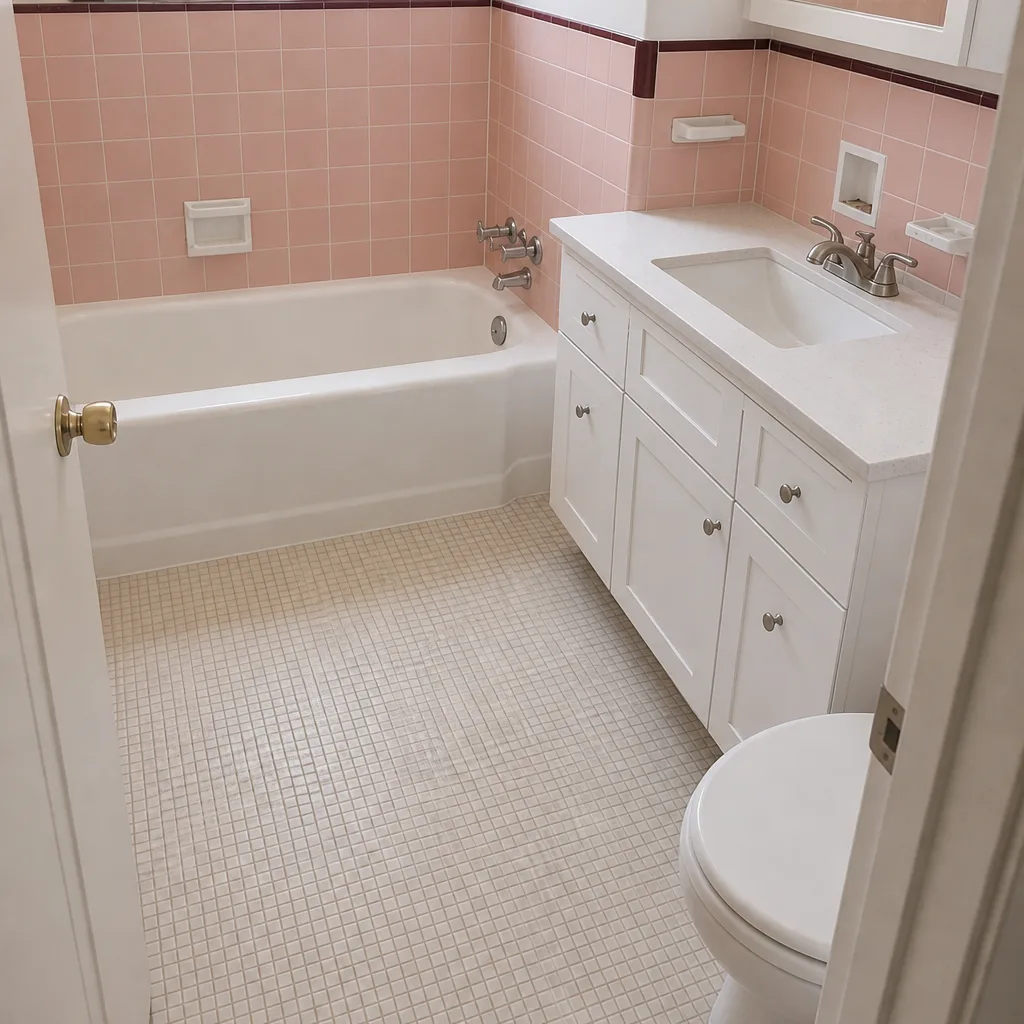
Bathrooms and kitchens also tend to show their age during the wet months, when moisture in the air brings out caulk failures and grout problems. If you’re noticing those, our bathroom remodeling in Pomona page covers what a proper repair or remodel looks like.
Which Tasks You Can Do Yourself and Which Need a Pro
There’s an honest line here, and it isn’t about skill – it’s about safety, permits, and warranty. Some tasks you can genuinely handle. Others you shouldn’t, and doing them wrong can void a warranty or create a liability.
Reasonable for a homeowner:
- Changing HVAC filters on a schedule.
- Cleaning gutters from the ground with the right tools.
- Washing exterior surfaces before inspection.
- Replacing window weatherstripping.
- Photographing and tracking cracks and caulk lines.
Better left to a professional:
- Roof work at height – falls are the leading cause of serious injury in home maintenance, and roof pitches here vary more than they look.
- Any electrical work tied to venting fans or HVAC systems.
- Structural repairs where movement or water intrusion is suspected.
- Anything that requires a permit. Pomona, like most California cities, has specific permit requirements for structural and major repair work, and pulling the right permits protects you when you sell.
- Sealing or coating where surface prep determines whether the product bonds – a bad prep job means a failed coating within a season.
If you’re planning a larger project that folds these seasonal fixes into a bigger improvement, our general contractor in Pomona page explains how we handle planning, permits, and written pricing across a full job.
Common Mistakes to Avoid
- Painting in July. Paint applied in peak heat can skin over before it cures, and you’ll see the cracks within a season. May and June are the right months – wait for them.
- Skipping the spring wash before painting. A coating applied over dust and sun-bleached film won’t bond, no matter how good the paint is. Preparation is most of the job.
- Ignoring hairline stucco cracks until they widen. Small cracks are cheap to address; cracks that have let water in over a winter are a different kind of job. Watch them and act early.
- Letting gutters fill through the fire season. Dry debris in gutters is a fuel source, not just a drainage problem. Clean them in October, before the winds.
- Sealing a deck that isn’t clean and dry. Sealer over trapped moisture or dirt peels off within months. Prep first, always.
- Assuming the winter wet season did no damage because you didn’t see it. Crawl space moisture and clay-soil movement often show up months later. Check the perimeter and the foundation line.
- Doing roof work at height without the right equipment. It’s the most common serious-injury task on this list. A professional has the fall protection and knows the roof’s condition.
See the difference
 Before
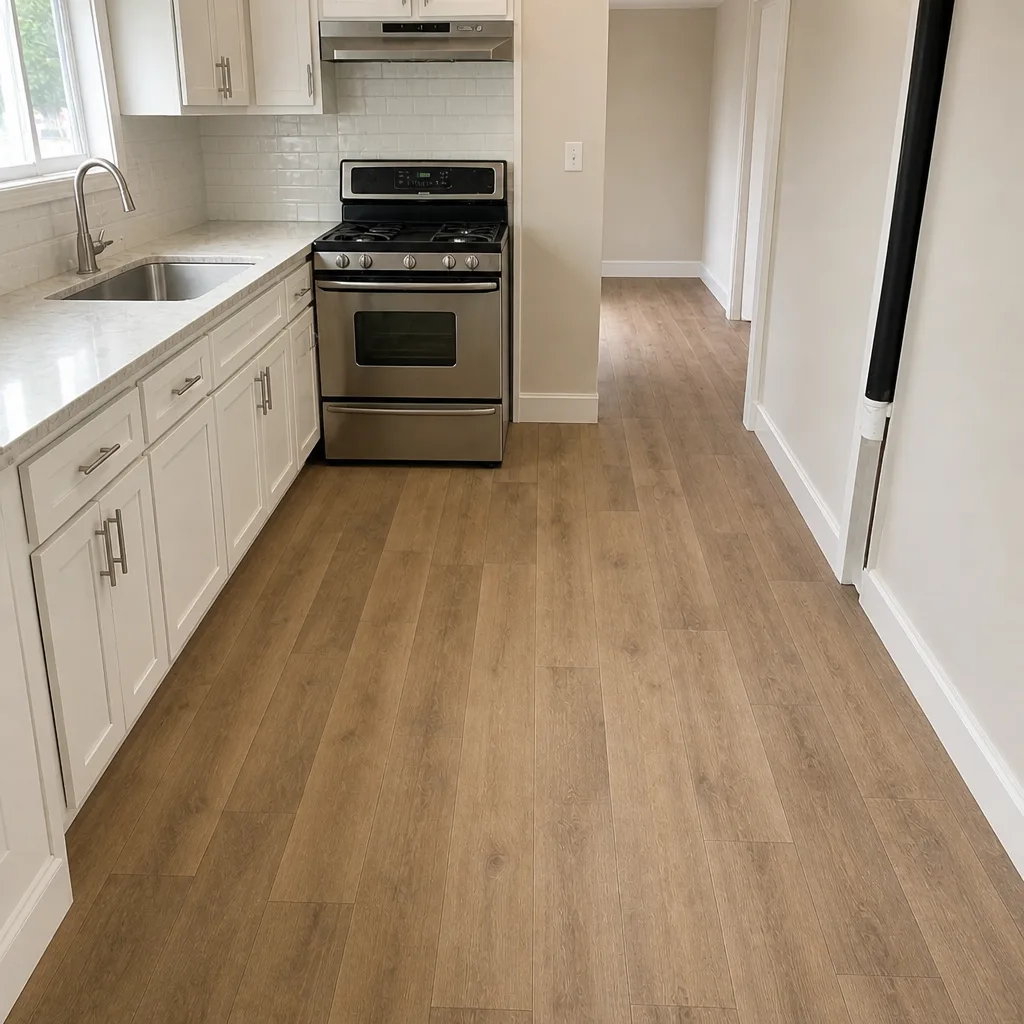 After
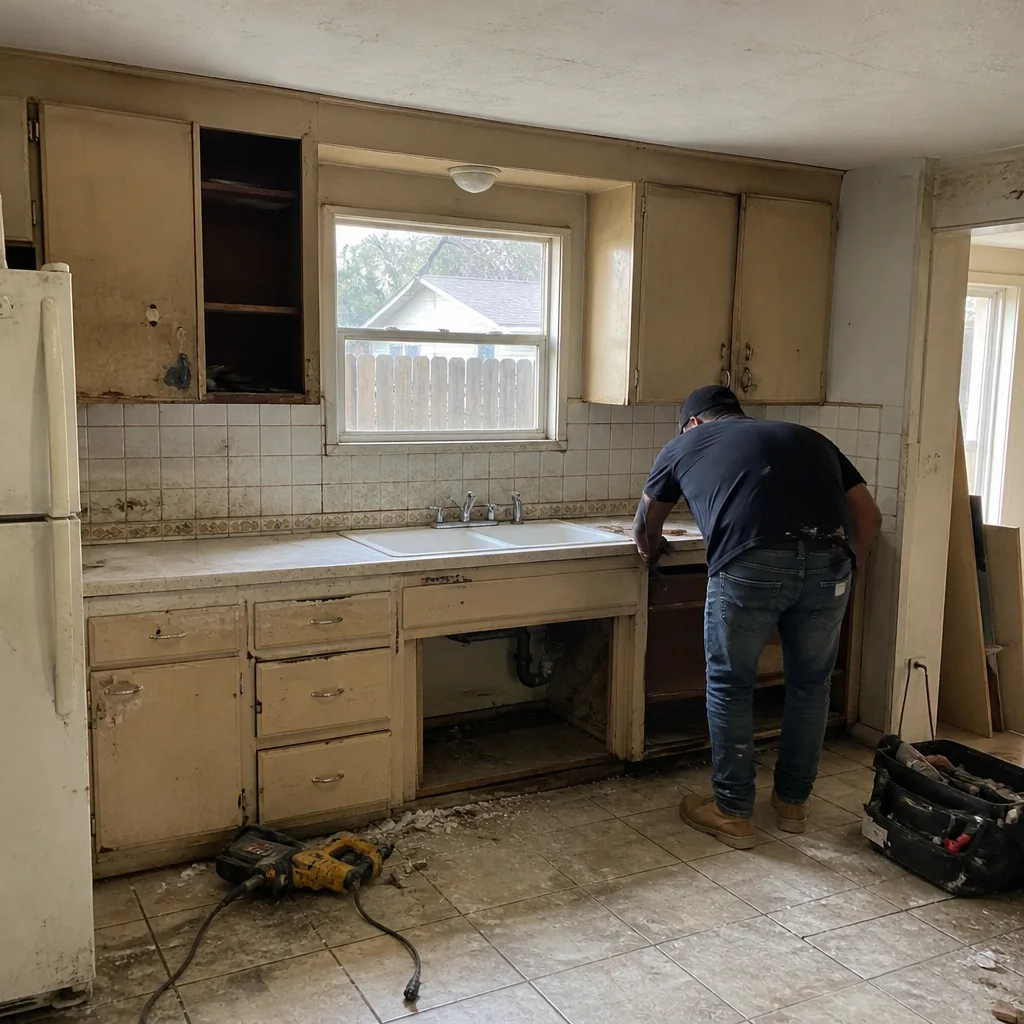 Before
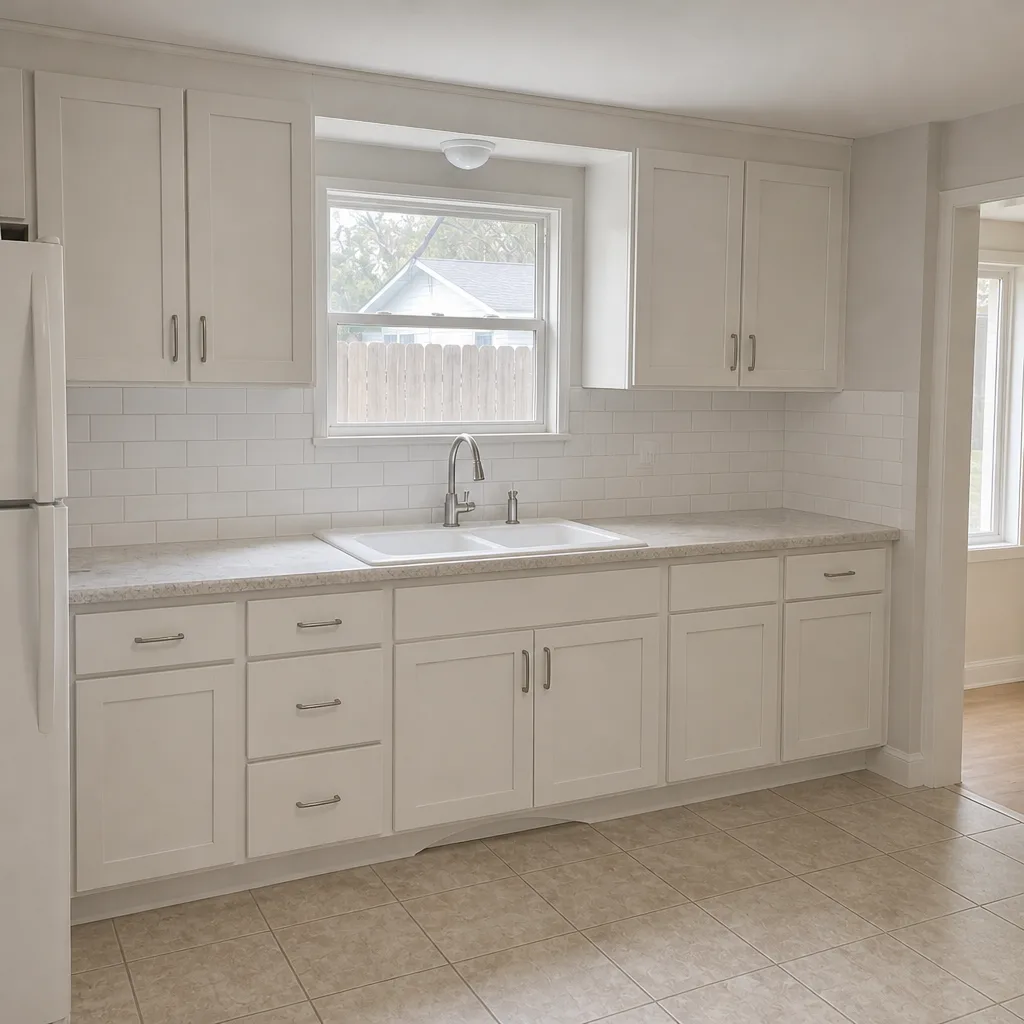 After
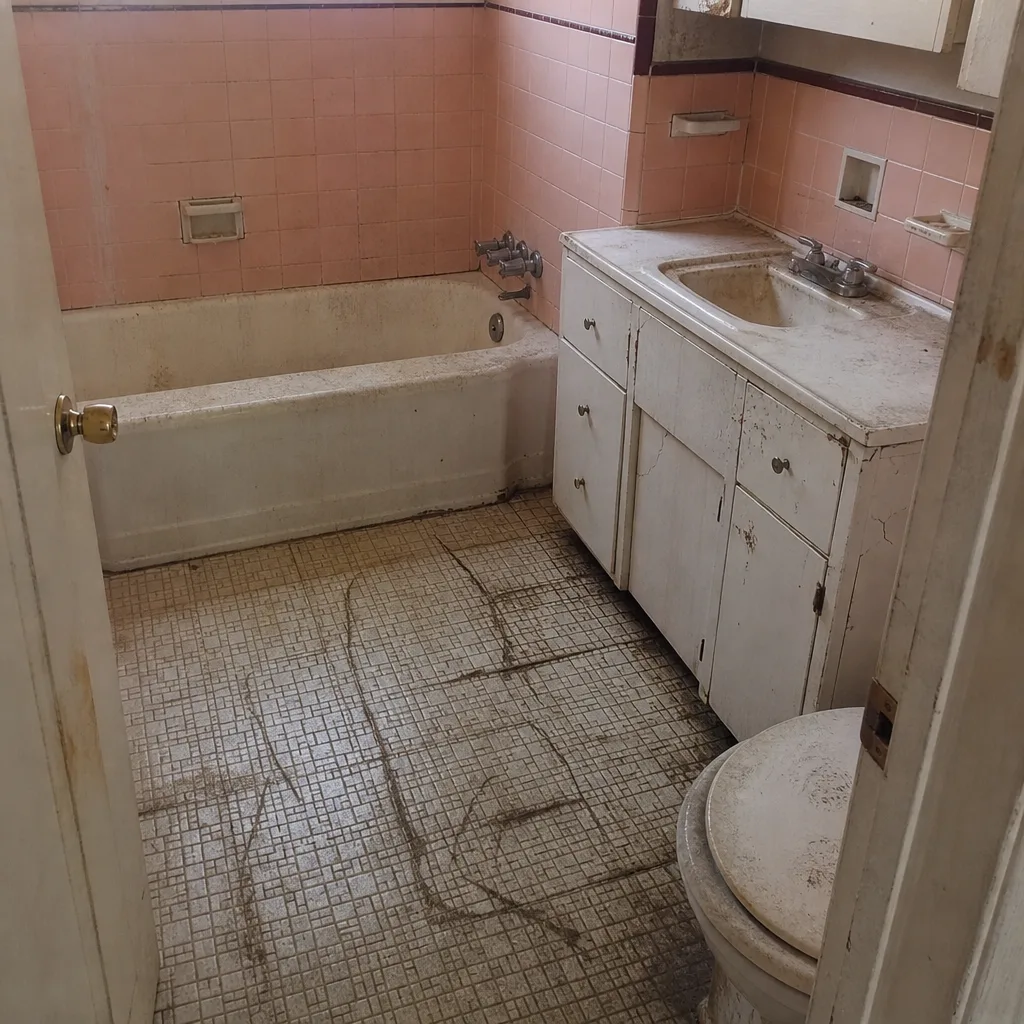 Before
 After
When to Call a Professional
Some seasonal tasks are genuinely worth handling yourself, but a few situations call for a professional eye. If you spot stucco cracks that are widening, roof flashing that’s loose or lifted, water staining inside after a storm, or concrete that’s heaved enough to be a trip hazard, those are worth a proper inspection. The same goes for any project that involves structural work, electrical, or permits – and for anything where the repair needs to be guaranteed, not just attempted. A written price and a written guarantee are what separate a repair from a gamble. Penhallow Remodeling Pomona offers free estimates in Pomona – call (833) 620-5046 to schedule yours, and we’ll give you a written number before any work starts.
Frequently Asked Questions

May and June. Temperatures are warm enough for paint to cure properly but not so hot that it skins over and cracks, and you’re working ahead of both the summer heat peak and the fall Santa Ana winds. Painting in July is a common mistake – the results show up within a season.
Every 30 days during the summer. Dust from dry conditions and constant system run time clog filters faster here than in milder climates, and a clogged filter makes the system work harder when you need it most. Call (833) 620-5046 if you want an inspection that covers the whole system, not just the filter.
Check that flashing around chimneys, skylights, and wall junctions is secure, and clean your gutters before the dry fire season begins. Loose flashing is the most common wind-related failure we see. If you’re not comfortable walking the roof, that’s a reasonable point to call a professional – (833) 620-5046 gets you a free estimate.
Pomona sits on expansive clay soil that swells when wet and shrinks as it dries, and that movement is what cracks driveways, walks, and patios. Small cracks are normal; heaving or settling that creates a trip hazard or lets water pool against the foundation is worth inspecting. Call us for an estimate if you’re not sure what you’re seeing.
You can honestly handle filter changes, gutter cleaning from the ground, weatherstripping, and tracking cracks. Roof work at height, electrical work, structural repairs, and anything requiring a permit should go to a professional – the safety and warranty risks aren’t worth it. We’re happy to give you a written estimate for the parts you shouldn’t touch: (833) 620-5046.
We handle both, and every job gets a written price before work starts and a written guarantee when it’s done. Our 365-Day Done Right Promise means if the work fails inside the guarantee period, we come back and fix it at no charge. Call (833) 620-5046 for a free estimate on whatever you’re facing.
The Bottom Line
Pomona’s weather doesn’t follow the standard four-season maintenance script, and neither should you. The two quiet windows – May through June and early winter – are when the real work happens: exterior painting, deck sealing, roofing inspection, and drainage checks. The two loud seasons – summer heat and fall Santa Ana winds – are when you monitor and correct. Attic venting, HVAC filters, stucco cracks, roof flashing, gutters, and clay-soil movement are the specifics that matter here. Plan around that rhythm and you’ll spend less and prevent more than any generic checklist will deliver. When a task crosses into safety, permits, or warranty territory, that’s the moment to get a professional eye and a written price.
For a project that folds these seasonal fixes into something bigger, our kitchen remodeling in Pomona page shows how we plan and price that kind of work. If you’re ready to get a written number for whatever your home needs this season, call Penhallow Remodeling Pomona at (833) 620-5046 for a free estimate. A live person answers around the clock, every technician is background-checked and arrives in uniform, and the price you see on day one is the price on the invoice.
Written by the team at Penhallow Remodeling Pomona.