Last updated November 18, 2026


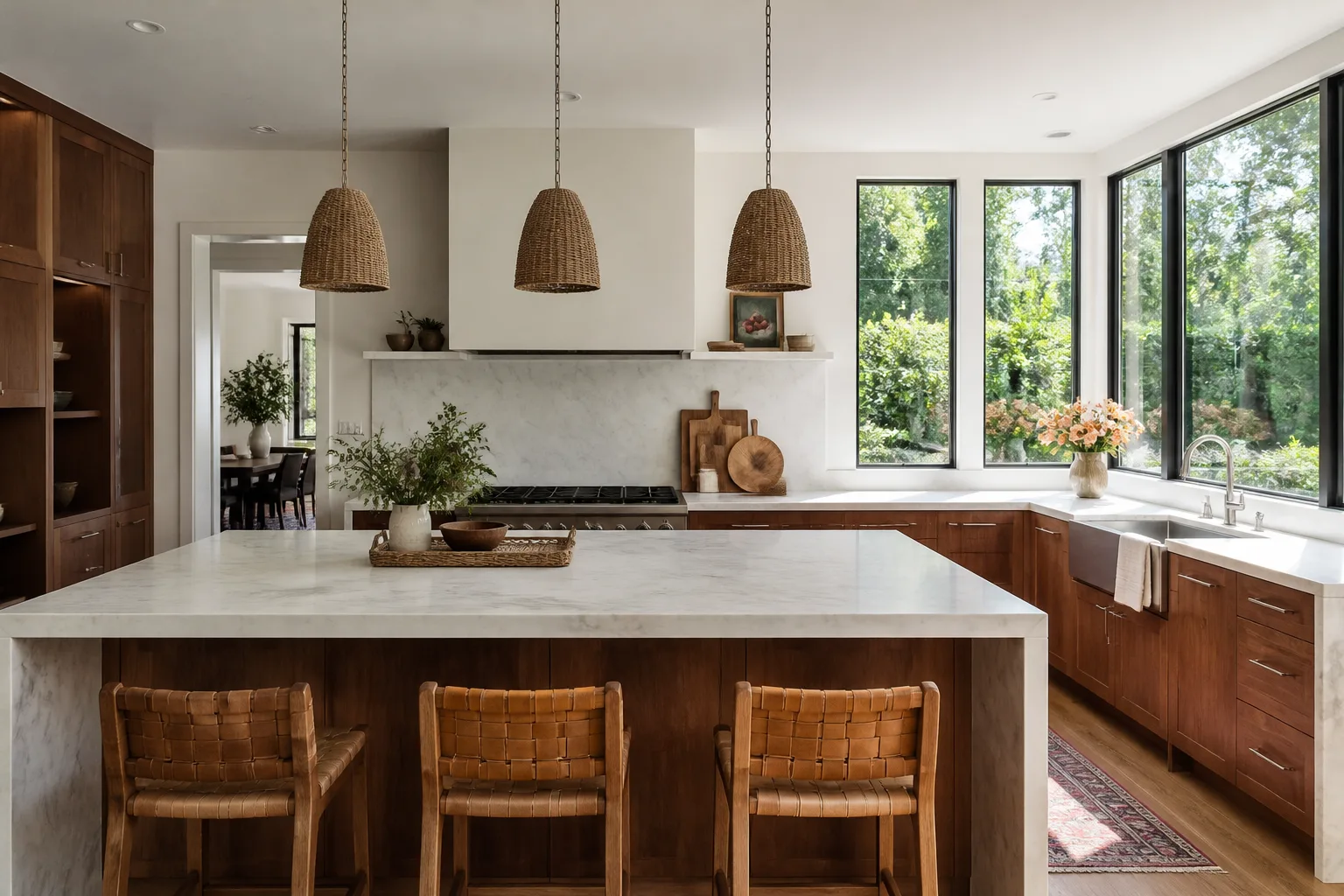
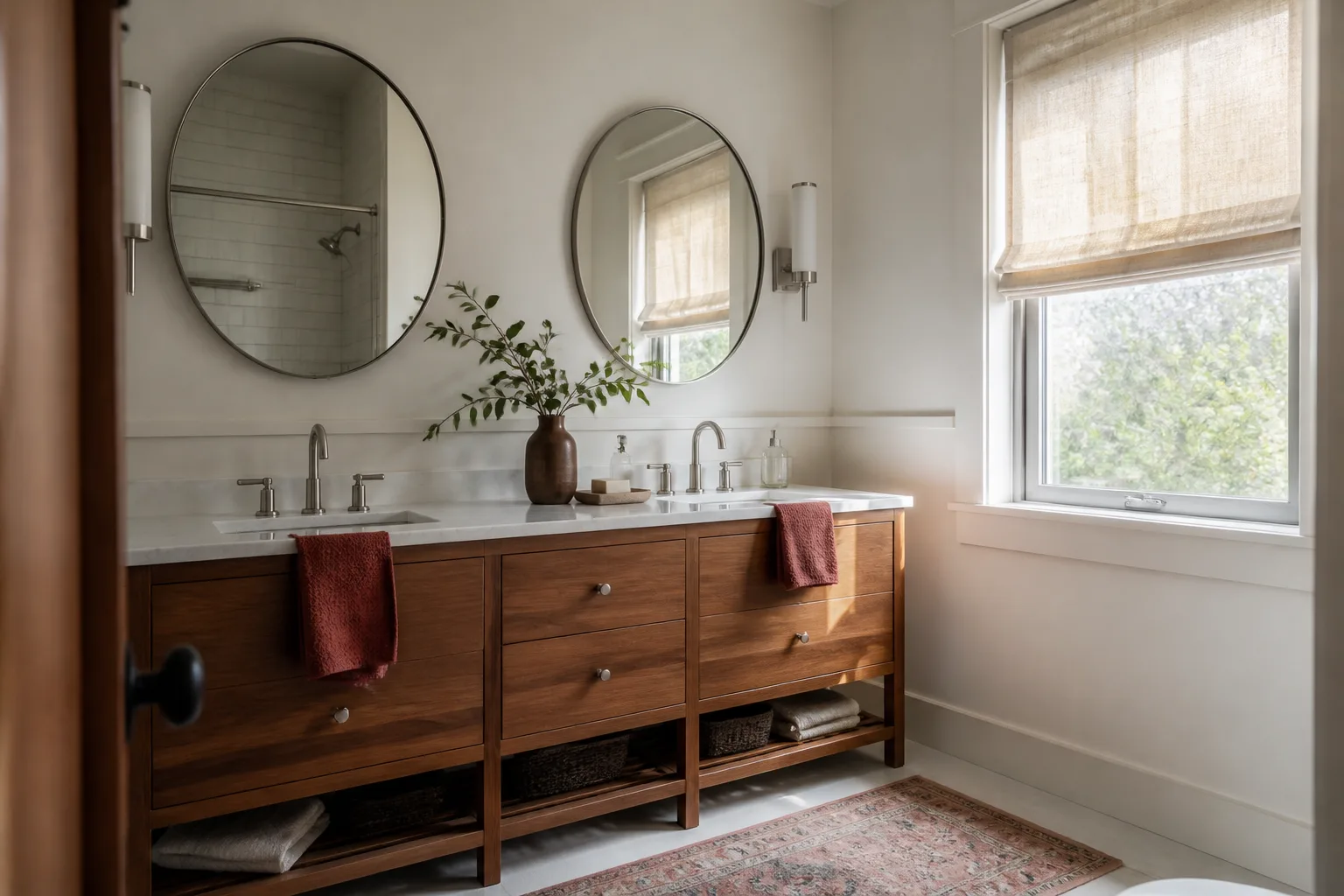
Free written scope consultation - allowances, timeline, and change-order rules on paper before a single trade is scheduled
The Complete Guide to Construction in Pomona
About 40% of Pomona’s housing stock went up before 1970, which means the odds that your “simple” remodel hides knob-and-tube wiring, asbestos floor tile, or undersized floor joists are higher than most contractors will admit at the estimate table. That single fact changes how you should plan a project here. This guide walks through the decisions Pomona homeowners actually face, in the order they face them: how to scope for hidden problems, how the city’s permit process really works, why seismic rules touch even cosmetic work, how to read a written estimate, and which remodels pay back in today’s resale market. Read it before you call anyone.
Quick Answer
Construction in Pomona is shaped by three things most guides skip: a large pre-1970 housing stock that hides obsolete wiring, plumbing and framing; a region with real seismic exposure that affects structural decisions on nearly every remodel; and a Building & Safety Division whose review timelines and document requirements you should budget for from day one. Plan for a 10-20% contingency on any home older than 1970, pull permits before demo, and insist on a written line-item estimate. Those three moves save more money than any coupon.
Styles & brands we work with
- Kitchen remodeling
- Bathroom remodeling
- Home additions & ADU
- Roofing
- Windows & doors
- Driveway & pavers
- Fence
Table of Contents
- How Pomona’s Older Housing Stock Creates Hidden Scope
- The City of Pomona Building & Safety Division: What to Expect
- Why Seismic Rules Affect Even Cosmetic Remodels
- How to Read a Written Estimate Versus a Verbal One
- Which Remodels Make Financial Sense in Pomona’s Market
- What Construction Costs in Pomona
- The Right Order to Plan and Build
- Common Mistakes to Avoid
How Pomona’s Older Housing Stock Creates Hidden Scope
The neighborhoods tell the story. Walk through the blocks around Lincoln Park or the streets north of Holt Avenue and you’ll see 1920s bungalows and 1950s ranch homes sitting beside mid-century tract housing. Much of it is charming. Some of it is a trap for the unprepared.
The problem isn’t age itself. It’s what got buried behind the drywall over the decades. A kitchen that looks dated on the surface often hides a cluster of problems that only surface once the cabinets come out.
Here’s what we routinely find when we open walls in Pomona homes built before 1970:
- Knob-and-tube wiring that can’t carry modern kitchen loads and often voids a homeowner’s insurance if left in place. It looks fine until an inspector sees it.
- Asbestos-containing materials in floor tile, mastic, pipe wrap and textured ceilings. Disturbing these without testing turns a small job into a regulated abatement project.
- Galvanized steel plumbing that’s narrowed to a trickle and prone to pinhole leaks. A bathroom remodel that ignores it means opening the same wall twice.
- Undersized or notched joists where a previous owner cut through framing to run a drain or duct. Structural repairs add scope fast.
- Aluminum branch wiring in some 1960s and 1970s builds, which needs proper remediation at connections.
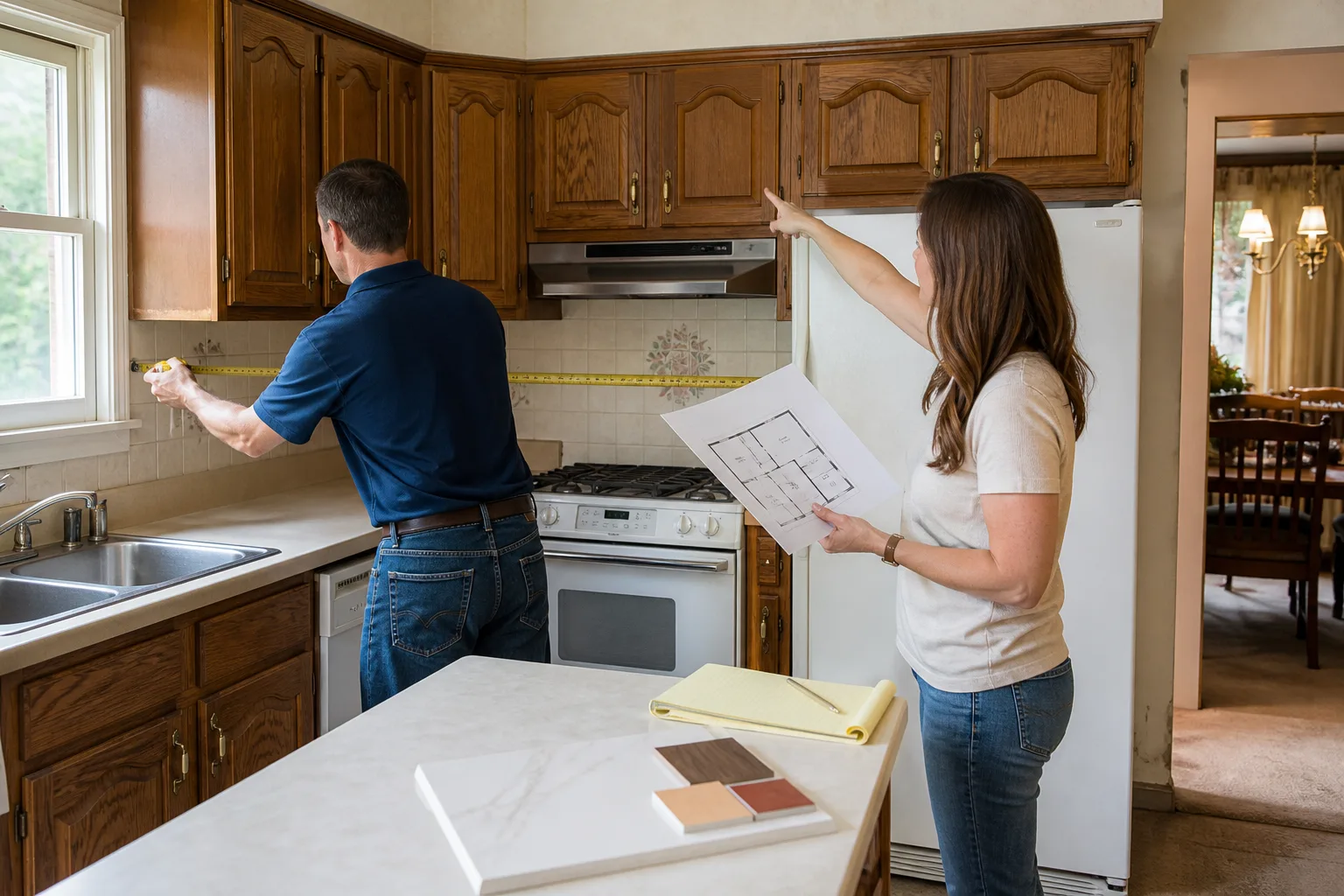
None of this means you should avoid an older Pomona home. It means you should scope for it before you sign anything. We open a small exploratory opening and test for asbestos in the areas a project will touch, then build the findings into a written scope. A homeowner who knows on day one that the electrical panel needs replacing budgets for it calmly. A homeowner who learns it on demo day budgets for it in a panic. Our general contractor in Pomona approach starts with that inspection so the number you hear is the number you pay.
The City of Pomona Building & Safety Division: What to Expect
Pomona runs its own Building & Safety Division, separate from Los Angeles County. That matters because the rules, the counter staff, and the review timelines are Pomona-specific. A contractor who mostly works in neighboring cities will be learning your permit process on your dime.
What locals actually experience during review:
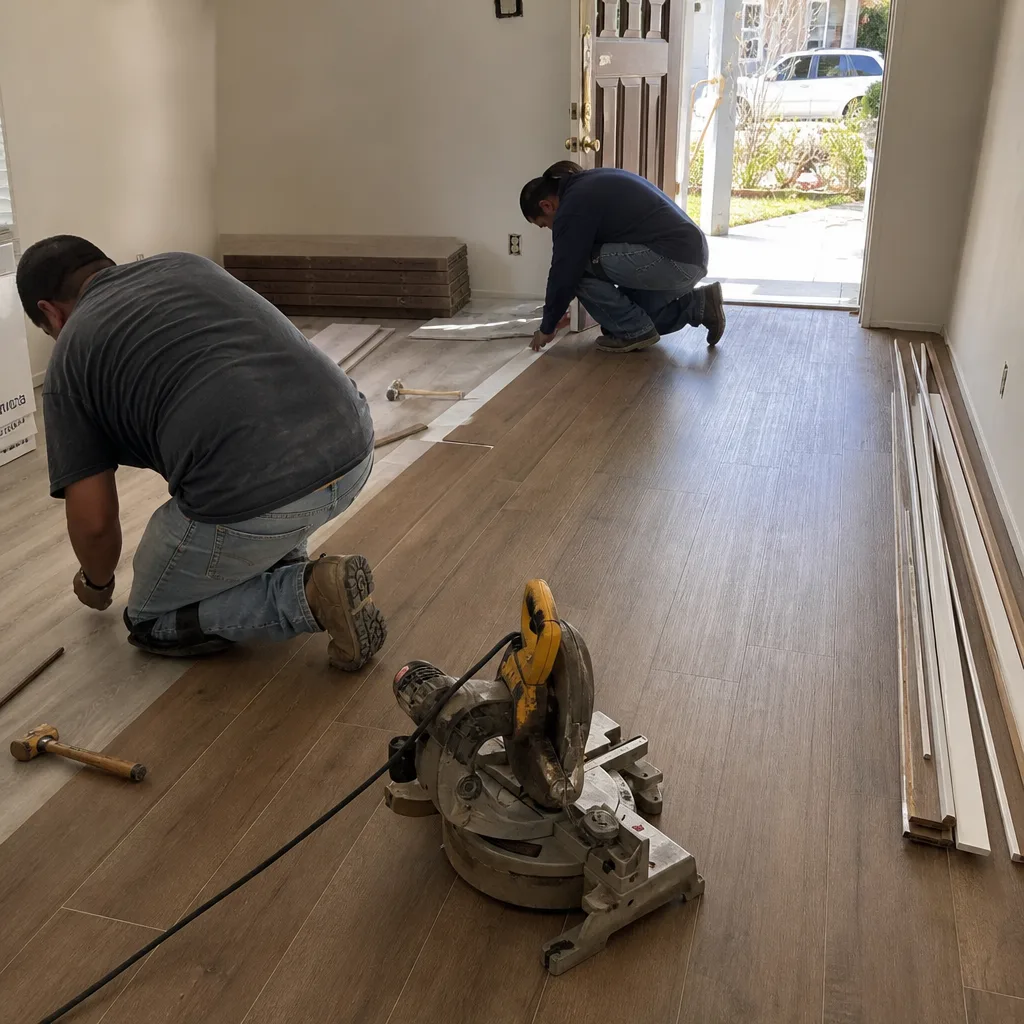
- A plan check that wants detail. Structural, electrical and plumbing changes trigger plan review. Simple cosmetic work like paint and flooring usually doesn’t. Anything that moves a wall, adds a circuit, or changes a fixture location generally does.
- Realistic timelines. Over-the-counter permits for straightforward work can move in days; full plan check on a structural remodel can take several weeks depending on the division’s current volume. Build that into your schedule rather than assuming a fast turnaround.
- Inspection sequencing. Framing, rough electrical, rough plumbing and insulation each need their own inspection before drywall goes up. Skipping a step means tearing out finished work later.
- Setback and zoning checks on additions and anything that changes the footprint. The division will verify against the property’s zoning.
One practical habit: keep every approved plan and inspection card in one folder. When you sell a Pomona home, an unpermitted bathroom or converted garage becomes a disclosure headache that can cost you at the negotiating table. Permits pulled and inspections passed are a selling point, not a burden. If a contractor offers to skip the permit to “save you money,” that’s a red flag, not a favor. Call us at (833) 620-5046 and we’ll walk through what your specific project requires.
Why Seismic Rules Affect Even Cosmetic Remodels
Pomona sits in a region with genuine seismic exposure, and that reality reaches into projects that feel purely cosmetic. You aren’t adding a foundation or a shear wall when you remodel a bathroom, but the work can expose or disturb framing that carries structural load. A wall you open up in a Pomona bungalow may be a shear wall without anyone realizing it.
What this means in practice:
- Know your foundation type. Many older Pomona homes sit on raised foundations with cripple walls, which are a known soft spot in an earthquake. It’s worth knowing whether yours is bolted and braced, even if your current project is a new kitchen.
- Don’t remove walls without an engineer’s eye. A wall that looks like a partition may be doing structural work. Removing it without a plan is one of the most expensive mistakes a homeowner can make here.
- Retrofit while walls are open. If a remodel is going to leave framing exposed, addressing bolting or bracing in that same area can cost far less than coming back later, because you’re not paying twice for demo and finish work.
- Check your water heater strapping. A small thing, but it’s a seismic requirement and too many Pomona homes still have an unstrapped heater after a remodel passes through.
We’re not structural engineers, and a proper retrofit sometimes needs one. But we know when to flag it, and we build it into the written scope before work starts. The point is that seismic awareness isn’t a separate project you get to later; it’s part of planning any remodel in this region, and it’s cheaper to fold in than to bolt on. If you’re weighing a bigger structural change, start with the Penhallow Remodeling Pomona home page to see the full scope of what connects.
How to Read a Written Estimate Versus a Verbal One
A verbal estimate is a guess dressed up as a promise. A written estimate is a document you can hold someone to. The difference shows up on invoice day, when the number that matters is the one on paper, not the one you remember hearing.
Here’s what separates a real written estimate from a vague one. Demand these line items before you sign anything:
- Demolition and disposal listed separately, including dumpster costs.
- Labor and materials broken out by phase (rough-in, framing, finish) rather than one lump sum.
- Specific product lines and models. “Cabinetry” is not a line item. “KraftMaid in the [specific door style]” is. Same for countertops and fixtures.
- Permit fees and who pulls them. Make sure the estimate says the contractor pulls the permit, not you.
- A contingency line for hidden conditions, with a written rule for how it’s used and approved.
- What’s excluded. Every honest estimate has exclusions. The vague estimate hides them and surprises you later.
Two questions to ask out loud: “Will this number change once work starts, and if so, what triggers it?” and “What happens if you find something behind the wall?” A contractor who can answer both in writing, before the first cabinet comes out, is the one worth hiring. The Kingswell Guarantee exists precisely for this: a written price before any work starts, a defined arrival window, and a written guarantee on every project. We don’t hand you a range and hope. We hand you a number and stand behind it.
Which Remodels Make Financial Sense in Pomona’s Market
Not every remodel pays back, and Pomona’s resale market is specific enough that a project that made sense in a coastal city may not here. The general rule: prioritize function and systems over luxury finishes in a market where buyers are budget-conscious, and prioritize cosmetic updates where the bones are already sound.
A realistic project matrix for Pomona homeowners:
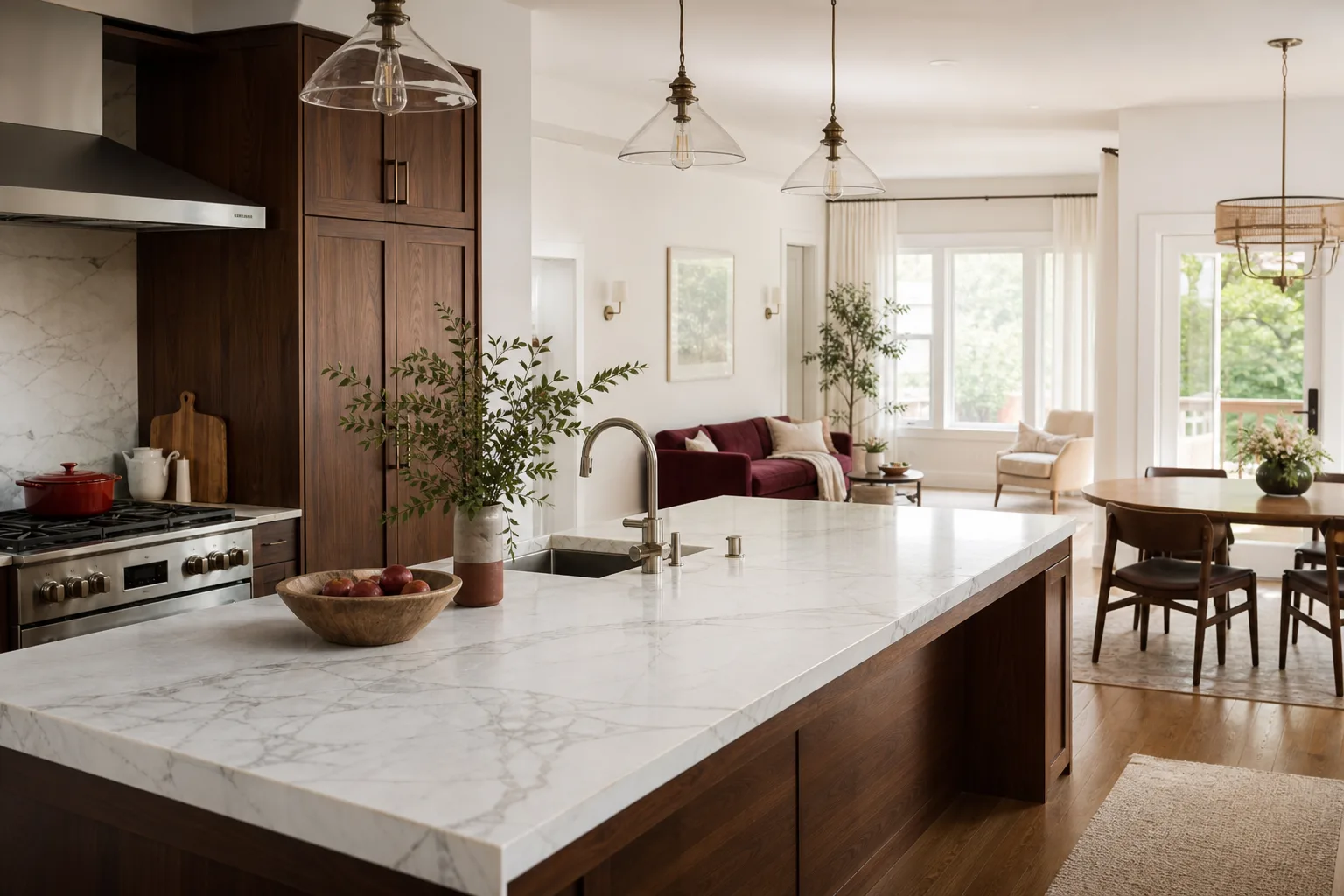
- Kitchen remodel: Strong candidate when the layout works and you’re updating cabinets, counters and fixtures. Strongest value when you avoid moving plumbing and electrical. Mid-range finishes outperform luxury here. Our kitchen remodeling in Pomona page breaks down what drives the number.
- Bathroom remodel: One of the more reliable returns, since buyers rate outdated bathrooms harshly. Keep the footprint if you can; moving fixtures adds cost that rarely comes back at sale. See bathroom remodeling in Pomona for scope and pricing.
- Whole-home systems update (electrical panel, plumbing, roof): Buyers and inspectors notice these. A new roof from GAF or Owens Corning and a modern panel can be more persuasive than new countertops.
- Garage conversion: Tempting, but permitting and zoning sometimes make it impractical in Pomona. Check before you plan.
- Major layout changes and additions: Higher cost, higher risk, and the returns are less certain. Worth it if the home genuinely can’t function without added space; not worth it as an investment play.
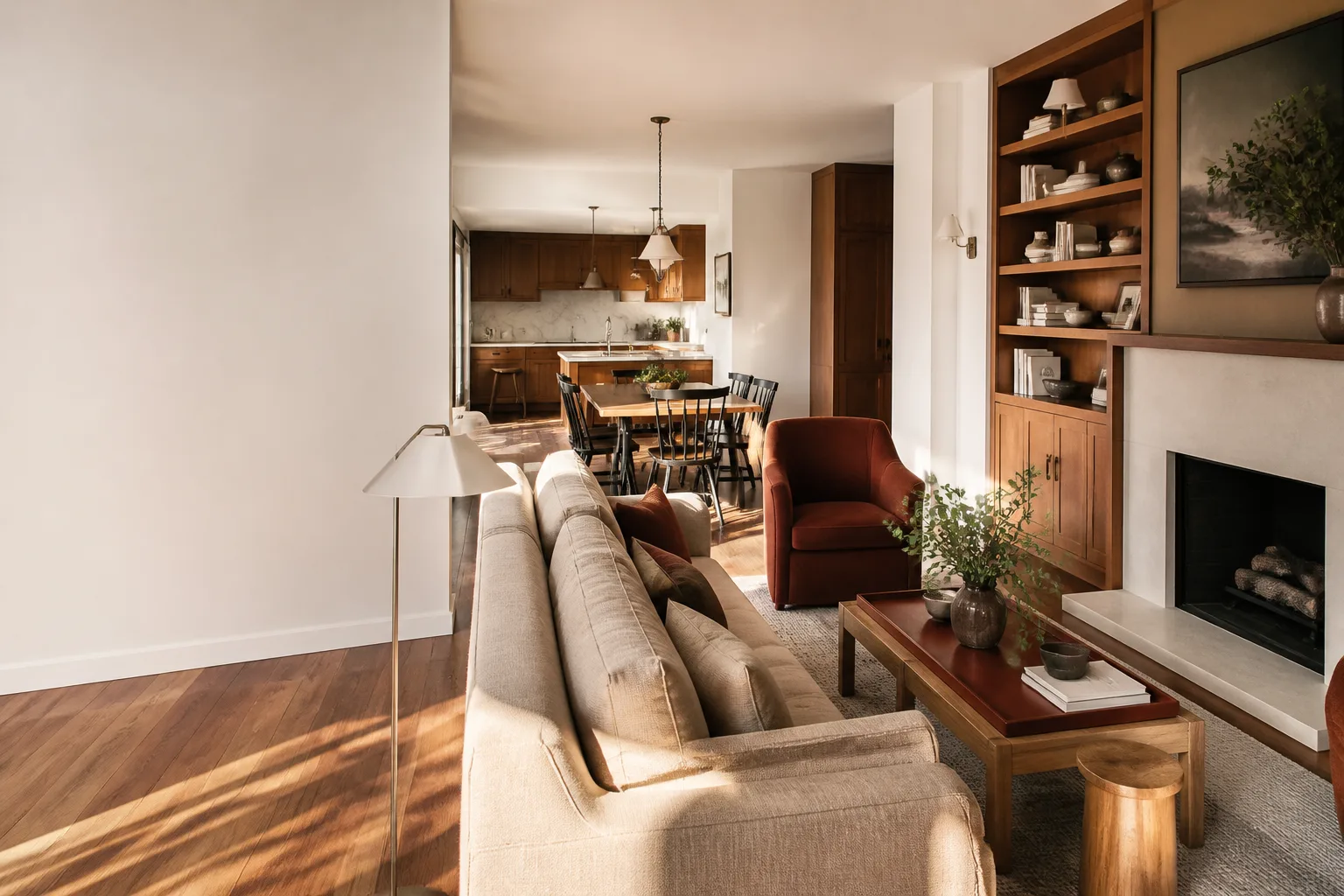
The honest read: in Pomona, a sensible mid-range kitchen or bath update with solid underlying systems will beat a luxury gut remodel almost every time. You’re not chasing a trophy; you’re making a home that functions and sells.
What Construction Costs in Pomona
Real numbers help you plan. Here are the ranges we see for common Pomona projects, with the caveat that older homes can push toward the higher end once hidden conditions surface.
- Bathroom remodel: $12,000-$35,000 depending on size, tile and fixture choices. A smaller hall bath refreshes at the low end; a primary bath with a new layout runs higher.
- Kitchen remodel: $18,000-$55,000 depending on cabinet line, countertop material and whether the layout changes. Keeping plumbing in place saves real money.
- Whole-home remodel: $60,000-$200,000+ depending on scope, square footage and systems work. Older Pomona homes often land toward the upper end when electrical and plumbing updates are needed.
- Roof replacement: $9,000-$22,000 depending on pitch, size and material (asphalt shingle versus tile).
- Electrical panel replacement: $2,500-$6,000, and often unavoidable on pre-1970 homes.
These aren’t guesses. They’re the ranges that hold when the scope is written honestly and the unseen work is anticipated. The most common way homeowners get burned isn’t a high price; it’s a low price that grows. A written number and a stated contingency are what keep your budget predictable. Call us at (833) 620-5046 for a free estimate and we’ll put real numbers against your specific project.
The Right Order to Plan and Build
Most project disasters aren’t caused by bad work; they’re caused by doing the right steps in the wrong order. Here’s the sequence that saves money and stress on a Pomona project.
- Inspect before you design. Open a wall, test for asbestos, check the panel and plumbing. Design for what’s actually there.
- Set a realistic budget with a 10-20% contingency. Older homes eat contingency; budget for it deliberately rather than discovering it.
- Lock a written estimate. Line-itemed, with product lines named and exclusions stated.
- Pull permits before demo. Approved plans in hand before anyone picks up a hammer.
- Sequence the trades. Rough electrical and plumbing before drywall; insulation and inspection before finish.
- Build in inspection checkpoints. Framing, rough trades and final each need sign-off before the next layer goes on.
- Keep a project folder. Plans, permits, inspection cards, warranty documents in one place.
Follow that order and the unknowns get smaller. Skip step one and everything downstream gets more expensive. The 365-Day Done Right Promise belongs to this sequence too: if something fails inside that year, we come back and fix it at no charge, and the free return visit if a repair fails means no service call fee and no re-inspection fee. That’s the guarantee in plain terms: what it covers, how long it lasts, and exactly what happens if something goes wrong.
Common Mistakes to Avoid
- Accepting the lowest bid without reading it. The cheapest number is usually the least complete one. Compare line items, not bottom lines.
- Skipping asbestos testing to “save a few hundred dollars.” Discovering it mid-demo turns a manageable cost into an emergency. Test first.
- Removing a wall because it looks like a partition. In older Pomona homes, that wall may be carrying load. Get an engineer’s take before you swing the hammer.
- Letting a contractor pull the permit “when we get to it.” Permits go before demo, not after. Unpermitted work comes back to bite you at sale.
- Budgeting with zero contingency on a pre-1970 home. You will find something behind the wall. Plan for it.
- Choosing finishes before knowing the hidden scope. You can’t pick a cabinet line before you know if the electrical behind it can carry the load.
- Ignoring the roof and panel to afford a fancy kitchen. Buyers and inspectors notice systems. Function first, finish second.
When to Call a Professional
Some work is genuinely beyond a weekend and a willingness to learn. Call a professional when the project touches electrical panels or wiring, gas lines, structural walls, or anything that requires a permit and inspection to be legal. Call one when the home is older than 1970 and you’re not sure what’s behind the walls. Call one when your insurance or a future sale depends on the work being documented and permitted. A professional also knows when to bring in an engineer or an asbestos specialist, which is a decision worth trusting to experience rather than guesswork. Our technicians have up to 22 years of experience, are background-checked, and arrive in uniform so you know exactly who is walking into your home. Penhallow Remodeling Pomona offers free estimates in Pomona, with a written price before any work starts. Call (833) 620-5046.
See the difference
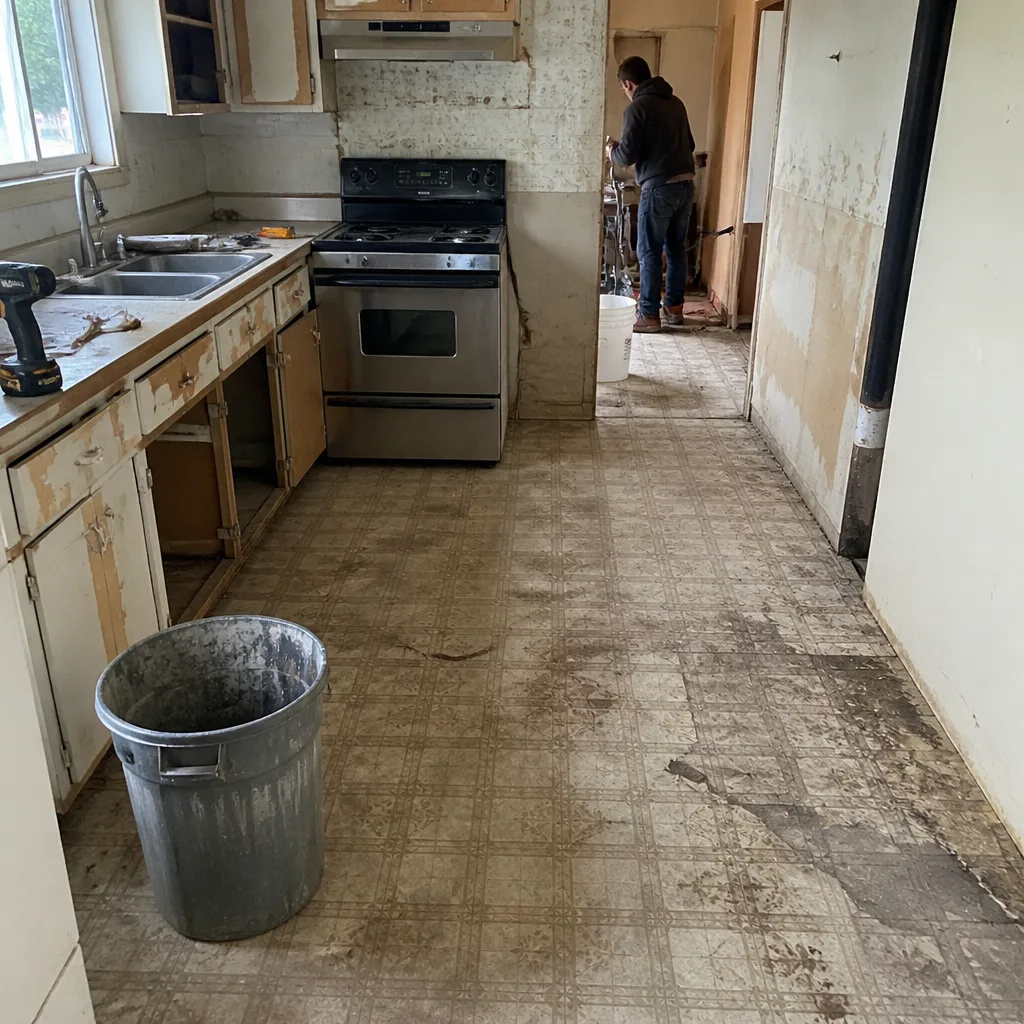 Before
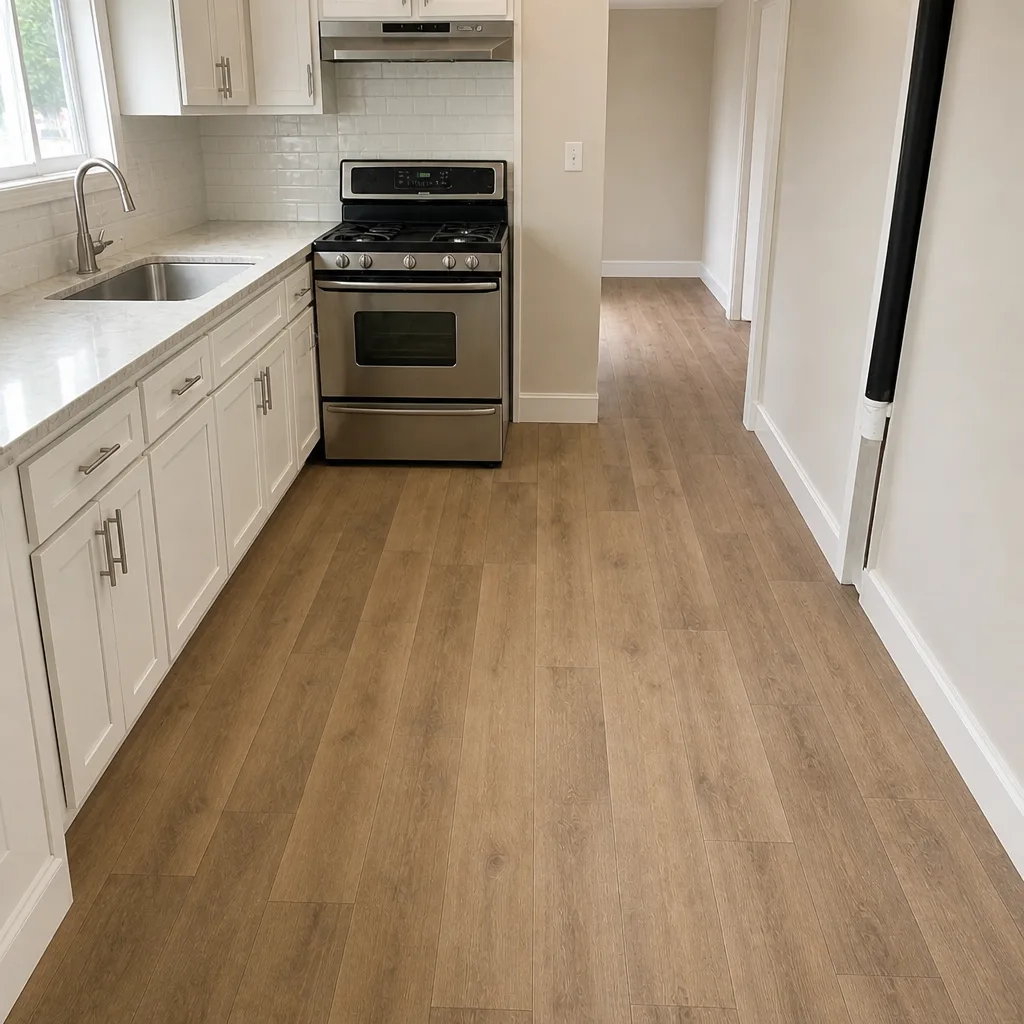 After
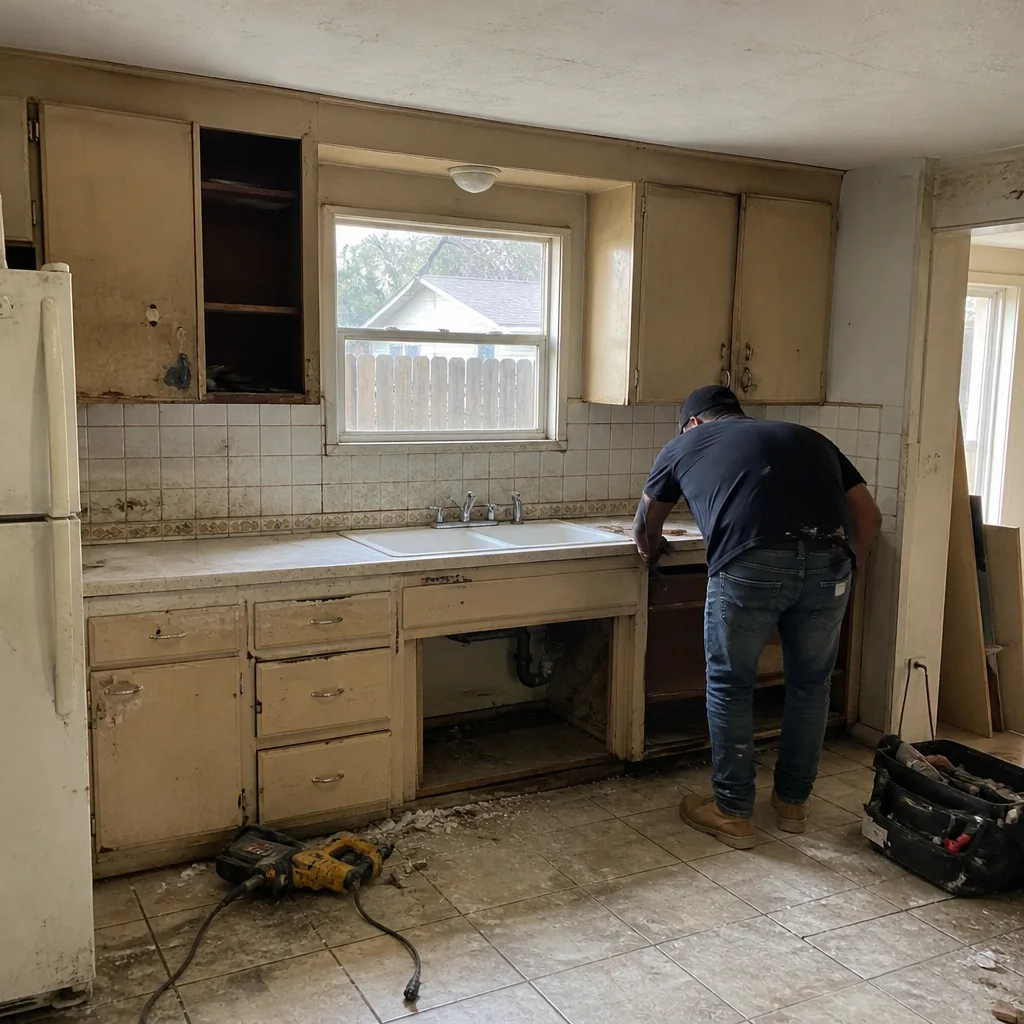 Before
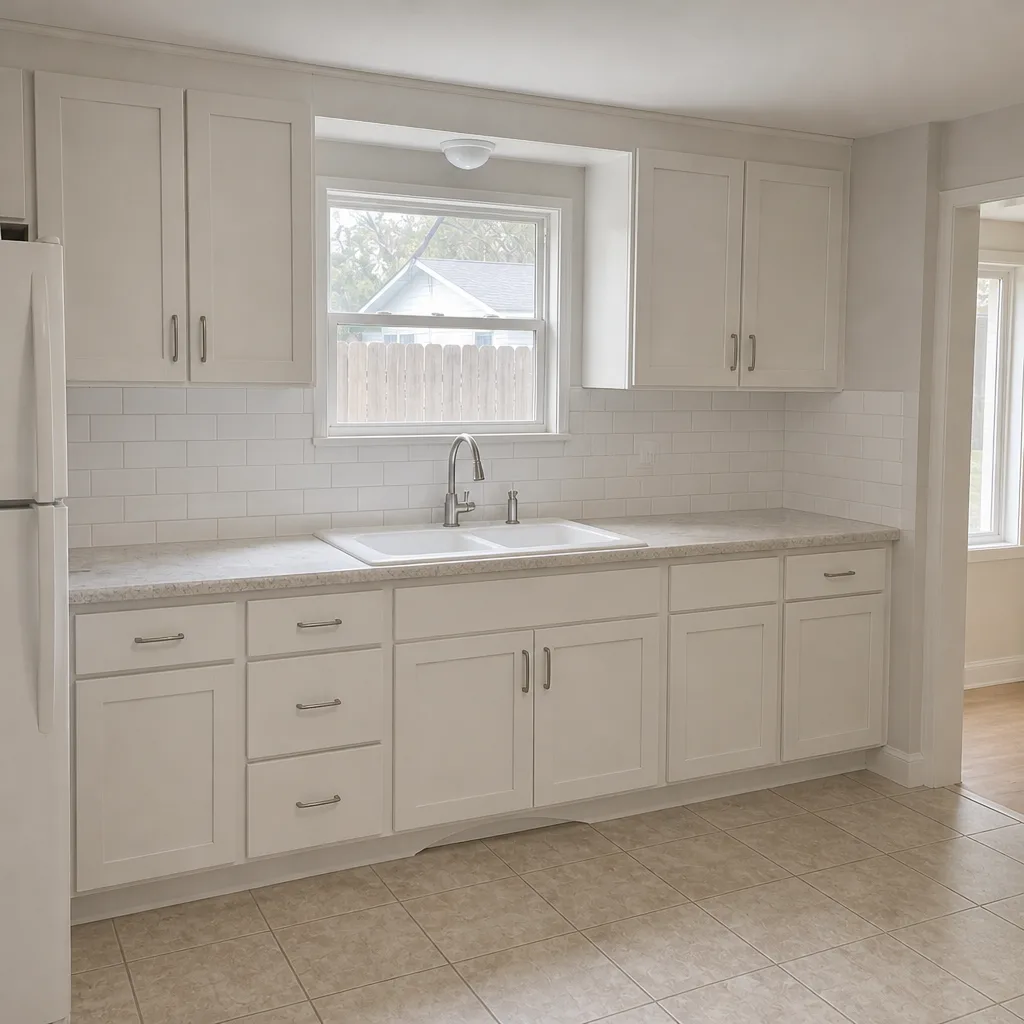 After
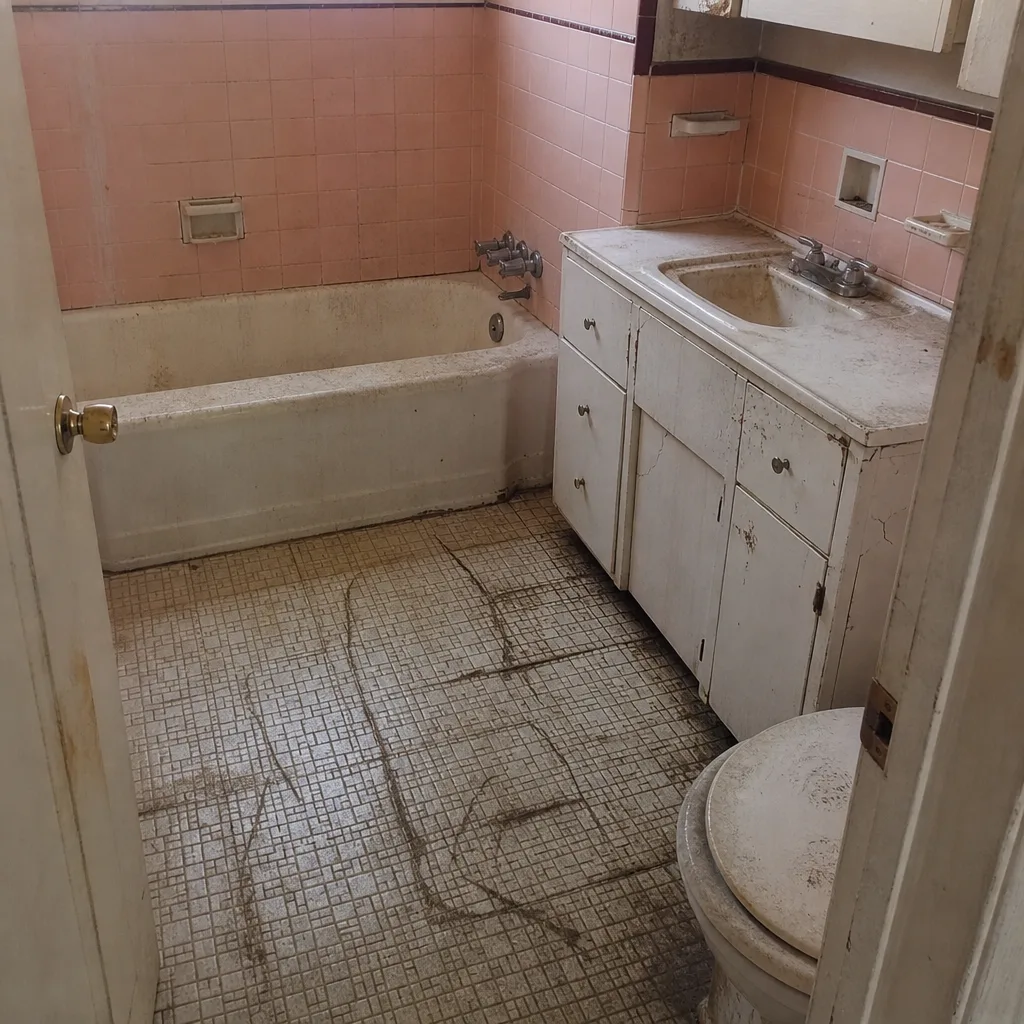 Before
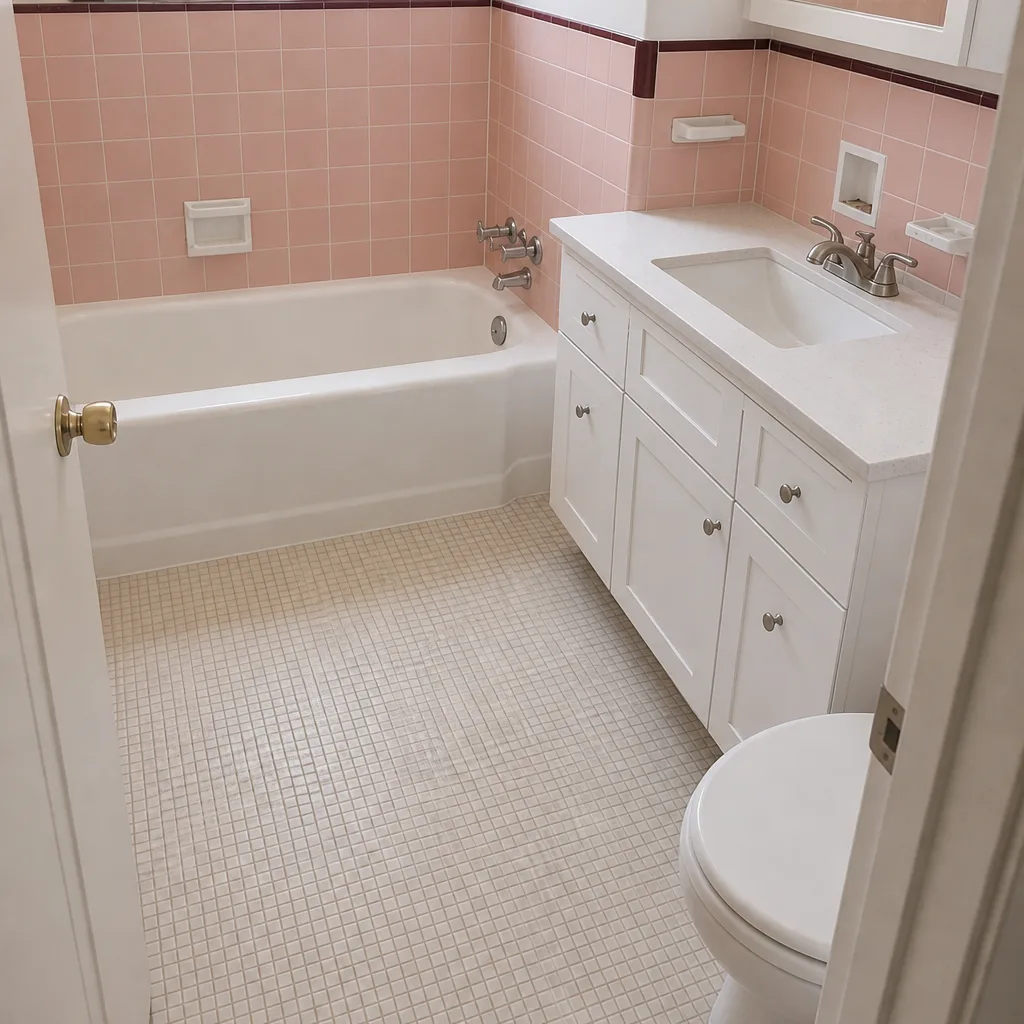 After
Frequently Asked Questions
A kitchen remodel in Pomona typically runs $18,000-$55,000 depending on cabinet line, countertop material and whether the layout changes. Pre-1970 homes can push toward the higher end if electrical or plumbing needs updating. Call (833) 620-5046 for an exact quote; estimates are free.
Yes, for most projects that change structure, wiring, plumbing or fixture locations; purely cosmetic work like paint and flooring usually doesn’t require one. Pomona’s Building & Safety Division reviews plans and inspects the work. Pull permits before demo, not after. Call us to talk through what your project needs.
With a written line-item estimate and a stated contingency, no surprise changes; anything hidden gets approved in writing before it’s added. The number on day one is the number on the invoice. Call (833) 620-5046 for a written estimate you can hold us to.
A bathroom typically takes several weeks, a kitchen one to two months, and a whole-home remodel several months, with permit review adding time up front. Older homes can extend the timeline when hidden conditions surface. We give you a written schedule and a defined arrival window before work starts.
Both are common in pre-1970 Pomona homes and both need to be addressed before you disturb them. Asbestos requires testing and, if present, proper abatement; knob-and-tube wiring should be replaced, not covered up. We identify these during the initial inspection so they’re in the written scope. Call (833) 620-5046 to schedule that inspection.
A mid-range bathroom or kitchen update, paired with sound systems like a new roof or electrical panel, tends to return the most in Pomona’s market. Luxury gut remodels usually cost more than they add back. Call us and we’ll help you prioritize what makes sense for your home.
The Bottom Line
Pomona construction rewards preparation more than any single deal. The homes here are old enough to hide real scope, the region’s seismic reality touches even cosmetic work, the city runs its own permit process on its own timeline, and the resale market favors function over luxury. Handle those four things in order, insist on a written estimate with a real contingency, and pull permits before demo, and your project stays on budget. Skip them and the hidden work finds you. If you’d like a written number before you commit to anything, that’s what we do.
Get a Written Estimate Before You Decide
Penhallow Remodeling Pomona works under the Kingswell standard: a written price before any work starts, a real arrival window, a clean job site, and a 365-Day Done Right Promise on every project. A live person answers the phone around the clock, so you’re never stuck in a voicemail maze. Whether you’re planning a modest bathroom refresh or a full kitchen rebuild in a 1950s Pomona bungalow, we’ll put the actual numbers in writing and explain what drives them, line by line. If you’ve been burned before by a contractor who never showed or a price that ballooned after demo day, start here. Call (833) 620-5046 for a free estimate, and we’ll walk your home, flag the hidden scope up front, and hand you a written price you can hold us to.
Written by the team at Penhallow Remodeling Pomona.